


Hero image 0 of Jefferson's Secrets: Death and Desire at Monticello, (Paperback), 0 of 3
Jefferson's Secrets: Death and Desire at Monticello, (Paperback)
(No ratings yet)
Key item features
Publishers Weekly,Perhaps more than any other founding father, the author of the Declaration of Independence has been judged harshly by posterity for being a slaveholder and having a slave concubine. How did Jefferson assess himself at his life's end? Drawing on Jefferson's postpresidential papers, which Burstein says have been little studied, the University of Tulsa history professor (The Passion of Andrew Jackson, etc.) sheds new light on our most enigmatic and interesting founding father from a unique perspective. He presents a vivid portrait of Thomas Jefferson as an old man looking back on life, preparing for death and dwelling on both his successes and his sins. During Jefferson's dotage, as his finances collapsed around him, the old patriot had to confront not only the results of his lifelong fiscal excesses but also the fruits of other excesses. In his last years, Jefferson "permitted" two of his four children by the black slave Sally Hemings-both of whom could pass for white-to "run away." In his will he freed the remaining two, Madison and Eston Hemings, while at the same time making a request (granted) that the Virginia legislature permit them to remain in the state after emancipation-something not normally done. Jefferson had once written that "[t]he only exact testimony of a man is his actions." In his final years, he tangled with the philosophical and religious implications of his life as a holder of slaves and master of a slave concubine. In some moods, Jefferson hoped for God and an afterlife. In others, perhaps dreading what the Almighty might have to say to him, he described human existence as a brief space "between two darknesses." This splendid book shows old Jefferson standing at the precipice, taking stock and perhaps judging himself more harshly than any God might. This is a deeply moving portrait of the aged Jefferson's body, mind and spirit that takes the measure, as Burstein says, of the full range of the founder's imagination. Illus. not seen by PW. Agent, Geri Thoma. (Feb.) (c) Copyright PWxyz, LLC. All rights reserved,Publishers Weekly,Publishers Weekly,Perhaps more than any other founding father, the author of the Declaration of Independence has been judged harshly by posterity for being a slaveholder and having a slave concubine. How did Jefferson assess himself at his life's end? Drawing on Jefferson's postpresidential papers, which Burstein says have been little studied, the University of Tulsa history professor (The Passion of Andrew Jackson, etc.) sheds new light on our most enigmatic and interesting founding father from a unique perspective. He presents a vivid portrait of Thomas Jefferson as an old man looking back on life, preparing for death and dwelling on both his successes and his sins. During Jefferson's dotage, as his finances collapsed around him, the old patriot had to confront not only the results of his lifelong fiscal excesses but also the fruits of other excesses. In his last years, Jefferson "permitted" two of his four children by the black slave Sally Hemings-both of whom could pass for white-to "run away." In his will he freed the remaining two, Madison and Eston Hemings, while at the same time making a request (granted) that the Virginia legislature permit them to remain in the state after emancipation-something not normally done. Jefferson had once written that "[t]he only exact testimony of a man is his actions." In his final years, he tangled with the philosophical and religious implications of his life as a holder of slaves and master of a slave concubine. In some moods, Jefferson hoped for God and an afterlife. In others, perhaps dreading what the Almighty might have to say to him, he described human existence as a brief space "between two darknesses." This splendid book shows old Jefferson standing at the precipice, taking stock and perhaps judging himself more harshly than any God might. This is a deeply moving portrait of the aged Jefferson's body, mind and spirit that takes the measure, as Burstein says, of the full range of the founder's imagination. Illus. not seen by PW. Agent, Geri Thoma. (Feb.) (c) Copyright PWxyz, LLC. All rights reserved
Specs
- Book formatPaperback
- Fiction/nonfictionNon-Fiction
- GenreBiography & Memoirs
- Pub date2006-03-21
- Pages368
- Series titleNo Series
Current price is USD$18.03
Price when purchased online
 Free 90-day returns
How do you want your item?
Try 30 days of Free Shipping with Walmart+! Choose plan at checkout.
Columbus, 43215
Arrives by Tue, Apr 14
Sold and shipped by Walmart.com

Free 90-day returns

This item is gift eligible
More seller options (3)
Starting from $29.57

Get free delivery, shipping and more*
*Restrictions apply Try Walmart+ now
About this item
Product details
When Thomas Jefferson died on July 4, 1826, he left behind a series of mysteries that have captured the imaginations of historical investigators for generations. In Jefferson's Secrets, Andrew Burstein draws on sources previous biographers have glossed over or missed entirely. Beginning with Jefferson's last days, Burstein shows how Jefferson confronted his own mortality. Burstein also tackles the crucial questions history has yet to answer: Did Jefferson love Sally Hemings? What were his attitudes towards women? Did he believe in God? How did he wish to be remembered? The result is a profound and nuanced portrait of the most complex of the Founding Fathers.
Publishers Weekly,Perhaps more than any other founding father, the author of the Declaration of Independence has been judged harshly by posterity for being a slaveholder and having a slave concubine. How did Jefferson assess himself at his life's end? Drawing on Jefferson's postpresidential papers, which Burstein says have been little studied, the University of Tulsa history professor (The Passion of Andrew Jackson, etc.) sheds new light on our most enigmatic and interesting founding father from a unique perspective. He presents a vivid portrait of Thomas Jefferson as an old man looking back on life, preparing for death and dwelling on both his successes and his sins. During Jefferson's dotage, as his finances collapsed around him, the old patriot had to confront not only the results of his lifelong fiscal excesses but also the fruits of other excesses. In his last years, Jefferson "permitted" two of his four children by the black slave Sally Hemings-both of whom could pass for white-to "run away." In his will he freed the remaining two, Madison and Eston Hemings, while at the same time making a request (granted) that the Virginia legislature permit them to remain in the state after emancipation-something not normally done. Jefferson had once written that "[t]he only exact testimony of a man is his actions." In his final years, he tangled with the philosophical and religious implications of his life as a holder of slaves and master of a slave concubine. In some moods, Jefferson hoped for God and an afterlife. In others, perhaps dreading what the Almighty might have to say to him, he described human existence as a brief space "between two darknesses." This splendid book shows old Jefferson standing at the precipice, taking stock and perhaps judging himself more harshly than any God might. This is a deeply moving portrait of the aged Jefferson's body, mind and spirit that takes the measure, as Burstein says, of the full range of the founder's imagination. Illus. not seen by PW. Agent, Geri Thoma. (Feb.) (c) Copyright PWxyz, LLC. All rights reserved,Publishers Weekly,Publishers Weekly,Perhaps more than any other founding father, the author of the Declaration of Independence has been judged harshly by posterity for being a slaveholder and having a slave concubine. How did Jefferson assess himself at his life's end? Drawing on Jefferson's postpresidential papers, which Burstein says have been little studied, the University of Tulsa history professor (The Passion of Andrew Jackson, etc.) sheds new light on our most enigmatic and interesting founding father from a unique perspective. He presents a vivid portrait of Thomas Jefferson as an old man looking back on life, preparing for death and dwelling on both his successes and his sins. During Jefferson's dotage, as his finances collapsed around him, the old patriot had to confront not only the results of his lifelong fiscal excesses but also the fruits of other excesses. In his last years, Jefferson "permitted" two of his four children by the black slave Sally Hemings-both of whom could pass for white-to "run away." In his will he freed the remaining two, Madison and Eston Hemings, while at the same time making a request (granted) that the Virginia legislature permit them to remain in the state after emancipation-something not normally done. Jefferson had once written that "[t]he only exact testimony of a man is his actions." In his final years, he tangled with the philosophical and religious implications of his life as a holder of slaves and master of a slave concubine. In some moods, Jefferson hoped for God and an afterlife. In others, perhaps dreading what the Almighty might have to say to him, he described human existence as a brief space "between two darknesses." This splendid book shows old Jefferson standing at the precipice, taking stock and perhaps judging himself more harshly than any God might. This is a deeply moving portrait of the aged Jefferson's body, mind and spirit that takes the measure, as Burstein says, of the full range of the founder's imagination. Illus. not seen by PW. Agent, Geri Thoma. (Feb.) (c) Copyright PWxyz, LLC. All rights reserved
info:
We aim to show you accurate product information. Manufacturers, suppliers and others provide what you see here, and we have not verified it.
Specifications
Book format
Paperback
Fiction/nonfiction
Non-Fiction
Genre
Biography & Memoirs
Pub date
2006-03-21
Warranty
Warranty information
Please be aware that the warranty terms on items offered for sale by third party Marketplace sellers may differ from those displayed in this section (if any). To confirm warranty terms on an item offered for sale by a third party Marketplace seller, please use the 'Contact seller' feature on the third party Marketplace seller's information page and request the item's warranty terms prior to purchase.
Similar items you might like
Based on what customers bought
The Dreyfus Case (Paperback) $24.95
 $2495current price $24.95
The Dreyfus Case (Paperback)
The Great Harmonia, (Paperback) $25.95
 $2595current price $25.95
The Great Harmonia, (Paperback)
Scorpions' Dance, (Paperback) $20.06
 $2006current price $20.06
Scorpions' Dance, (Paperback)
Crack, (Paperback) $17.46
 $1746current price $17.46
Crack, (Paperback)
Smash the Pyramid, (Paperback) $20.72
 $2072current price $20.72
Smash the Pyramid, (Paperback)
310 Nights At Anchor (and holding), (Paperback) $12.77
 $1277current price $12.77
310 Nights At Anchor (and holding), (Paperback)
The Original Knickerbocker: The Life of Washington Irving, (Paperback) $33.00
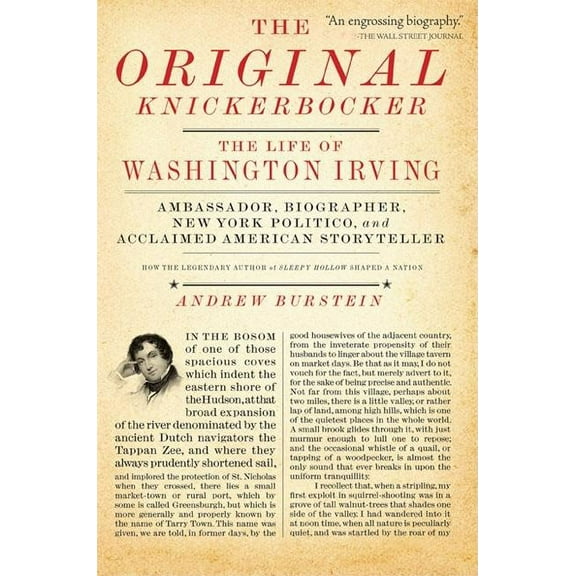 $3300current price $33.00
The Original Knickerbocker: The Life of Washington Irving, (Paperback)
Patrician and Plebeian in Virginia;, (Paperback) $22.95
 $2295current price $22.95
Patrician and Plebeian in Virginia;, (Paperback)
The Death of Alexander the Great (Paperback) $19.59
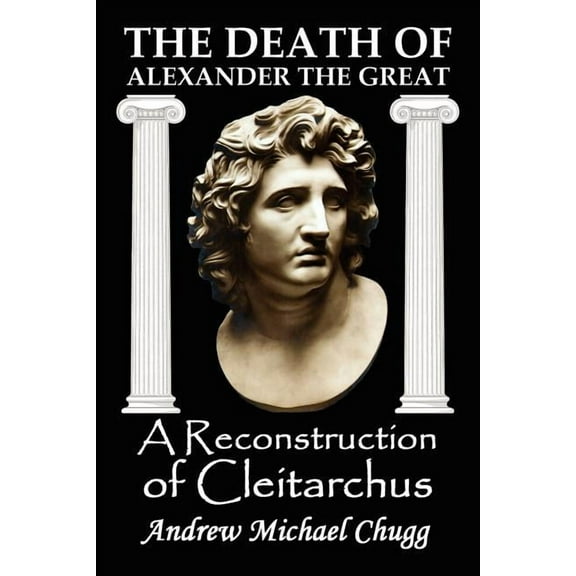 $1959current price $19.59
The Death of Alexander the Great (Paperback)
Lao-Tsze: The Great Thinker (Paperback) $18.95
 $1895current price $18.95
Lao-Tsze: The Great Thinker (Paperback)
Our Man in Mexico: Winston Scott and the Hidden History of the CIA, (Paperback) $13.14
 $1314current price $13.14
Our Man in Mexico: Winston Scott and the Hidden History of the CIA, (Paperback)
The Sociologist and the Historian, (Paperback) $13.84
 $1384current price $13.84
The Sociologist and the Historian, (Paperback)
Jeffersonian America Jefferson's Empire: The Language of American Nationhood the Language of American Nationhood, (Paperback) $29.00
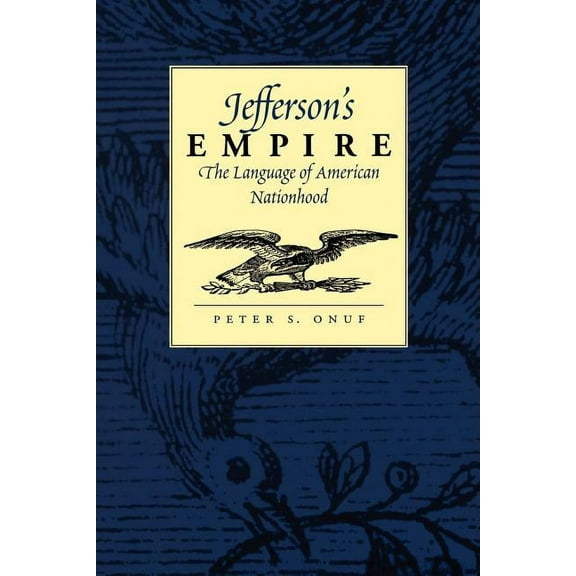 $2900current price $29.00
Jeffersonian America Jefferson's Empire: The Language of American Nationhood the Language of American Nationhood, (Paperback)
La Prophetie Du Temps Passe (Paperback) $18.75
 $1875current price $18.75
La Prophetie Du Temps Passe (Paperback)
Aristotle [microform] (Paperback) $17.95
![Aristotle [microform] (Paperback)](https://i5.walmartimages.com/asr/6dab1eea-2612-4544-be43-e9a9feb77bff.fc761c664d0902e2ad2d67f4f21e7026.jpeg?odnHeight=576&odnWidth=576&odnBg=FFFFFF) $1795current price $17.95
$1795current price $17.95Aristotle [microform] (Paperback)
Thomas Jefferson: Farmer, (Paperback) $21.50
 $2150current price $21.50
Thomas Jefferson: Farmer, (Paperback)
Künstliches Kniegelenk: Fragen an Die Spezialisten, (Paperback) $21.98
 $2198current price $21.98
Künstliches Kniegelenk: Fragen an Die Spezialisten, (Paperback)
The Great Harmonia, (Paperback) $25.95
 $2595current price $25.95
The Great Harmonia, (Paperback)
Customer ratings & reviews
0 ratings|0 reviews
This item does not have any reviews yet
