


Combat: British Paratrooper vs Fallschirmjäger : Mediterranean 1942–43 (Paperback)
Key item features
By late 1942 Britain had developed an airborne capability that would obtain its baptism of fire versus German airborne in North Africa and Sicily. On three notable occasions British airborne infantry fought intense battles with its German counterpart: twice in North Africa and again at Primosole Bridge in Sicily. Both forces were well trained and equipped, with a similar ethos and role, both thought of themselves as elite units, and both found themselves used by local commanders in a variety of roles that tended to be determined by the emergencies of the moment.
On 29 November 1942 Lt Col Frost's 2nd Para dropped at Depienne, Tunisia, with orders to march overnight to Oudna, destroy the aircraft there and then return to Allied lines. Finding no aircraft they retreated, repeatedly combating elements of Oberst Koch's FJR 5, deployed in a ground role. 2nd Para ambushed and drove back Fallschirmjäger riding on armoured cars. Nearly surrounded, Frost withdrew to a nearby hill; a battle ensued as both sides raced for the crest. After retreating overnight 2nd Para wiped out an attacking German platoon, and on 3 December Frost's men finally reached Allied lines; all told, they had made five night marches and fought three battles, in total covering 50 miles, and only 180 of Frost's 450 men remained effective.
Fighting as infantry, elements of 3rd Para encountered two companies of Fallschirmjäger-Pionier Bataillon, supported by elements of armour and artillery, in a strongly fortified position at Djebel Azag. On the night of 4/5 January 1943 a see-saw battle took place as the hill changed hands. The Germans were able to retain this key position. After weeks of further bitter fighting the British parachute brigade was again pulled out of the line in March 1943, but there would be no respite for any of the German parachute units; in May nearly all of those who had survived became POWs.
On the night of 13/14 July 1943, 1st Para Brigade dropped to seize the Primosole Bridge in Sicily and hold it until relieved the next day by 50th Division. Unknown to Allied planners, though, Fallschirmjager dropped nearby in the last large-scale German airdrop of WWII. The Allied airborne was badly dispersed by AA fire. However, the British successfully seized the bridge and held it until an improvised counter-attack retook it. Midway through the evening of 14 July elements of 50th Division succeeded in relieving the Paras, retaking the bridge after 2 more days of bitter fighting. The Germans withdrew after failing to destroy the bridge with a truck-borne improvised explosive device.
The battle at Primosole Bridge had immediate strategic consequences for both sides: for Britain an inquiry was held as to whether airborne forces were worth the investment, while for Germany the engagement proved the concept that elite infantry capable of being transported quickly by air to hotspots in the line could avert disaster. Featuring vivid first-hand accounts, specially commissioned full-colour artwork and in-depth analysis, this is the gripping story of the clash between airborne forces at the height of WWII.
Specs
- Book formatPaperback
- Fiction/nonfictionNon-Fiction
- GenreHistory
- Publication dateSeptember, 2013
- Pages80
- Age range12 Up
- Free shipping
 Free 30-day returns
How do you want your item?


More seller options (2)
About this item
Product details
By late 1942 Britain had developed an airborne capability that would obtain its baptism of fire versus German airborne in North Africa and Sicily. On three notable occasions British airborne infantry fought intense battles with its German counterpart: twice in North Africa and again at Primosole Bridge in Sicily. Both forces were well trained and equipped, with a similar ethos and role, both thought of themselves as elite units, and both found themselves used by local commanders in a variety of roles that tended to be determined by the emergencies of the moment.
On 29 November 1942 Lt Col Frost's 2nd Para dropped at Depienne, Tunisia, with orders to march overnight to Oudna, destroy the aircraft there and then return to Allied lines. Finding no aircraft they retreated, repeatedly combating elements of Oberst Koch's FJR 5, deployed in a ground role. 2nd Para ambushed and drove back Fallschirmjäger riding on armoured cars. Nearly surrounded, Frost withdrew to a nearby hill; a battle ensued as both sides raced for the crest. After retreating overnight 2nd Para wiped out an attacking German platoon, and on 3 December Frost's men finally reached Allied lines; all told, they had made five night marches and fought three battles, in total covering 50 miles, and only 180 of Frost's 450 men remained effective. Fighting as infantry, elements of 3rd Para encountered two companies of Fallschirmjäger-Pionier Bataillon, supported by elements of armour and artillery, in a strongly fortified position at Djebel Azag. On the night of 4/5 January 1943 a see-saw battle took place as the hill changed hands. The Germans were able to retain this key position. After weeks of further bitter fighting the British parachute brigade was again pulled out of the line in March 1943, but there would be no respite for any of the German parachute units; in May nearly all of those who had survived became POWs. On the night of 13/14 July 1943, 1st Para Brigade dropped to seize the Primosole Bridge in Sicily and hold it until relieved the next day by 50th Division. Unknown to Allied planners, though, Fallschirmjager dropped nearby in the last large-scale German airdrop of WWII. The Allied airborne was badly dispersed by AA fire. However, the British successfully seized the bridge and held it until an improvised counter-attack retook it. Midway through the evening of 14 July elements of 50th Division succeeded in relieving the Paras, retaking the bridge after 2 more days of bitter fighting. The Germans withdrew after failing to destroy the bridge with a truck-borne improvised explosive device. The battle at Primosole Bridge had immediate strategic consequences for both sides: for Britain an inquiry was held as to whether airborne forces were worth the investment, while for Germany the engagement proved the concept that elite infantry capable of being transported quickly by air to hotspots in the line could avert disaster. Featuring vivid first-hand accounts, specially commissioned full-colour artwork and in-depth analysis, this is the gripping story of the clash between airborne forces at the height of WWII.By late 1942 Britain had developed an airborne capability that would obtain its baptism of fire versus German airborne in North Africa and Sicily. On three notable occasions British airborne infantry fought intense battles with its German counterpart: twice in North Africa and again at Primosole Bridge in Sicily. Both forces were well trained and equipped, with a similar ethos and role, both thought of themselves as elite units, and both found themselves used by local commanders in a variety of roles that tended to be determined by the emergencies of the moment.
On 29 November 1942 Lt Col Frost's 2nd Para dropped at Depienne, Tunisia, with orders to march overnight to Oudna, destroy the aircraft there and then return to Allied lines. Finding no aircraft they retreated, repeatedly combating elements of Oberst Koch's FJR 5, deployed in a ground role. 2nd Para ambushed and drove back Fallschirmjäger riding on armoured cars. Nearly surrounded, Frost withdrew to a nearby hill; a battle ensued as both sides raced for the crest. After retreating overnight 2nd Para wiped out an attacking German platoon, and on 3 December Frost's men finally reached Allied lines; all told, they had made five night marches and fought three battles, in total covering 50 miles, and only 180 of Frost's 450 men remained effective.
Fighting as infantry, elements of 3rd Para encountered two companies of Fallschirmjäger-Pionier Bataillon, supported by elements of armour and artillery, in a strongly fortified position at Djebel Azag. On the night of 4/5 January 1943 a see-saw battle took place as the hill changed hands. The Germans were able to retain this key position. After weeks of further bitter fighting the British parachute brigade was again pulled out of the line in March 1943, but there would be no respite for any of the German parachute units; in May nearly all of those who had survived became POWs.
On the night of 13/14 July 1943, 1st Para Brigade dropped to seize the Primosole Bridge in Sicily and hold it until relieved the next day by 50th Division. Unknown to Allied planners, though, Fallschirmjager dropped nearby in the last large-scale German airdrop of WWII. The Allied airborne was badly dispersed by AA fire. However, the British successfully seized the bridge and held it until an improvised counter-attack retook it. Midway through the evening of 14 July elements of 50th Division succeeded in relieving the Paras, retaking the bridge after 2 more days of bitter fighting. The Germans withdrew after failing to destroy the bridge with a truck-borne improvised explosive device.
The battle at Primosole Bridge had immediate strategic consequences for both sides: for Britain an inquiry was held as to whether airborne forces were worth the investment, while for Germany the engagement proved the concept that elite infantry capable of being transported quickly by air to hotspots in the line could avert disaster. Featuring vivid first-hand accounts, specially commissioned full-colour artwork and in-depth analysis, this is the gripping story of the clash between airborne forces at the height of WWII.
Specifications
Book format
Fiction/nonfiction
Genre
Publication date
Warranty
Warranty information
Similar items you might like
Based on what customers bought
Combat: Hitlerjugend Soldier vs Canadian Soldier : Normandy 1944 (Paperback) $22.93
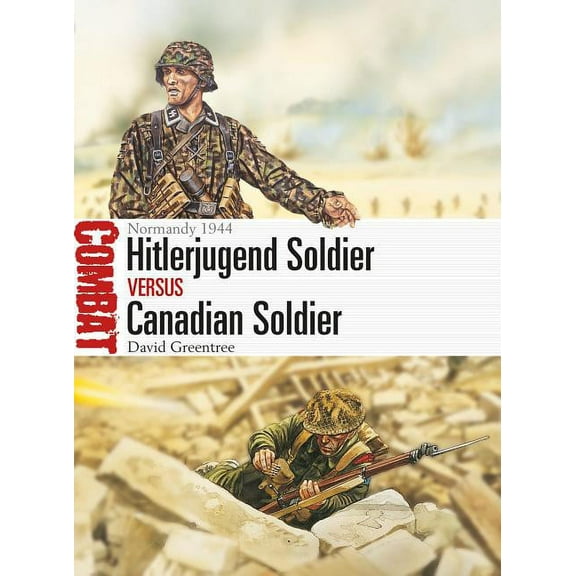 $2293current price $22.93
Combat: Hitlerjugend Soldier vs Canadian Soldier : Normandy 1944 (Paperback)
Stackpole Military History The German Defeat in the East, (Paperback) $19.99
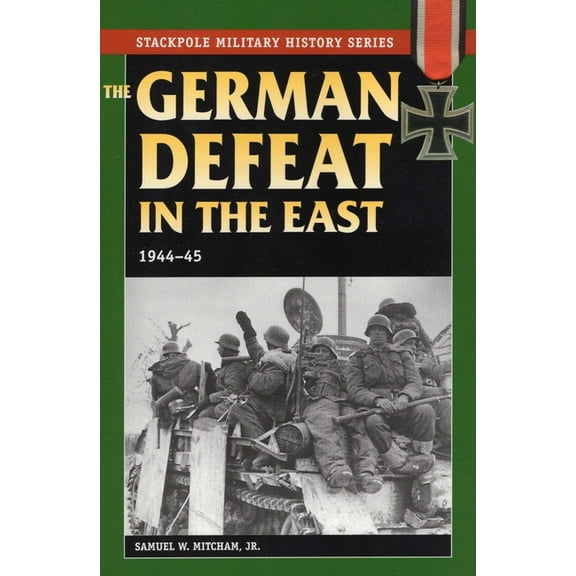 $1999current price $19.99
Stackpole Military History The German Defeat in the East, (Paperback)
Duel M3 Tank Vs Panzer IV: Eastern Front 1942, Book 157, (Paperback) $23.00
 $2300current price $23.00
Duel M3 Tank Vs Panzer IV: Eastern Front 1942, Book 157, (Paperback)
Hold Saipan!, (Paperback) $23.95
 $2395current price $23.95
Hold Saipan!, (Paperback)
Damien Lewis’s World War II Collection 3 Books Set - Non Fiction - Paperback $21.99
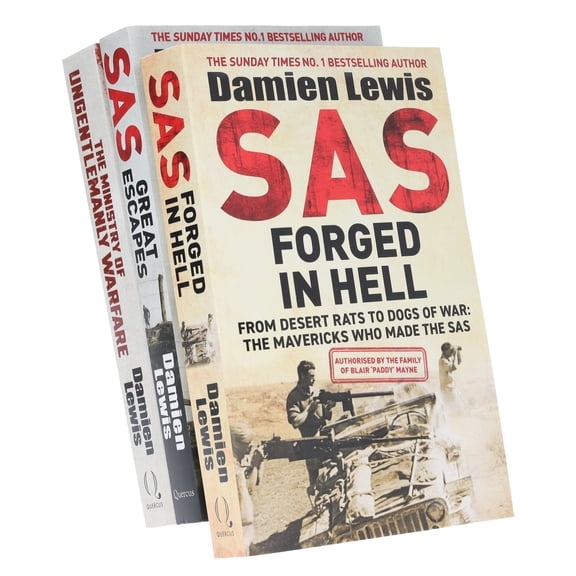 $2199current price $21.99
Damien Lewis’s World War II Collection 3 Books Set - Non Fiction - Paperback
The Dardanelles Campaign, (Paperback) $22.89
 $2289current price $22.89
The Dardanelles Campaign, (Paperback)
World War 2: Stories from the German Special Forces: Eyewitness Accounts (Paperback) $14.13
 $1413current price $14.13
World War 2: Stories from the German Special Forces: Eyewitness Accounts (Paperback)
Pre-Owned The Art of War (Paperback) 1936041758 9781936041756 $6.40
 $640current price $6.40
Pre-Owned The Art of War (Paperback) 1936041758 9781936041756
She Was An American Spy During World War II, (Paperback) $20.59
 $2059current price $20.59
She Was An American Spy During World War II, (Paperback)
Pre-Owned Wehrmacht Auxiliary Forces (Paperback) 1855322579 9781855322578 $15.58
 $1558current price $15.58
Pre-Owned Wehrmacht Auxiliary Forces (Paperback) 1855322579 9781855322578
My Time in Combat (Paperback) $19.99
 $1999current price $19.99
My Time in Combat (Paperback)
Liberation Trilogy The Guns at Last Light: The War in Western Europe, 1944-1945, Book 3, (Paperback) $16.77 Was $20.91
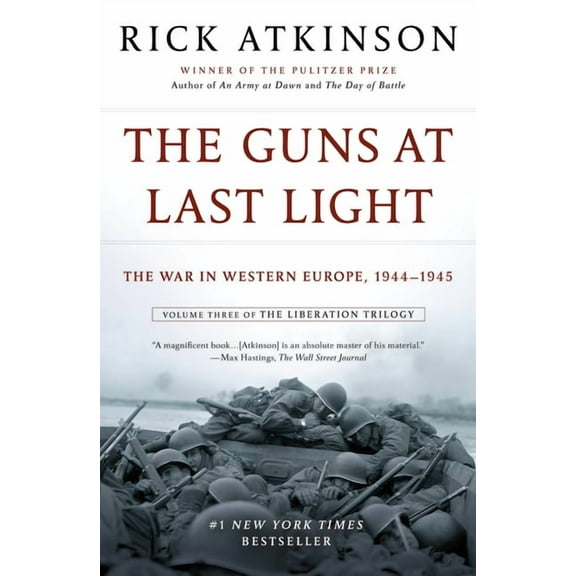 $1677current price $16.77, Was $20.91$20.91
Liberation Trilogy The Guns at Last Light: The War in Western Europe, 1944-1945, Book 3, (Paperback)
224.5 out of 5 Stars. 22 reviewsPre-Owned Voices of the Pacific: Untold Stories from the Marine Heroes of World War II (Paperback) 0425257835 9780425257838 $4.41
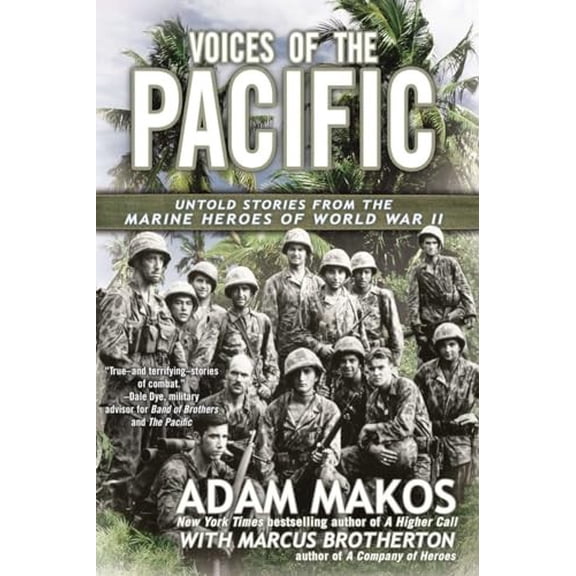 $441current price $4.41
Pre-Owned Voices of the Pacific: Untold Stories from the Marine Heroes of World War II (Paperback) 0425257835 9780425257838
Combat: Eighth Army Soldier vs Italian Soldier : El Alamein 1942 (Series #79) (Paperback) $19.07 Was $23.00 $19.07/cu ft
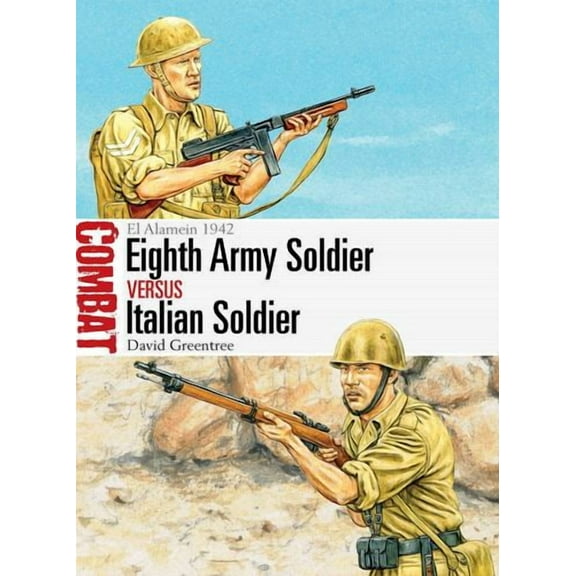 $1907current price $19.07, Was $23.00$23.00$19.07/cu ft
Combat: Eighth Army Soldier vs Italian Soldier : El Alamein 1942 (Series #79) (Paperback)
The Belfast Blitz: The City in the War Years, (Paperback) $29.92 Was $34.99
 $2992current price $29.92, Was $34.99$34.99
The Belfast Blitz: The City in the War Years, (Paperback)
Everything World War 2 - WWII Island by Island: The Pacific War in Brutal Detail, Book 5, (Paperback) $9.99
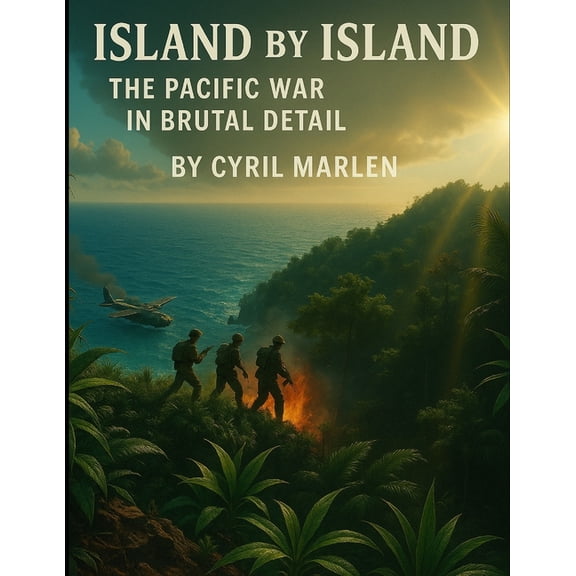 $999current price $9.99
Everything World War 2 - WWII Island by Island: The Pacific War in Brutal Detail, Book 5, (Paperback)
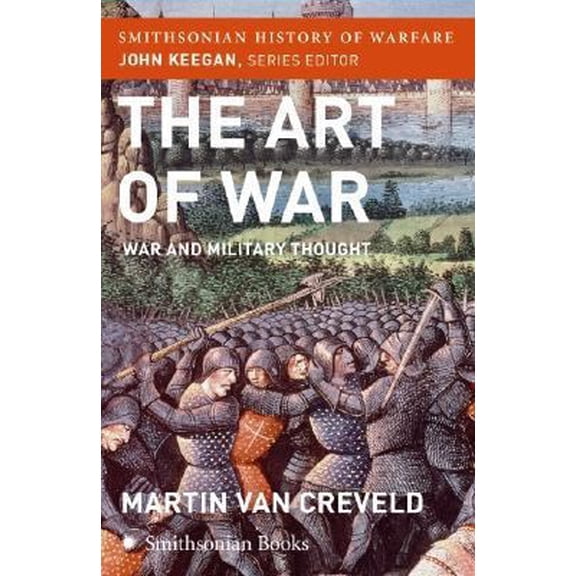
Pre-Owned The Art of War (Smithsonian History of Warfare): War and Military Thought (Paperback) 0060838531 9780060838539 $7.96
 $796current price $7.96
Pre-Owned The Art of War (Smithsonian History of Warfare): War and Military Thought (Paperback) 0060838531 9780060838539
Pre-Owned The Art of War (Smithsonian History of Warfare): War and Military Thought (Paperback) 0060838531 9780060838539 $8.12
$812current price $8.12Pre-Owned The Art of War (Smithsonian History of Warfare): War and Military Thought (Paperback) 0060838531 9780060838539
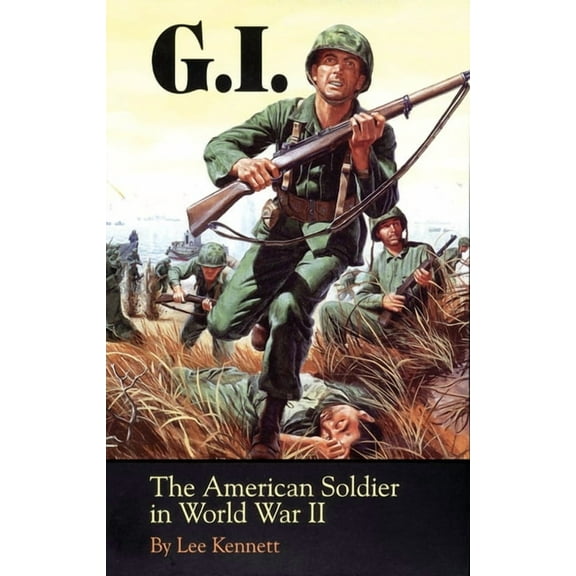
G.I.: The American Soldier in World War II, (Paperback) $34.98
 $3498current price $34.98
G.I.: The American Soldier in World War II, (Paperback)
The Afghan Wars 1839-1919, (Paperback) $20.37
 $2037current price $20.37
The Afghan Wars 1839-1919, (Paperback)
Customer ratings & reviews

Related pages
- U S Future Soldier
- Ww2 Grenade
- Corps Contra
- Tanks Fighting
- Extreme Forces
- Air Force Warfare
- Weapons in Military History Books
- Special Forces Military History Books
- Biological & Chemical Warfare Military History Books
- Napoleonic Wars Military History Books
- Korean War Military History Books
- Nuclear Warfare Military History Books