


Hero image 0 of The Israeli Solution, 0 of 1
The Israeli Solution
(No ratings yet)
Key item features
A landmark manifesto issuing a bold call for a one-state solution to the Israeli-Palestine conflict.
The reigning consensus in elite and academic circles is that the United States must seek to resolve the Palestinians' conflict with Israel by implementing the so-called two-state solution. Establishing a Palestinian state, so the thinking goes, would be a panacea for all the region’s ills. In a time of partisan gridlock, the two-state solution stands out for its ability to attract supporters from both sides of America's ideological divide. But the great irony is that it is one of the most irrational and failed policies the United States has ever adopted.
Between 1970 and 2013, the United States presented nine different peace plans for Israel and the Palestinians, and for the past twenty years, the two state solution has been the centerpiece of U.S. Middle East policy. But despite this laser focus, American efforts to implement a two-state peace deal have failed—and with each new attempt, the Middle East has become less stable, more violent, more radicalized, and more inimical to democratic values and interests.
In The Israeli Solution, Caroline Glick, senior contributing editor to the Jerusalem Post, examines the history and misconceptions behind the two-state policy, most notably:
- The huge errors made in counting the actual numbers of Jews and Arabs in the region. The 1997 Palestinian Census, upon which most two-state policy is based, wildly exaggerated the numbers of Palestinians living in the West Bank and Gaza.
- Neglect of the long history of Palestinian anti-Semitism, refusal to negotiate in good faith, terrorism, and denial of Israel’s right to exist.
- Disregard for Israel’s stronger claims to territorial sovereignty under international law, as well as the long history of Jewish presence in the region.
- Indifference to polling data that shows the Palestinian people admire Israeli society and governance. Despite a half-century of domestic and international terrorism, anti-semitism, and military attacks from regional neighbors who reject its right to exist, Israel has thrived as the Middle East’s lone democracy.
After a century spent chasing a two-state policy that hasn’t brought the Israelis and Palestinians any closer to peace, The Israeli Solution offers an alternative path to stability in the Middle East based on Israeli sovereignty over Judea and Samaria.
The reigning consensus in elite and academic circles is that the United States must seek to resolve the Palestinians' conflict with Israel by implementing the so-called two-state solution. Establishing a Palestinian state, so the thinking goes, would be a panacea for all the region’s ills. In a time of partisan gridlock, the two-state solution stands out for its ability to attract supporters from both sides of America's ideological divide. But the great irony is that it is one of the most irrational and failed policies the United States has ever adopted.
Between 1970 and 2013, the United States presented nine different peace plans for Israel and the Palestinians, and for the past twenty years, the two state solution has been the centerpiece of U.S. Middle East policy. But despite this laser focus, American efforts to implement a two-state peace deal have failed—and with each new attempt, the Middle East has become less stable, more violent, more radicalized, and more inimical to democratic values and interests.
In The Israeli Solution, Caroline Glick, senior contributing editor to the Jerusalem Post, examines the history and misconceptions behind the two-state policy, most notably:
- The huge errors made in counting the actual numbers of Jews and Arabs in the region. The 1997 Palestinian Census, upon which most two-state policy is based, wildly exaggerated the numbers of Palestinians living in the West Bank and Gaza.
- Neglect of the long history of Palestinian anti-Semitism, refusal to negotiate in good faith, terrorism, and denial of Israel’s right to exist.
- Disregard for Israel’s stronger claims to territorial sovereignty under international law, as well as the long history of Jewish presence in the region.
- Indifference to polling data that shows the Palestinian people admire Israeli society and governance. Despite a half-century of domestic and international terrorism, anti-semitism, and military attacks from regional neighbors who reject its right to exist, Israel has thrived as the Middle East’s lone democracy.
After a century spent chasing a two-state policy that hasn’t brought the Israelis and Palestinians any closer to peace, The Israeli Solution offers an alternative path to stability in the Middle East based on Israeli sovereignty over Judea and Samaria.
Specs
- Book formatHardcover
- Fiction/nonfictionNon-Fiction
- GenreNonfiction
- Pub date2014-03-04
- Pages352
- PublisherCrown Publishing Group
Current price is USD$31.83
Price when purchased online
Out of stock
How do you want your item?
Out of stock
About this item
Product details
"A manifesto that exposes the flaws in the two-state policy of the United States toward Israel and the Palestinians and offers a direct and powerful call for Israeli sovereignty in the region. The reigning consensus in elite and academic circles is that the United States must seek to resolve the Palestinians' conflict with Israel by implementing the so-called two-state solution. Establishing a Palestinian state, so the thinking goes, would be a panacea for all the region's ills. It would end the Arab world's conflict with Israel, because the reason the Arab world is anti-Israel is that there is no Palestinian state. It would also nearly erase the principal cause of the violent extremism in the rest of the Middle East. In a time when American politics are marked by partisan gridlock, the two-state solution stands out for its ability to attract supporters from both sides of the ideological divide. But the great irony is that it is one of the most irrational and failed policies the United States has ever adopted. Between 1970 and 2013, the United States presented nine different peace plans for Israel and the Palestinians, and for the past twenty years, the two state solution has been the centerpiece of U.S. Middle East policy. But despite this laser focus, American efforts to implement a two-state peace deal have failed--and with each new attempt, the Middle East has become less stable, more violent, more radicalized, and more inimical to democratic values and interests. In The Israeli Solution, Caroline Glick, senior contributing editor to the Jerusalem Post, examines the history and misconceptions behind the two-state policy, most notably: - The huge errors made in counting the actual numbers of Jews and Arabs in the region. The 1997 Palestinian Census, upon which most two-state policy is based, wildly exaggerated the numbers of Palestinians living in the West Bank and Gaza. - Neglect of the long history of Palestinian anti-Semitism, refusal to negotiate in good faith, terrorism, and denial of Israel's right to exist. - Disregard for Israel's stronger claims to territorial sovereignty under international law, as well as the long history of Jewish presence in the region. - Indifference to polling data that shows the Palestinian people admire Israeli society and governance. Despite a half-century of domestic and international terrorism, anti-semitism, and military attacks from regional neighbors who reject its right to exist, Israel has thrived as the Middle East's lone democracy. After a century spent chasing a two-state policy that hasn't brought the Israelis and Palestinians any closer to peace, The Israeli Solution offers an alternative path to stability in the Middle East based on Israeli sovereignty over Judea and Samaria"-- A landmark manifesto issuing a bold call for a one-state solution to the Israeli-Palestine conflict.
The reigning consensus in elite and academic circles is that the United States must seek to resolve the Palestinians' conflict with Israel by implementing the so-called two-state solution. Establishing a Palestinian state, so the thinking goes, would be a panacea for all the region's ills. In a time of partisan gridlock, the two-state solution stands out for its ability to attract supporters from both sides of America's ideological divide. But the great irony is that it is one of the most irrational and failed policies the United States has ever adopted. Between 1970 and 2013, the United States presented nine different peace plans for Israel and the Palestinians, and for the past twenty years, the two state solution has been the centerpiece of U.S. Middle East policy. But despite this laser focus, American efforts to implement a two-state peace deal have failed--and with each new attempt, the Middle East has become less stable, more violent, more radicalized, and more inimical to democratic values and interests. In The Israeli Solution, Caroline Glick, senior contributing editor to the Jerusalem Post, examines the history and misconceptions behind the two-state policy, most notably: - The huge errors made in counting the actual numbers of Jews and Arabs in the region. The 1997 Palestinian Census, upon which most two-state policy is based, wildly exaggerated the numbers of Palestinians living in the West Bank and Gaza. - Neglect of the long history of Palestinian anti-Semitism, refusal to negotiate in good faith, terrorism, and denial of Israel's right to exist. - Disregard for Israel's stronger claims to territorial sovereignty under international law, as well as the long history of Jewish presence in the region. - Indifference to polling data that shows the Palestinian people admire Israeli society and governance. Despite a half-century of domestic and international terrorism, anti-semitism, and military attacks from regional neighbors who reject its right to exist, Israel has thrived as the Middle East's lone democracy. After a century spent chasing a two-state policy that hasn't brought the Israelis and Palestinians any closer to peace, The Israeli Solution offers an alternative path to stability in the Middle East based on Israeli sovereignty over Judea and Samaria.
The reigning consensus in elite and academic circles is that the United States must seek to resolve the Palestinians' conflict with Israel by implementing the so-called two-state solution. Establishing a Palestinian state, so the thinking goes, would be a panacea for all the region's ills. In a time of partisan gridlock, the two-state solution stands out for its ability to attract supporters from both sides of America's ideological divide. But the great irony is that it is one of the most irrational and failed policies the United States has ever adopted. Between 1970 and 2013, the United States presented nine different peace plans for Israel and the Palestinians, and for the past twenty years, the two state solution has been the centerpiece of U.S. Middle East policy. But despite this laser focus, American efforts to implement a two-state peace deal have failed--and with each new attempt, the Middle East has become less stable, more violent, more radicalized, and more inimical to democratic values and interests. In The Israeli Solution, Caroline Glick, senior contributing editor to the Jerusalem Post, examines the history and misconceptions behind the two-state policy, most notably: - The huge errors made in counting the actual numbers of Jews and Arabs in the region. The 1997 Palestinian Census, upon which most two-state policy is based, wildly exaggerated the numbers of Palestinians living in the West Bank and Gaza. - Neglect of the long history of Palestinian anti-Semitism, refusal to negotiate in good faith, terrorism, and denial of Israel's right to exist. - Disregard for Israel's stronger claims to territorial sovereignty under international law, as well as the long history of Jewish presence in the region. - Indifference to polling data that shows the Palestinian people admire Israeli society and governance. Despite a half-century of domestic and international terrorism, anti-semitism, and military attacks from regional neighbors who reject its right to exist, Israel has thrived as the Middle East's lone democracy. After a century spent chasing a two-state policy that hasn't brought the Israelis and Palestinians any closer to peace, The Israeli Solution offers an alternative path to stability in the Middle East based on Israeli sovereignty over Judea and Samaria.
A landmark manifesto issuing a bold call for a one-state solution to the Israeli-Palestine conflict.
The reigning consensus in elite and academic circles is that the United States must seek to resolve the Palestinians' conflict with Israel by implementing the so-called two-state solution. Establishing a Palestinian state, so the thinking goes, would be a panacea for all the region’s ills. In a time of partisan gridlock, the two-state solution stands out for its ability to attract supporters from both sides of America's ideological divide. But the great irony is that it is one of the most irrational and failed policies the United States has ever adopted.
Between 1970 and 2013, the United States presented nine different peace plans for Israel and the Palestinians, and for the past twenty years, the two state solution has been the centerpiece of U.S. Middle East policy. But despite this laser focus, American efforts to implement a two-state peace deal have failed—and with each new attempt, the Middle East has become less stable, more violent, more radicalized, and more inimical to democratic values and interests.
In The Israeli Solution, Caroline Glick, senior contributing editor to the Jerusalem Post, examines the history and misconceptions behind the two-state policy, most notably:
- The huge errors made in counting the actual numbers of Jews and Arabs in the region. The 1997 Palestinian Census, upon which most two-state policy is based, wildly exaggerated the numbers of Palestinians living in the West Bank and Gaza.
- Neglect of the long history of Palestinian anti-Semitism, refusal to negotiate in good faith, terrorism, and denial of Israel’s right to exist.
- Disregard for Israel’s stronger claims to territorial sovereignty under international law, as well as the long history of Jewish presence in the region.
- Indifference to polling data that shows the Palestinian people admire Israeli society and governance. Despite a half-century of domestic and international terrorism, anti-semitism, and military attacks from regional neighbors who reject its right to exist, Israel has thrived as the Middle East’s lone democracy.
After a century spent chasing a two-state policy that hasn’t brought the Israelis and Palestinians any closer to peace, The Israeli Solution offers an alternative path to stability in the Middle East based on Israeli sovereignty over Judea and Samaria.
The reigning consensus in elite and academic circles is that the United States must seek to resolve the Palestinians' conflict with Israel by implementing the so-called two-state solution. Establishing a Palestinian state, so the thinking goes, would be a panacea for all the region’s ills. In a time of partisan gridlock, the two-state solution stands out for its ability to attract supporters from both sides of America's ideological divide. But the great irony is that it is one of the most irrational and failed policies the United States has ever adopted.
Between 1970 and 2013, the United States presented nine different peace plans for Israel and the Palestinians, and for the past twenty years, the two state solution has been the centerpiece of U.S. Middle East policy. But despite this laser focus, American efforts to implement a two-state peace deal have failed—and with each new attempt, the Middle East has become less stable, more violent, more radicalized, and more inimical to democratic values and interests.
In The Israeli Solution, Caroline Glick, senior contributing editor to the Jerusalem Post, examines the history and misconceptions behind the two-state policy, most notably:
- The huge errors made in counting the actual numbers of Jews and Arabs in the region. The 1997 Palestinian Census, upon which most two-state policy is based, wildly exaggerated the numbers of Palestinians living in the West Bank and Gaza.
- Neglect of the long history of Palestinian anti-Semitism, refusal to negotiate in good faith, terrorism, and denial of Israel’s right to exist.
- Disregard for Israel’s stronger claims to territorial sovereignty under international law, as well as the long history of Jewish presence in the region.
- Indifference to polling data that shows the Palestinian people admire Israeli society and governance. Despite a half-century of domestic and international terrorism, anti-semitism, and military attacks from regional neighbors who reject its right to exist, Israel has thrived as the Middle East’s lone democracy.
After a century spent chasing a two-state policy that hasn’t brought the Israelis and Palestinians any closer to peace, The Israeli Solution offers an alternative path to stability in the Middle East based on Israeli sovereignty over Judea and Samaria.
info:
We aim to show you accurate product information. Manufacturers, suppliers and others provide what you see here, and we have not verified it.
Specifications
Book format
Hardcover
Fiction/nonfiction
Non-Fiction
Genre
Nonfiction
Pub date
2014-03-04
Warranty
Warranty information
Please be aware that the warranty terms on items offered for sale by third party Marketplace sellers may differ from those displayed in this section (if any). To confirm warranty terms on an item offered for sale by a third party Marketplace seller, please use the 'Contact seller' feature on the third party Marketplace seller's information page and request the item's warranty terms prior to purchase.
Similar items you might like
Based on what customers bought
When And How The Jewish Majority In The $36.42
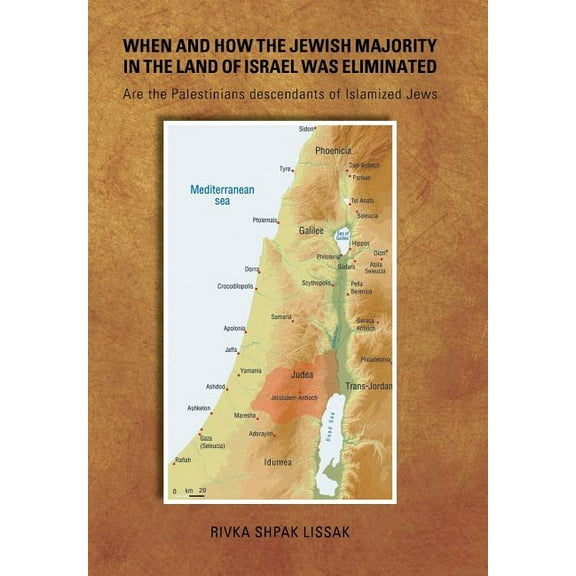 $3642current price $36.42
When And How The Jewish Majority In The
The City in Ancient Israel $32.67
 $3267current price $32.67
The City in Ancient Israel
Decolonising the Everyday: Palestinian Activism in Israel and the Politics of Sumud, (Paperback) $29.95
 $2995current price $29.95
Decolonising the Everyday: Palestinian Activism in Israel and the Politics of Sumud, (Paperback)
Israel on Trial: Examining the History, the Evidence, and the Law, (Hardcover) $32.00
 $3200current price $32.00
Israel on Trial: Examining the History, the Evidence, and the Law, (Hardcover)
The Parallel Histories of Israel and Palestine: Everything You Wanted to Know But Were Afraid to Ask, (Paperback) $20.99
 $2099current price $20.99
The Parallel Histories of Israel and Palestine: Everything You Wanted to Know But Were Afraid to Ask, (Paperback)
The Collapse of Israel from Within, (Paperback) $36.00
 $3600current price $36.00
The Collapse of Israel from Within, (Paperback)
Pictured Palestine, (Hardcover) $34.95
 $3495current price $34.95
Pictured Palestine, (Hardcover)
Palestine and Israel: Understanding Encounters, (Paperback) $26.52
 $2652current price $26.52
Palestine and Israel: Understanding Encounters, (Paperback)
New Hebrews, (Hardcover) $19.65 Was $32.65
 $1965current price $19.65, Was $32.65$32.65
New Hebrews, (Hardcover)
Pictured Palestine, (Paperback) $23.95
 $2395current price $23.95
Pictured Palestine, (Paperback)
Israel/Palestine and the Politics of a Two-State Solution (Paperback) $34.12
 $3412current price $34.12
Israel/Palestine and the Politics of a Two-State Solution (Paperback)
-NA- $25.95
 $2595current price $25.95
-NA-
Crossing Over, (Paperback) $18.98
 $1898current price $18.98
Crossing Over, (Paperback)
Cultures of History Nakba: Palestine, 1948, and the Claims of Memory, (Paperback) $36.09
 $3609current price $36.09
Cultures of History Nakba: Palestine, 1948, and the Claims of Memory, (Paperback)
Israel: What Went Wrong?, (Hardcover) $28.00
 $2800current price $28.00
Israel: What Went Wrong?, (Hardcover)
Israel, a Personal History, (Paperback) $17.99
 $1799current price $17.99
Israel, a Personal History, (Paperback)
Palestinian Resistance Literature Under Occupation, 1948-1968, (Paperback) $24.95
 $2495current price $24.95
Palestinian Resistance Literature Under Occupation, 1948-1968, (Paperback)
The Idea of Israel: A History of Power and Knowledge, (Paperback) $21.15
 $2115current price $21.15
The Idea of Israel: A History of Power and Knowledge, (Paperback)
Fire in Every Direction: A Memoir, (Hardcover) $22.14 Was $24.72
 $2214current price $22.14, Was $24.72$24.72
Fire in Every Direction: A Memoir, (Hardcover)
La Roumanie et les Juifs (Paperback) $25.95
 $2595current price $25.95
La Roumanie et les Juifs (Paperback)
Customer ratings & reviews
0 ratings|0 reviews
This item does not have any reviews yet

Related pages
- Methodist College North Carolina
- Zionist Organization Of America
- Political Reference Books
- Palestine Origins
- Israel Tunnels Israel Palestine History Books
- Wesleyan University Press
- Political Essay Books
- Environmental Policy Books
- Best Sellers In History Of Israel Palestine
- Local American Government Political Books
- Social Policy Books
- Constitution Political Books