


Hero image 0 of Jazz Up Your Japanese with Onomatopoeia : For All Levels (Paperback), 0 of 2
Jazz Up Your Japanese with Onomatopoeia : For All Levels (Paperback)
(No ratings yet)
Key item features
Onomatopoeia is one of the most outstanding features of the Japanese language. Its acquisition is essential for students who wish to speak (or understand) natural Japanese, read literature or manga, or watch anime in the original. The problem is that Japanese onomatopoeic words are so different from their English equivalents (words such as pop, bang, splat, and squeak) that they are extremely hard to remember and put into practice.
The book begins with an introduction that outlines what "onomatopoeia" means in both English and Japanese. It covers sound and meaning in general, onomatopoeia in English, sound symbolism in English and Japanese, Japanese onomatopoeia and mimesis, types of Japanese onomatopoeia, grammatical functions of Japanese onomatopoeia, Japanese written forms, and how new Japanese onomatopoeic words are formed (for example, in manga).
This introductory material is all-important, for without the overall picture it presents, students are forced to learn Japanese onomatopoeia by rote, one word at a time, as if each was unique unto itself, as if each had no logical connection with any other word, and as if Japanese onomatopoeia was a huge, ugly hodgepodge instead of the beautiful, well-organized microcosm that it is.
However, this introduction alone would not suffice to produce fluency. Onomatopoeia must be seen in action for that to happen. This is done in the second part of the book, which consists of eleven situational dialogues that allow students to eavesdrop on Japanese speaking the way they do in real life. The dialogues are given in Japanese script (with furigana over all kanji), romanization, and English translation. Each example of onomatopoeia that appears in the dialogue has its own commentary, including definitions, usage, and two or more sample sentences. Cultural notes are given when they help to clarify the situation presented in the dialogue. Each dialogue is followed by a quiz.
With its edifying introduction and lively dialogues, Jazz Up Your Japanese with Onomatopoeia: For All Levels will, without a doubt, help students come to grips with this intriguing aspect of the Japanese language, whether they be intermediate students who can benefit from seeing onomatopoeia used in a variety of situations or beginning students who, as they slowly add new onomatopoeia to their vocabulary, will profit from seeing how these words fit into a larger, fully developed scheme. The book will also, whatever the level, make Japanese much more fun to study.
Previously published in Kodansha International’s Power Japanese series under the title Flip, Slither, & Bang: Japanese Sound and Action Words (1993). Now with a new introduction and quizzes.
The book begins with an introduction that outlines what "onomatopoeia" means in both English and Japanese. It covers sound and meaning in general, onomatopoeia in English, sound symbolism in English and Japanese, Japanese onomatopoeia and mimesis, types of Japanese onomatopoeia, grammatical functions of Japanese onomatopoeia, Japanese written forms, and how new Japanese onomatopoeic words are formed (for example, in manga).
This introductory material is all-important, for without the overall picture it presents, students are forced to learn Japanese onomatopoeia by rote, one word at a time, as if each was unique unto itself, as if each had no logical connection with any other word, and as if Japanese onomatopoeia was a huge, ugly hodgepodge instead of the beautiful, well-organized microcosm that it is.
However, this introduction alone would not suffice to produce fluency. Onomatopoeia must be seen in action for that to happen. This is done in the second part of the book, which consists of eleven situational dialogues that allow students to eavesdrop on Japanese speaking the way they do in real life. The dialogues are given in Japanese script (with furigana over all kanji), romanization, and English translation. Each example of onomatopoeia that appears in the dialogue has its own commentary, including definitions, usage, and two or more sample sentences. Cultural notes are given when they help to clarify the situation presented in the dialogue. Each dialogue is followed by a quiz.
With its edifying introduction and lively dialogues, Jazz Up Your Japanese with Onomatopoeia: For All Levels will, without a doubt, help students come to grips with this intriguing aspect of the Japanese language, whether they be intermediate students who can benefit from seeing onomatopoeia used in a variety of situations or beginning students who, as they slowly add new onomatopoeia to their vocabulary, will profit from seeing how these words fit into a larger, fully developed scheme. The book will also, whatever the level, make Japanese much more fun to study.
Previously published in Kodansha International’s Power Japanese series under the title Flip, Slither, & Bang: Japanese Sound and Action Words (1993). Now with a new introduction and quizzes.
Specs
- Book formatPaperback
- Fiction/nonfictionNon-Fiction
- Publication dateNovember, 2012
- Pages240
- Edition2 : 2nd ed.
- PublisherKodansha USA
Current price is USD$18.30
Price when purchased online
Out of stock
How do you want your item?
Out of stock
About this item
Product details
Onomatopoeia is one of the most outstanding features of the Japanese language. Its acquisition is essential for students who wish to speak (or understand) natural Japanese, read literature or manga, or watch anime in the original. The problem is that Japanese onomatopoeic words are so different from their English equivalents (words such as pop, bang, splat, and squeak) that they are extremely hard to remember and put into practice. The book begins with an introduction that outlines what "onomatopoeia" means in both English and Japanese. It covers sound and meaning in general, onomatopoeia in English, sound symbolism in English and Japanese, Japanese onomatopoeia and mimesis, types of Japanese onomatopoeia, grammatical functions of Japanese onomatopoeia, Japanese written forms, and how new Japanese onomatopoeic words are formed (for example, in manga). This introductory material is all-important, for without the overall picture it presents, students are forced to learn Japanese onomatopoeia by rote, one word at a time, as if each was unique unto itself, as if each had no logical connection with any other word, and as if Japanese onomatopoeia was a huge, ugly hodgepodge instead of the beautiful, well-organized microcosm that it is. However, this introduction alone would not suffice to produce fluency. Onomatopoeia must be seen in action for that to happen. This is done in the second part of the book, which consists of eleven situational dialogues that allow students to eavesdrop on Japanese speaking the way they do in real life. The dialogues are given in Japanese script (with furigana over all kanji), romanization, and English translation. Each example of onomatopoeia that appears in the dialogue has its own commentary, including definitions, usage, and two or more sample sentences. Cultural notes are given when they help to clarify the situation presented in the dialogue. Each dialogue is followed by a quiz. With its edifying introduction and lively dialogues, Jazz Up Your Japanese with Onomatopoeia For All Levels will, without a doubt, help students come to grips with this intriguing aspect of the Japanese language, whether they be intermediate students who can benefit from seeing onomatopoeia used in a variety of situations or beginning students who, as they slowly add new onomatopoeia to their vocabulary, will profit from seeing how these words fit into a larger, fully developed scheme. The book will also, whatever the level, make Japanese much more fun to study. Previously published in Kodansha International's Power Japanese series under the title Flip, Slither, & Bang: Japanese Sound and Action Words (1993). Now with a new introduction and quizzes.
Onomatopoeia is one of the most outstanding features of the Japanese language. Its acquisition is essential for students who wish to speak (or understand) natural Japanese, read literature or manga, or watch anime in the original. The problem is that Japanese onomatopoeic words are so different from their English equivalents (words such as pop, bang, splat, and squeak) that they are extremely hard to remember and put into practice.
The book begins with an introduction that outlines what "onomatopoeia" means in both English and Japanese. It covers sound and meaning in general, onomatopoeia in English, sound symbolism in English and Japanese, Japanese onomatopoeia and mimesis, types of Japanese onomatopoeia, grammatical functions of Japanese onomatopoeia, Japanese written forms, and how new Japanese onomatopoeic words are formed (for example, in manga).
This introductory material is all-important, for without the overall picture it presents, students are forced to learn Japanese onomatopoeia by rote, one word at a time, as if each was unique unto itself, as if each had no logical connection with any other word, and as if Japanese onomatopoeia was a huge, ugly hodgepodge instead of the beautiful, well-organized microcosm that it is.
However, this introduction alone would not suffice to produce fluency. Onomatopoeia must be seen in action for that to happen. This is done in the second part of the book, which consists of eleven situational dialogues that allow students to eavesdrop on Japanese speaking the way they do in real life. The dialogues are given in Japanese script (with furigana over all kanji), romanization, and English translation. Each example of onomatopoeia that appears in the dialogue has its own commentary, including definitions, usage, and two or more sample sentences. Cultural notes are given when they help to clarify the situation presented in the dialogue. Each dialogue is followed by a quiz.
With its edifying introduction and lively dialogues, Jazz Up Your Japanese with Onomatopoeia: For All Levels will, without a doubt, help students come to grips with this intriguing aspect of the Japanese language, whether they be intermediate students who can benefit from seeing onomatopoeia used in a variety of situations or beginning students who, as they slowly add new onomatopoeia to their vocabulary, will profit from seeing how these words fit into a larger, fully developed scheme. The book will also, whatever the level, make Japanese much more fun to study.
Previously published in Kodansha International’s Power Japanese series under the title Flip, Slither, & Bang: Japanese Sound and Action Words (1993). Now with a new introduction and quizzes.
The book begins with an introduction that outlines what "onomatopoeia" means in both English and Japanese. It covers sound and meaning in general, onomatopoeia in English, sound symbolism in English and Japanese, Japanese onomatopoeia and mimesis, types of Japanese onomatopoeia, grammatical functions of Japanese onomatopoeia, Japanese written forms, and how new Japanese onomatopoeic words are formed (for example, in manga).
This introductory material is all-important, for without the overall picture it presents, students are forced to learn Japanese onomatopoeia by rote, one word at a time, as if each was unique unto itself, as if each had no logical connection with any other word, and as if Japanese onomatopoeia was a huge, ugly hodgepodge instead of the beautiful, well-organized microcosm that it is.
However, this introduction alone would not suffice to produce fluency. Onomatopoeia must be seen in action for that to happen. This is done in the second part of the book, which consists of eleven situational dialogues that allow students to eavesdrop on Japanese speaking the way they do in real life. The dialogues are given in Japanese script (with furigana over all kanji), romanization, and English translation. Each example of onomatopoeia that appears in the dialogue has its own commentary, including definitions, usage, and two or more sample sentences. Cultural notes are given when they help to clarify the situation presented in the dialogue. Each dialogue is followed by a quiz.
With its edifying introduction and lively dialogues, Jazz Up Your Japanese with Onomatopoeia: For All Levels will, without a doubt, help students come to grips with this intriguing aspect of the Japanese language, whether they be intermediate students who can benefit from seeing onomatopoeia used in a variety of situations or beginning students who, as they slowly add new onomatopoeia to their vocabulary, will profit from seeing how these words fit into a larger, fully developed scheme. The book will also, whatever the level, make Japanese much more fun to study.
Previously published in Kodansha International’s Power Japanese series under the title Flip, Slither, & Bang: Japanese Sound and Action Words (1993). Now with a new introduction and quizzes.
info:
We aim to show you accurate product information. Manufacturers, suppliers and others provide what you see here, and we have not verified it.
Specifications
Book format
Paperback
Fiction/nonfiction
Non-Fiction
Genre
Foreign Language Study/Japanese
Publication date
November, 2012
Warranty
Warranty information
Please be aware that the warranty terms on items offered for sale by third party Marketplace sellers may differ from those displayed in this section (if any). To confirm warranty terms on an item offered for sale by a third party Marketplace seller, please use the 'Contact seller' feature on the third party Marketplace seller's information page and request the item's warranty terms prior to purchase.
Similar items you might like
Based on what customers bought
Wadaiko : An Introduction to the Sounds and Rhythms of Japanese (Paperback) $17.66 Was $19.95
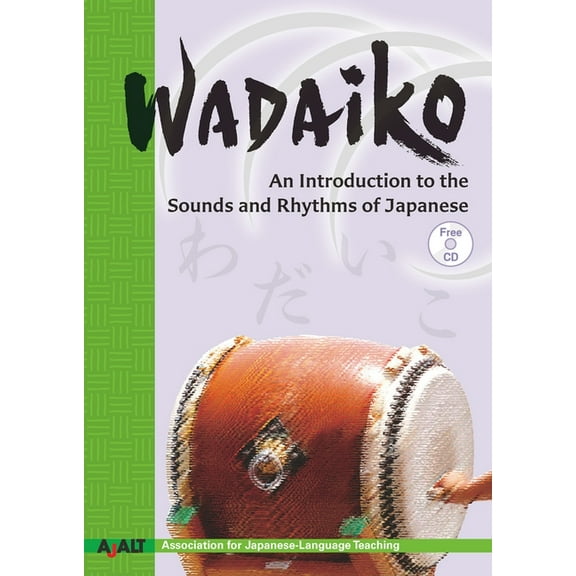 $1766current price $17.66, Was $19.95$19.95
Wadaiko : An Introduction to the Sounds and Rhythms of Japanese (Paperback)
Burkhard Höfler,Haruto Ryo Ibitsu 1 (Paperback) $18.23
 $1823current price $18.23
Burkhard Höfler,Haruto Ryo Ibitsu 1 (Paperback)
Sayonara, My Sweet, (Paperback) $16.95
 $1695current price $16.95
Sayonara, My Sweet, (Paperback)
Imperfect Strangers: An Inspector Inoue mystery, (Paperback) $15.00
 $1500current price $15.00
Imperfect Strangers: An Inspector Inoue mystery, (Paperback)
A Japanese Conversation Course, (Paperback) $15.95
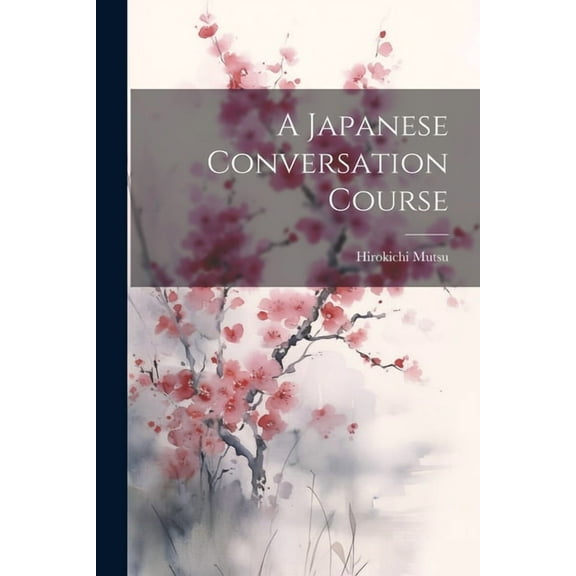 $1595current price $15.95
A Japanese Conversation Course, (Paperback)
Four Hours to Basic Japanese: Kiso Nihongo Yo Jikan (Paperback) $11.95
 $1195current price $11.95
Four Hours to Basic Japanese: Kiso Nihongo Yo Jikan (Paperback)
Womansword: What Japanese Words Say about Women (Paperback) $17.34
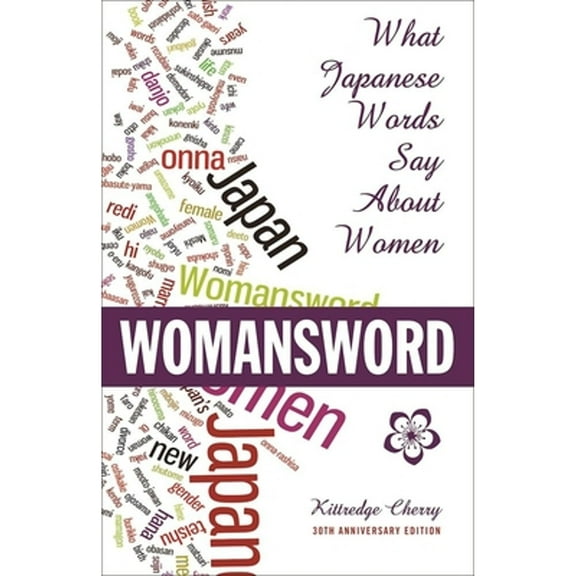 $1734current price $17.34
Womansword: What Japanese Words Say about Women (Paperback)
Pre-Owned Hinamatsuri Volume 18 (Paperback) 1642732354 9781642732351 $9.89 Was $13.11
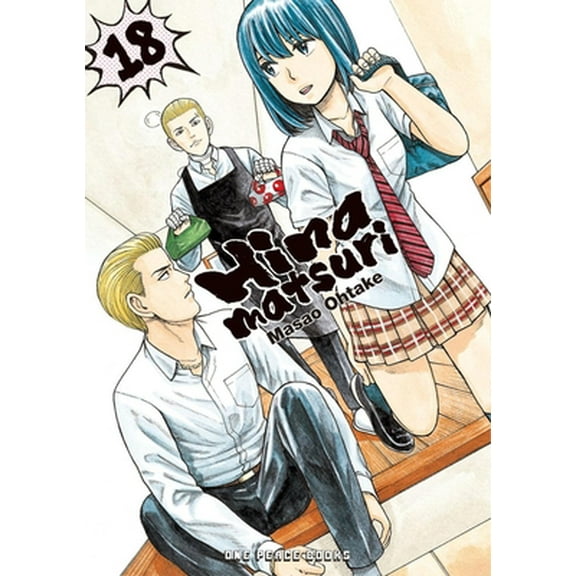 $989current price $9.89, Was $13.11$13.11
Pre-Owned Hinamatsuri Volume 18 (Paperback) 1642732354 9781642732351
Pre-Owned The Celtic Baby Names Book (Paperback) 0091912709 9780091912703 $9.48 Was $11.44
 2 optionsAvailable in additional 2 options$948current price $9.48, Was $11.44$11.44
Pre-Owned The Celtic Baby Names Book (Paperback) 0091912709 9780091912703
Ten Moments That Shaped Tokyo, (Paperback) $20.11
 $2011current price $20.11
Ten Moments That Shaped Tokyo, (Paperback)
Best seller Enemies to Lovers: a Romantasy Coloring Book, 120 pages (Paperback) $11.48
Best seller $1148current price $11.48
Enemies to Lovers: a Romantasy Coloring Book, 120 pages (Paperback)
324.3 out of 5 Stars. 32 reviewsSantanchya Goshti, (Paperback) $12.99
 $1299current price $12.99
Santanchya Goshti, (Paperback)
A Short History of the Dai-ichi Ginko (Paperback) $15.95
 $1595current price $15.95
A Short History of the Dai-ichi Ginko (Paperback)
Tokyo Noir (Spanish Edition) (Paperback) by Jake Adelstein $13.80
 $1380current price $13.80
Tokyo Noir (Spanish Edition) (Paperback) by Jake Adelstein
Japanese Heraldry Paperback 1162937394 9781162937397 Thomas R. H. McClatchie $18.95
 $1895current price $18.95
Japanese Heraldry Paperback 1162937394 9781162937397 Thomas R. H. McClatchie
Things to Know Before Your Adventure to Japan, (Paperback) $11.60
 $1160current price $11.60
Things to Know Before Your Adventure to Japan, (Paperback)
Le Néflier Du Japon (Paperback) $13.08
 $1308current price $13.08
Le Néflier Du Japon (Paperback)
Les Laques Et La Céramique Du Japon, (Paperback) $17.95
 $1795current price $17.95
Les Laques Et La Céramique Du Japon, (Paperback)
aah . . . The Pleasure Book, (Paperback) $18.61
 $1861current price $18.61
aah . . . The Pleasure Book, (Paperback)

Customer ratings & reviews
0 ratings|0 reviews
This item does not have any reviews yet
