

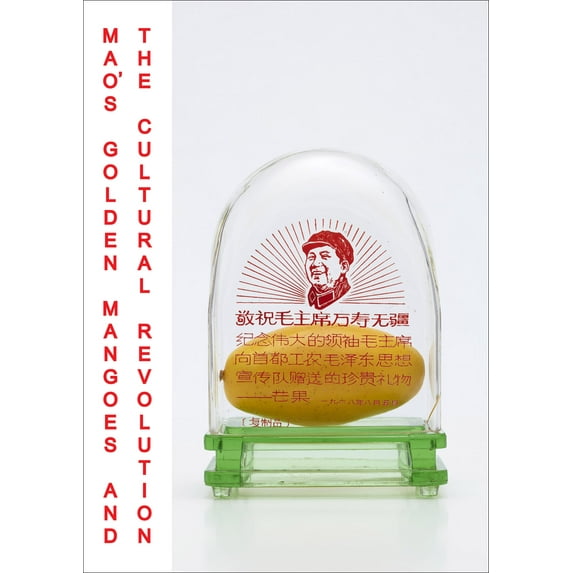
Hero image 0 of Mao's Golden Mangoes and the Cultural Revolution (Hardcover), 0 of 1
Mao's Golden Mangoes and the Cultural Revolution (Hardcover)
(No ratings yet)
Key item features
In August 1968, the Pakistani foreign minister visited Beijing and presented Chairman Mao Zedong with a crate of mangoes as a diplomatic gesture. The next day, Mao sent the mangoes to the “Worker-Peasant Mao Zedong though Propaganda Teams,” who had been stationed at Quinghua University to put down warring factions of Red Guards ten days previously. The message of this gift was to dismiss the Student Red Guards, who had been leaders of the proletarian movement in China, and in their stead to install workers as the permanent guardians of China’s education system. During the following weeks, the mangoes were distributed to several factories, where they were treated as though they were religious relics. The golden mango was thus a powerful emblem of the power and respect accorded to the proletariat under Mao’s rule.
Mao’s Gold Mangoes and the Cultural Revolution is the catalog for an exhibition of the same title at the Museum Rietberg in Zürich, which explores the golden mangoes’ reverberations throughout Chinese culture for years to come. Included texts focus on the historical narrative of the golden mangoes’ rise to fame; first-person accounts of both students and factory workers; an examination the National Day Parade in 1968, which used the symbol of the mangoes prominently; a critical essay on the 1976 film The Song of the Mango; and an in-depth comparative study of working conditions in China from the late 1960s and today.
Specs
- Manual & guide typeInstruction Manual
- Book formatHardcover
- Pages248
- LanguageEnglish
- BrandAlfreda Murck
- Pub date2013-05-15
Current price is USD$34.45
Price when purchased online
Out of stock
How do you want your item?
Out of stock
About this item
Product details
In August 1968, the Pakistani foreign minister visited Beijing and presented Chairman Mao Zedong with a crate of mangoes as a diplomatic gesture. The next day, Mao sent the mangoes to the "Worker-Peasant Mao Zedong though Propaganda Teams," who had been stationed at Quinghua University to put down warring factions of Red Guards ten days previously. The message of this gift was to dismiss the Student Red Guards, who had been leaders of the proletarian movement in China, and in their stead to install workers as the permanent guardians of China's education system. During the following weeks, the mangoes were distributed to several factories, where they were treated as though they were religious relics. The golden mango was thus a powerful emblem of the power and respect accorded to the proletariat under Mao's rule.
Mao's Gold Mangoes and the Cultural Revolution is the catalog for an exhibition of the same title at the Museum Rietberg in Zürich, which explores the golden mangoes' reverberations throughout Chinese culture for years to come. Included texts focus on the historical narrative of the golden mangoes' rise to fame; first-person accounts of both students and factory workers; an examination the National Day Parade in 1968, which used the symbol of the mangoes prominently; a critical essay on the 1976 film The Song of the Mango; and an in-depth comparative study of working conditions in China from the late 1960s and today.
Mao's Gold Mangoes and the Cultural Revolution is the catalog for an exhibition of the same title at the Museum Rietberg in Zürich, which explores the golden mangoes' reverberations throughout Chinese culture for years to come. Included texts focus on the historical narrative of the golden mangoes' rise to fame; first-person accounts of both students and factory workers; an examination the National Day Parade in 1968, which used the symbol of the mangoes prominently; a critical essay on the 1976 film The Song of the Mango; and an in-depth comparative study of working conditions in China from the late 1960s and today.
In August 1968, the Pakistani foreign minister visited Beijing and presented Chairman Mao Zedong with a crate of mangoes as a diplomatic gesture. The next day, Mao sent the mangoes to the “Worker-Peasant Mao Zedong though Propaganda Teams,” who had been stationed at Quinghua University to put down warring factions of Red Guards ten days previously. The message of this gift was to dismiss the Student Red Guards, who had been leaders of the proletarian movement in China, and in their stead to install workers as the permanent guardians of China’s education system. During the following weeks, the mangoes were distributed to several factories, where they were treated as though they were religious relics. The golden mango was thus a powerful emblem of the power and respect accorded to the proletariat under Mao’s rule.
Mao’s Gold Mangoes and the Cultural Revolution is the catalog for an exhibition of the same title at the Museum Rietberg in Zürich, which explores the golden mangoes’ reverberations throughout Chinese culture for years to come. Included texts focus on the historical narrative of the golden mangoes’ rise to fame; first-person accounts of both students and factory workers; an examination the National Day Parade in 1968, which used the symbol of the mangoes prominently; a critical essay on the 1976 film The Song of the Mango; and an in-depth comparative study of working conditions in China from the late 1960s and today.
info:
We aim to show you accurate product information. Manufacturers, suppliers and others provide what you see here, and we have not verified it.
Specifications
Manual & guide type
Instruction Manual
Book format
Hardcover
Pages
248
Language
English
Warranty
Warranty information
Please be aware that the warranty terms on items offered for sale by third party Marketplace sellers may differ from those displayed in this section (if any). To confirm warranty terms on an item offered for sale by a third party Marketplace seller, please use the 'Contact seller' feature on the third party Marketplace seller's information page and request the item's warranty terms prior to purchase.
Similar items you might like
Based on what customers bought
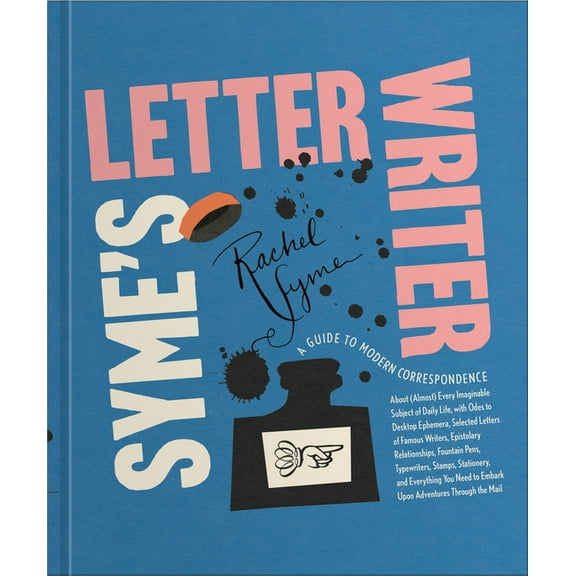
Syme's Letter Writer: A Guide to Modern Correspondence about (Almost) Every Imaginable Subject of Daily Life, with Odes , (Hardcover) $29.84
 $2984current price $29.84
Syme's Letter Writer: A Guide to Modern Correspondence about (Almost) Every Imaginable Subject of Daily Life, with Odes , (Hardcover)
Cultural Memory in the Present: Mourning Sickness : Hegel and the French Revolution (Paperback) $21.51
 $2151current price $21.51
Cultural Memory in the Present: Mourning Sickness : Hegel and the French Revolution (Paperback)
Myvillages: International Village Show (Hardcover) $41.68
 $4168current price $41.68
Myvillages: International Village Show (Hardcover)
Ma Frump's Cultural Guide to Instant Intellectualism, (Paperback) $14.56
 $1456current price $14.56
Ma Frump's Cultural Guide to Instant Intellectualism, (Paperback)
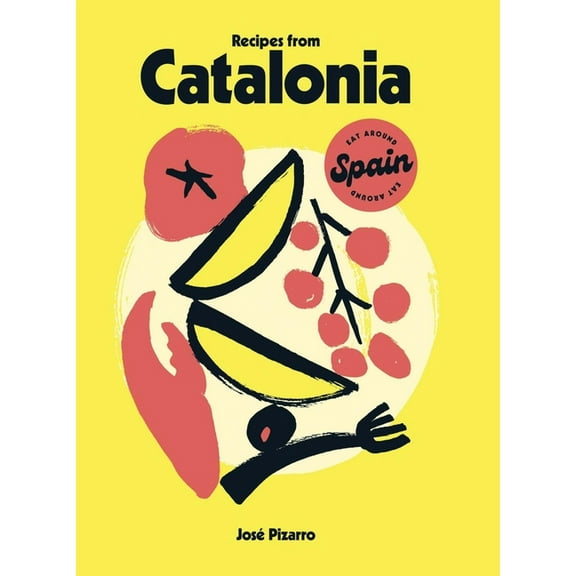
Recipes from Catalonia, (Hardcover) $17.50
 $1750current price $17.50
Recipes from Catalonia, (Hardcover)
Wiener Slawistischer Almanach - Sonderbände: An Introduction to Ukrainian Dialectology (Hardcover) $40.60
 $4060current price $40.60
Wiener Slawistischer Almanach - Sonderbände: An Introduction to Ukrainian Dialectology (Hardcover)
Das Wanderbuch eines Schwermüthigen. T. 1-2; Zweiter Theil (Hardcover) $34.95
 $3495current price $34.95
Das Wanderbuch eines Schwermüthigen. T. 1-2; Zweiter Theil (Hardcover)
Anthrozoology: Embracing Co-Existence in the Anthropocene, (Hardcover) $48.19
 $4819current price $48.19
Anthrozoology: Embracing Co-Existence in the Anthropocene, (Hardcover)
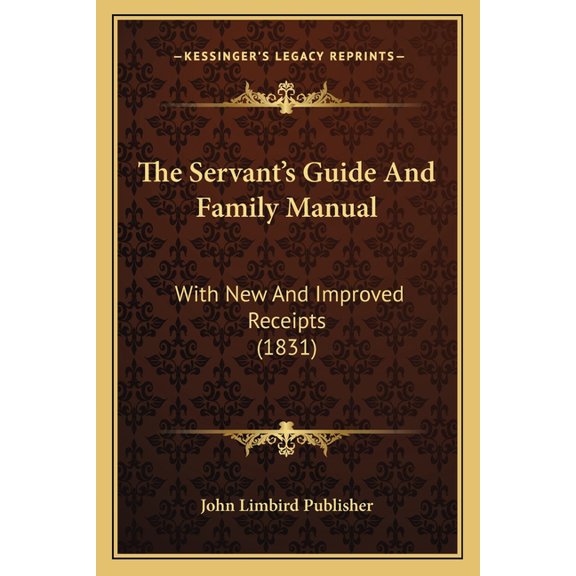
The Servant's Guide And Family Manual: With New And Improved Receipts (1831), (Paperback) $32.94
 $3294current price $32.94
The Servant's Guide And Family Manual: With New And Improved Receipts (1831), (Paperback)
Dispatches from the Piazza: A Guide to Life on the Mediterranean, (Hardcover) $22.00
 $2200current price $22.00
Dispatches from the Piazza: A Guide to Life on the Mediterranean, (Hardcover)
The Dirty Colors of Growth : China's Huai River $33.41
 $3341current price $33.41
The Dirty Colors of Growth : China's Huai River
Grimanesa Amorós : Ocupante (Hardcover) $40.03
 $4003current price $40.03
Grimanesa Amorós : Ocupante (Hardcover)
Enactments: Beijing Xingwei : Contemporary Chinese Time-based Art (Paperback) $40.00
 $4000current price $40.00
Enactments: Beijing Xingwei : Contemporary Chinese Time-based Art (Paperback)
Advances in Semiotics Analyzing Cultures: An Introduction and Handbook, (Paperback) $34.15
 $3415current price $34.15
Advances in Semiotics Analyzing Cultures: An Introduction and Handbook, (Paperback)
The Greek Kitchen, (Hardcover) $25.31
 $2531current price $25.31
The Greek Kitchen, (Hardcover)
Deep Story: A Complete Guide for Creating Transformational Visitor Attractions, (Paperback) $29.95
 $2995current price $29.95
Deep Story: A Complete Guide for Creating Transformational Visitor Attractions, (Paperback)
My Mother's Cookbook, (Hardcover) $34.38 Was $38.38
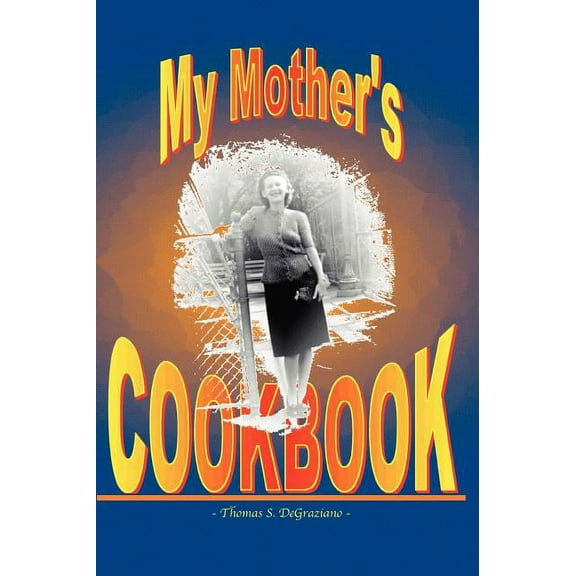 $3438current price $34.38, Was $38.38$38.38
My Mother's Cookbook, (Hardcover)
Two Billion Eyes: The Story of China Central Television, (Hardcover) $13.96
 $1396current price $13.96
Two Billion Eyes: The Story of China Central Television, (Hardcover)
Pre-Owned Antoni: Let's Do Dinner (Hardcover) 0358395321 9780358395324 $4.62 2.1 ¢/lb
 $462current price $4.622.1 ¢/lb
Pre-Owned Antoni: Let's Do Dinner (Hardcover) 0358395321 9780358395324
Customer ratings & reviews
0 ratings|0 reviews
This item does not have any reviews yet
