


Hero image 0 of The Secret History of the Hell-Fire Clubs : From Rabelais and John Dee to Anton LaVey and Timothy Leary (Edition 4) (Paperback), 0 of 1
The Secret History of the Hell-Fire Clubs : From Rabelais and John Dee to Anton LaVey and Timothy Leary (Edition 4) (Paperback)
(No ratings yet)
Key item features
An exploration of the origins, influences, and legacy of the scandalous Hell-Fire Clubs of the 18th century and beyond
• Reveals the club’s origins in the work of Rabelais and the magical practices of John Dee and how their motto, “Do What You Will,” deeply influenced Aleister Crowley
• Explores the cross-fertilization of liberty and libertinage within these clubs that influenced both U.S. and French Revolutions
• Examines the debaucherous activities and famous members of many Hell-Fire Clubs, including Sir Francis Dashwood’s Monks of Medmenham
Mention the Hell-Fire Clubs and you conjure up an image of aristocratic rakes cutting a swath through the village maidens. Which is true, but not the whole truth. The activities of these clubs of upper-class Englishmen revolved around not only debauchery but also blasphemy, ritual, quasi-magical pursuits, and political intrigue.
Providing a history of these infamous clubs, Geoffrey Ashe reveals their origins in the work of François Rabelais and the activities of John Dee. He shows how the Hell-Fire Clubs’ anything-goes philosophy of “Do what you will”--also Aleister Crowley’s famous motto--and community template were drawn directly from Rabelais. The author looks at the very first Hell-Fire Club, founded by Philip, Duke of Wharton, in 1720 and then at the Society of the Dilettanti, a fraternity formed in 1732. Ashe examines the life, travels, and influences of Sir Francis Dashwood, founding member of the Society of the Dilettanti and the scandalous Permissive Society at Medmenham, also known as the Monks of Medmenham. He also explores other Hell-Fire clubs the movement inspired throughout England, Scotland, and Ireland, including the violence-prone Mohocks and the Appalling Club. He shows how many illustrious figures of the day were members of these societies, such as Lord Byron. He also examines the rumors that Benjamin Franklin was a member, an allegation that can be neither confirmed nor denied.
Exploring the political and magical ideas that fueled this movement, the author shows how the cross-fertilization of liberty and libertinage within the Hell-Fire Clubs went on to influence both the U.S. and French revolutions, as well as the hippie movement of the 1960s, the Church of Satan founded by Anton LaVey, and the motorcycle club known as the Hells Angels. The legacy of the Hell-Fire Clubs continues to impact society, beckoning both elite and outsider to cast aside social norms and “do what you will.”
• Reveals the club’s origins in the work of Rabelais and the magical practices of John Dee and how their motto, “Do What You Will,” deeply influenced Aleister Crowley
• Explores the cross-fertilization of liberty and libertinage within these clubs that influenced both U.S. and French Revolutions
• Examines the debaucherous activities and famous members of many Hell-Fire Clubs, including Sir Francis Dashwood’s Monks of Medmenham
Mention the Hell-Fire Clubs and you conjure up an image of aristocratic rakes cutting a swath through the village maidens. Which is true, but not the whole truth. The activities of these clubs of upper-class Englishmen revolved around not only debauchery but also blasphemy, ritual, quasi-magical pursuits, and political intrigue.
Providing a history of these infamous clubs, Geoffrey Ashe reveals their origins in the work of François Rabelais and the activities of John Dee. He shows how the Hell-Fire Clubs’ anything-goes philosophy of “Do what you will”--also Aleister Crowley’s famous motto--and community template were drawn directly from Rabelais. The author looks at the very first Hell-Fire Club, founded by Philip, Duke of Wharton, in 1720 and then at the Society of the Dilettanti, a fraternity formed in 1732. Ashe examines the life, travels, and influences of Sir Francis Dashwood, founding member of the Society of the Dilettanti and the scandalous Permissive Society at Medmenham, also known as the Monks of Medmenham. He also explores other Hell-Fire clubs the movement inspired throughout England, Scotland, and Ireland, including the violence-prone Mohocks and the Appalling Club. He shows how many illustrious figures of the day were members of these societies, such as Lord Byron. He also examines the rumors that Benjamin Franklin was a member, an allegation that can be neither confirmed nor denied.
Exploring the political and magical ideas that fueled this movement, the author shows how the cross-fertilization of liberty and libertinage within the Hell-Fire Clubs went on to influence both the U.S. and French revolutions, as well as the hippie movement of the 1960s, the Church of Satan founded by Anton LaVey, and the motorcycle club known as the Hells Angels. The legacy of the Hell-Fire Clubs continues to impact society, beckoning both elite and outsider to cast aside social norms and “do what you will.”
Specs
- Book formatPaperback
- Fiction/nonfictionNon-Fiction
- GenreHealth, Mind & Body
- Publication dateOctober, 2019
- Pages304
- Reading levelGeneral
Current price is USD$16.91
Price when purchased online
- Free shipping
 Free 30-day returns
How do you want your item?
Ships to
Arrives between May 29 - Jun 5
|
Sold and shipped by newbookdeals
4.560344827586207 stars out of 5, based on 1972 seller reviews(4.6)1972 seller reviews

Free 30-day returns
More seller options (1)
Starting from $30.93
About this item
Product details
An exploration of the origins, influences, and legacy of the scandalous Hell-Fire Clubs of the 18th century and beyond - Reveals the club's origins in the work of Rabelais and the magical practices of John Dee and how their motto, "Do What You Will," deeply influenced Aleister Crowley - Explores the cross-fertilization of liberty and libertinage within these clubs that influenced both U.S. and French Revolutions - Examines the debaucherous activities and famous members of many Hell-Fire Clubs, including Sir Francis Dashwood's Monks of Medmenham Mention the Hell-Fire Clubs and you conjure up an image of aristocratic rakes cutting a swath through the village maidens. Which is true, but not the whole truth. The activities of these clubs of upper-class Englishmen revolved around not only debauchery but also blasphemy, ritual, quasi-magical pursuits, and political intrigue. Providing a history of these infamous clubs, Geoffrey Ashe reveals their origins in the work of François Rabelais and the activities of John Dee. He shows how the Hell-Fire Clubs' anything-goes philosophy of "Do what you will"--also Aleister Crowley's famous motto--and community template were drawn directly from Rabelais. The author looks at the very first Hell-Fire Club, founded by Philip, Duke of Wharton, in 1720 and then at the Society of the Dilettanti, a fraternity formed in 1732. Ashe examines the life, travels, and influences of Sir Francis Dashwood, founding member of the Society of the Dilettanti and the scandalous Permissive Society at Medmenham, also known as the Monks of Medmenham. He also explores other Hell-Fire clubs the movement inspired throughout England, Scotland, and Ireland, including the violence-prone Mohocks and the Appalling Club. He shows how many illustrious figures of the day were members of these societies, such as Lord Byron. He also examines the rumors that Benjamin Franklin was a member, an allegation that can be neither confirmed nor denied. Exploring the political and magical ideas that fueled this movement, the author shows how the cross-fertilization of liberty and libertinage within the Hell-Fire Clubs went on to influence both the U.S. and French revolutions, as well as the hippie movement of the 1960s, the Church of Satan founded by Anton LaVey, and the motorcycle club known as the Hells Angels. The legacy of the Hell-Fire Clubs continues to impact society, beckoning both elite and outsider to cast aside social norms and "do what you will."
An exploration of the origins, influences, and legacy of the scandalous Hell-Fire Clubs of the 18th century and beyond
• Reveals the club’s origins in the work of Rabelais and the magical practices of John Dee and how their motto, “Do What You Will,” deeply influenced Aleister Crowley
• Explores the cross-fertilization of liberty and libertinage within these clubs that influenced both U.S. and French Revolutions
• Examines the debaucherous activities and famous members of many Hell-Fire Clubs, including Sir Francis Dashwood’s Monks of Medmenham
Mention the Hell-Fire Clubs and you conjure up an image of aristocratic rakes cutting a swath through the village maidens. Which is true, but not the whole truth. The activities of these clubs of upper-class Englishmen revolved around not only debauchery but also blasphemy, ritual, quasi-magical pursuits, and political intrigue.
Providing a history of these infamous clubs, Geoffrey Ashe reveals their origins in the work of François Rabelais and the activities of John Dee. He shows how the Hell-Fire Clubs’ anything-goes philosophy of “Do what you will”--also Aleister Crowley’s famous motto--and community template were drawn directly from Rabelais. The author looks at the very first Hell-Fire Club, founded by Philip, Duke of Wharton, in 1720 and then at the Society of the Dilettanti, a fraternity formed in 1732. Ashe examines the life, travels, and influences of Sir Francis Dashwood, founding member of the Society of the Dilettanti and the scandalous Permissive Society at Medmenham, also known as the Monks of Medmenham. He also explores other Hell-Fire clubs the movement inspired throughout England, Scotland, and Ireland, including the violence-prone Mohocks and the Appalling Club. He shows how many illustrious figures of the day were members of these societies, such as Lord Byron. He also examines the rumors that Benjamin Franklin was a member, an allegation that can be neither confirmed nor denied.
Exploring the political and magical ideas that fueled this movement, the author shows how the cross-fertilization of liberty and libertinage within the Hell-Fire Clubs went on to influence both the U.S. and French revolutions, as well as the hippie movement of the 1960s, the Church of Satan founded by Anton LaVey, and the motorcycle club known as the Hells Angels. The legacy of the Hell-Fire Clubs continues to impact society, beckoning both elite and outsider to cast aside social norms and “do what you will.”
• Reveals the club’s origins in the work of Rabelais and the magical practices of John Dee and how their motto, “Do What You Will,” deeply influenced Aleister Crowley
• Explores the cross-fertilization of liberty and libertinage within these clubs that influenced both U.S. and French Revolutions
• Examines the debaucherous activities and famous members of many Hell-Fire Clubs, including Sir Francis Dashwood’s Monks of Medmenham
Mention the Hell-Fire Clubs and you conjure up an image of aristocratic rakes cutting a swath through the village maidens. Which is true, but not the whole truth. The activities of these clubs of upper-class Englishmen revolved around not only debauchery but also blasphemy, ritual, quasi-magical pursuits, and political intrigue.
Providing a history of these infamous clubs, Geoffrey Ashe reveals their origins in the work of François Rabelais and the activities of John Dee. He shows how the Hell-Fire Clubs’ anything-goes philosophy of “Do what you will”--also Aleister Crowley’s famous motto--and community template were drawn directly from Rabelais. The author looks at the very first Hell-Fire Club, founded by Philip, Duke of Wharton, in 1720 and then at the Society of the Dilettanti, a fraternity formed in 1732. Ashe examines the life, travels, and influences of Sir Francis Dashwood, founding member of the Society of the Dilettanti and the scandalous Permissive Society at Medmenham, also known as the Monks of Medmenham. He also explores other Hell-Fire clubs the movement inspired throughout England, Scotland, and Ireland, including the violence-prone Mohocks and the Appalling Club. He shows how many illustrious figures of the day were members of these societies, such as Lord Byron. He also examines the rumors that Benjamin Franklin was a member, an allegation that can be neither confirmed nor denied.
Exploring the political and magical ideas that fueled this movement, the author shows how the cross-fertilization of liberty and libertinage within the Hell-Fire Clubs went on to influence both the U.S. and French revolutions, as well as the hippie movement of the 1960s, the Church of Satan founded by Anton LaVey, and the motorcycle club known as the Hells Angels. The legacy of the Hell-Fire Clubs continues to impact society, beckoning both elite and outsider to cast aside social norms and “do what you will.”
info:
We aim to show you accurate product information. Manufacturers, suppliers and others provide what you see here, and we have not verified it.
Specifications
Book format
Paperback
Fiction/nonfiction
Non-Fiction
Genre
Health, Mind & Body
Publication date
October, 2019
Warranty
Warranty information
Please be aware that the warranty terms on items offered for sale by third party Marketplace sellers may differ from those displayed in this section (if any). To confirm warranty terms on an item offered for sale by a third party Marketplace seller, please use the 'Contact seller' feature on the third party Marketplace seller's information page and request the item's warranty terms prior to purchase.
Warnings
State Chemical Disclosure
None
Similar items you might like
Based on what customers bought
Lenin as Philosopher (Paperback) $18.18 Was $21.62
 $1818current price $18.18, Was $21.62$21.62
Lenin as Philosopher (Paperback)
Pre-Owned The Alchemist[ THE ALCHEMIST ] By Coelho, Paulo ( Author )Apr-25-2006 Paperback (Paperback) 0061233846 9780061233845 $6.47 Was $7.34
![Pre-Owned The Alchemist[ THE ALCHEMIST ] By Coelho, Paulo ( Author )Apr-25-2006 Paperback (Paperback) 0061233846 9780061233845](https://i5.walmartimages.com/asr/e3b8522d-0949-4aea-96aa-30490fc1ec1e.ef0d83ee6b9a7ee7c058c62de152a496.jpeg?odnHeight=576&odnWidth=576&odnBg=FFFFFF) $647current price $6.47, Was $7.34$7.34
$647current price $6.47, Was $7.34$7.34Pre-Owned The Alchemist[ THE ALCHEMIST ] By Coelho, Paulo ( Author )Apr-25-2006 Paperback (Paperback) 0061233846 9780061233845
The Nine Gates: A Book of Diabolist Philosophy, (Paperback) $23.52
 $2352current price $23.52
The Nine Gates: A Book of Diabolist Philosophy, (Paperback)
Elements in the Philosophy of Ludwig Wit Wittgenstein and Russell, (Paperback) $16.92
 $1692current price $16.92
Elements in the Philosophy of Ludwig Wit Wittgenstein and Russell, (Paperback)
Wiley Investment Classics Only Yesterday: An Informal History of the 1920's, Book 12, (Paperback) $31.10
 $3110current price $31.10
Wiley Investment Classics Only Yesterday: An Informal History of the 1920's, Book 12, (Paperback)
Loving Education Steampreneurship: Through Interdisciplinary Experiential Entrepreneurship, Book 6, (Paperback) $17.04
 $1704current price $17.04
Loving Education Steampreneurship: Through Interdisciplinary Experiential Entrepreneurship, Book 6, (Paperback)
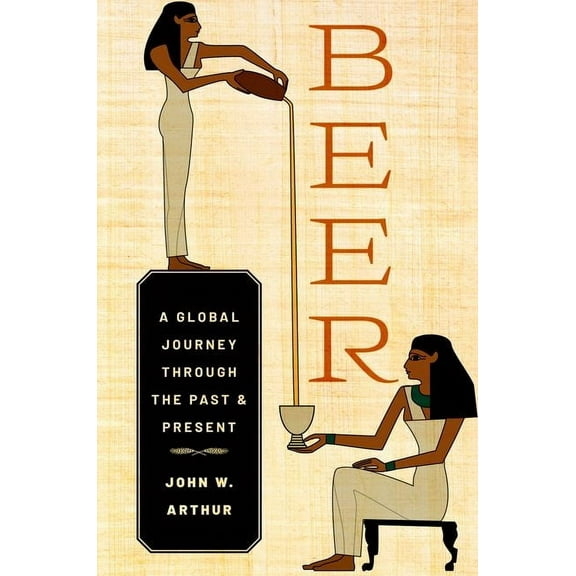
Beer: A Global Journey Through the Past and Present, (Paperback) $17.92
 $1792current price $17.92
Beer: A Global Journey Through the Past and Present, (Paperback)
Putnam's Handy Law Book for the Layman, (Paperback) $24.83
 $2483current price $24.83
Putnam's Handy Law Book for the Layman, (Paperback)
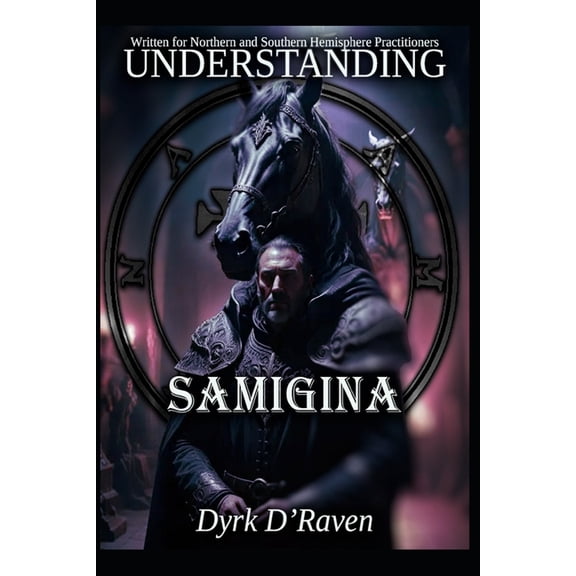
Understanding Samigina, (Paperback) $13.00
 $1300current price $13.00
Understanding Samigina, (Paperback)
Corridors of Deceit: The World of John le Carré, (Paperback) $16.92
 $1692current price $16.92
Corridors of Deceit: The World of John le Carré, (Paperback)
Modern Library Classics: The Essential Words and Writings of Clarence Darrow (Paperback) $11.27
 $1127current price $11.27
Modern Library Classics: The Essential Words and Writings of Clarence Darrow (Paperback)
Elements in the Philosophy of Martin Hei Heidegger on Religion, (Paperback) $16.75
 $1675current price $16.75
Elements in the Philosophy of Martin Hei Heidegger on Religion, (Paperback)
The History Of Sinbad And The Seven Wise Masters, (Paperback) $19.08
 $1908current price $19.08
The History Of Sinbad And The Seven Wise Masters, (Paperback)
Magus The Magus Book 2: A Complete System of Occult Philosophy, Book 02, (Paperback) $16.19
 $1619current price $16.19
Magus The Magus Book 2: A Complete System of Occult Philosophy, Book 02, (Paperback)
Hackett Classics: A Presocratics Reader : Selected Fragments and Testimonia (Edition 2) (Paperback) $24.56
 $2456current price $24.56
Hackett Classics: A Presocratics Reader : Selected Fragments and Testimonia (Edition 2) (Paperback)
Memoirs of the Dutch Underground 1940 - 1945 - Why me? (Paperback) $16.25
 $1625current price $16.25
Memoirs of the Dutch Underground 1940 - 1945 - Why me? (Paperback)
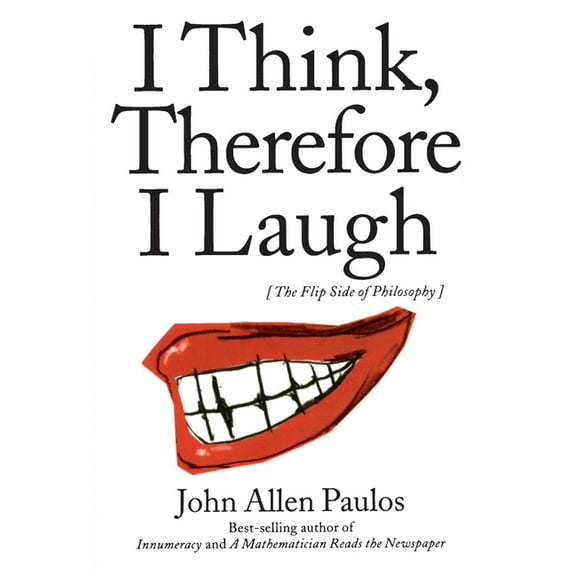
I Think, Therefore I Laugh: The Flip Side of Philosophy, (Paperback) $19.49
 $1949current price $19.49
I Think, Therefore I Laugh: The Flip Side of Philosophy, (Paperback)
Sheringtons: A History, (Paperback) $18.99
 $1899current price $18.99
Sheringtons: A History, (Paperback)


Customer ratings & reviews
0 ratings|0 reviews
This item does not have any reviews yet

Related pages
- Walking Wounded
- Burn Man
- John W Hales
- Fighters Generation
- Weymouth (mass )
- John T Smith
- Criminals & Outlaws Biographies & Memoirs
- Law Enforcement Biographies & Memoirs
- Holocaust History Books
- Military Biographies & Memoirs
- General Biographies & Memoirs
- General Biography & Autobiography Teen & Young Adult Books