


Hero image 0 of The Republic of Zimbabwe: The History and Legacy of the Nation Since Its Independence from the (Paperback) by Charles River, 0 of 1
The Republic of Zimbabwe: The History and Legacy of the Nation Since Its Independence from the (Paperback) by Charles River
(No ratings yet)
Key item features
The Republic of Zimbabwe (Paperback)
Specs
- Book formatPaperback
- Fiction/nonfictionNon-Fiction
- GenreHistory
- Publication dateJanuary, 2020
- Pages120
- SubgenreHistory
Current price is USD$11.23
Price when purchased online
 Free 90-day returns
How do you want your item?
Try 30 days for just $1! Choose a plan at checkout.
Ships to
Arrives by Thu, May 21
Sold and shipped by Walmart.com

Free 90-day returns

This item is gift eligible
More seller options (2)
Starting from $13.53

Try 30 days of Walmart+ for just $1!
T&C apply. Claim offer now
About this item
Product details
9798603904290. New condition. Trade paperback. Language: English. Pages: 120. Trade paperback (US). Glued binding. 120 p. *Includes pictures
*Includes a bibliography for further reading
"The only white man you can trust is a dead white man." - Robert Mugabe
The modern history of Africa was, until very recently, written on behalf of the indigenous races by the white man, who had forcefully entered the continent during a particularly hubristic and dynamic phase of European history. In 1884, Prince Otto von Bismark, the German chancellor, brought the plenipotentiaries of all major powers of Europe together, to deal with Africa's colonization in such a manner as to avoid provocation of war. This event-known as the Berlin Conference of 1884-1885-galvanized a phenomenon that came to be known as the Scramble for Africa. The conference established two fundamental rules for European seizure of Africa. The first of these was that no recognition of annexation would granted without evidence of a practical occupation, and the second, that a practical occupation would be deemed unlawful without a formal appeal for protection made on behalf of a territory by its leader, a plea that must be committed to paper in the form of a legal treaty.
This began a rush, spearheaded mainly by European commercial interests in the form of Chartered Companies, to penetrate the African interior and woo its leadership with guns, trinkets and alcohol, and having thus obtained their marks or seals upon spurious treaties, begin establishing boundaries of future European African colonies. The ease with which this was achieved was due to the fact that, at that point, traditional African leadership was disunited, and the people had just staggered back from centuries of concussion inflicted by the slave trade. Thus, to usurp authority, to intimidate an already broken society, and to play one leader against the other was a diplomatic task so childishly simple, the matter was wrapped up, for the most part, in less than a decade.
There were some exceptions to this, however, the most notable of which was perhaps the Zulu Nation, a centralized monarchy of enormous military prowess that required a British colonial war, the storied Anglo-Zulu War of 1879, to affect pacification. Another was the amaNdebele, an offshoot of the Zulu, established as early as the 1830s in the southeastern quarter of what would become Rhodesia, and later still Zimbabwe, in the future. Both were powerful, centralized monarchies, fortified by an organized and aggressive professional army, subdivided into regiments, and owing fanatical loyalty to the crown. The Zulu were not dealt with by treaty, and their history is perhaps the subject of another episode of this series, but the amaNdebele were, and early European treaty and concession gatherers were required to tread with great caution as they entered their lands. It would be a long time before the inevitable course of history forced the amaNdebele to submit to European domination. Although treaties and British gunboat diplomacy played a role, it was ultimately war, conquest, and defeat in battle that brought the amaNdebele to heel.
Rumors of gold in the land helped lead to Cecil John Rhodes obtaining a royal charter in October 1889 for a private company to exploit the resources. After tricking the amaNdebele with a dubious agreement, members of Rhodes' company began to establish a fledgling colony, and after the British defeated the amaNdebele and began driving them away from the land during the First Matabele War, the seeds were sown for two colonies to take root. But little did the British know just how politically turbulent those efforts would be, and how much more fighting would have to take place to consolidate their position.
The Republic of Zimbabwe: The History and Legacy of the Nation Since Its Independence from the British Empire chronicles the various independence movements, the conflicts that ensued between different nationalist groups in the region, and the controversial reign of Mugabe.
*Includes a bibliography for further reading
"The only white man you can trust is a dead white man." - Robert Mugabe
The modern history of Africa was, until very recently, written on behalf of the indigenous races by the white man, who had forcefully entered the continent during a particularly hubristic and dynamic phase of European history. In 1884, Prince Otto von Bismark, the German chancellor, brought the plenipotentiaries of all major powers of Europe together, to deal with Africa's colonization in such a manner as to avoid provocation of war. This event-known as the Berlin Conference of 1884-1885-galvanized a phenomenon that came to be known as the Scramble for Africa. The conference established two fundamental rules for European seizure of Africa. The first of these was that no recognition of annexation would granted without evidence of a practical occupation, and the second, that a practical occupation would be deemed unlawful without a formal appeal for protection made on behalf of a territory by its leader, a plea that must be committed to paper in the form of a legal treaty.
This began a rush, spearheaded mainly by European commercial interests in the form of Chartered Companies, to penetrate the African interior and woo its leadership with guns, trinkets and alcohol, and having thus obtained their marks or seals upon spurious treaties, begin establishing boundaries of future European African colonies. The ease with which this was achieved was due to the fact that, at that point, traditional African leadership was disunited, and the people had just staggered back from centuries of concussion inflicted by the slave trade. Thus, to usurp authority, to intimidate an already broken society, and to play one leader against the other was a diplomatic task so childishly simple, the matter was wrapped up, for the most part, in less than a decade.
There were some exceptions to this, however, the most notable of which was perhaps the Zulu Nation, a centralized monarchy of enormous military prowess that required a British colonial war, the storied Anglo-Zulu War of 1879, to affect pacification. Another was the amaNdebele, an offshoot of the Zulu, established as early as the 1830s in the southeastern quarter of what would become Rhodesia, and later still Zimbabwe, in the future. Both were powerful, centralized monarchies, fortified by an organized and aggressive professional army, subdivided into regiments, and owing fanatical loyalty to the crown. The Zulu were not dealt with by treaty, and their history is perhaps the subject of another episode of this series, but the amaNdebele were, and early European treaty and concession gatherers were required to tread with great caution as they entered their lands. It would be a long time before the inevitable course of history forced the amaNdebele to submit to European domination. Although treaties and British gunboat diplomacy played a role, it was ultimately war, conquest, and defeat in battle that brought the amaNdebele to heel.
Rumors of gold in the land helped lead to Cecil John Rhodes obtaining a royal charter in October 1889 for a private company to exploit the resources. After tricking the amaNdebele with a dubious agreement, members of Rhodes' company began to establish a fledgling colony, and after the British defeated the amaNdebele and began driving them away from the land during the First Matabele War, the seeds were sown for two colonies to take root. But little did the British know just how politically turbulent those efforts would be, and how much more fighting would have to take place to consolidate their position.
The Republic of Zimbabwe: The History and Legacy of the Nation Since Its Independence from the British Empire chronicles the various independence movements, the conflicts that ensued between different nationalist groups in the region, and the controversial reign of Mugabe.
The Republic of Zimbabwe (Paperback)
info:
We aim to show you accurate product information. Manufacturers, suppliers and others provide what you see here, and we have not verified it.
Specifications
Book format
Paperback
Fiction/nonfiction
Non-Fiction
Genre
History
Publication date
January, 2020
Warranty
Warranty information
Please be aware that the warranty terms on items offered for sale by third party Marketplace sellers may differ from those displayed in this section (if any). To confirm warranty terms on an item offered for sale by a third party Marketplace seller, please use the 'Contact seller' feature on the third party Marketplace seller's information page and request the item's warranty terms prior to purchase.
Similar items you might like
Based on what customers bought
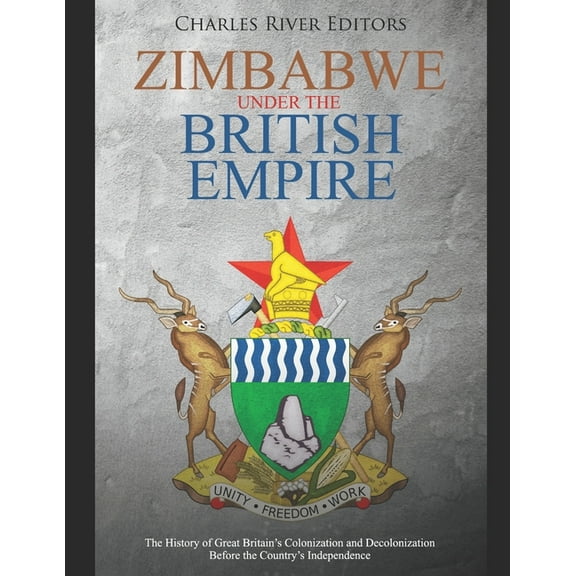
Zimbabwe under the British Empire: The History of Great Britain's Colonization and Decolonization Before the Country's I, (Paperback) $15.87
 $1587current price $15.87
Zimbabwe under the British Empire: The History of Great Britain's Colonization and Decolonization Before the Country's I, (Paperback)
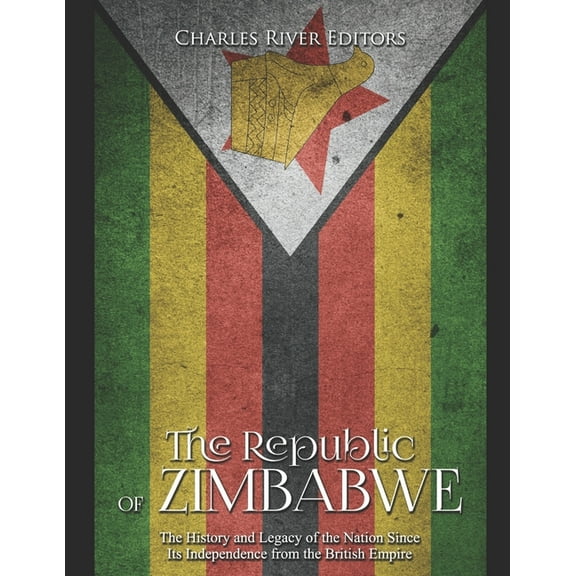
The Republic of Zimbabwe (Paperback) $13.46
 $1346current price $13.46
The Republic of Zimbabwe (Paperback)
The Know Nothing Party: The History and Legacy of America's Most Notorious Nativist Political Party, (Paperback) $13.46
 $1346current price $13.46
The Know Nothing Party: The History and Legacy of America's Most Notorious Nativist Political Party, (Paperback)
The Knights of the Golden Circle: The History and Legacy of One of 19th Century America's Most Notorious Secret Societie, (Paperback) $10.24
 $1024current price $10.24
The Knights of the Golden Circle: The History and Legacy of One of 19th Century America's Most Notorious Secret Societie, (Paperback)
The River War (History of the War in Sudan): Historical & Autobiographical Account of the Reconquest of Sudan, (Paperback) $9.61
 $961current price $9.61
The River War (History of the War in Sudan): Historical & Autobiographical Account of the Reconquest of Sudan, (Paperback)
Apartheid in South Africa: The History and Legacy of the Notorious Segregationist Policies in the 20th Century (Paperback) $11.14
 $1114current price $11.14
Apartheid in South Africa: The History and Legacy of the Notorious Segregationist Policies in the 20th Century (Paperback)
The Plot to Save South Africa: The Week Mandela Averted Civil War and Forged a New Nation, (Paperback) $12.70
 $1270current price $12.70
The Plot to Save South Africa: The Week Mandela Averted Civil War and Forged a New Nation, (Paperback)
Cuba & Angola the War for Free (Paperback) $9.32
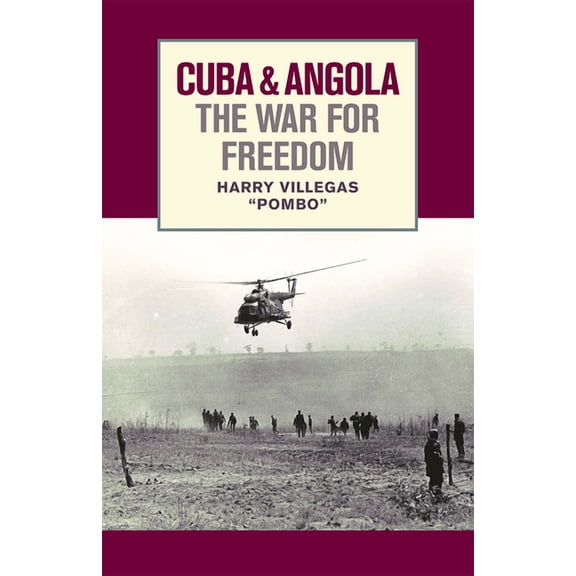 $932current price $9.32
Cuba & Angola the War for Free (Paperback)
Everything Lost Is Found Again: Four Seasons in Lesotho, (Paperback) $9.39
 $939current price $9.39
Everything Lost Is Found Again: Four Seasons in Lesotho, (Paperback)
Pre-Owned This Is South Africa (Hardcover) 1859742653 9781859742655 $10.68
 $1068current price $10.68
Pre-Owned This Is South Africa (Hardcover) 1859742653 9781859742655
A History of Burundi, (Paperback) $12.99
 $1299current price $12.99
A History of Burundi, (Paperback)
January Sun: One Day, Three Lives, a South African Town, (Paperback) $14.97
 $1497current price $14.97
January Sun: One Day, Three Lives, a South African Town, (Paperback)
The Genocide of the Boers (Paperback) $9.13
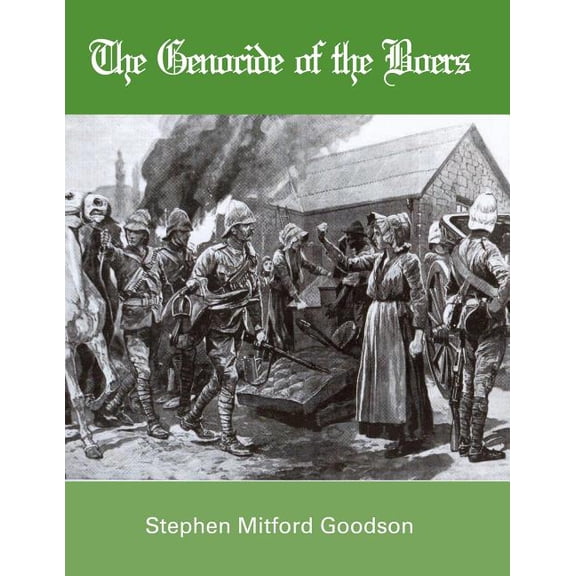 $913current price $9.13
The Genocide of the Boers (Paperback)
Pre-Owned A History of South Africa (Paperback) 0006384218 9780006384212 $13.71
 $1371current price $13.71
Pre-Owned A History of South Africa (Paperback) 0006384218 9780006384212
44.3 out of 5 Stars. 4 reviewsPre-Owned Playing the Enemy: Nelson Mandela and the Game That Made a Nation (Paperback) 1848876599 9781848876590 $8.13
 $813current price $8.13
Pre-Owned Playing the Enemy: Nelson Mandela and the Game That Made a Nation (Paperback) 1848876599 9781848876590
South Africa: The History and Legacy of the Nation from European Colonization to the End of the Apartheid Era Paperback 1092506187 9781092506182 Charles River Editors $19.59
 $1959current price $19.59
South Africa: The History and Legacy of the Nation from European Colonization to the End of the Apartheid Era Paperback 1092506187 9781092506182 Charles River Editors
Pre-Owned Statements (Paperback) 9780930452612 $3.99 Was $6.21
 2 optionsAvailable in additional 2 options$399current price $3.99, Was $6.21$6.21
Pre-Owned Statements (Paperback) 9780930452612
The Anglo-Boer War Diaries Of Jan Geldenhuys $7.77
 $777current price $7.77
The Anglo-Boer War Diaries Of Jan Geldenhuys
Pre-Owned Slogging Over Africa: The Boer Wars 1815-1902 (Paperback) 030436293X 9780304362936 $8.19
 $819current price $8.19
Pre-Owned Slogging Over Africa: The Boer Wars 1815-1902 (Paperback) 030436293X 9780304362936

Customer ratings & reviews
0 ratings|0 reviews
This item does not have any reviews yet

Related pages
- Summer Deals
- South Africa Capital
- General South African History Books
- Republic of South African History Books
- Central African History Books
- North African History Books
- East African History Books
- General African History Books
- Haiti First Black Republic
- Africa Chad History
- North East African Countries
- In The Beginning South Africa