

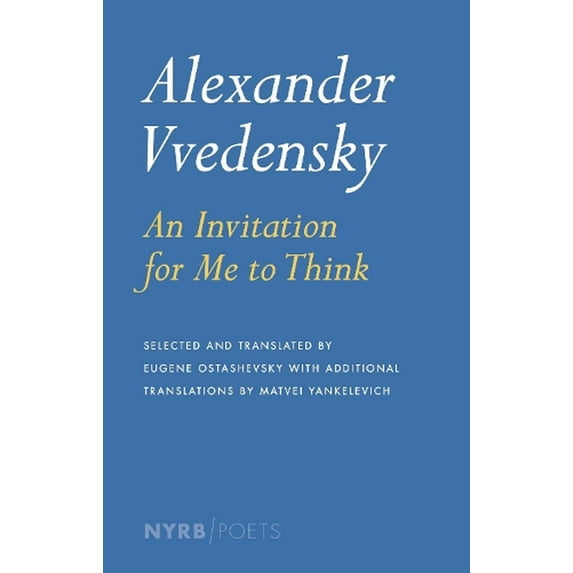
Hero image 0 of NYRB Poets: Alexander Vvedensky: An Invitation for Me to Think (Paperback), 0 of 1
NYRB Poets: Alexander Vvedensky: An Invitation for Me to Think (Paperback)
(No ratings yet)
Key item features
“Pussy Riot are Vvedensky's disciples and his heirs.
Katya, Masha, and I are in jail but I don’t consider that we’ve been defeated.... According to the official report, Alexander Vvedensky died on December 20, 1941. We don’t know the cause, whether it was dysentery in the train after his arrest or a bullet from a guard. It was somewhere on the railway line between Voronezh and Kazan. His principle of ‘bad rhythm’ is our own. He wrote: ‘It happens that two rhythms will come into your head, a good one and a bad one and I choose the bad one. It will be the right one.’ ... It is believed that the OBERIU dissidents are dead, but they live on. They are persecuted but they do not die.”
— Pussy Riot [Nadezhda Tolokonnikova’s closing statement at their
trial in August 2012]
“I raise[d] my hand against concepts,” wrote Alexander Vvedensky, “I enacted a poetic critique of reason.” This weirdly and wonderfully philosophical poet was born in 1904, grew up in the midst of war and revolution, and reached his artistic maturity as Stalin was twisting the meaning of words in grotesque and lethal ways. Vvedensky—with Daniil Kharms the major figure in the short–lived underground avant-garde group OBERIU (a neologism for “the union for real art”)—responded with a poetry that explodes stable meaning into shimmering streams of provocation and invention. A Vvedensky poem is like a crazy party full of theater, film, magic tricks, jugglery, and feasting. Curious characters appear and disappear, euphoria keeps company with despair, outrageous assertions lead to epic shouting matches, and perhaps it all breaks off with one lonely person singing a song.
A Vvedensky poem doesn’t make a statement. It is an event. Vvedensky’s poetry was unpublishable during his lifetime—he made a living as a writer for children before dying under arrest in 1942—and he remains the least known of the great twentieth-century Russian poets. This is his first book to appear in English. The translations by Eugene Ostashevsky and Matvei Yankelevich, outstanding poets in their own right, are as astonishingly alert and alive as the originals.
Katya, Masha, and I are in jail but I don’t consider that we’ve been defeated.... According to the official report, Alexander Vvedensky died on December 20, 1941. We don’t know the cause, whether it was dysentery in the train after his arrest or a bullet from a guard. It was somewhere on the railway line between Voronezh and Kazan. His principle of ‘bad rhythm’ is our own. He wrote: ‘It happens that two rhythms will come into your head, a good one and a bad one and I choose the bad one. It will be the right one.’ ... It is believed that the OBERIU dissidents are dead, but they live on. They are persecuted but they do not die.”
— Pussy Riot [Nadezhda Tolokonnikova’s closing statement at their
trial in August 2012]
“I raise[d] my hand against concepts,” wrote Alexander Vvedensky, “I enacted a poetic critique of reason.” This weirdly and wonderfully philosophical poet was born in 1904, grew up in the midst of war and revolution, and reached his artistic maturity as Stalin was twisting the meaning of words in grotesque and lethal ways. Vvedensky—with Daniil Kharms the major figure in the short–lived underground avant-garde group OBERIU (a neologism for “the union for real art”)—responded with a poetry that explodes stable meaning into shimmering streams of provocation and invention. A Vvedensky poem is like a crazy party full of theater, film, magic tricks, jugglery, and feasting. Curious characters appear and disappear, euphoria keeps company with despair, outrageous assertions lead to epic shouting matches, and perhaps it all breaks off with one lonely person singing a song.
A Vvedensky poem doesn’t make a statement. It is an event. Vvedensky’s poetry was unpublishable during his lifetime—he made a living as a writer for children before dying under arrest in 1942—and he remains the least known of the great twentieth-century Russian poets. This is his first book to appear in English. The translations by Eugene Ostashevsky and Matvei Yankelevich, outstanding poets in their own right, are as astonishingly alert and alive as the originals.
Specs
- Book formatPaperback
- Fiction/nonfictionNon-Fiction
- GenreLiterature & Fiction
- Publication dateApril, 2013
- Pages168
- Reading levelGeneral
Current price is USD$14.88
Price when purchased online
- Free shipping
 Free 30-day returns
How do you want your item?
Ships to
Arrives between May 23 - May 26
|
Sold and shipped by RAREWAVES-USA
4.577844311377246 stars out of 5, based on 3006 seller reviews(4.6)3006 seller reviews

Free 30-day returns
More seller options (2)
Starting from $16.00
About this item
Product details
"Pussy Riot are Vvedensky's disciples and his heirs.
Katya, Masha, and I are in jail but I don't consider that we've been defeated.... According to the official report, Alexander Vvedensky died on December 20, 1941. We don't know the cause, whether it was dysentery in the train after his arrest or a bullet from a guard. It was somewhere on the railway line between Voronezh and Kazan. His principle of 'bad rhythm' is our own. He wrote: 'It happens that two rhythms will come into your head, a good one and a bad one and I choose the bad one. It will be the right one.' ... It is believed that the OBERIU dissidents are dead, but they live on. They are persecuted but they do not die."
-- Pussy Riot [Nadezhda Tolokonnikova's closing statement at their
trial in August 2012] "I raise[d] my hand against concepts," wrote Alexander Vvedensky, "I enacted a poetic critique of reason." This weirdly and wonderfully philosophical poet was born in 1904, grew up in the midst of war and revolution, and reached his artistic maturity as Stalin was twisting the meaning of words in grotesque and lethal ways. Vvedensky--with Daniil Kharms the major figure in the short-lived underground avant-garde group OBERIU (a neologism for "the union for real art")--responded with a poetry that explodes stable meaning into shimmering streams of provocation and invention. A Vvedensky poem is like a crazy party full of theater, film, magic tricks, jugglery, and feasting. Curious characters appear and disappear, euphoria keeps company with despair, outrageous assertions lead to epic shouting matches, and perhaps it all breaks off with one lonely person singing a song. A Vvedensky poem doesn't make a statement. It is an event. Vvedensky's poetry was unpublishable during his lifetime--he made a living as a writer for children before dying under arrest in 1942--and he remains the least known of the great twentieth-century Russian poets. This is his first book to appear in English. The translations by Eugene Ostashevsky and Matvei Yankelevich, outstanding poets in their own right, are as astonishingly alert and alive as the originals.
Katya, Masha, and I are in jail but I don't consider that we've been defeated.... According to the official report, Alexander Vvedensky died on December 20, 1941. We don't know the cause, whether it was dysentery in the train after his arrest or a bullet from a guard. It was somewhere on the railway line between Voronezh and Kazan. His principle of 'bad rhythm' is our own. He wrote: 'It happens that two rhythms will come into your head, a good one and a bad one and I choose the bad one. It will be the right one.' ... It is believed that the OBERIU dissidents are dead, but they live on. They are persecuted but they do not die."
-- Pussy Riot [Nadezhda Tolokonnikova's closing statement at their
trial in August 2012] "I raise[d] my hand against concepts," wrote Alexander Vvedensky, "I enacted a poetic critique of reason." This weirdly and wonderfully philosophical poet was born in 1904, grew up in the midst of war and revolution, and reached his artistic maturity as Stalin was twisting the meaning of words in grotesque and lethal ways. Vvedensky--with Daniil Kharms the major figure in the short-lived underground avant-garde group OBERIU (a neologism for "the union for real art")--responded with a poetry that explodes stable meaning into shimmering streams of provocation and invention. A Vvedensky poem is like a crazy party full of theater, film, magic tricks, jugglery, and feasting. Curious characters appear and disappear, euphoria keeps company with despair, outrageous assertions lead to epic shouting matches, and perhaps it all breaks off with one lonely person singing a song. A Vvedensky poem doesn't make a statement. It is an event. Vvedensky's poetry was unpublishable during his lifetime--he made a living as a writer for children before dying under arrest in 1942--and he remains the least known of the great twentieth-century Russian poets. This is his first book to appear in English. The translations by Eugene Ostashevsky and Matvei Yankelevich, outstanding poets in their own right, are as astonishingly alert and alive as the originals.
“Pussy Riot are Vvedensky's disciples and his heirs.
Katya, Masha, and I are in jail but I don’t consider that we’ve been defeated.... According to the official report, Alexander Vvedensky died on December 20, 1941. We don’t know the cause, whether it was dysentery in the train after his arrest or a bullet from a guard. It was somewhere on the railway line between Voronezh and Kazan. His principle of ‘bad rhythm’ is our own. He wrote: ‘It happens that two rhythms will come into your head, a good one and a bad one and I choose the bad one. It will be the right one.’ ... It is believed that the OBERIU dissidents are dead, but they live on. They are persecuted but they do not die.”
— Pussy Riot [Nadezhda Tolokonnikova’s closing statement at their
trial in August 2012]
“I raise[d] my hand against concepts,” wrote Alexander Vvedensky, “I enacted a poetic critique of reason.” This weirdly and wonderfully philosophical poet was born in 1904, grew up in the midst of war and revolution, and reached his artistic maturity as Stalin was twisting the meaning of words in grotesque and lethal ways. Vvedensky—with Daniil Kharms the major figure in the short–lived underground avant-garde group OBERIU (a neologism for “the union for real art”)—responded with a poetry that explodes stable meaning into shimmering streams of provocation and invention. A Vvedensky poem is like a crazy party full of theater, film, magic tricks, jugglery, and feasting. Curious characters appear and disappear, euphoria keeps company with despair, outrageous assertions lead to epic shouting matches, and perhaps it all breaks off with one lonely person singing a song.
A Vvedensky poem doesn’t make a statement. It is an event. Vvedensky’s poetry was unpublishable during his lifetime—he made a living as a writer for children before dying under arrest in 1942—and he remains the least known of the great twentieth-century Russian poets. This is his first book to appear in English. The translations by Eugene Ostashevsky and Matvei Yankelevich, outstanding poets in their own right, are as astonishingly alert and alive as the originals.
Katya, Masha, and I are in jail but I don’t consider that we’ve been defeated.... According to the official report, Alexander Vvedensky died on December 20, 1941. We don’t know the cause, whether it was dysentery in the train after his arrest or a bullet from a guard. It was somewhere on the railway line between Voronezh and Kazan. His principle of ‘bad rhythm’ is our own. He wrote: ‘It happens that two rhythms will come into your head, a good one and a bad one and I choose the bad one. It will be the right one.’ ... It is believed that the OBERIU dissidents are dead, but they live on. They are persecuted but they do not die.”
— Pussy Riot [Nadezhda Tolokonnikova’s closing statement at their
trial in August 2012]
“I raise[d] my hand against concepts,” wrote Alexander Vvedensky, “I enacted a poetic critique of reason.” This weirdly and wonderfully philosophical poet was born in 1904, grew up in the midst of war and revolution, and reached his artistic maturity as Stalin was twisting the meaning of words in grotesque and lethal ways. Vvedensky—with Daniil Kharms the major figure in the short–lived underground avant-garde group OBERIU (a neologism for “the union for real art”)—responded with a poetry that explodes stable meaning into shimmering streams of provocation and invention. A Vvedensky poem is like a crazy party full of theater, film, magic tricks, jugglery, and feasting. Curious characters appear and disappear, euphoria keeps company with despair, outrageous assertions lead to epic shouting matches, and perhaps it all breaks off with one lonely person singing a song.
A Vvedensky poem doesn’t make a statement. It is an event. Vvedensky’s poetry was unpublishable during his lifetime—he made a living as a writer for children before dying under arrest in 1942—and he remains the least known of the great twentieth-century Russian poets. This is his first book to appear in English. The translations by Eugene Ostashevsky and Matvei Yankelevich, outstanding poets in their own right, are as astonishingly alert and alive as the originals.
info:
We aim to show you accurate product information. Manufacturers, suppliers and others provide what you see here, and we have not verified it.
Specifications
Book format
Paperback
Fiction/nonfiction
Non-Fiction
Genre
Literature & Fiction
Publication date
April, 2013
Warranty
Warranty information
Please be aware that the warranty terms on items offered for sale by third party Marketplace sellers may differ from those displayed in this section (if any). To confirm warranty terms on an item offered for sale by a third party Marketplace seller, please use the 'Contact seller' feature on the third party Marketplace seller's information page and request the item's warranty terms prior to purchase.
Similar items you might like
Based on what customers bought
Doubting River, (Paperback) $20.13
 $2013current price $20.13
Doubting River, (Paperback)
Impostor: An Alexander Gregory Thriller (Paperback) $7.12 Was $11.84
 $712current price $7.12, Was $11.84$11.84
Impostor: An Alexander Gregory Thriller (Paperback)
The River Is Waiting (Oprah's Book Club) (Paperback) $15.00
 $1500current price $15.00
The River Is Waiting (Oprah's Book Club) (Paperback)
Phoenix Poets As When Waking, (Paperback) $16.99
 $1699current price $16.99
Phoenix Poets As When Waking, (Paperback)
Alexander Petöfi, Poet Of The Hungarian War Of Independence, (Paperback) $15.95
 $1595current price $15.95
Alexander Petöfi, Poet Of The Hungarian War Of Independence, (Paperback)
Fog Bells: 8 Contemporary Turkish Poets, (Paperback) $19.83
 $1983current price $19.83
Fog Bells: 8 Contemporary Turkish Poets, (Paperback)
"The Last Cigar": And Other Poems (Paperback) $15.95
 $1595current price $15.95
"The Last Cigar": And Other Poems (Paperback)
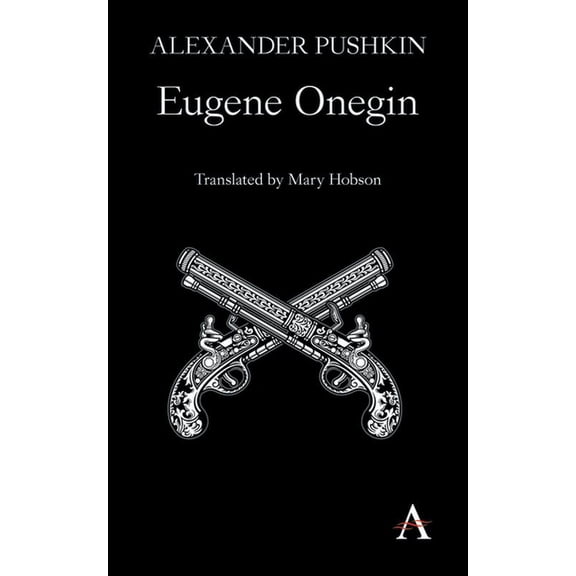
Anthem Cosmopolis Writings Eugene Onegin: A Novel in Verse, (Paperback) $15.03
 $1503current price $15.03
Anthem Cosmopolis Writings Eugene Onegin: A Novel in Verse, (Paperback)
Poetry, The True Language Of The Soul : Jhasmidah $15.50
 $1550current price $15.50
Poetry, The True Language Of The Soul : Jhasmidah
The Best of Epicurus, (Paperback) $14.49
 $1449current price $14.49
The Best of Epicurus, (Paperback)
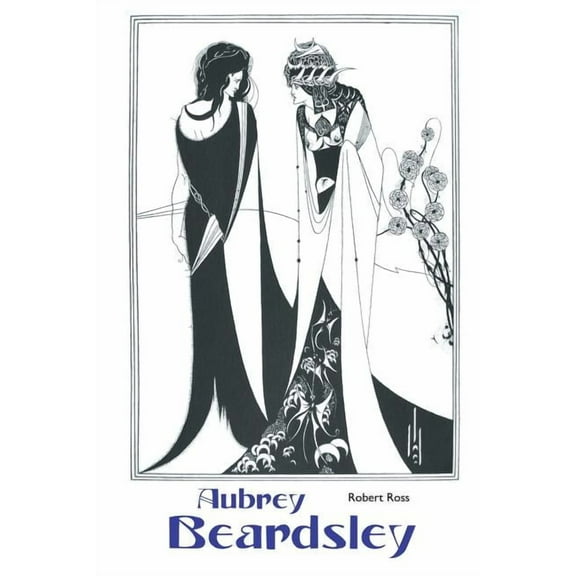
Painters Aubrey Beardsley, (Paperback) $16.90
 $1690current price $16.90
Painters Aubrey Beardsley, (Paperback)
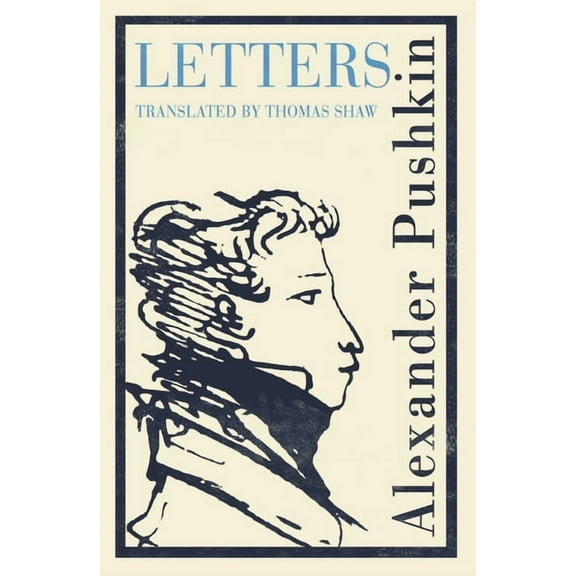
15 out of 5 Stars. 1 reviewsPushkin's Letters : Annotated Authoritative Edition (Hardcover) $26.93
 $2693current price $26.93
Pushkin's Letters : Annotated Authoritative Edition (Hardcover)
Litterature: CE Que l'On Voit Tous Les Jours Le Pendu de la Piroche (Paperback) $15.95
 $1595current price $15.95
Litterature: CE Que l'On Voit Tous Les Jours Le Pendu de la Piroche (Paperback)
Poets in the World The Strangest of Theatres: Poets Writing Across Borders, (Paperback) $18.56
 $1856current price $18.56
Poets in the World The Strangest of Theatres: Poets Writing Across Borders, (Paperback)
You Are the Best Thing That Happen to Me: 27 Love Poems (Paperback) $12.95
 $1295current price $12.95
You Are the Best Thing That Happen to Me: 27 Love Poems (Paperback)
Southern Messenger Poets Ungrafted: New and Selected Poems, (Paperback) $16.50
 $1650current price $16.50
Southern Messenger Poets Ungrafted: New and Selected Poems, (Paperback)
La Colombe De Bouddha (Paperback) $15.95
 $1595current price $15.95
La Colombe De Bouddha (Paperback)


Customer ratings & reviews
0 ratings|0 reviews
This item does not have any reviews yet
