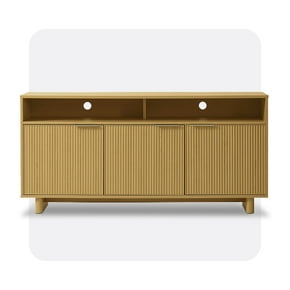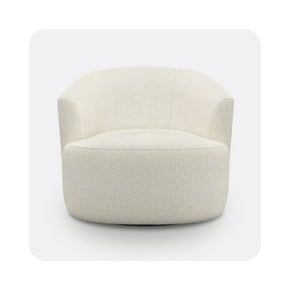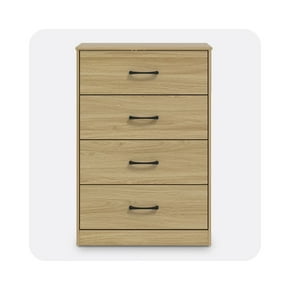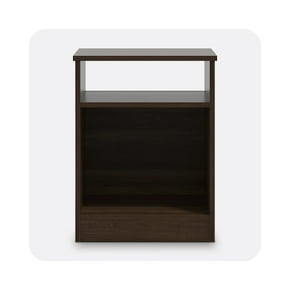




Furniture

Ways to shop furniture
More to explore
Brands We Love
Living room must haves
Bedroom essentials
FAQ
About Furniture - Walmart.com
Your storage organization choices can help you clear crowded rooms, use vertical space, and keep daily essentials easier to reach. You can compare bins, shelving, drawers, and baskets by room, material, and size so your setup fits the way you live.
How to choose storage organization for each room
When you plan home storage solutions by room, you can match each setup to the items you use frequently. You can keep visible spaces tidy while giving bulky items a more practical home.
In a closet, you may want stackable drawers, shelf dividers, and closet organization systems that use height efficiently. In a kitchen or pantry, you can favor clear containers and baskets that keep staples easy to spot.
For a bedroom, you can look for under-bed totes, fabric bins, and slim towers that fit tighter footprints. In a garage, you may need garage storage shelves with stronger frames and deeper shelves for larger gear.
- You can reduce visual clutter with matching storage bins and baskets in open spaces.
- You can keep daily items easier to sort when you group by room and use.
- You can make small areas feel more usable when you choose vertical or stackable pieces.
- You can separate visible storage from utility storage based on your room’s style and purpose.
Choosing materials and storage bins and baskets
When you compare materials, you can balance appearance, durability, and cleaning needs. You can also match finishes to whether your storage stays on display or stays tucked away.
Plastic storage containers can work well when you want lighter options that wipe clean quickly. Wire shelves can help you see contents more easily, while wood can give living spaces a warmer look.
Fabric bins can soften shelves in bedrooms and closets, and metal frames can support heavier loads in utility spaces. If you expect frequent lifting or stacking, you should check handles, frame strength, and overall structure.
For heavy duty storage shelves, you should compare load capacity per shelf and overall unit design. If you plan to store tools or bulk supplies, you can look for sturdier wire gauge and reinforced supports.
What to look for in size, capacity, and modular storage
Before you choose any piece, you should measure your floor space, shelf depth, and clearance around doors or beds. You can avoid awkward gaps when your storage matches the footprint you actually have.
Small bins can help you sort accessories, office supplies, or pantry packets without wasting shelf space. Medium options can handle folded clothing, cleaning tools, or toys, while large totes can hold seasonal décor or spare bedding.
If you need flexibility, you can compare stackable designs and modular sets that grow with your space. You can start with a few drawers or bins, then add matching pieces as your storage needs change.
Heavy items need more than extra room, so you should match capacity to what you plan to store. For shelving, you can check shelf dimensions and stated load limits before organizing larger containers or equipment.
How to match storage organization to real-life use
If you’re setting up a closet, you can combine baskets for accessories, drawers for folded items, and shelves for shoes. That mix can help you separate categories without turning one shelf into a catchall.
For kitchen organization, you can use clear containers for dry goods and smaller bins for snacks or packets. In a pantry, you can group similar items together so your shelves stay easier to scan.
In a garage, you may want shelving units, larger totes, and labeled containers for sports gear, tools, or cleaning supplies. If you need quick access, you can keep frequently used items at eye level.
During spring cleaning organization, you can reset crowded corners with stackable bins and room-specific sorting. For back to college storage, you can focus on compact drawers, under-bed containers, and flexible shelving for shared spaces.
You may also want to balance style and utility based on where your storage sits. In visible rooms, you can lean toward coordinated baskets and wood tones, while hidden zones can prioritize capacity and strength.
Why the right setup matters
When you choose storage organization with the right room, material, type, and size in mind, you can create a setup that feels easier to maintain. This helps you spend less time searching and more time using every shelf, bin, and corner well.