

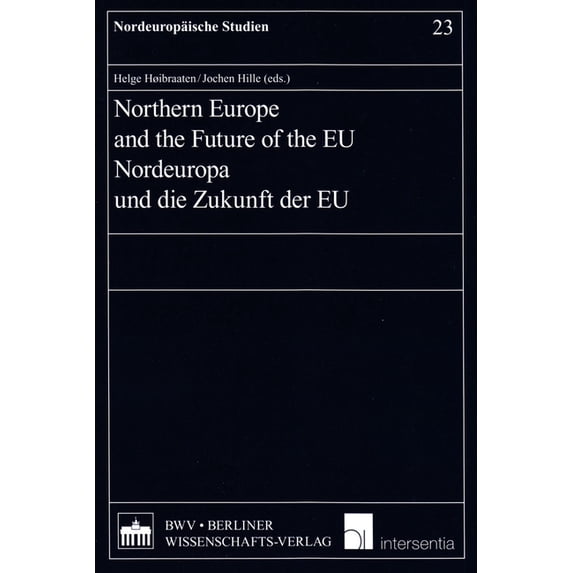
Northern Europe and the Future of the EU (Paperback)
(No ratings yet)
Key item features
The current relationship between the Nordic countries and the European Union appears complex and confusing. Although Denmark, in 1973, and Sweden and Finland, in 1995, joined the EU, the entry of Norway into the Union was rejected in the plebiscites of 1972 and 1994. Furthermore, Nordic EU members enjoy permanent exceptions to their integration into the EU: Denmark and Sweden, like the UK, have declined to become part of the monetary union. Finland is essentially the only Nordic country that entered the EU without substantial exceptions. In other words: the EU divides Nordic societies, which has resulted in a series of national exceptions to the integration process. Taken together, these exceptions have created a process where the overall geometry is contradictory and paradoxical. Considering this melange, this book discusses the actual state of Nordic integration into the EU from many different perspectives and illuminates future developments in the field of integration. It examines such questions as: Where is the North relative to Europe today? How can the geometry of Northern Europe's integration, developed over a long time, be characterized? What are the challenges that threaten further development of Nordic-European relationships?
Specs
- Book formatPaperback
- Fiction/nonfictionNon-Fiction
- GenreHistory
- Publication dateOctober, 2011
- Pages233
- Series titleNordeuropaische Studien
Current price is USD$65.14
Price when purchased online
Out of stock
How do you want your item?
Out of stock
About this item
Product details
The current relationship between the Nordic countries and the European Union appears complex and confusing. Although Denmark, in 1973, and Sweden and Finland, in 1995, joined the EU, the entry of Norway into the Union was rejected in the plebiscites of 1972 and 1994. Furthermore, Nordic EU members enjoy permanent exceptions to their integration into the EU: Denmark and Sweden, like the UK, have declined to become part of the monetary union. Finland is essentially the only Nordic country that entered the EU without substantial exceptions. In other words: the EU divides Nordic societies, which has resulted in a series of national exceptions to the integration process. Taken together, these exceptions have created a process where the overall geometry is contradictory and paradoxical. Considering this melange, this book discusses the actual state of Nordic integration into the EU from many different perspectives and illuminates future developments in the field of integration. It examines s The current relationship between the Nordic countries and the European Union appears complex and confusing. Although Denmark, in 1973, and Sweden and Finland, in 1995, joined the EU, the entry of Norway into the Union was rejected in the plebiscites of 1972 and 1994. Furthermore, Nordic EU members enjoy permanent exceptions to their integration into the EU: Denmark and Sweden, like the UK, have declined to become part of the monetary union. Finland is essentially the only Nordic country that entered the EU without substantial exceptions. In other words: the EU divides Nordic societies, which has resulted in a series of national exceptions to the integration process. Taken together, these exceptions have created a process where the overall geometry is contradictory and paradoxical. Considering this melange, this book discusses the actual state of Nordic integration into the EU from many different perspectives and illuminates future developments in the field of integration. It examines such questions as: Where is the North relative to Europe today? How can the geometry of Northern Europe's integration, developed over a long time, be characterized? What are the challenges that threaten further development of Nordic-European relationships?
The current relationship between the Nordic countries and the European Union appears complex and confusing. Although Denmark, in 1973, and Sweden and Finland, in 1995, joined the EU, the entry of Norway into the Union was rejected in the plebiscites of 1972 and 1994. Furthermore, Nordic EU members enjoy permanent exceptions to their integration into the EU: Denmark and Sweden, like the UK, have declined to become part of the monetary union. Finland is essentially the only Nordic country that entered the EU without substantial exceptions. In other words: the EU divides Nordic societies, which has resulted in a series of national exceptions to the integration process. Taken together, these exceptions have created a process where the overall geometry is contradictory and paradoxical. Considering this melange, this book discusses the actual state of Nordic integration into the EU from many different perspectives and illuminates future developments in the field of integration. It examines such questions as: Where is the North relative to Europe today? How can the geometry of Northern Europe's integration, developed over a long time, be characterized? What are the challenges that threaten further development of Nordic-European relationships?
info:
We aim to show you accurate product information. Manufacturers, suppliers and others provide what you see here, and we have not verified it.
Specifications
Book format
Paperback
Fiction/nonfiction
Non-Fiction
Genre
History
Publication date
October, 2011
Warranty
Warranty information
Please be aware that the warranty terms on items offered for sale by third party Marketplace sellers may differ from those displayed in this section (if any). To confirm warranty terms on an item offered for sale by a third party Marketplace seller, please use the 'Contact seller' feature on the third party Marketplace seller's information page and request the item's warranty terms prior to purchase.
Customer ratings & reviews
0 ratings|0 reviews
This item does not have any reviews yet
