

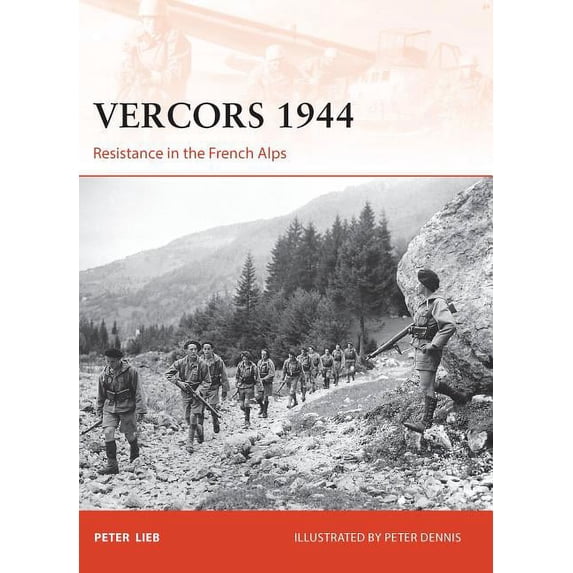
Campaign: Vercors 1944 : Resistance in the French Alps (Series #249) (Paperback)
Key item features
After D-Day the French resistance rose to sabotage the Nazi war effort. Germany rutghlessly assaulted a French stronghold with Fallschirmjaeger airborne troops.
Fighting insurgents has always been one of the greatest challenges for regular armed forces during the 20th century. From Malaya through Algeria and Vietnam to the ongoing operations in Iraq and Afghanistan, the list is long. The war between the Germans and the French resistance, also called FFI (Forces Françaises d'Intérieur) or Maquis, during World War II has remained a near-forgotten chapter in the history of these 'Small Wars', particularly in the English-speaking world. This is all the more astonishing as agencies like the British SOE (Special Operations Executive) and the American OSS (Office of Strategic Services) pumped a good amount of their resources into the support of the French resistance movement. By diversionary attacks on German forces in the occupied hinterland the Allies hoped the FFI could provide assistance in disrupting German supply lines as well as crumbling their morale. The mountain plateau of the Vercors south-west of Grenoble was the main stronghold of the French Maquis and in July 1944 some 8,000 German soldiers mounted an operation on the plateau and destroyed the insurgent groups there. The battle of the Vercors was the largest operation against the FFI during World War II and the German's fast and crushing victory has caused traumatic memories for the French that persist to the present day.
Following D-Day the FFI fully mobilised on orders given from London and posed a real threat to the German lines of communications. Operating from their sanctuaries in the mountains and armed with British and US weapons from Allied air drops, the Maquis descended into the valleys and tried to challenge the German troops of occupation. By mid-June the Germans launched a series of major counter-operations in the mountains which, carried out by the Gebirgsjäger, dispersed the French resistance from the Massif des Bauges and the French Jura. On the mountain plateau of the Vercors the FFI made the mistake of attempting to hold their ground against regular German forces, and were encircled and destroyed, accompanied by terrible reprisals against the local population. British and US liaison teams could do little to help. A month later, a similar operation put paid to the resistance on the Tarentaise. However, the Germans were too short of manpower to exploit these tactical victories and were always compelled to withdraw, letting the French resistance re-appear and take control again. German tactical victories did not translate into strategic success. By their constant harassment the FFI eventually fragmented the German forces. When after the landings at the French Riviera on 15 August 1944 US troops advanced swiftly to the north, German troops could not offer a coherent line of defence in the Alps and had to withdraw from French territory by the end of the month.
Specs
- Book formatPaperback
- Fiction/nonfictionNon-Fiction
- GenreHistory
- Publication dateDecember, 2012
- Pages96
- Series titleCampaign
How do you want your item?
About this item
Product details
After D-Day the French resistance rose to sabotage the Nazi war effort. Germany rutghlessly assaulted a French stronghold with Fallschirmjaeger airborne troops.
Fighting insurgents has always been one of the greatest challenges for regular armed forces during the 20th century. From Malaya through Algeria and Vietnam to the ongoing operations in Iraq and Afghanistan, the list is long. The war between the Germans and the French resistance, also called FFI (Forces Françaises d'Intérieur) or Maquis, during World War II has remained a near-forgotten chapter in the history of these 'Small Wars', particularly in the English-speaking world. This is all the more astonishing as agencies like the British SOE (Special Operations Executive) and the American OSS (Office of Strategic Services) pumped a good amount of their resources into the support of the French resistance movement. By diversionary attacks on German forces in the occupied hinterland the Allies hoped the FFI could provide assistance in disrupting German supply lines as well as crumbling their morale. The mountain plateau of the Vercors south-west of Grenoble was the main stronghold of the French Maquis and in July 1944 some 8,000 German soldiers mounted an operation on the plateau and destroyed the insurgent groups there. The battle of the Vercors was the largest operation against the FFI during World War II and the German's fast and crushing victory has caused traumatic memories for the French that persist to the present day. Following D-Day the FFI fully mobilised on orders given from London and posed a real threat to the German lines of communications. Operating from their sanctuaries in the mountains and armed with British and US weapons from Allied air drops, the Maquis descended into the valleys and tried to challenge the German troops of occupation. By mid-June the Germans launched a series of major counter-operations in the mountains which, carried out by the Gebirgsjäger, dispersed the French resistance from the Massif des Bauges and the French Jura. On the mountain plateau of the Vercors the FFI made the mistake of attempting to hold their ground against regular German forces, and were encircled and destroyed, accompanied by terrible reprisals against the local population. British and US liaison teams could do little to help. A month later, a similar operation put paid to the resistance on the Tarentaise. However, the Germans were too short of manpower to exploit these tactical victories and were always compelled to withdraw, letting the French resistance re-appear and take control again. German tactical victories did not translate into strategic success. By their constant harassment the FFI eventually fragmented the German forces. When after the landings at the French Riviera on 15 August 1944 US troops advanced swiftly to the north, German troops could not offer a coherent line of defence in the Alps and had to withdraw from French territory by the end of the month.After D-Day the French resistance rose to sabotage the Nazi war effort. Germany rutghlessly assaulted a French stronghold with Fallschirmjaeger airborne troops.
Fighting insurgents has always been one of the greatest challenges for regular armed forces during the 20th century. From Malaya through Algeria and Vietnam to the ongoing operations in Iraq and Afghanistan, the list is long. The war between the Germans and the French resistance, also called FFI (Forces Françaises d'Intérieur) or Maquis, during World War II has remained a near-forgotten chapter in the history of these 'Small Wars', particularly in the English-speaking world. This is all the more astonishing as agencies like the British SOE (Special Operations Executive) and the American OSS (Office of Strategic Services) pumped a good amount of their resources into the support of the French resistance movement. By diversionary attacks on German forces in the occupied hinterland the Allies hoped the FFI could provide assistance in disrupting German supply lines as well as crumbling their morale. The mountain plateau of the Vercors south-west of Grenoble was the main stronghold of the French Maquis and in July 1944 some 8,000 German soldiers mounted an operation on the plateau and destroyed the insurgent groups there. The battle of the Vercors was the largest operation against the FFI during World War II and the German's fast and crushing victory has caused traumatic memories for the French that persist to the present day.
Following D-Day the FFI fully mobilised on orders given from London and posed a real threat to the German lines of communications. Operating from their sanctuaries in the mountains and armed with British and US weapons from Allied air drops, the Maquis descended into the valleys and tried to challenge the German troops of occupation. By mid-June the Germans launched a series of major counter-operations in the mountains which, carried out by the Gebirgsjäger, dispersed the French resistance from the Massif des Bauges and the French Jura. On the mountain plateau of the Vercors the FFI made the mistake of attempting to hold their ground against regular German forces, and were encircled and destroyed, accompanied by terrible reprisals against the local population. British and US liaison teams could do little to help. A month later, a similar operation put paid to the resistance on the Tarentaise. However, the Germans were too short of manpower to exploit these tactical victories and were always compelled to withdraw, letting the French resistance re-appear and take control again. German tactical victories did not translate into strategic success. By their constant harassment the FFI eventually fragmented the German forces. When after the landings at the French Riviera on 15 August 1944 US troops advanced swiftly to the north, German troops could not offer a coherent line of defence in the Alps and had to withdraw from French territory by the end of the month.
Specifications
Book format
Fiction/nonfiction
Genre
Publication date
Warranty
Warranty information
Similar items you might like
Based on what customers bought
Campaign Kohima 1944: The Battle That Saved India, Book 229, (Paperback) $21.95
 $2195current price $21.95
Campaign Kohima 1944: The Battle That Saved India, Book 229, (Paperback)
Campaign: Coronel and Falklands 1914 : Duel in the South Atlantic (Series #248) (Paperback) $21.90
 $2190current price $21.90
Campaign: Coronel and Falklands 1914 : Duel in the South Atlantic (Series #248) (Paperback)
Campaign: Warsaw 1944 : Poland’s bid for freedom (Series #205) (Paperback) $21.90
 $2190current price $21.90
Campaign: Warsaw 1944 : Poland’s bid for freedom (Series #205) (Paperback)
The Campaign in Tirah, 1897-1898, (Paperback) $27.98
 $2798current price $27.98
The Campaign in Tirah, 1897-1898, (Paperback)
Churchill, (Hardcover) $14.72 Was $19.75
 $1472current price $14.72, Was $19.75$19.75
Churchill, (Hardcover)
Campaign: Guadalcanal 1942 : The Marines Strike Back (Series #18) (Paperback) $6.44
 $644current price $6.44
Campaign: Guadalcanal 1942 : The Marines Strike Back (Series #18) (Paperback)
The Belfast Blitz: The City in the War Years, (Paperback) $29.92 Was $34.99
 $2992current price $29.92, Was $34.99$34.99
The Belfast Blitz: The City in the War Years, (Paperback)
Weird War Two: Intriguing Items and Surprising Stuff from the Second World War, (Paperback) $19.57
 $1957current price $19.57
Weird War Two: Intriguing Items and Surprising Stuff from the Second World War, (Paperback)
Campaign: Ardennes 1944 : Hitler's last gamble in the West (Series #5) (Paperback) $21.89
 $2189current price $21.89
Campaign: Ardennes 1944 : Hitler's last gamble in the West (Series #5) (Paperback)
Campaign: The Coral Sea 1942 : The first carrier battle (Series #214) (Paperback) $23.93
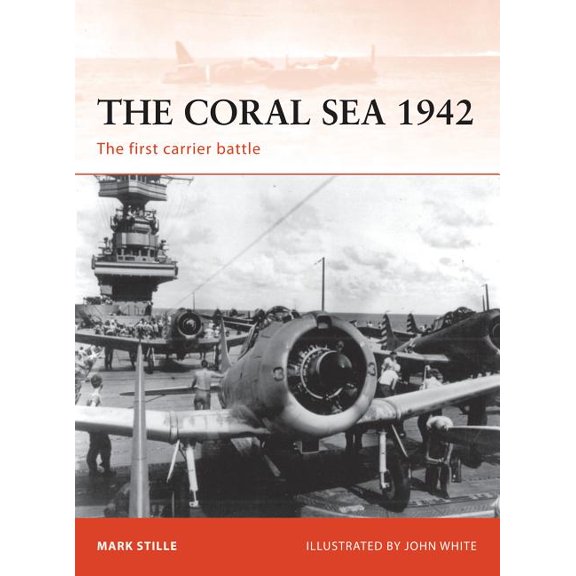 $2393current price $23.93
Campaign: The Coral Sea 1942 : The first carrier battle (Series #214) (Paperback)
Everything World War 2 - WWII Island by Island: The Pacific War in Brutal Detail, Book 5, (Paperback) $9.99
 $999current price $9.99
Everything World War 2 - WWII Island by Island: The Pacific War in Brutal Detail, Book 5, (Paperback)
Das vergessene Kreuz von Kentucky, (Paperback) $23.41 Was $27.28
 $2341current price $23.41, Was $27.28$27.28
Das vergessene Kreuz von Kentucky, (Paperback)
Campaign: Guadalcanal 1942–43 : America's first victory on the road to Tokyo (Series #284) (Paperback) $21.95
 $2195current price $21.95
Campaign: Guadalcanal 1942–43 : America's first victory on the road to Tokyo (Series #284) (Paperback)
Eagle's War: The War Diary of an Aircraft Carrier, (Paperback) $14.15
 $1415current price $14.15
Eagle's War: The War Diary of an Aircraft Carrier, (Paperback)
World War 2: Stories from the German Special Forces: Eyewitness Accounts (Paperback) $14.13
 $1413current price $14.13
World War 2: Stories from the German Special Forces: Eyewitness Accounts (Paperback)
Battlefield Trails: Soldiers on the Western Front, (Paperback) $23.59
 $2359current price $23.59
Battlefield Trails: Soldiers on the Western Front, (Paperback)
Night Duel Over Germany: Bomber Command's Battle Over the Reich During WWII, (Paperback) $25.67
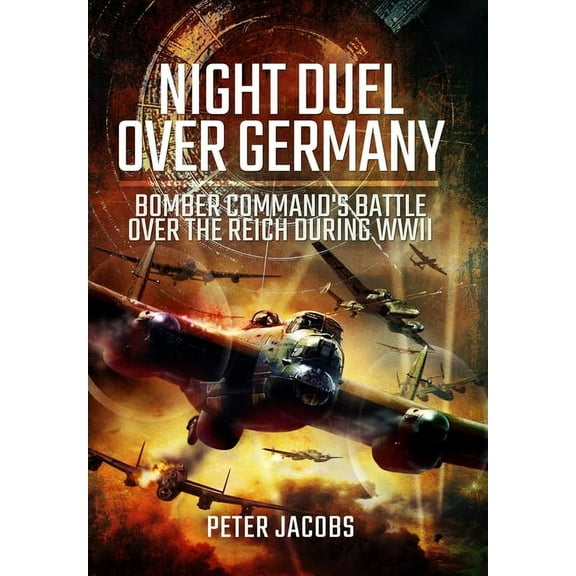 $2567current price $25.67
Night Duel Over Germany: Bomber Command's Battle Over the Reich During WWII, (Paperback)
Duel M3 Tank Vs Panzer IV: Eastern Front 1942, Book 157, (Paperback) $23.00
 $2300current price $23.00
Duel M3 Tank Vs Panzer IV: Eastern Front 1942, Book 157, (Paperback)
Campaign: Solferino 1859 : The battle for Italy’s Freedom (Series #207) (Paperback) $21.95 Was $25.00
 $2195current price $21.95, Was $25.00$25.00
Campaign: Solferino 1859 : The battle for Italy’s Freedom (Series #207) (Paperback)

Customer ratings & reviews

Related pages
- Civil War Legacies
- Civil Wars Civil Wars
- Best Sellers In Civil War Campaigns Battlefields History
- Civil War Gear
- World War I Military History Books
- U.s Military Structure
- Sweden Wwii Scandinavia
- World War II Military History Books
- Napoleonic Wars Military History Books
- Nuclear Warfare Military History Books
- Vietnam War Military History Books
- Biological & Chemical Warfare Military History Books