


Hero image 0 of Tomatoland : How Modern Industrial Agriculture Destroyed Our Most Alluring Fruit (Paperback), 0 of 1
Tomatoland : How Modern Industrial Agriculture Destroyed Our Most Alluring Fruit (Paperback)
(No ratings yet)
Key item features
Publishers Weekly,In this eye-opening expose, Vermont journalist Estabrook traces the sad, tasteless life of the mass-produced tomato, from its chemical-saturated beginnings in south Florida to far-flung supermarkets. Expanding on his 2010 James Beard Award-winning article in Gourmet magazine, Estabrook first looks at the tomato's ancestors in Peru, grown naturally in coastal deserts and Andean foothills, with fruit the size of large peas. Crossbreeding produced bigger, juicier varieties, and by the late 19th century, Florida had muscled in on the U.S. market, later benefiting from the embargo on Cuban tomatoes; the Sunshine State now produces one-third of the fresh tomatoes in this country. To combat sandy soil devoid of nutrients, and weather that breeds at least 27 insect species and 29 diseases that prey on the plants, Florida growers bombard tomato plants with a dizzying cocktail of herbicides and pesticides, then gas the "mature greens" (fruit plucked so early from the vines that they bounce without a scratch) with ethylene. Behind the scenes, moreover, there exists a horrendous culture of exploitation of Hispanic laborers in places like Immokalee, where pesticide exposure has led to birth defects and long-term medical ailments. Estabrook concludes this thought-provoking book with some ideas from innovators trying to build a better tomato. (July) (c) Copyright PWxyz, LLC. All rights reserved.
Specs
- Book formatPaperback
- Fiction/nonfictionNon-Fiction
- GenreNonfiction
- Pub date2012-04-24
- Pages256
- EditionReprint
Current price is USD$16.34
Price when purchased online
- Free shipping
 Free 30-day returns
How do you want your item?
Columbus, 43215
Arrives between Apr 11 - Apr 14
|
Sold and shipped by BooksXpress
3.9740980573543014 stars out of 5, based on 3243 seller reviews(4.0)3243 seller reviews

Free 30-day returns
More seller options (1)
Starting from $15.96
About this item
Product details
First paperback edition of the New York Times best-seller. Based on a James Beard award-winning article from a leading voice on the politics of agribusiness, Tomatoland combines history, legend, passion for taste, and investigative reporting on modern agribusiness and environmental issues into a revealing, controversial look at the tomato, the fruit we love so much that we eat $4 billion-worth annually. 2012 IACP Award Winner in the Food Matters category Supermarket produce sections bulging with a year-round supply of perfectly round, bright red-orange tomatoes have become all but a national birthright. But in Tomatoland, which is based on his James Beard Award-winning article, "The Price of Tomatoes," investigative food journalist Barry Estabrook reveals the huge human and environmental cost of the $5 billion fresh tomato industry. Fields are sprayed with more than one hundred different herbicides and pesticides. Tomatoes are picked hard and green and artificially gassed until their skins acquire a marketable hue. Modern plant breeding has tripled yields, but has also produced fruits with dramatically reduced amounts of calcium, vitamin A, and vitamin C, and tomatoes that have fourteen times more sodium than the tomatoes our parents enjoyed. The relentless drive for low costs has fostered a thriving modern-day slave trade in the United States. How have we come to this point? Estabrook traces the supermarket tomato from its birthplace in the deserts of Peru to the impoverished town of Immokalee, Florida, a.k.a. the tomato capital of the United States. He visits the laboratories of seedsmen trying to develop varieties that can withstand the rigors of agribusiness and still taste like a garden tomato, and then moves on to commercial growers who operate on tens of thousands of acres, and eventually to a hillside field in Pennsylvania, where he meets an obsessed farmer who produces delectable tomatoes for the nation's top restaurants. Throughout Tomatoland, Estabrook presents a who's who cast of characters in the tomato industry: the avuncular octogenarian whose conglomerate grows one out of every eight tomatoes eaten in the United States; the ex-Marine who heads the group that dictates the size, color, and shape of every tomato shipped out of Florida; the U.S. attorney who has doggedly prosecuted human traffickers for the past decade; and the Guatemalan peasant who came north to earn money for his parents' medical bills and found himself enslaved for two years. Tomatoland reads like a suspenseful whodunit as well as an expose of today's agribusiness systems and the price we pay as a society when we take taste and thought out of our food purchases.
Publishers Weekly,In this eye-opening expose, Vermont journalist Estabrook traces the sad, tasteless life of the mass-produced tomato, from its chemical-saturated beginnings in south Florida to far-flung supermarkets. Expanding on his 2010 James Beard Award-winning article in Gourmet magazine, Estabrook first looks at the tomato's ancestors in Peru, grown naturally in coastal deserts and Andean foothills, with fruit the size of large peas. Crossbreeding produced bigger, juicier varieties, and by the late 19th century, Florida had muscled in on the U.S. market, later benefiting from the embargo on Cuban tomatoes; the Sunshine State now produces one-third of the fresh tomatoes in this country. To combat sandy soil devoid of nutrients, and weather that breeds at least 27 insect species and 29 diseases that prey on the plants, Florida growers bombard tomato plants with a dizzying cocktail of herbicides and pesticides, then gas the "mature greens" (fruit plucked so early from the vines that they bounce without a scratch) with ethylene. Behind the scenes, moreover, there exists a horrendous culture of exploitation of Hispanic laborers in places like Immokalee, where pesticide exposure has led to birth defects and long-term medical ailments. Estabrook concludes this thought-provoking book with some ideas from innovators trying to build a better tomato. (July) (c) Copyright PWxyz, LLC. All rights reserved.
info:
We aim to show you accurate product information. Manufacturers, suppliers and others provide what you see here, and we have not verified it.
Specifications
Book format
Paperback
Fiction/nonfiction
Non-Fiction
Genre
Nonfiction
Pub date
2012-04-24
Warranty
Warranty information
Please be aware that the warranty terms on items offered for sale by third party Marketplace sellers may differ from those displayed in this section (if any). To confirm warranty terms on an item offered for sale by a third party Marketplace seller, please use the 'Contact seller' feature on the third party Marketplace seller's information page and request the item's warranty terms prior to purchase.
Similar items you might like
Based on what customers bought
Cornucopia 1955, (Paperback) $15.95
 $1595current price $15.95
Cornucopia 1955, (Paperback)
Best seller Enemies to Lovers: a Romantasy Coloring Book, 120 pages (Paperback) $11.48
Best seller $1148current price $11.48
Enemies to Lovers: a Romantasy Coloring Book, 120 pages (Paperback)
294.2 out of 5 Stars. 29 reviewsHoboes: Bindlestiffs, Fruit Tramps, and the Harvesting of the West, (Paperback) $22.66
 $2266current price $22.66
Hoboes: Bindlestiffs, Fruit Tramps, and the Harvesting of the West, (Paperback)
Straight Up and Personal: The World According to Grapes, (Paperback) $18.30
 $1830current price $18.30
Straight Up and Personal: The World According to Grapes, (Paperback)
Greenhouse Production Vegetable Production in Greenhouses, Book 3, (Paperback) $17.36
 $1736current price $17.36
Greenhouse Production Vegetable Production in Greenhouses, Book 3, (Paperback)
Modern Library Food The Anatomy of Dessert: With a Few Notes on Wine, (Paperback) $18.52
 $1852current price $18.52
Modern Library Food The Anatomy of Dessert: With a Few Notes on Wine, (Paperback)
Agriculture in Hawaii, (Paperback) $13.95
 $1395current price $13.95
Agriculture in Hawaii, (Paperback)
Best seller Dark Fairy Tales: Color Sinister Stories, 96 pages (Paperback) $14.38
Best seller $1438current price $14.38
Dark Fairy Tales: Color Sinister Stories, 96 pages (Paperback)
384.4 out of 5 Stars. 38 reviewsThe Farmer's Vegetable Garden, (Paperback) $13.95
 $1395current price $13.95
The Farmer's Vegetable Garden, (Paperback)
L $20.80
 $2080current price $20.80
L
A Study of the Shipment of Fresh Fruits and Vegetables to the Far East; B497, (Paperback) $15.95
 $1595current price $15.95
A Study of the Shipment of Fresh Fruits and Vegetables to the Far East; B497, (Paperback)
Eating the Sun: How Plants Power the Planet, (Paperback) $12.79
 $1279current price $12.79
Eating the Sun: How Plants Power the Planet, (Paperback)
Pre-Owned Holiday Favorites Fall Sweets (Family Living) (Paperback) 1574863088 9781574863086 $7.67 Was $11.08
 $767current price $7.67, Was $11.08$11.08
Pre-Owned Holiday Favorites Fall Sweets (Family Living) (Paperback) 1574863088 9781574863086
Autumn Light: Season of Fire and Farewells, (Paperback) $15.51
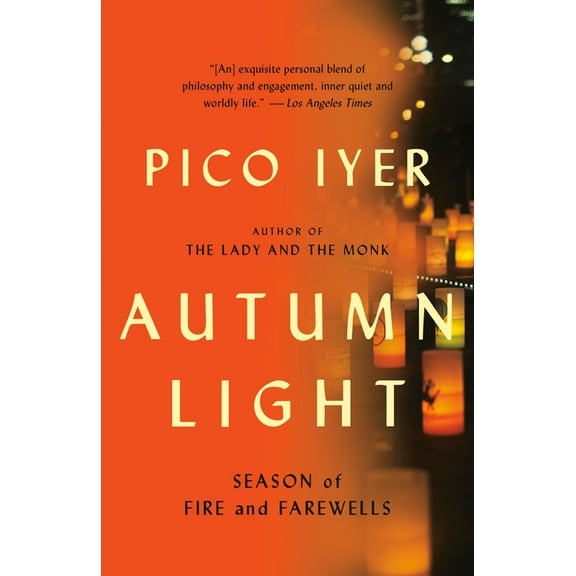 $1551current price $15.51
Autumn Light: Season of Fire and Farewells, (Paperback)
Pre-Owned 500 Fast & Fabulous Five Star 5 Ingredient Recipes (Paperback) 1934193054 9781934193051 $3.99
 $399current price $3.99
Pre-Owned 500 Fast & Fabulous Five Star 5 Ingredient Recipes (Paperback) 1934193054 9781934193051
Gladi And The Giant Tomato Tree (The Fruit of Life), (Paperback) $16.99
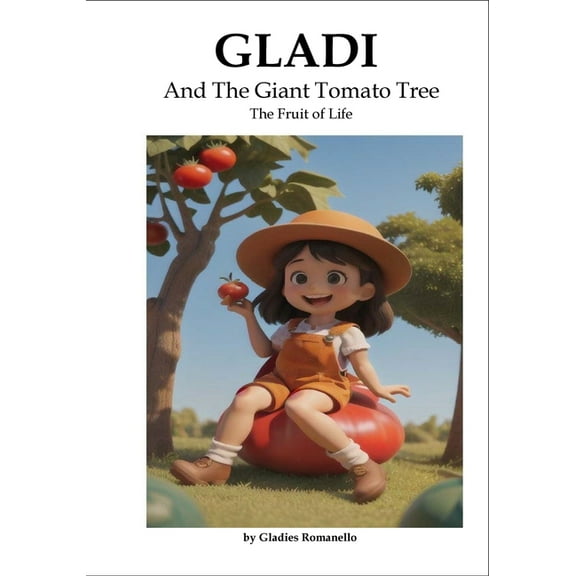 $1699current price $16.99
Gladi And The Giant Tomato Tree (The Fruit of Life), (Paperback)
The Economic Importance of the Fresh Fruit and Vegetable Industries in California; No. 105, (Paperback) $15.95
 $1595current price $15.95
The Economic Importance of the Fresh Fruit and Vegetable Industries in California; No. 105, (Paperback)
The World Is Not for Sale: Farmers Against Junk Food, (Paperback) $16.30
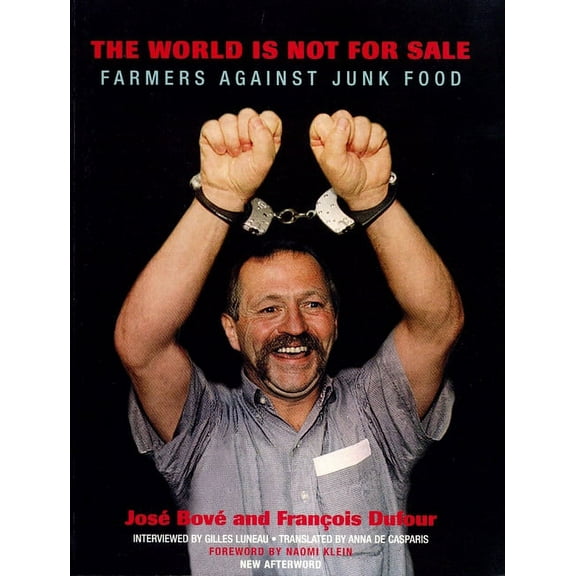 $1630current price $16.30
The World Is Not for Sale: Farmers Against Junk Food, (Paperback)
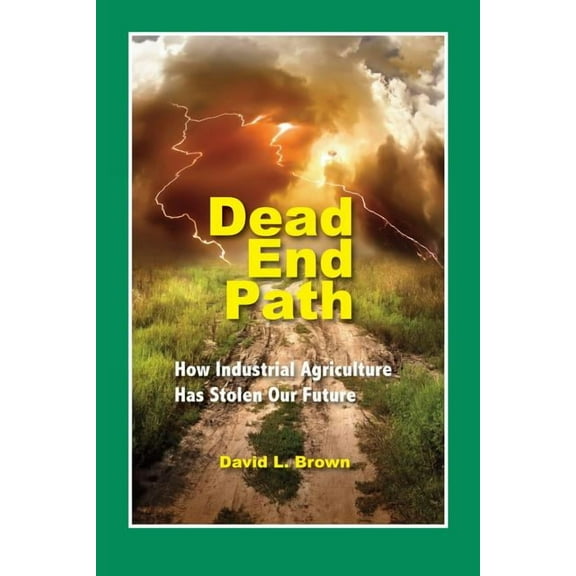
Dead End Path: How Industrial Agriculture Has Stolen Our Future Paperback $12.95
 $1295current price $12.95
Dead End Path: How Industrial Agriculture Has Stolen Our Future Paperback
Customer ratings & reviews
0 ratings|0 reviews
This item does not have any reviews yet
