

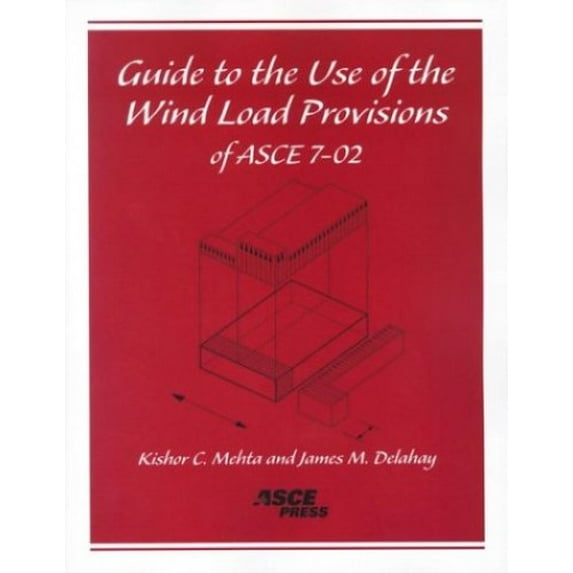
Pre-Owned Asce Press: Guide to the Use of the Wind Load Provisions of Asce 7-02 (Paperback)
- Free shipping
- Free 30-day returns
How do you want your item?


About this item
What is the Walmart Pre-Owned Program?
Walmart Pre-Owned allows you to find previously owned, well-cared-for items from Walmart’s trusted & performance-managed sellers. Shopping Pre-Owned allows you to bring home the best-quality picks at even lower prices, in addition to extending the life of an item & reducing waste. Find your favorites & shop a range of conditions in every category.
Why Walmart Pre-Owned?

Trusted sellers & quality items
Each Pre-Owned item listed comes from Walmart’s trusted performance-managed sellers, to ensure you get quality items.
Quality you can afford
Save even more on top brands & your most-loved items.
30-day free returns
Don’t love it? Most items offer a 30-day* free return policy, for added peace of mind.

Sustainability
Shopping Pre-Owned helps in extending the life of an item & reducing waste.
Product image for illustration purposes only. The item you receive may vary from the image in minor ways, such as slight differences in appearance, color, and/or design. *Exceptions apply during holiday season, and on certain electronics, collectibles, and jewelry.
What is the Walmart Pre-Owned Program?
Walmart Pre-Owned allows you to find previously owned, well-cared-for items from Walmart’s trusted & performance-managed sellers. Shopping Pre-Owned allows you to bring home the best-quality picks at even lower prices, in addition to extending the life of an item & reducing waste. Find your favorites & shop a range of conditions in every category.
Why Walmart Pre-Owned?
Trusted sellers & quality items
Each Pre-Owned item listed comes from Walmart’s trusted performance-managed sellers, to ensure you get quality items.

Quality you can afford
Save even more on top brands & your most-loved items.
30-day free returns
Don’t love it? Most items offer a 30-day* free return policy, for added peace of mind.

Sustainability
Shopping Pre-Owned helps in extending the life of an item & reducing waste.
Product image for illustration purposes only. The item you receive may vary from the image in minor ways, such as slight differences in appearance, color, and/or design. *Exceptions apply during holiday season, and on certain electronics, collectibles, and jewelry.
