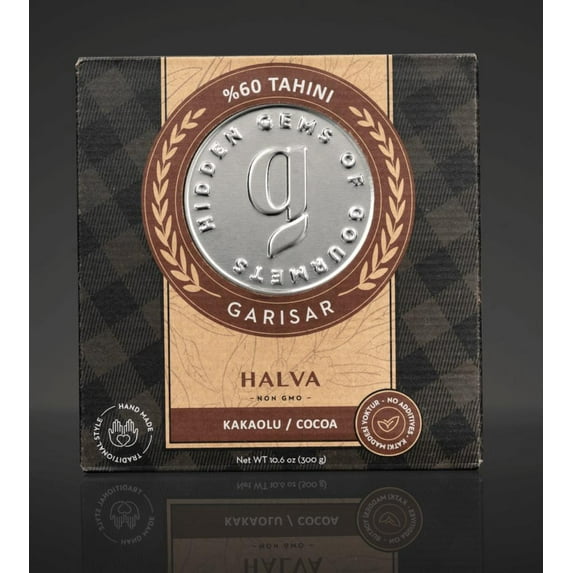
Flavor extending from the Aegean shores to your tables (Soke Milas): Garisar Tahini is superior to other types of tahini because it is made with sesame seeds that are gathered from Soke and Milas in specific stone mills using a traditional Turkish method without the use of chemicals or preservatives. Sesames from Soke and Milas in Turkey typically have greater quality for a few reasons. For starters, Turkey's climate is perfect for cultivating sesame seeds because it is warm and sunny without being oppressively hot or dry. This indicates that sesame seeds have a high oil content and grow large and plump. These areas of Turkey also have exceptionally rich soils in vital minerals, which give the seeds a richer flavor. This is among the main causes of the exceptional flavor of Garisar Tahini. Some of the oldest and most seasoned sesame producers in the world are located in Soke and Milas. For many centuries, these farmers have been honing their trade as it has been passed down through families. They are quite familiar with the plant, and their expertise enables them to produce harvests of better and higher quality. Tahini: Middle Eastern sesame butter or paste known as tahini, also known as tahina, is produced from ground sesame seeds. It can be found in dips like hummus and baba ghanoush, drizzled on sandwiches with falafel, and made into tarator, a tahini-lemon-garlic sauce that is great with shawarma, fish, and vegetables. Additionally, tahini is utilized in the cuisines of the South Caucasus, Levantine, East Mediterranean, and North African nations. It works nicely with both sweet and savory dishes, especially halva, a sesame-based confection with a crumbly-meets-fudgy consistency. Dibs bi tahini is a traditional delicacy in Lebanon made from tahini and carob molasses (though maple syrup or honey can be subbed, too). Tahini is becoming more well-liked in the United States as a baking ingredient because it gives banana bread, cookies, and tarts a creamy texture.