


Andersonvilles of the North : The Myths and Realities of Northern Treatment of Civil War Confederate Prisoners (Paperback)
(No ratings yet)
Key item features
Soon after the close of military operations in the American Civil War, another war began over how it would be remembered by future generations. The prisoner-of-war issue has figured prominently in Northern and Southern writing about the conflict. Northerners used tales of Andersonville to demonize the Confederacy, while Southerners vilified Northern prison policies to show the depths to which Yankees had sunk to attain victory.
Over the years the postwar Northern portrayal of Andersonville as fiendishly designed to kill prisoners in mass quantities has largely been dismissed. The Lost Cause characterization of Union prison policies as criminally negligent and inhumane, however, has shown remarkable durability. Northern officials have been portrayed as turning their military prisons into concentration camps where Southern prisoners were poorly fed, clothed, and sheltered, resulting in inexcusably high numbers of deaths.
Andersonvilles of the North, by James M. Gillispie, represents the first broad study to argue that the image of Union prison officials as negligent and cruel to Confederate prisoners is severely flawed. This study is not an attempt to “whitewash” Union prison policies or make light of Confederate prisoner mortality. But once the careful reader disregards unreliable postwar polemics, and focuses exclusively on the more reliable wartime records and documents from both Northern and Southern sources, then a much different, less negative, picture of Northern prison life emerges. While life in Northern prisons was difficult and potentially deadly, no evidence exists of a conspiracy to neglect or mistreat Southern captives. Confederate prisoners’ suffering and death were due to a number of factors, but it would seem that Yankee apathy and malice were rarely among them.
In fact, likely the most significant single factor in Confederate (and all) prisoner mortality during the Civil War was the halting of the prisoner exchange cartel in the late spring of 1863. Though Northern officials have long been condemned for coldly calculating that doing so aided their war effort, the evidence convincingly suggests that the South’s staunch refusal to exchange black Union prisoners was actually the key sticking point in negotiations to resume exchanges from mid-1863 to 1865.
Ultimately Gillispie concludes that Northern prisoner-of-war policies were far more humane and reasonable than generally depicted. His careful analysis will be welcomed by historians of the Civil War, the South, and of American history.
Over the years the postwar Northern portrayal of Andersonville as fiendishly designed to kill prisoners in mass quantities has largely been dismissed. The Lost Cause characterization of Union prison policies as criminally negligent and inhumane, however, has shown remarkable durability. Northern officials have been portrayed as turning their military prisons into concentration camps where Southern prisoners were poorly fed, clothed, and sheltered, resulting in inexcusably high numbers of deaths.
Andersonvilles of the North, by James M. Gillispie, represents the first broad study to argue that the image of Union prison officials as negligent and cruel to Confederate prisoners is severely flawed. This study is not an attempt to “whitewash” Union prison policies or make light of Confederate prisoner mortality. But once the careful reader disregards unreliable postwar polemics, and focuses exclusively on the more reliable wartime records and documents from both Northern and Southern sources, then a much different, less negative, picture of Northern prison life emerges. While life in Northern prisons was difficult and potentially deadly, no evidence exists of a conspiracy to neglect or mistreat Southern captives. Confederate prisoners’ suffering and death were due to a number of factors, but it would seem that Yankee apathy and malice were rarely among them.
In fact, likely the most significant single factor in Confederate (and all) prisoner mortality during the Civil War was the halting of the prisoner exchange cartel in the late spring of 1863. Though Northern officials have long been condemned for coldly calculating that doing so aided their war effort, the evidence convincingly suggests that the South’s staunch refusal to exchange black Union prisoners was actually the key sticking point in negotiations to resume exchanges from mid-1863 to 1865.
Ultimately Gillispie concludes that Northern prisoner-of-war policies were far more humane and reasonable than generally depicted. His careful analysis will be welcomed by historians of the Civil War, the South, and of American history.
Specs
- Book formatPaperback
- Fiction/nonfictionNon-Fiction
- GenreHistory
- Publication dateApril, 2011
- Pages296
- Edition1
Current price is USD$27.10
Price when purchased online
Out of stock
How do you want your item?
Out of stock
About this item
Product details
The first broad study to argue that the image of Union prison officials as deliberately negligent and cruel to Confederate prisoners is severely flawed. Once the careful reader disregards unreliable postwar polemics, and focuses exclusively on the more reliable wartime records and documents from both Northern and Southern sources, then a much different, less negative, picture of Northern prison life emerges.
Soon after the close of military operations in the American Civil War, another war began over how it would be remembered by future generations. The prisoner-of-war issue has figured prominently in Northern and Southern writing about the conflict. Northerners used tales of Andersonville to demonize the Confederacy, while Southerners vilified Northern prison policies to show the depths to which Yankees had sunk to attain victory.
Over the years the postwar Northern portrayal of Andersonville as fiendishly designed to kill prisoners in mass quantities has largely been dismissed. The Lost Cause characterization of Union prison policies as criminally negligent and inhumane, however, has shown remarkable durability. Northern officials have been portrayed as turning their military prisons into concentration camps where Southern prisoners were poorly fed, clothed, and sheltered, resulting in inexcusably high numbers of deaths.
Andersonvilles of the North, by James M. Gillispie, represents the first broad study to argue that the image of Union prison officials as negligent and cruel to Confederate prisoners is severely flawed. This study is not an attempt to “whitewash” Union prison policies or make light of Confederate prisoner mortality. But once the careful reader disregards unreliable postwar polemics, and focuses exclusively on the more reliable wartime records and documents from both Northern and Southern sources, then a much different, less negative, picture of Northern prison life emerges. While life in Northern prisons was difficult and potentially deadly, no evidence exists of a conspiracy to neglect or mistreat Southern captives. Confederate prisoners’ suffering and death were due to a number of factors, but it would seem that Yankee apathy and malice were rarely among them.
In fact, likely the most significant single factor in Confederate (and all) prisoner mortality during the Civil War was the halting of the prisoner exchange cartel in the late spring of 1863. Though Northern officials have long been condemned for coldly calculating that doing so aided their war effort, the evidence convincingly suggests that the South’s staunch refusal to exchange black Union prisoners was actually the key sticking point in negotiations to resume exchanges from mid-1863 to 1865.
Ultimately Gillispie concludes that Northern prisoner-of-war policies were far more humane and reasonable than generally depicted. His careful analysis will be welcomed by historians of the Civil War, the South, and of American history.
Over the years the postwar Northern portrayal of Andersonville as fiendishly designed to kill prisoners in mass quantities has largely been dismissed. The Lost Cause characterization of Union prison policies as criminally negligent and inhumane, however, has shown remarkable durability. Northern officials have been portrayed as turning their military prisons into concentration camps where Southern prisoners were poorly fed, clothed, and sheltered, resulting in inexcusably high numbers of deaths.
Andersonvilles of the North, by James M. Gillispie, represents the first broad study to argue that the image of Union prison officials as negligent and cruel to Confederate prisoners is severely flawed. This study is not an attempt to “whitewash” Union prison policies or make light of Confederate prisoner mortality. But once the careful reader disregards unreliable postwar polemics, and focuses exclusively on the more reliable wartime records and documents from both Northern and Southern sources, then a much different, less negative, picture of Northern prison life emerges. While life in Northern prisons was difficult and potentially deadly, no evidence exists of a conspiracy to neglect or mistreat Southern captives. Confederate prisoners’ suffering and death were due to a number of factors, but it would seem that Yankee apathy and malice were rarely among them.
In fact, likely the most significant single factor in Confederate (and all) prisoner mortality during the Civil War was the halting of the prisoner exchange cartel in the late spring of 1863. Though Northern officials have long been condemned for coldly calculating that doing so aided their war effort, the evidence convincingly suggests that the South’s staunch refusal to exchange black Union prisoners was actually the key sticking point in negotiations to resume exchanges from mid-1863 to 1865.
Ultimately Gillispie concludes that Northern prisoner-of-war policies were far more humane and reasonable than generally depicted. His careful analysis will be welcomed by historians of the Civil War, the South, and of American history.
info:
We aim to show you accurate product information. Manufacturers, suppliers and others provide what you see here, and we have not verified it.
Specifications
Book format
Paperback
Fiction/nonfiction
Non-Fiction
Genre
History
Publication date
April, 2011
Warranty
Warranty information
Please be aware that the warranty terms on items offered for sale by third party Marketplace sellers may differ from those displayed in this section (if any). To confirm warranty terms on an item offered for sale by a third party Marketplace seller, please use the 'Contact seller' feature on the third party Marketplace seller's information page and request the item's warranty terms prior to purchase.
Similar items you might like
Based on what customers bought
Civil War Era in the South Catholic Confederates: Faith and Duty in the Civil War South, (Paperback) $26.99
 $2699current price $26.99
Civil War Era in the South Catholic Confederates: Faith and Duty in the Civil War South, (Paperback)
Theaters of the American Revolution: Northern, Middle, Southern, Western, Naval, (Paperback) $27.97
 $2797current price $27.97
Theaters of the American Revolution: Northern, Middle, Southern, Western, Naval, (Paperback)
Dixie Betrayed, (Hardcover) $18.62
 $1862current price $18.62
Dixie Betrayed, (Hardcover)
RMA to ONA: The Saga of an Effects-Based Operation, (Paperback) $15.95 Was $25.08
 $1595current price $15.95, Was $25.08$25.08
RMA to ONA: The Saga of an Effects-Based Operation, (Paperback)
Boys of '67: From Vietnam to Iraq, the Extraordinary Story of a Few Good Men, (Paperback) $25.95
 $2595current price $25.95
Boys of '67: From Vietnam to Iraq, the Extraordinary Story of a Few Good Men, (Paperback)
Where a Hundred Soldiers Were Killed: The Struggle for the Powder River Country in 1866 and the Making of the Fetterman , (Paperback) $26.57
 $2657current price $26.57
Where a Hundred Soldiers Were Killed: The Struggle for the Powder River Country in 1866 and the Making of the Fetterman , (Paperback)
No Diplomacy: Musings of an Apathetic Soldier, (Paperback) $13.66
 $1366current price $13.66
No Diplomacy: Musings of an Apathetic Soldier, (Paperback)
New York's North Country and the Civil War: Soldiers, Civilians and Legacies, (Hardcover) $27.11
 $2711current price $27.11
New York's North Country and the Civil War: Soldiers, Civilians and Legacies, (Hardcover)
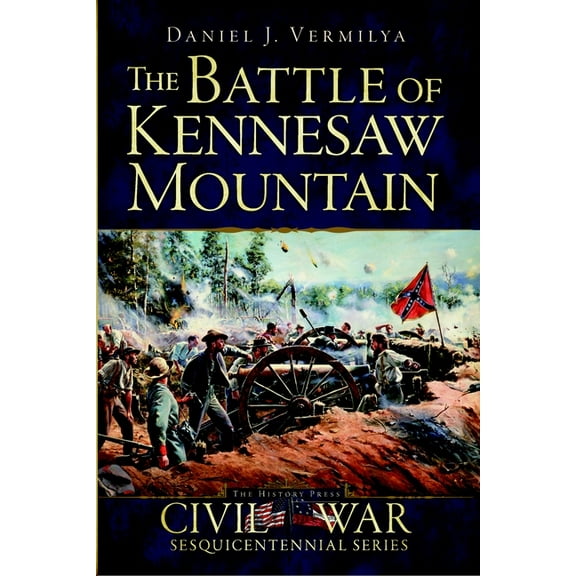
Civil War The Battle of Kennesaw Mountain, (Paperback) $12.43
 $1243current price $12.43
Civil War The Battle of Kennesaw Mountain, (Paperback)
From the Sands of Kandahar, (Paperback) $30.17
 $3017current price $30.17
From the Sands of Kandahar, (Paperback)
The I. W. W.: A Study Of American Syndicalism, (Paperback) $26.99
 $2699current price $26.99
The I. W. W.: A Study Of American Syndicalism, (Paperback)
Letters to Tobitha: A Personal History of the Civil War (Paperback) $19.31
 $1931current price $19.31
Letters to Tobitha: A Personal History of the Civil War (Paperback)
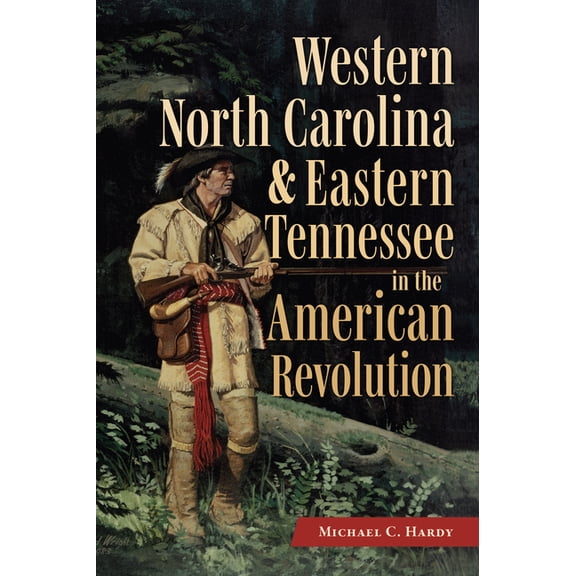
Military Western North Carolina and Eastern Tennessee in the American Revolution, (Paperback) $24.86
 $2486current price $24.86
Military Western North Carolina and Eastern Tennessee in the American Revolution, (Paperback)
Pre-Owned The South vs. The South: How Anti-Confederate Southerners Shaped the Course of the Civil War (Paperback) 0195156293 9780195156294 $6.47
 2 optionsAvailable in additional 2 options$647current price $6.47
Pre-Owned The South vs. The South: How Anti-Confederate Southerners Shaped the Course of the Civil War (Paperback) 0195156293 9780195156294
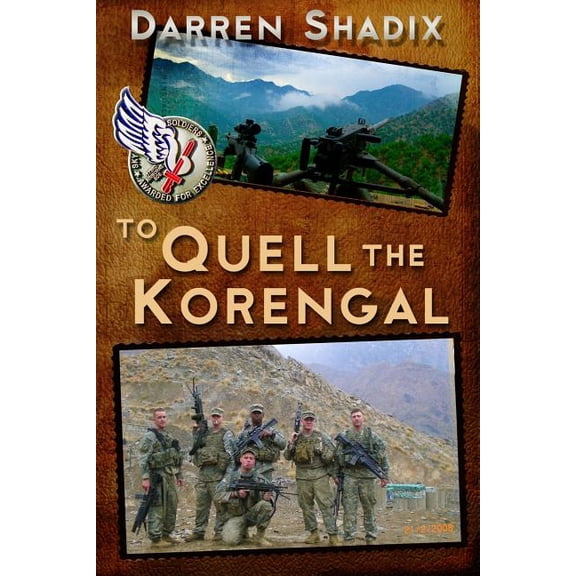
To Quell The Korengal (Paperback) $14.99
 $1499current price $14.99
To Quell The Korengal (Paperback)
The Traitors Circle $40.77
 $4077current price $40.77
The Traitors Circle
Never Too Old for War, (Paperback) $18.38
 $1838current price $18.38
Never Too Old for War, (Paperback)
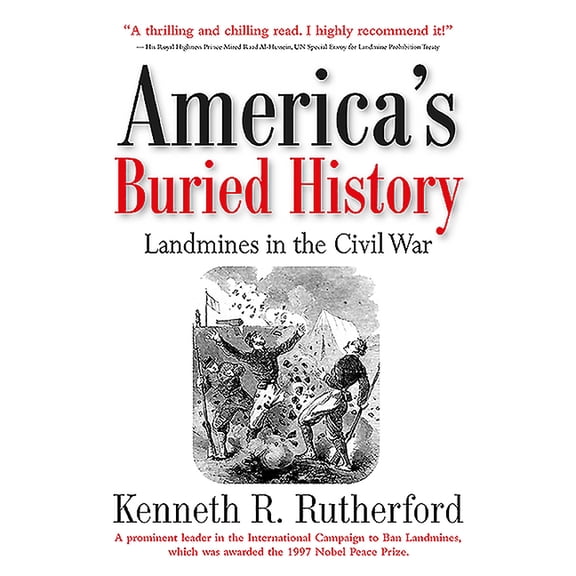
America's Buried History: Landmines in the Civil War (Hardcover) $23.84
 $2384current price $23.84
America's Buried History: Landmines in the Civil War (Hardcover)
Pre-Owned The Art of War Paperback $5.96
 2 optionsAvailable in additional 2 options$596current price $5.96
Pre-Owned The Art of War Paperback
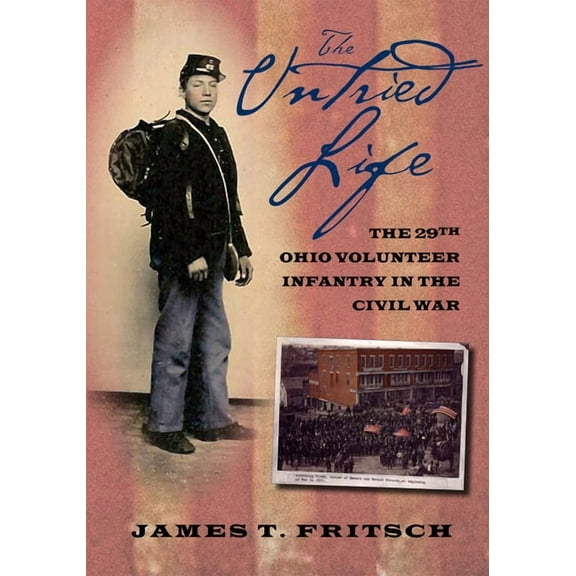
The Untried Life: The Twenty-Ninth Ohio Volunteer Infantry in the Civil War, (Paperback) $40.54
 $4054current price $40.54
The Untried Life: The Twenty-Ninth Ohio Volunteer Infantry in the Civil War, (Paperback)
Customer ratings & reviews
0 ratings|0 reviews
This item does not have any reviews yet

Related pages
- Civil War United States History Books
- United States Military History Books
- Canada Military History Books
- History Channel Civil War Nation Divided
- Presidents War
- Instant Civil War
- Lincoln Group Of Chicago
- Civil War History Channel
- Frank Lincoln Mather
- Wales History Books
- Revolutionary Period United States History Books
- Pictorial Military History Books