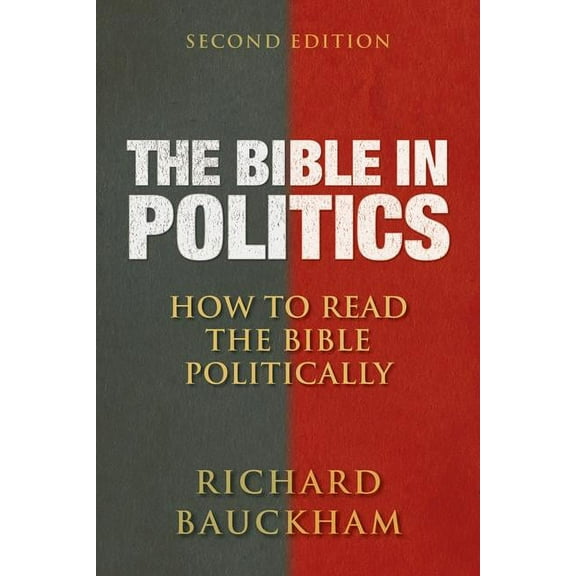
Years ago I chaired a committee which set an organization's policy on environmental issues. The "Biblical basis" section of the document was a page or two long. At the time I thought that was complete. I wish I had known of Richard Bauckham! Bauckham's book gives a truly comprehensive look at what the Bible has to say about our relationship with creation and how we are to respond to its mandate.
Bauckham begins by looking into what Genesis means by stewardship and how that fits into modern humanity and our understanding of the world. He finds that stewardship does not mean any attempt to exert absolute control over creation, as that authority belongs to God. Instead, we need to respond to God's ongoing work in creation and understand our place as stewards who are within, not above it. Our relationship to the rest of creation, understood correctly, is both horizontal and vertical, we are stewards alongside those we are stewarding rather than apart from them.
Bauckham then moves through the creation account, Adam and Eve, Noah and the flood, pulling much more out of the texts than I had seen but never appearing the least bit arbitrary or inserting anything into the text that wasn't there. He then gets into the Israelite land laws, creation in Job, in the Psalms, in the Prophets, and our hope for the future of creation as it plays through all of these. Through all of these he adds insights from Jesus and from Paul, and finally ends on the vision of Revelation.
Throughout the entire survey Bauckham doesn't merely list and evaluate passages but also coalesces their message into a systematic whole that takes the entire witness of the Bible into account. It is a careful, remarkable achievement that had to take a great deal of understanding and work to put together. I can't recommend it more highly as a theological work or a basis for forward action.