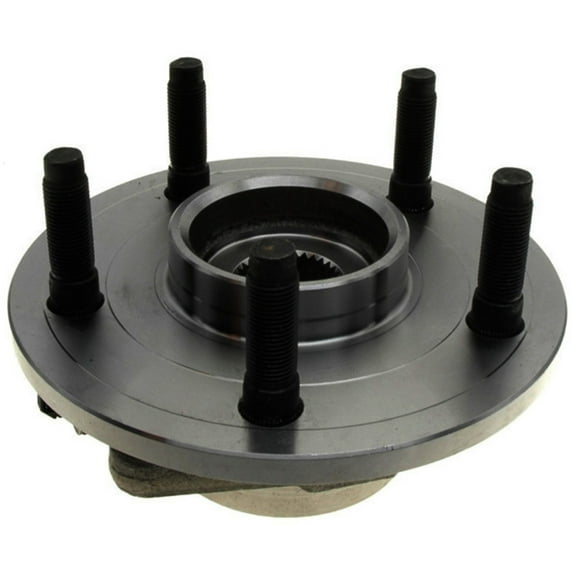
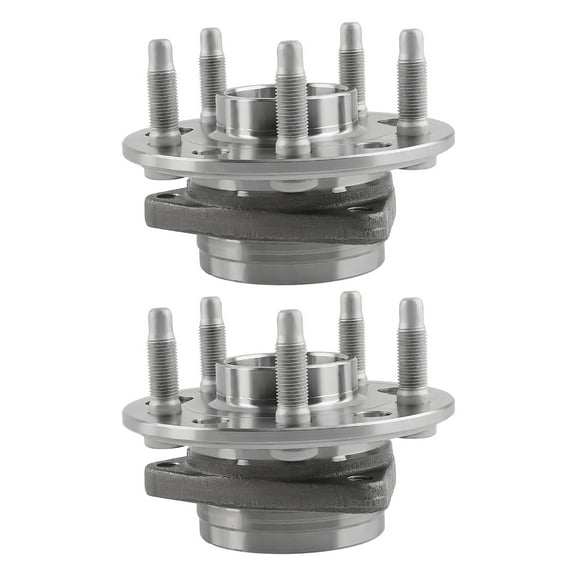
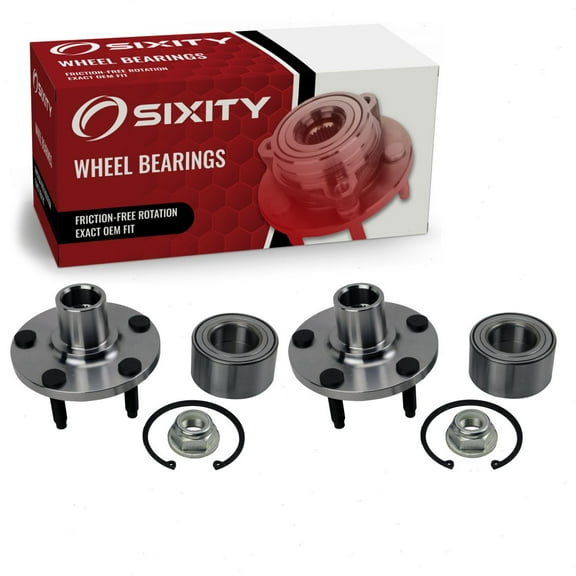
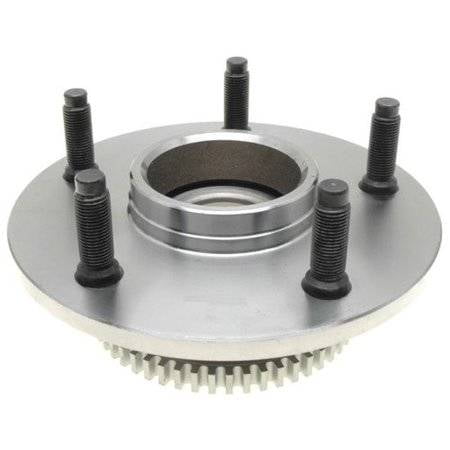
Application:
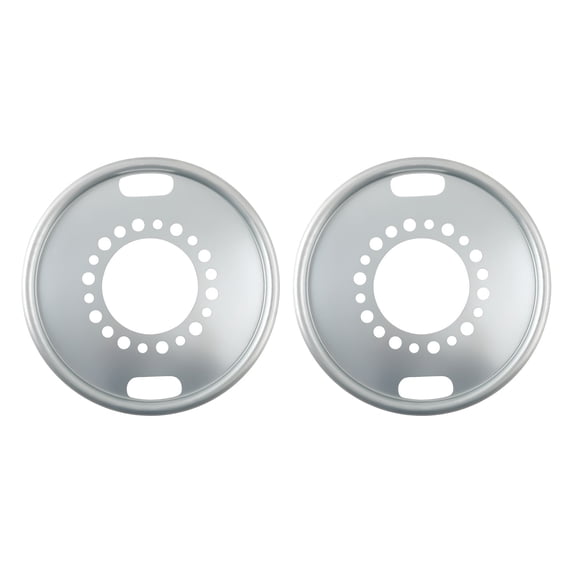
for Heavy Duty Trucks that 22.5" rims with an 11.25" 10 holes bolt pattern!
Condition: New
Fitment Type: Direct Replacement
Wheel Size: 22.5 in.
Bolt Holes: 10
Bolt Circle: 11.25 in.
* Smoother Ride
* Increases tire life 25%-50%
* Reduces vibration
* Helps prevent tire cupping
* No pre-balancing required
* Lower tire operating temps 8%-10%
* High quality Metal and constructed for Anti-rust and Anti-corrosion.
* High quality and durable for stable performance and long time use.
Our balancers can last a long time and remain in good condition.
At what speed does the car start working?
Most models have a starting speed of 20-22 miles per hour, depending on wheel diameter.
Remove the wheel, use the bolt holes as a guide, and reinstall the wheel. The steering shaft balancer is mounted between the hub and the wheel, while the balancer is mounted between the twin wheels.
By centrifugal force, the freely moving weight (hard metal and synthetic fluid) sealed in the balancer is automatically distributed to the desired position, leaving the assembly in a balanced or perfectly balanced state. When the spring assembly is out of balance, the deflection is caused by the spring or tire sidewall. These free-moving weights sense this deflection and move on the opposite side of the weight to balance the entire assembly, wheels, tires, drums, hubs, and even mud, snow, or ice stuck to the wheels.
What to do if the tires are installed improperly or if the tire beads are installed improperly?
This problem can be found by examining the junction between the wheel and the tire. A guide frame or circular ring is molded into the sidewall of the tire. Measure the distance from the wheel to the guide rib (approximately). 1/2 inch (depending on tire brand), at the top, bottom, and sides, a variation in this distance indicates a mounting error. The wrong tire will roll out. This will lead to erratic tire wear and vibration, no matter how balanced it is. The relocation head correctly corrected the problem.
Adjust the direction and travel of the control tire. Vehicles must be calibrated to strict specifications by reliable calibration equipment. If the proper alignment is not maintained, the tires will wear prematurely and vibrate.Worn, loose, or missing suspension components must be replaced. Centralize the balance of components, but cannot correct alignment problems. Many tire wear and misoperation are caused by misalignment.




 WARNING: