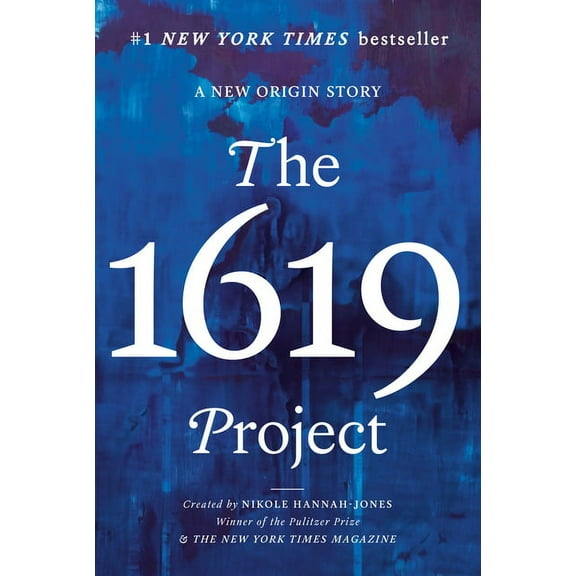
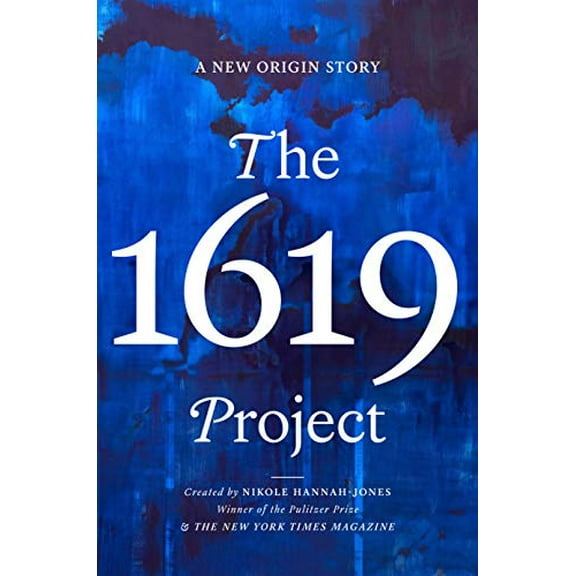
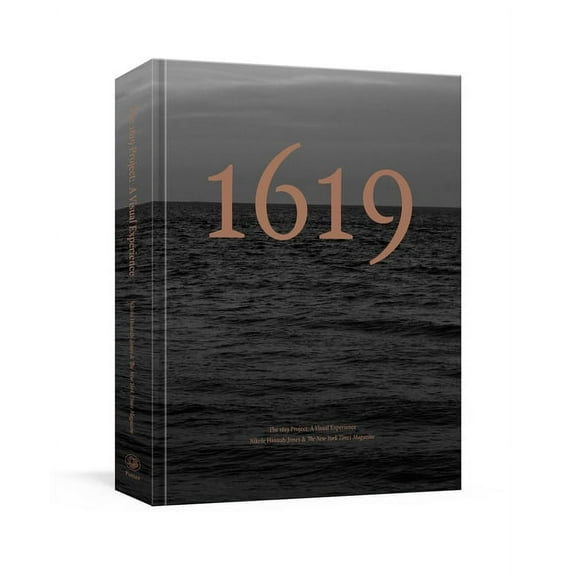
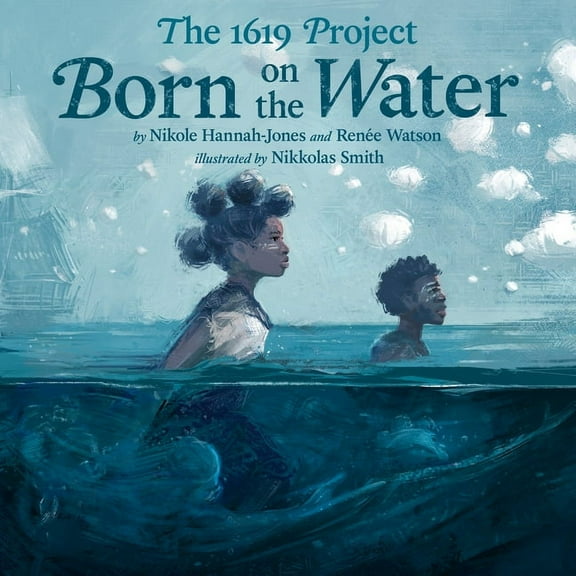
Nikole Hannah-Jones' The 1619 Project: A New Origin Story offers a profound and necessary reframing of America's historical narrative. Too often, the nation's memory begins in 1776 with lofty ideals of liberty, while deliberately omitting the darker foundations of that liberty—chattel slavery. This text accurately accounts for the true beginnings of slavery in what would become the United States, grounding the American story in 1619, when the first enslaved Africans were brought to Virginia. By centering this reality, the work refuses to sanitize the brutality, inhumanity, and systemic violence that slavery produced, and it confronts the myths that have long obscured the truth of our origins.
What makes the book particularly powerful is not simply its unmasking of the past, but its insistence on tracing the enduring impact of slavery's legacy in every sphere of American life—politics, law, culture, education, and economics. It reveals how deeply slavery shaped the nation's structures and values, and how racism was woven into the fabric of democracy itself. This honest accounting is not revisionist in the pejorative sense often charged by critics, but restorative—restoring voices, lives, and truths long excluded from America's telling of itself.
Yet, as a Black man reading this work, I cannot help but see not only the weight of oppression but also the miracle of resistance and resilience. The text implicitly testifies that despite slavery's calculated effort to dehumanize, it could not extinguish the brilliance of the Black mind. From the fields to the classroom, from the hush harbors to the lecture halls, African Americans cultivated intellectual, spiritual, and cultural excellence that has contributed immeasurably to this nation and the world. The project underscores that while slavery sought to reduce Black people to property, it could not strip us of creativity, ingenuity, and intellectual fire.
Thus, The 1619 Project functions on two levels. It is a sobering reminder of America's violent genesis, but it is also a celebration of Black endurance and excellence. The brutality of chattel slavery was real, but so too was the unbreakable will of a people who dared to learn, to create, to achieve, and to envision freedom even under the yoke of bondage. Our story is not one of victimhood alone but of agency, intellect, and faith.
In this sense, Hannah-Jones' work does more than retell history—it reclaims it. It offers the nation an opportunity to face its past honestly, while affirming that Black excellence has always been present, undiminished, and indestructible. It reminds America, and the world, that from the belly of slavery emerged not brokenness but brilliance, not silence but song, not erasure but excellence.