


Yellow Tail

Wines for any occasion





Great wine for all


FAQ
About Yellow Tail - Walmart.com
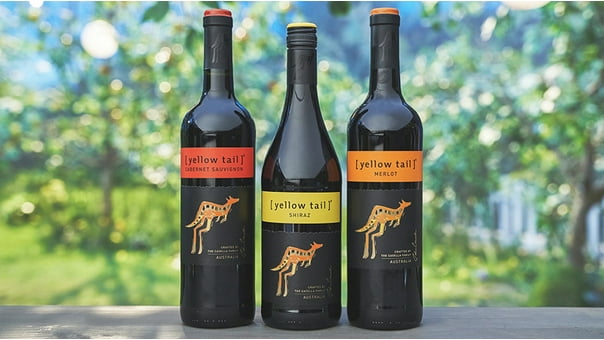
You can explore yellow tail with clear guidance on varietals, bottle sizes, and pairings for dinners, gatherings, and casual pouring. Your selection can stay focused because this brand shelf highlights familiar choices like Chardonnay, Shiraz, Cabernet Sauvignon, Merlot, and Pinot Grigio.
How to choose yellow tail by varietal
You should start with varietal because your choice shapes sweetness, body, and finish in the glass. A lighter option may suit your seafood course, while a fuller red can fit your steak night.
When you compare sweetness scale and tannin level, you can narrow your choice with less guesswork. Pinot Grigio can give your glass a crisper feel, while Cabernet Sauvignon can bring firmer tannin and a drier finish.
Merlot may fit your table when your group wants a softer red with smoother texture. Shiraz can suit your menu when your meal calls for ripe fruit character and fuller body.
- Your roast chicken, creamy pasta, or mild seafood can pair smoothly with Chardonnay.
- Your salads, shrimp, and lighter appetizers may match well with Pinot Grigio.
- Your burgers or pizza can feel easy to serve with Merlot on the table.
- Your steak, grilled meats, or aged cheeses may call for Cabernet Sauvignon.
- Your barbecue, hearty pasta, or bold sauces can suit the richer feel of Shiraz.
What to look for in yellowtail wine types
You can also compare wine type to match your occasion and menu. Red wine, white wine, rosé, and bubbles each give your table a different serving style.
For a cookout or pasta night, your red wine choice can anchor the meal with deeper fruit notes. With seafood, salads, or lighter dishes, your white wine or rosé can keep the pairing bright.
For celebrations, your bubbles can bring a lively pour that works well for toasts and shared serving. Within the same yellowtail wine family, your experience can shift noticeably by type.
Choosing the right yellow tail bottle size
You should compare bottle size based on your guest count and serving plan. A 750ml bottle can fit regular dinners, while a 1.5L bottle can support hosting and shared pours.
For a weeknight meal, your 750ml choice may feel easier to chill, pour, and store. During larger meals, your 1.5L option can keep glasses filled with fewer bottle changes.
When your bottle size matches your occasion, you can make serving feel more organized. Your fridge space and table setup can also stay easier to manage before guests arrive.
How flavor profile guides your yellow tail choice
You can use flavor profile as a shortcut when your labels start to feel similar. Sweet, dry, fruit-forward, and crisp styles can help your decision feel more practical.
If your taste leans bright and refreshing, your crisp white may suit citrus, salads, or lighter starters. If your preference leans rounder, your fruit-forward red can complement ripe tomato sauces or grilled dishes.
When your goal is a drier finish, you should compare body and tannin together. Cabernet Sauvignon can give your glass more structure, while Merlot may keep your sip softer and smoother.
Yellow tail wine pairings and serving guide
You can get more from yellow tail when your bottle matches your meal and serving temperature. Your tasting experience can feel more balanced when your wine supports the food instead of competing with it.
For white wine, your bottle can taste fresher when you chill it before serving. For red wine, your pour can stay balanced when you serve it slightly cool rather than too warm.
Seafood, shrimp, and lighter pasta can pair well with Chardonnay or Pinot Grigio on your table. Steak, burgers, and barbecue may fit more naturally with Shiraz, Merlot, or Cabernet Sauvignon.
Rosé can help your brunch spread or snack board feel easy to coordinate across different tastes. Bubbles may suit your gatherings when your guests want simple pours for toasts and mixed menus.
How yellowtail wine fits everyday occasions
You can keep yellowtail wine in mind for weeknight meals, holiday tables, and casual get-togethers. Your options can stay flexible across red, white, rosé, and sparkling styles when your menu changes.
A mixed selection can help your group cover common pairings without overcomplicating the table. Your crisp white, softer red, and fuller red can each serve a different dish or preference.
When your meal includes pizza, grilled chicken, or steak, you can compare varietal, bottle size, and flavor profile together. Your final pick can feel more confident because it fits your food, your guests, and your serving plan.
You can use this guide to compare varietals, wine types, bottle sizes, and flavor profiles with less guesswork. Your choice can land closer to the meal style and serving approach you already have in mind.