

.030 Gasless Flux Core Wire & Welding Wire | Walmart








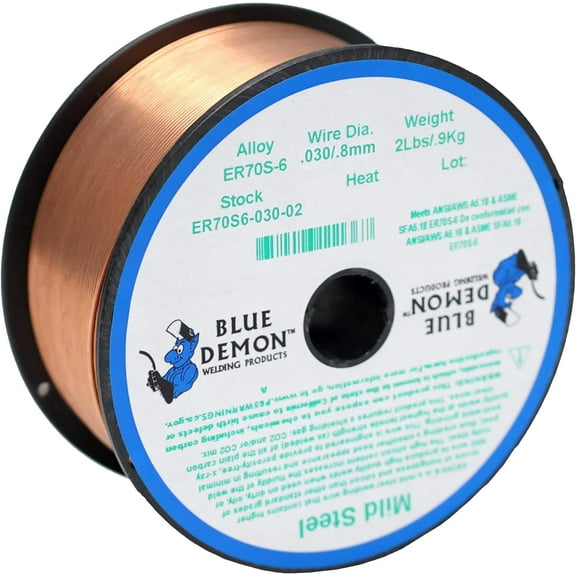
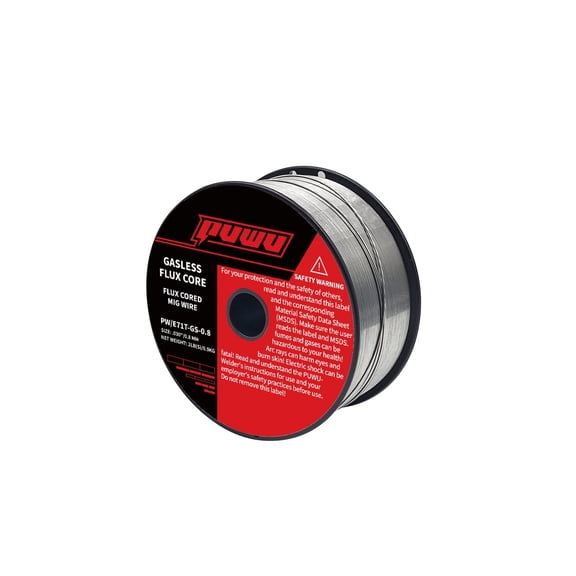
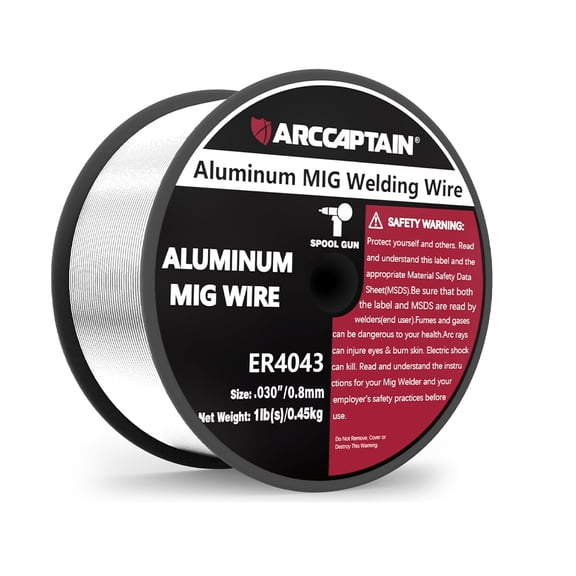









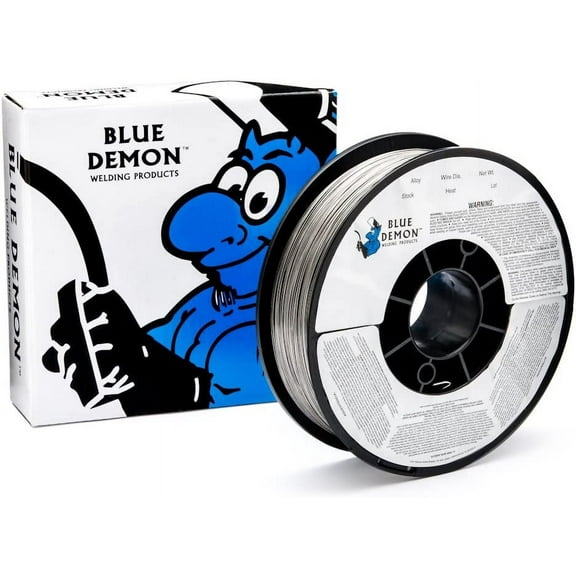
About .030 Gasless Flux Core Wire & Welding Wire | Walmart - Walmart.com
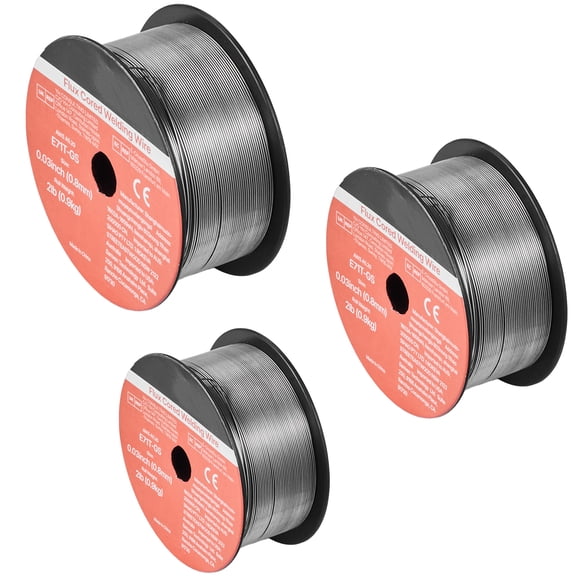
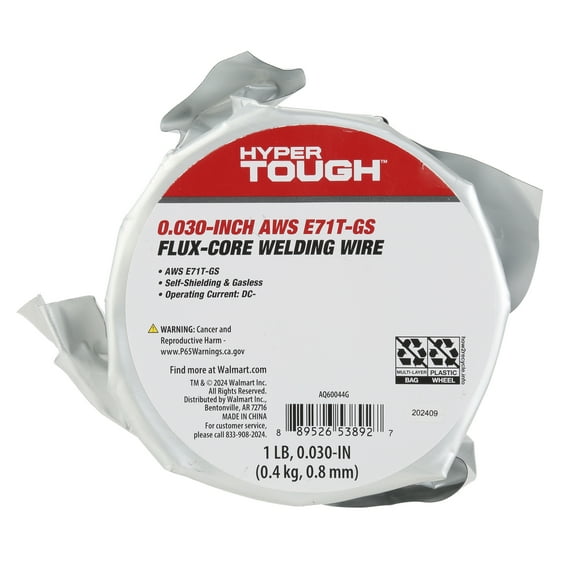
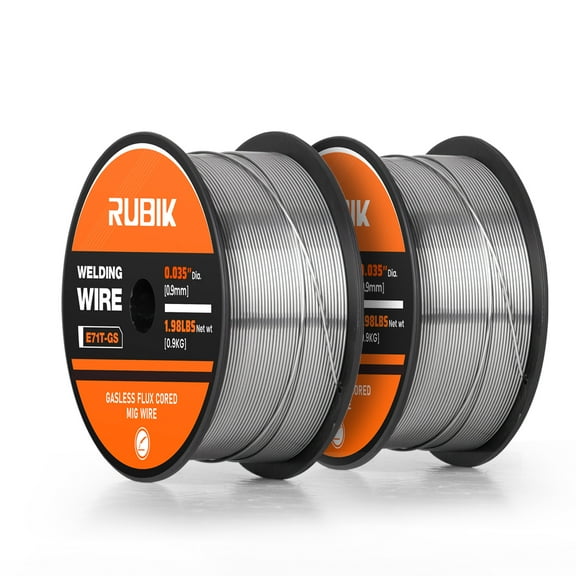
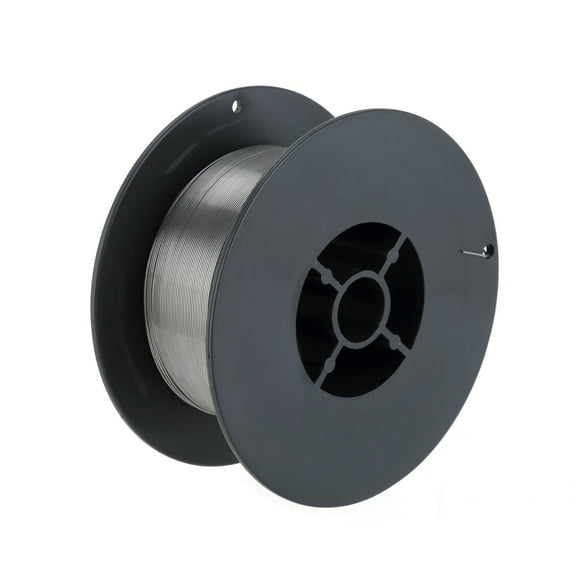
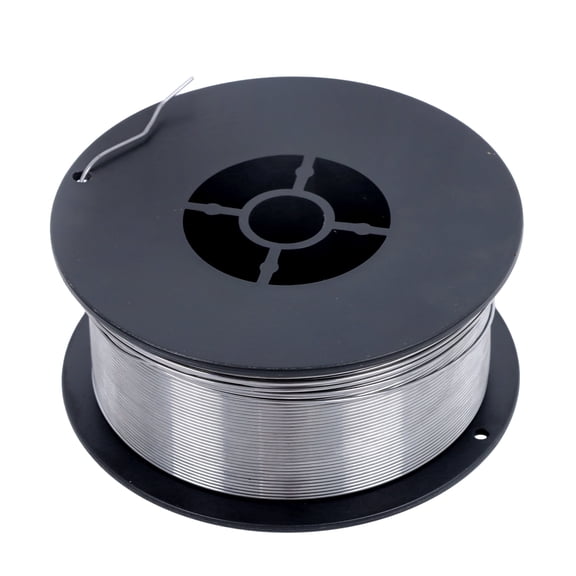
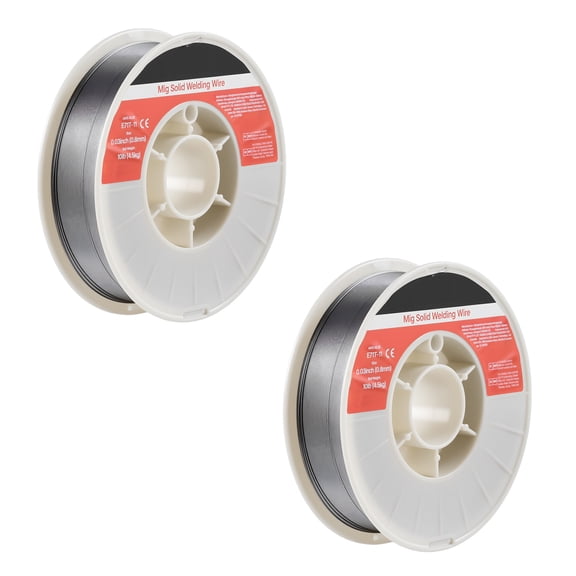
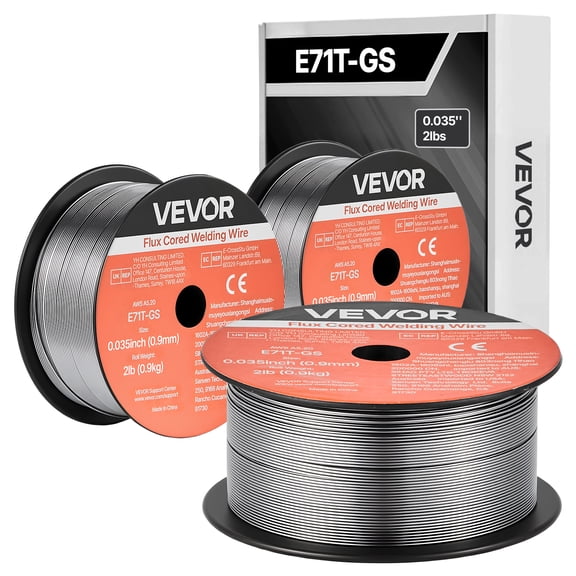
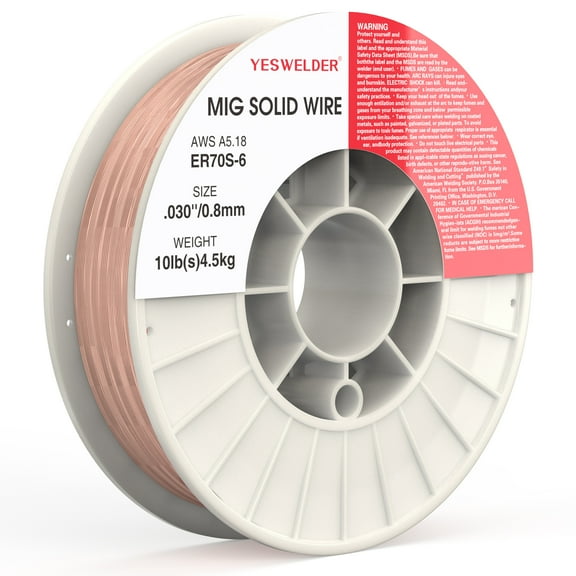
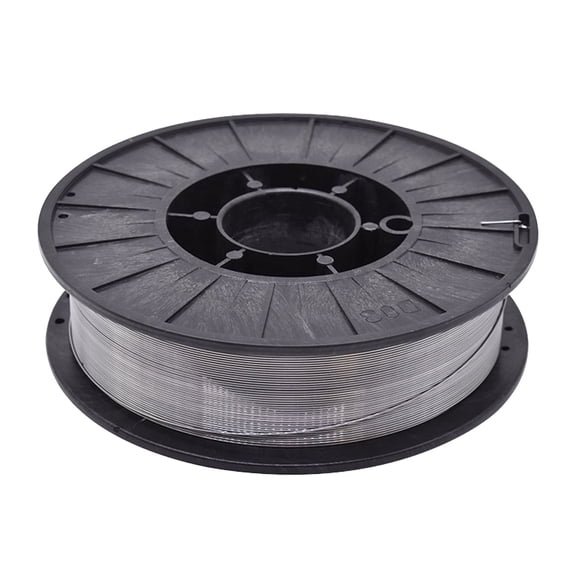
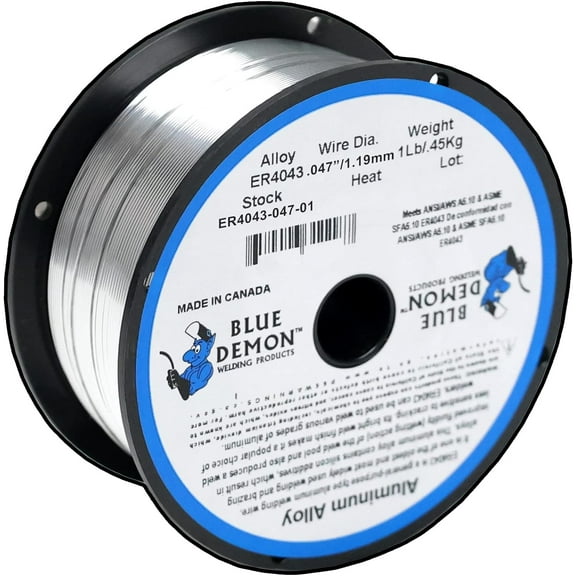
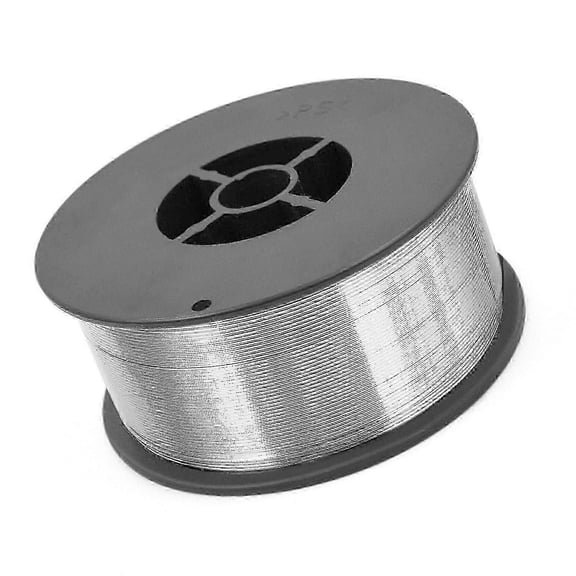
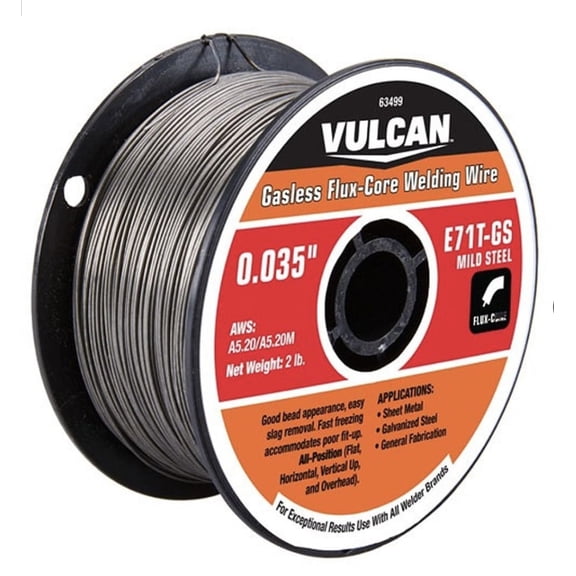
You can choose .030 gasless flux core wire for outdoor welding, quick setup, and steady feeding in compact MIG machines. You’ll also find welding wire options for steel, aluminum, and silicon bronze when your project calls for a different filler.
If you’re comparing wire on this page, you’re likely matching diameter, wire type, and spool size to your welder. You’ll get more useful results when you compare those decisions first instead of starting with brand names alone.
Choosing the right .030 gasless flux core wire
You should start with wire type because it changes how your welder runs and where you can work. You’ll often pick gasless flux core wire when you want to weld outside without carrying a shielding gas setup.
When you use flux core welding wire, you’ll usually notice stronger tolerance for breezy jobsite conditions. When you use solid MIG wire, you’ll usually choose shielding gas for a cleaner-looking bead indoors.
You can use this page to compare the wire styles that fit common MIG setups and common repair jobs. You’ll also see options that support small shop work, farm equipment fixes, and general fabrication tasks.
- You’ll get easier outdoor setup with gasless wire because you won’t need a separate gas bottle.
- You’ll narrow your choice faster when you match wire diameter to the thickness of your metal.
- You’ll reduce feed issues when you check spool size against your welder’s compartment and hub.
- You’ll compare material-specific wire for mild steel, aluminum, carbon steel, and silicon bronze applications.
How to compare wire type, diameter, and material
You should compare Flux Core, Solid MIG, Gasless, and Powder Cored wire as separate decisions, not interchangeable labels. You’ll usually see gasless and flux core overlap, while solid MIG wire points to a gas-shielded process.
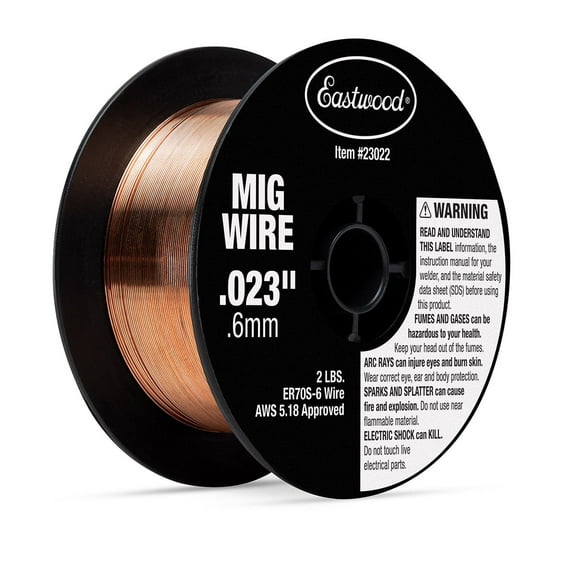
For diameter, you’ll often choose .030 gasless flux core wire when you want a versatile middle ground. You may prefer .023 mig wire for thinner metal, while .035 wire can suit thicker material and longer passes.
You should check whether your machine supports the wire diameter you want before you load a spool. You’ll also want drive rolls that match flux core or solid wire, because groove style affects feeding.
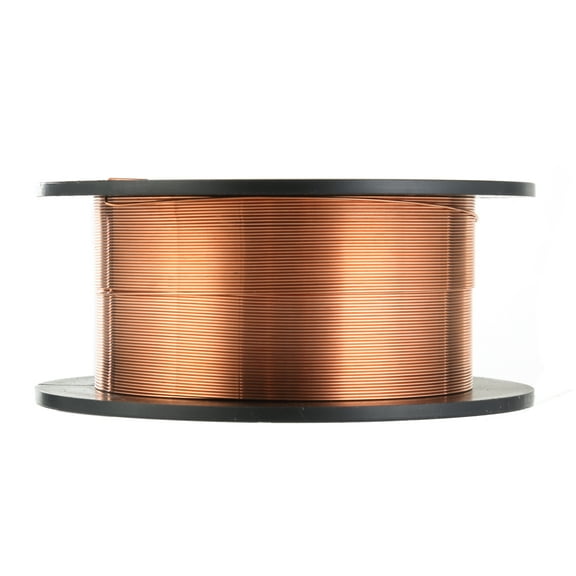
Material compatibility matters because you need filler that matches your base metal and your process. You’ll find mild steel wire for common repair work, aluminum-focused options for lighter metals, and silicon bronze mig wire for brazing tasks.
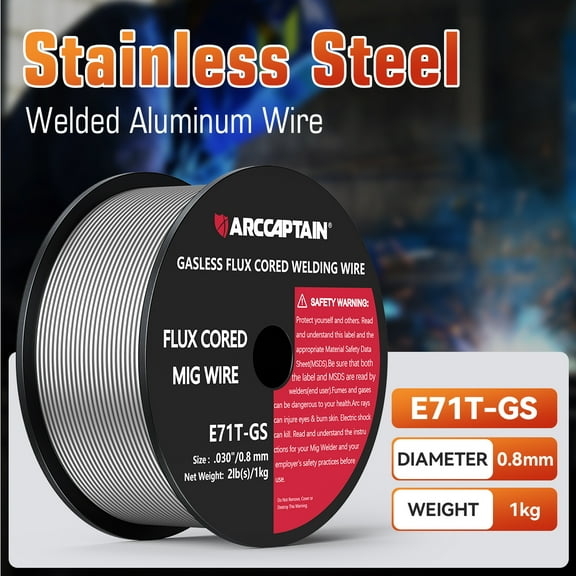
If you’re comparing gasless aluminum flux core wire or powder cored aluminum welding rod, you should review your machine notes closely. You’ll want to confirm polarity, liner setup, and feed system before you choose specialty wire.
What to look for in welder compatibility and spool size
You should confirm your welder type first, because this page centers on wire used with MIG-style equipment. You won’t use these wires the same way with TIG equipment, so your machine process matters before any other spec.
You should also measure spool hub size and compartment clearance before choosing a larger roll. You’ll avoid reload interruptions when your machine can accept the spool weight you plan to run.
Spool size affects how often you reload and how your machine handles the wire. You may choose a 2 lb spool for short repairs, while 10 lb, 11 lb, or 33 lb spools fit longer production runs.
If you’re searching 035 flux core wire 2lb spool, you’re likely balancing portability with enough wire for repeated use. You’ll often make that choice when your welder has limited space or when you move between job locations.
You should also check polarity recommendations before loading flux core welding wire into your machine. You’ll find that many gasless setups use different polarity than solid MIG wire with shielding gas.
Using welding wire for real projects
You can use .030 gasless flux core wire for fence repairs, trailer touch-ups, and outdoor brackets where wind can disrupt shielding gas. You’ll appreciate that setup when you need a practical wire for field work.
For thinner sheet metal, you may compare 0.023 mig wire with .030 options before starting. You’ll usually want the smaller diameter when you need more control on lighter gauge material.
If your work includes shop fabrication, you may choose solid MIG wire and shielding gas for smoother indoor results. You’ll often make that switch when airflow is controlled and surface appearance matters.
You can also compare aluminum and silicon bronze options when your project goes beyond mild steel. You’ll want aluminum-specific wire for compatible setups, and you’ll use silicon bronze mig wire for joining or brazing selected metals.
When you’re deciding where to buy welding wire, you’re usually looking for process fit and machine fit in one place. You’ll save time when wire type, diameter, material compatibility, and spool size are easy to compare side by side.
You can make a more confident choice when you match .030 gasless flux core wire, welder compatibility, and spool capacity before you weld. You’ll end up with wire that feeds smoothly, suits your metal, and fits your working conditions.