

Weekly Trips in Food















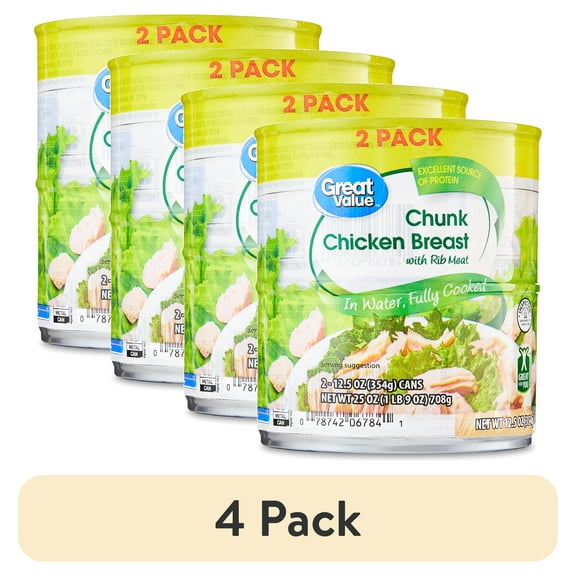



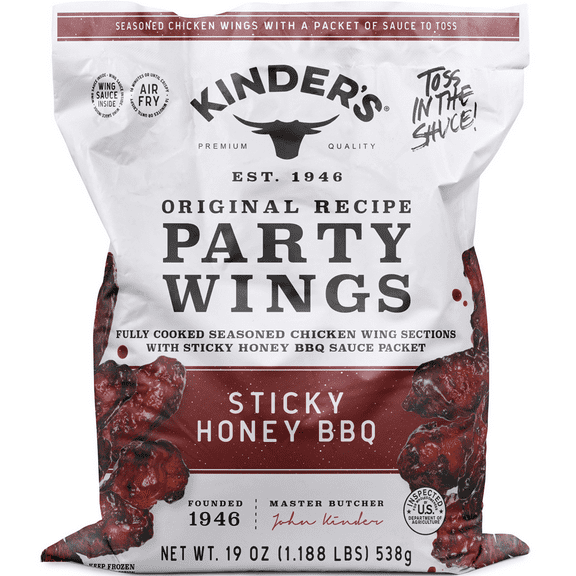
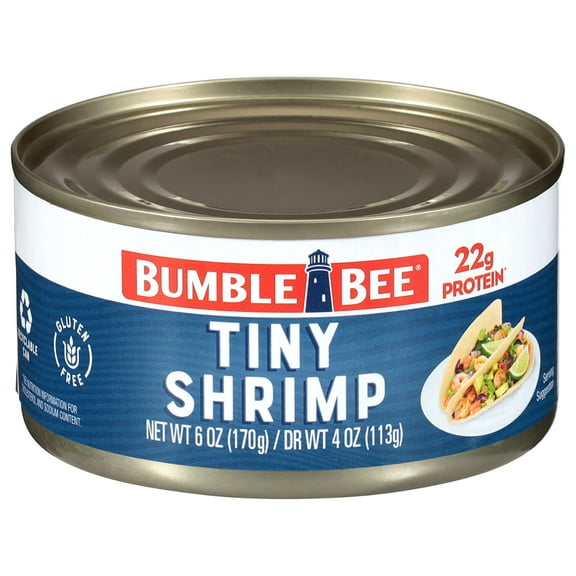
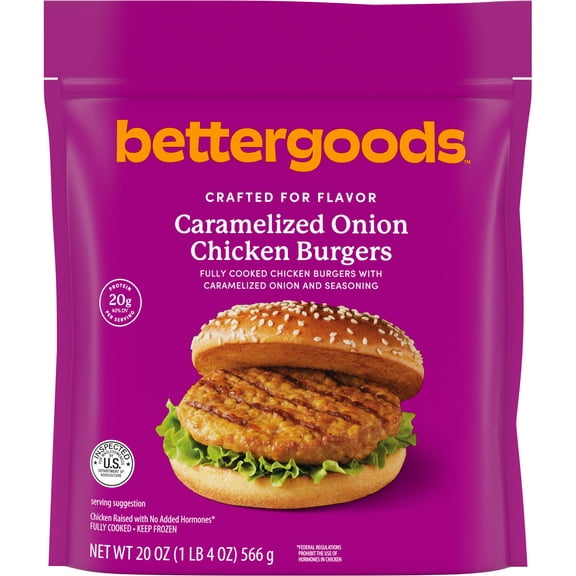


About Weekly Trips in Food - Walmart.com
Your weekly trips get easier when you organize groceries, household essentials, and refill routines in one place. You can plan faster, cover more categories, and keep your home ready for the week ahead.
When you shop this page, you can build a practical weekly shopping list around how your household actually uses items. You can compare pantry staples, refrigerated foods, frozen picks, and shelf-stable stock up items without bouncing between unrelated pages.
How to plan weekly trips by category type
You may start with groceries, then add household essentials, personal care items, and baby care basics in one routine. You can keep recurring needs together, which makes list building simpler each week.
For groceries, you can compare fresh ingredients, breakfast basics, snacks, and pantry staples based on your usual meals. For household essentials, you can add paper goods, cleaning supplies, and laundry care that fit your regular refill cycle.
If your cart also includes personal care, you can group everyday items like shampoo, soap, and oral care. If you shop for little ones, you can include baby care needs with the rest of your weekly grocery essentials.
- You can combine food and home refills in one organized trip.
- You can build a weekly shopping list around real household routines.
- You can compare grocery, baby, and personal care needs together.
- You can keep pantry staples and home supplies aligned by usage.
Choosing weekly grocery essentials by purchase frequency
You should compare items by how often your household uses them, not only by product type. You can separate weekly, bi-weekly, and monthly stock-up needs for a more efficient cart.
Weekly items usually include milk, bread, produce, eggs, snacks, and other fast-moving kitchen basics. You can place these at the center of your weekly trips because they turn over quickly.
Bi-weekly items often include paper products, coffee, frozen foods, and selected personal care refills. You can review those products every other trip so your list stays balanced and easier to manage.
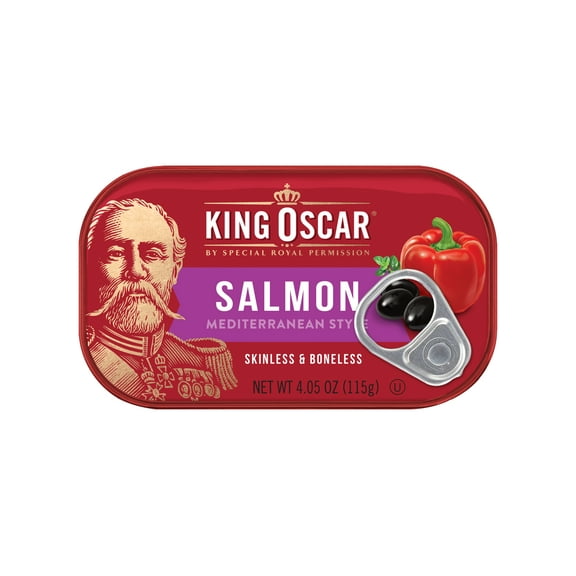
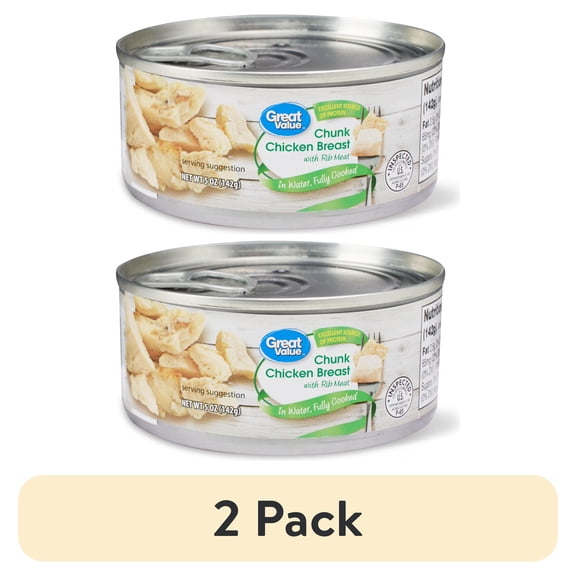
Monthly stock-up items may include larger laundry supplies, shelf-stable beverages, canned goods, and bulk pantry staples. You can reserve those stock up items for less frequent replenishment when storage space allows.
What to look for in storage type and shelf life
You can make smarter weekly grocery trips when you sort items by pantry, refrigerated, frozen, and shelf-stable storage types. You can protect freshness, reduce list confusion, and choose quantities that fit your routine.
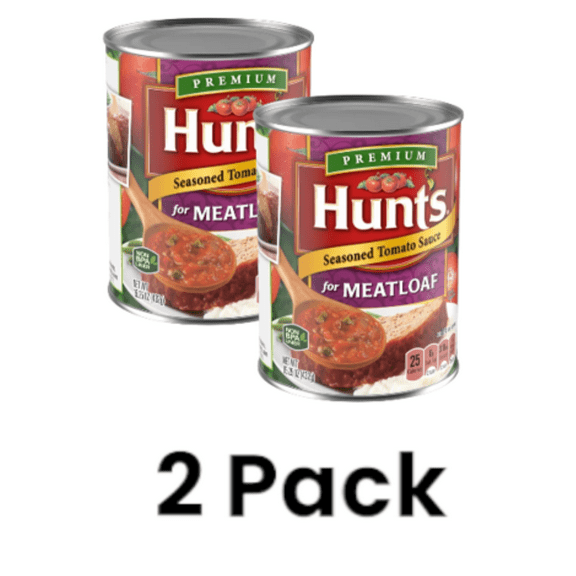
Pantry items work well for rice, pasta, cereal, canned vegetables, sauces, and baking basics. You can keep these pantry staples on hand for quick meal planning and steady household backup.
Refrigerated items suit shorter-term use, especially when your household cooks often during the week. You can choose these products for immediate meal prep, lunch packing, and breakfast restocking.
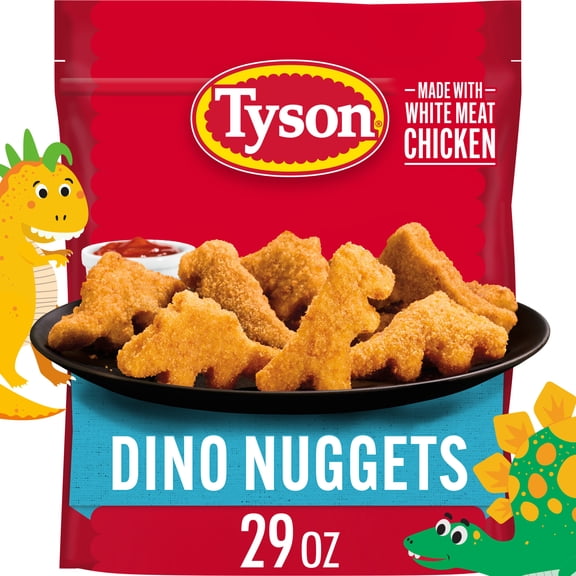
Frozen foods help you extend flexibility when plans change or schedules get packed. You can keep vegetables, fruit, prepared meals, and quick sides ready without rebuilding your full weekly shopping list.
Shelf-stable options support longer planning windows and easier monthly layering. You can use them to round out weekly grocery essentials while keeping your cabinets prepared for everyday use.
Comparing pack size for stock up items
You should check pack size against storage space, household size, and usage rate before you reorder. You can choose single packs, multi-packs, or bulk sizes based on how quickly items move through your home.
Single packs make sense when you want variety, smaller storage footprints, or a trial purchase. You can use them for specialty snacks, refrigerated products, or personal care items with slower turnover.
Multi-packs fit many weekly trips because they balance convenience and manageable storage. You can use them for lunch items, paper goods, beverages, and repeat household essentials.
Bulk or value-size formats work well when your family uses the same basics consistently each week. You can select them for laundry products, shelf-stable foods, diapers, or other stock up items with predictable demand.
Using pickup, delivery, and reordering for weekly trips
You may also compare fulfillment options when building your weekly grocery essentials list. You can choose pickup or delivery based on your schedule, timing, and preferred shopping rhythm.
Pickup can help you keep your routine tight when you already know your weekly shopping list. Delivery can help you cover recurring household essentials when your schedule leaves little room for store runs.
You can also reorder familiar items more quickly when your staples stay consistent from week to week. You can repeat common purchases across groceries, personal care, baby care, and cleaning supplies with less list rebuilding.
If you prefer brand variety, you can compare familiar national labels with private label options in the same trip. You can keep your weekly trips flexible while still covering the categories your household uses most.
How weekly trips support real household routines
You can use this page for meal prep planning, school lunch restocks, apartment pantry resets, or family household refills. You can also prep for busy workweeks by grouping fast-use items with longer-lasting backups.
For smaller households, you may lean on single packs, refrigerated picks, and a shorter weekly shopping list. For larger households, you may need multi-packs, freezer options, and monthly stock up items layered into each order.
If your routine changes seasonally, you can adjust quantities without changing your full category mix. You can keep weekly grocery trips organized by checking category type, storage needs, and purchase frequency together.
With a clear plan for weekly trips, you can keep groceries and household essentials aligned with how your home actually runs. You can restock with less guesswork and keep everyday needs covered more consistently.