

Paint



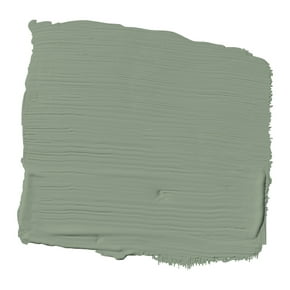
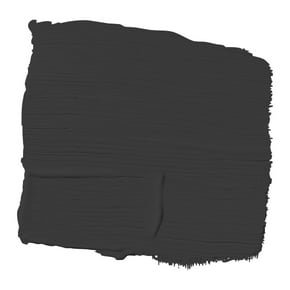
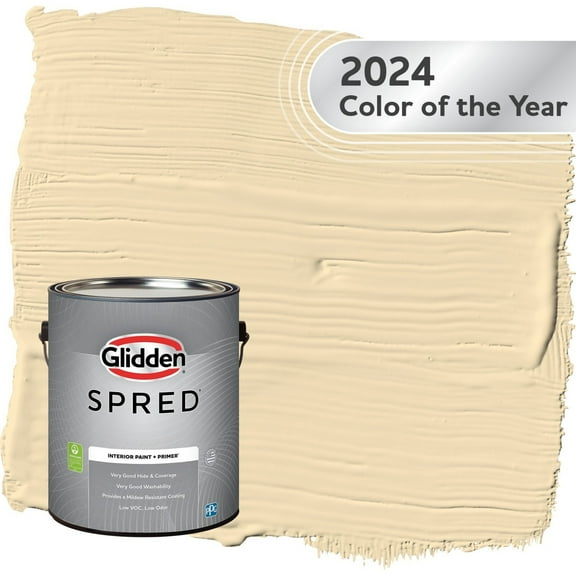
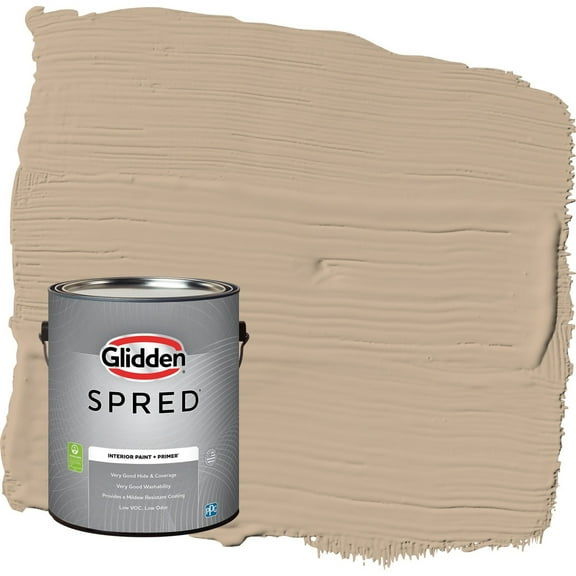
Shop Glidden paint

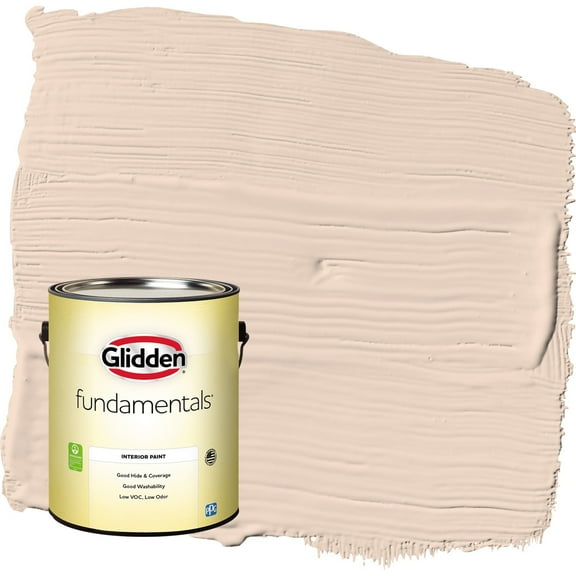


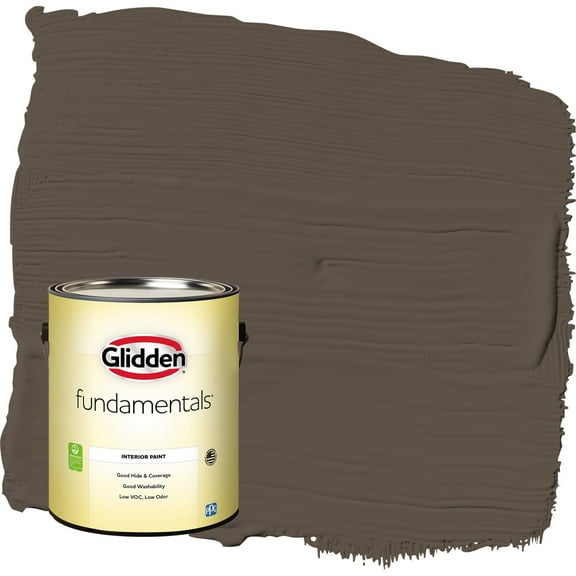

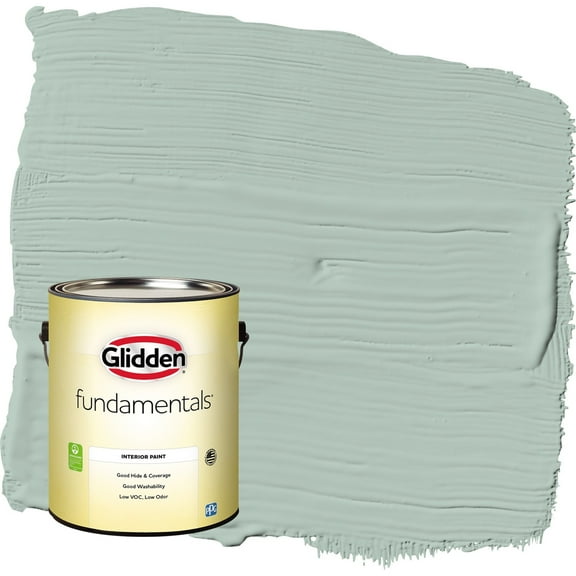

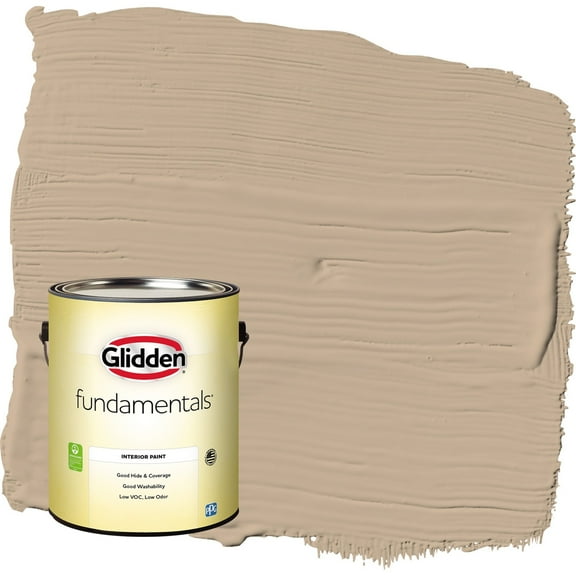









Shop ladders & step stools







About Paint - Walmart.com
Create a fresh look inside your home and out with paint
Every few years, it often becomes necessary to paint something inside or outside your home. Maybe the exterior walls have become dingy or weathered, or maybe it's just time for a new paint scheme to go with your updated decor. Whatever your reasons, using quality paints, supplies and tools helps you get the job done right and fast, and it also helps you create a look that you'll love. Check out the paints, wall coverings and paint products we have at Walmart. We have low prices, every day, on everything, making it easy to get all the painting supplies you need.
Interior and exterior paints and primers
No matter what you need to paint, we have the paint for it. Use interior wall and trim paint in the correct formulation for any room in your home whether you're painting your baby's nursery or adding dynamic color to your living room. There are exterior wall and trim paints that can give that 10-year-old paint job on the outside of your home a refreshed look. If you're painting inside and looking to hide some imperfections above, use ceiling paints that can do the job. Maybe you have a dull finish on your refrigerator or dishwasher, but they still work like new. Refresh the exterior of these items with appliance paint. If you have oil stains and oil paint spills you want to cover up on your garage floor, concrete stain or paint or concrete coating can make everything look uniform.
Paints come in several types and are used at certain points during the painting process or used to create certain finishes:
- Primer Primer is the first coat of paint that goes on either new or uncoated surfaces and is suitable for protecting the surface of what you're painting. Primer is available as either oil-based or water-based. When applying primer, you can use any paint tool to apply it, such as a paintbrush, roller or pad. Don't use a paint sprayer, however; it can clog.
- Flat A type of latex paint, flat paints are commonly used for ceilings and interior walls. Exterior flat paints sometimes have vinyl mixed in to make them more durable. To apply flat paint, you can use a paintbrush or roller. This type of paint is completely matte without any shine.
- Eggshell For paint that has a slight shine to it, use eggshell paint, especially on wood surfaces. Except for a paint sprayer, you can apply eggshell paint any way you want.
- Gloss and satin Gloss and satin are virtually the same paints, except that satin has less shine to it. Ideal for both interiors and exteriors, gloss and satin paints are best applied with a paintbrush.
Spray Paint
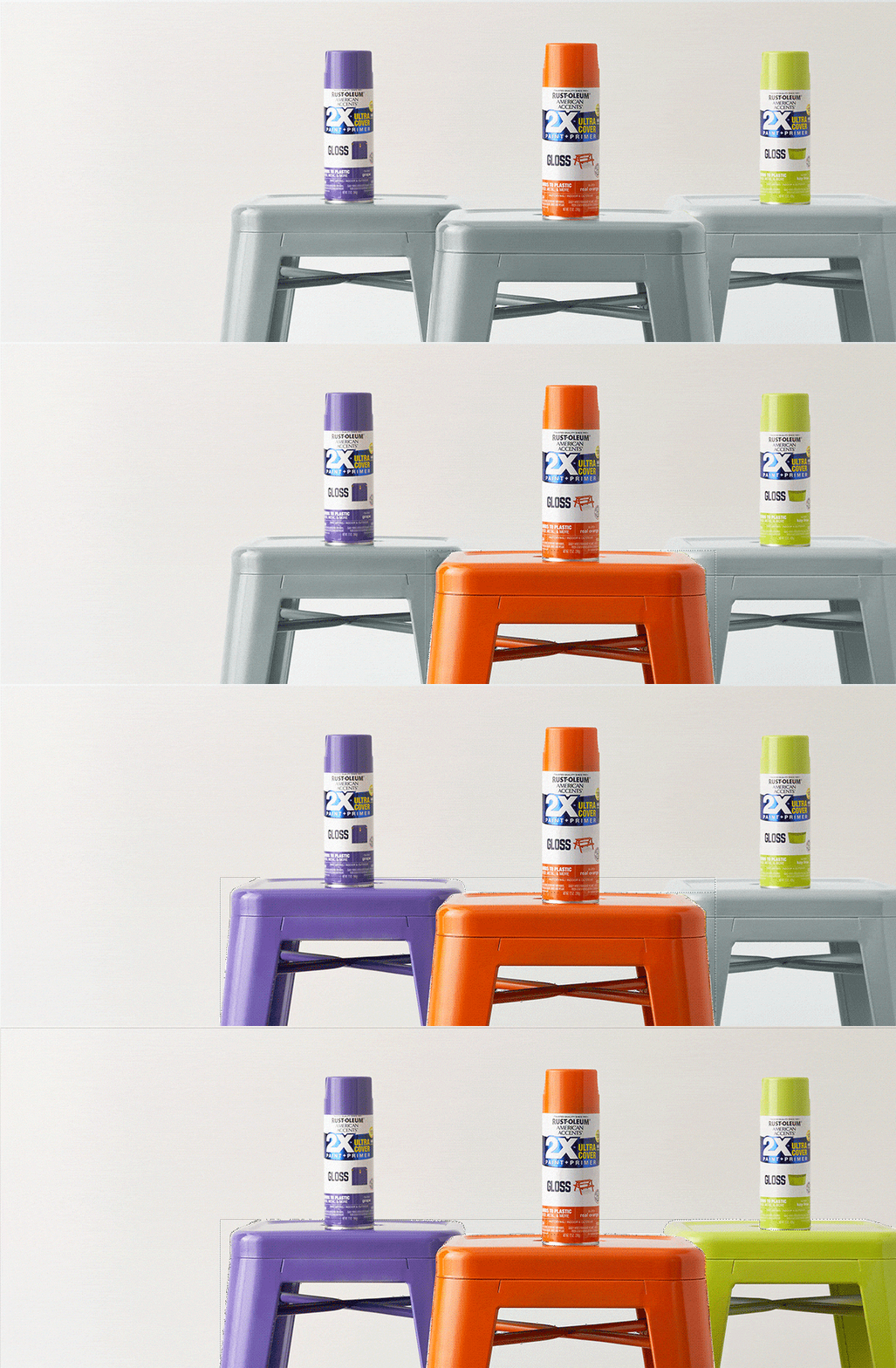
Spray paint is a type of paint that comes in a sealed pressurized container and is released in a fine spray mist when the nozzle is pressed. It is commonly used for a variety of applications, from crafting and DIY projects to industrial and automotive uses. Discover the versatility and convenience of premium spray paint. Whether you're a seasoned artist, a creative DIY enthusiast, or a professional looking for high-quality results, spray paint offers a fast, efficient, and smooth application on a variety of surfaces.
Why Choose Spray Paint?
Effortless Application: Achieve a flawless finish with ease. Spray paint's aerosol delivery system ensures even coverage without brush strokes or roller marks.
Quick Drying: Save time with fast-drying formulas that allow for multiple coats in a short period. Get your project done faster without compromising on quality.
Versatile Use: Suitable for numerous surfaces including metal, wood, plastic, and glass, making it ideal for furniture, decor, automotive touch-ups, and more.
Wide Range of Finishes: From matte to glossy, metallic to satin, find the perfect finish to match your project's aesthetic.
Key Features
Aerosol Delivery: The paint is dispensed via an aerosol spray, ensuring an even and smooth application.
Quick Drying: Most spray paints dry quickly, making them convenient for multiple coats or quick projects.
Versatile: Suitable for use on various surfaces such as metal, wood, plastic, and glass.
Variety of Finishes: Available in multiple finishes including matte, glossy, satin, and metallic.
Benefits of Premium Spray Paint
High Coverage: Efficiently cover large areas with minimal paint, reducing the number of cans needed and saving you money.
Durable and Long-Lasting: Formulated to withstand the elements, premium spray paint provides a robust and long-lasting finish that resists chipping and fading.
Environmentally Friendly Options: Choose from eco-friendly formulas that minimize environmental impact without sacrificing performance.
Common Uses
Home Improvement: Ideal for painting furniture, fixtures, and decorations.
Automotive: Used for touch-ups and custom paint jobs on vehicles.
Industrial Applications: Applied for protective coatings and color-coding in manufacturing settings.
Application Tips
Preparation: Ensure the surface is clean, dry, and free of dust or debris. Proper preparation guarantees optimal adhesion and a smooth finish.
Shake Well: Shake the can vigorously for at least one minute before use to mix the paint thoroughly.
Test Spray: Perform a test spray on a piece of cardboard or scrap material to ensure the color and finish meet your expectations.
Even Strokes: Hold the can about 6-8 inches from the surface and apply in steady, even strokes to avoid drips and achieve uniform coverage.
Safety Tips
Ventilation: Always use in a well-ventilated area to avoid inhaling fumes.
Protective Gear: Wear gloves and a mask to protect your skin and lungs.
Proper Disposal: Follow local regulations for disposing of spray paint cans, as they can be hazardous.
Upgrade your next project with the best spray paint available. Explore our extensive range of colors and finishes to find the perfect match for your needs. Transform your vision into reality with ease and efficiency.
Stains
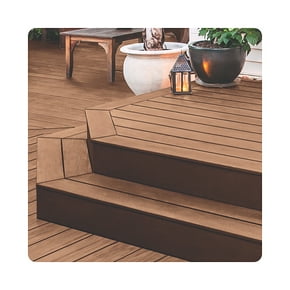
Stains are used both inside and outside the home. Inside, people use them most often on furniture that's either brand new, sometimes referred to as nude furniture, or furniture they're restoring. Outside, desks and patios are the most frequent places people use stains. You might want to use interior wood stain to make furniture match what's already in your home. Wood stain is also terrific at bringing out the wood's natural grain. For both inside and out, stains are available in three forms: water-based, oil-based and gel stain, which is an oil-based wood stain that has a no-drip formula and is ideal for painting walls or other vertical surfaces. Water-based stains have less odor and dry faster, and they're popular for interior wood staining.
Wallpaper and wall borders
For those who want a change from painted walls, wallpaper and wall borders are another way to go. The styles of wallpaper are almost as varied as the colors of wall paint. Many wallpaper schemes draw from the style of furniture that's in a home, meaning you have traditional, modern, contemporary or Scandinavian wallpaper styles to choose from. For children's rooms, cartoon characters and animal prints are terrific options. For the edges around a room's ceiling you can use wallpaper borders, which are peel-and-stick pieces, to set off your wallpaper. If you want, you can combine painted walls with wall decals, which don t take up entire walls. Although some wallpaper is the peel-and-stick kind, for others you'll need to invest in some wallpaper epoxy or glue and smoothing tools, scoring tools and stripping liquid for removing any existing wallpaper.
Other paint products
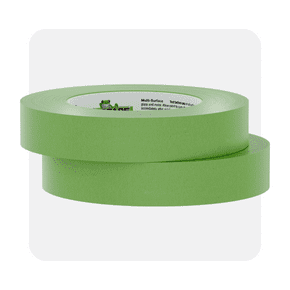
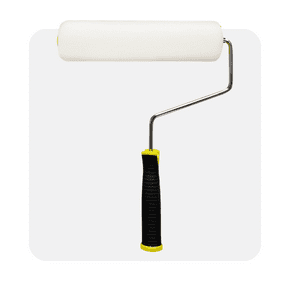
In addition to paintbrushes, rollers, pads and sprayers, there are other tools you may need to include for your painting job. These include painter's masking tape for covering areas that you don t want to risk getting paint on, sandpaper for smoothing any wood surfaces before painting or staining them, tarps or drop cloths for protecting the floor and furniture, paint trays for accessing paint and protective gear like masks and goggles if you're using a paint sprayer.
Related Links
- Shop All
- Adhesives & Glues
- Blue Paint
- Ceiling Paint
- Chalk Paint
- Concrete Paint
- Epoxy Resin
- Exterior Paint
- Gray Paint
- Interior Paint
- Ladders & Step Stools
- Paint Brushes
- Paint Colors
- Paint Primers
- Paint Rollers
- Paint Sprayers
- Paint Supplies & Tools
- Painter's Tape
- Polycrylic
- Spray Paint
- Spray Paint Colors
- Wall Paint
- White Paint
- Wood Stains & Finishes