

Vortex in Shop Hunting Brands





















About Vortex in Shop Hunting Brands - Walmart.com
Vortex Optics help you compare rifle scopes, binoculars, spotting scopes, and rangefinders with field-focused features for hunting, target shooting, and outdoor viewing. You can use this guide to sort key differences in magnification, lens size, reticle style, and durability before you choose your setup.
How to choose Vortex Optics by optics type
You should start with optics type because each format supports a different job in the field. Your rifle scope helps you aim, while your binoculars help you scan, and your rangefinder helps you confirm distance.
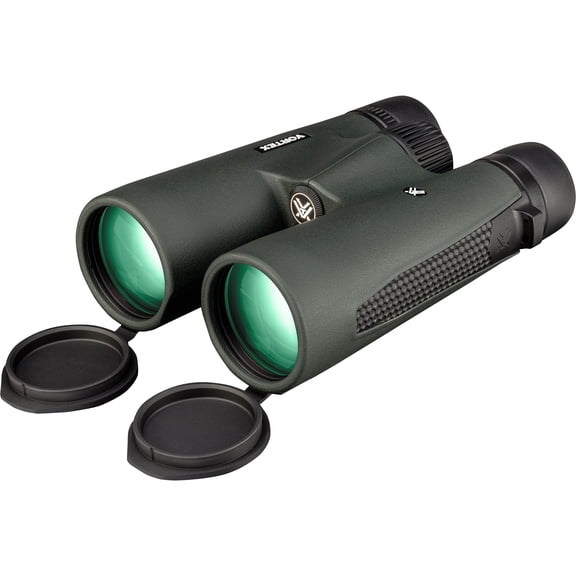
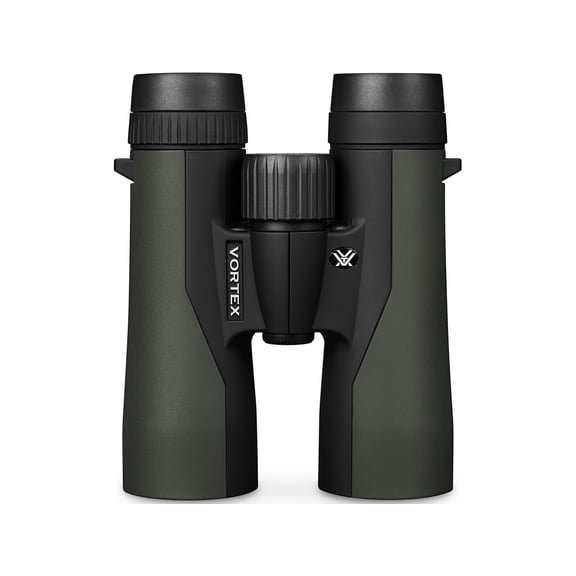
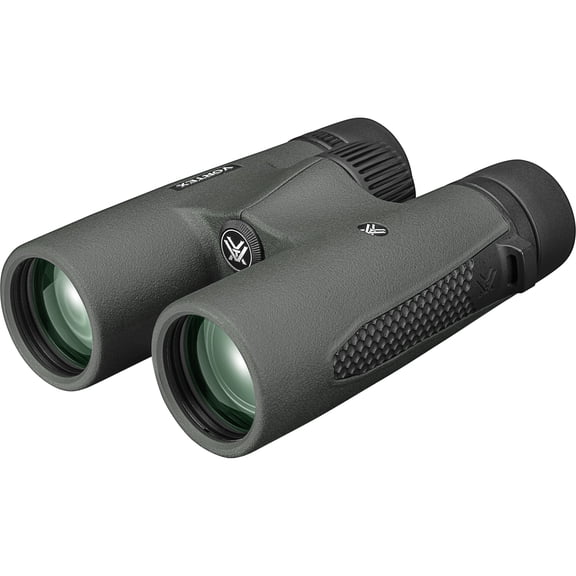
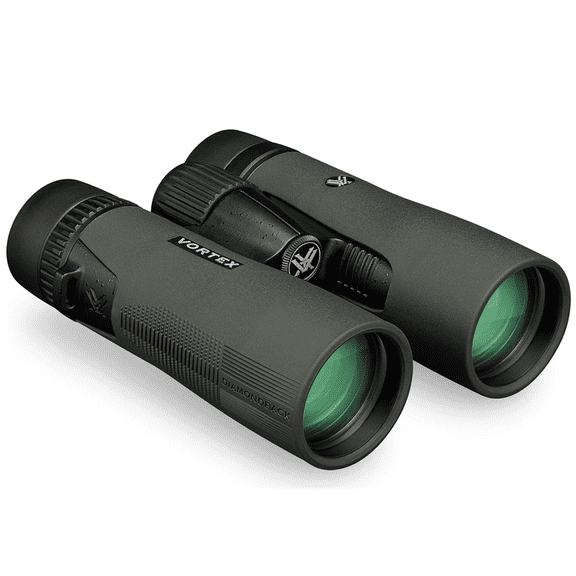
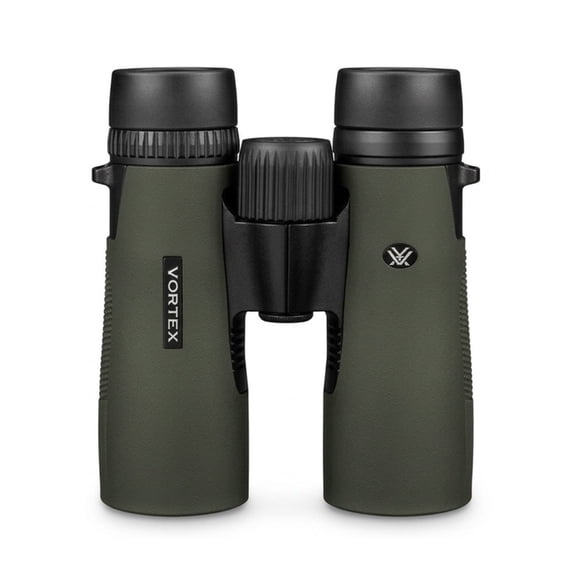
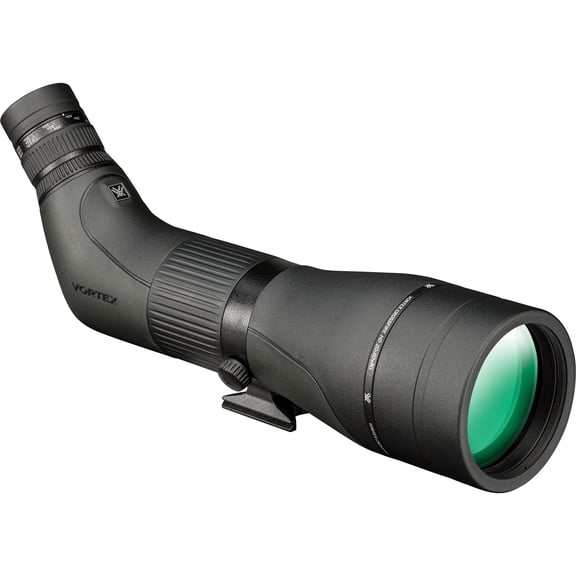
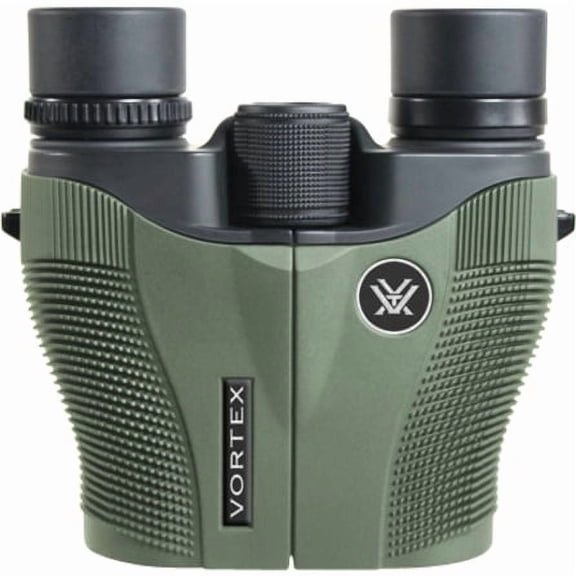
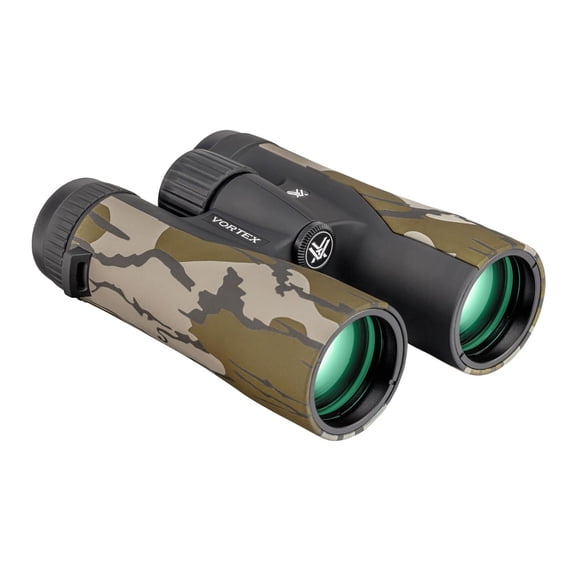
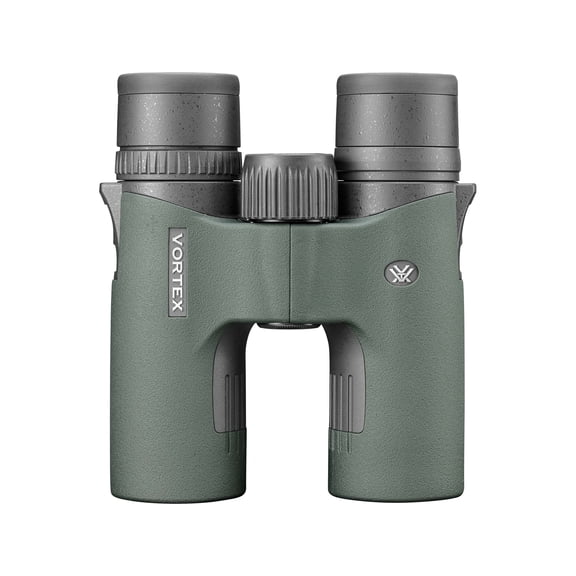
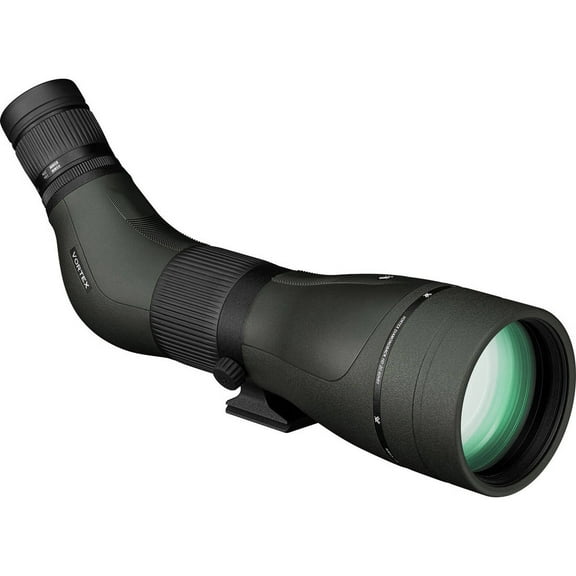
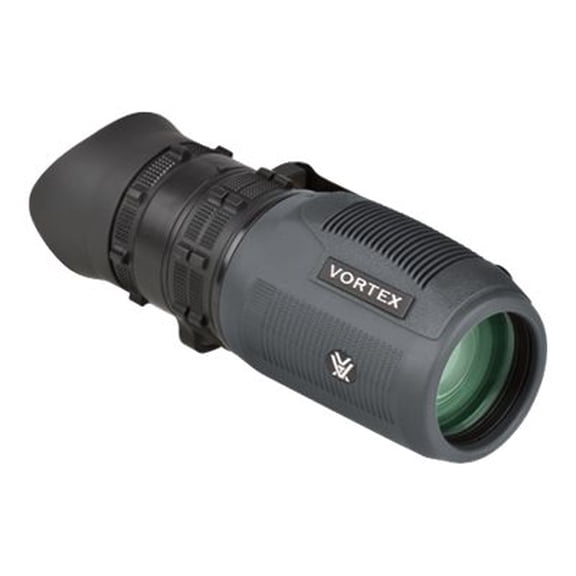
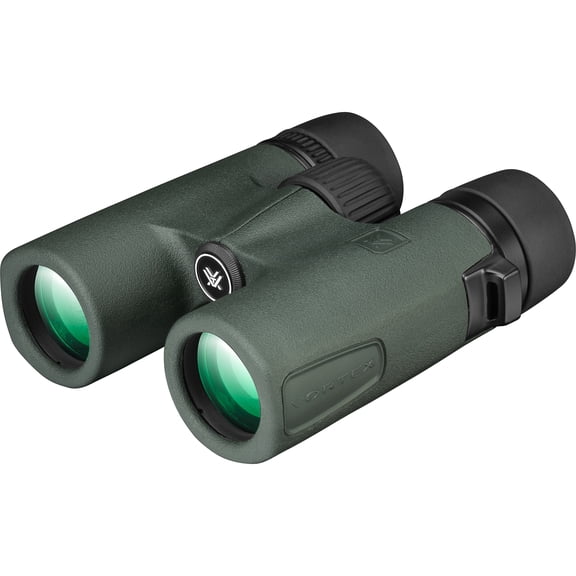
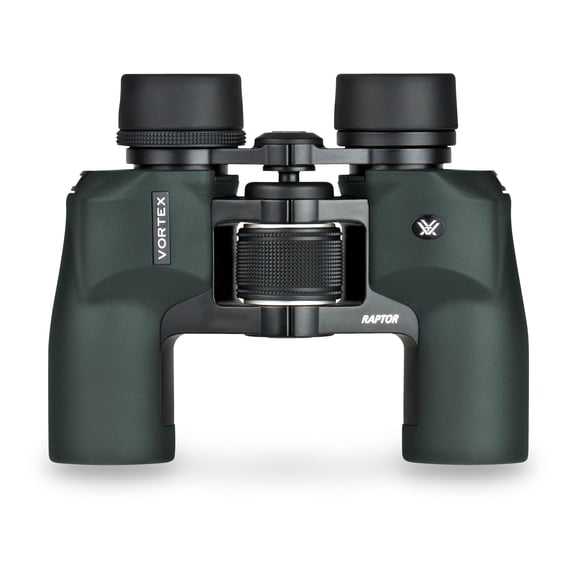
If you glass large areas, you may prefer Vortex binoculars for steady handheld viewing during long sessions. If you watch ridgelines or distant targets, you may prefer spotting scopes for added reach and detail.
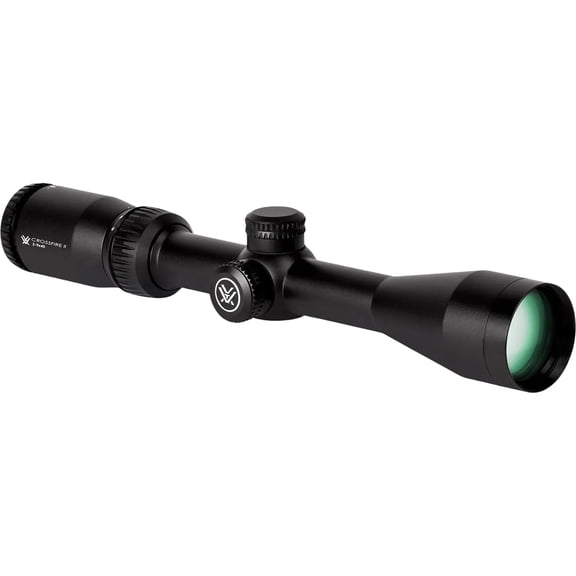
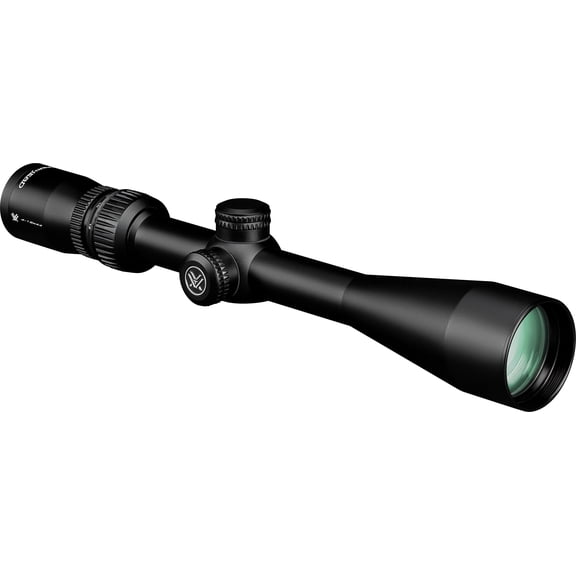
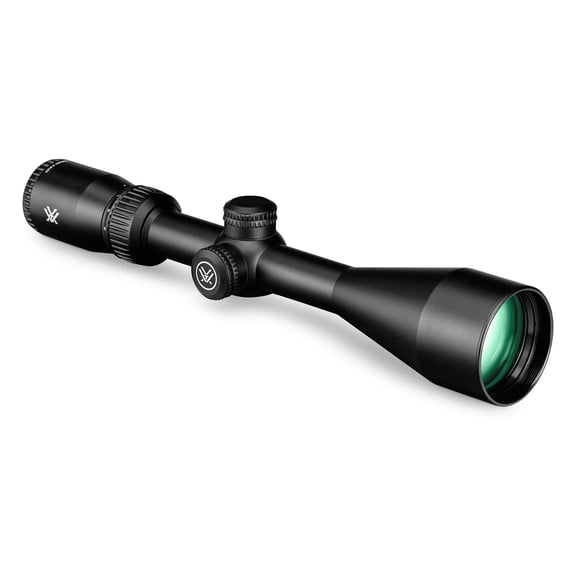
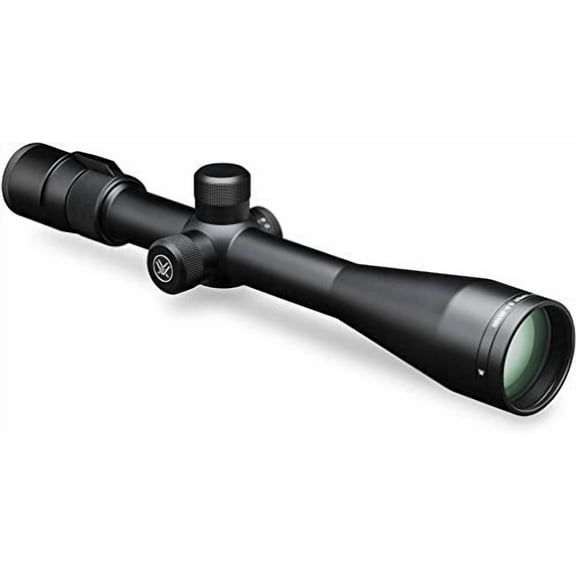
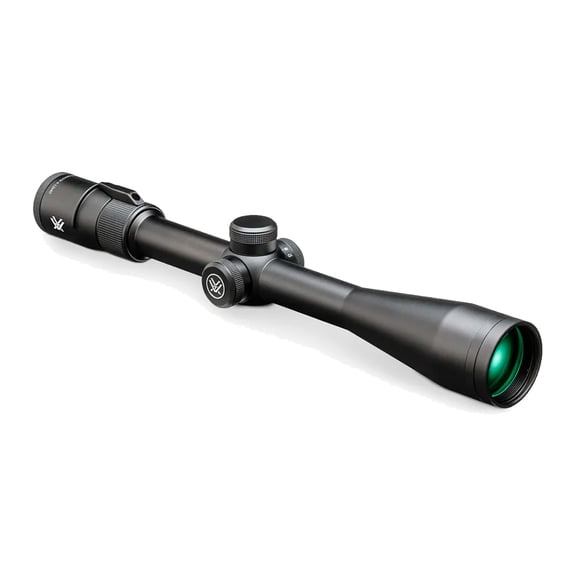
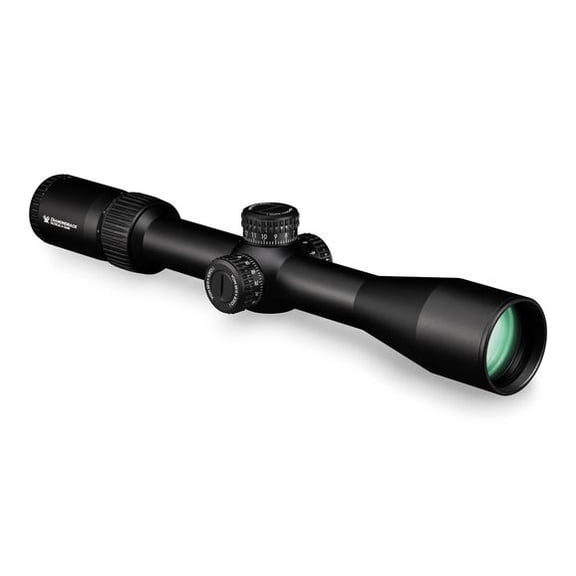
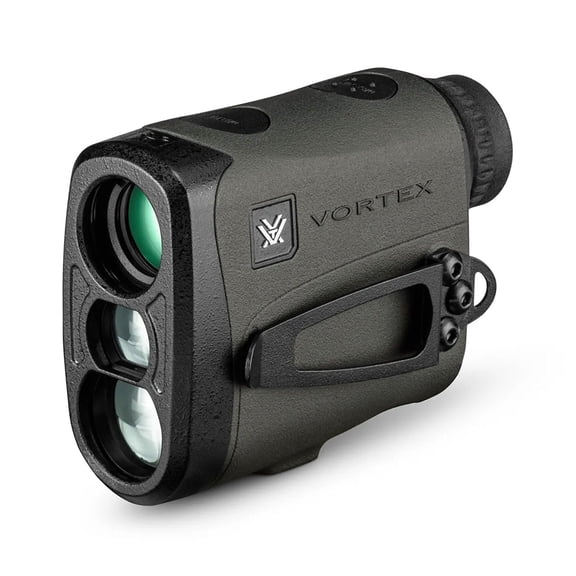
For shot placement, you should compare Vortex rifle scopes by magnification, reticle layout, and objective lens size. For faster distance checks, you can compare Vortex rangefinders by readout style, ranging performance, and carry-friendly size.
Key benefits you can expect in the field
You can look for clear glass, dependable construction, and practical controls that support changing weather and terrain. Your optics choice matters when you move from low light timber to bright open country.
- You can use multi-coated lenses to help preserve image brightness and contrast during early morning or late evening viewing.
- You can look for gas purging and sealed construction when your hunts include cold mornings, wet brush, or changing temperatures.
- You can compare reticle options to match your holdover style, your distance estimates, and your preferred sight picture.
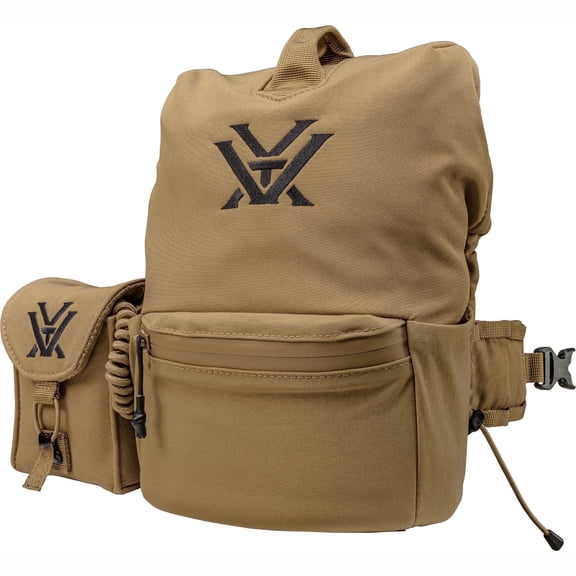
- You can choose sizes and weights that fit your carry method, your rifle setup, and your time in the field.
When you compare Vortex hunting gear, you can focus on practical outcomes instead of extra clutter. Your setup should feel easy to carry, quick to read, and consistent to adjust.
You may also want simple confidence from the VIP lifetime warranty language many shoppers look for in this brand. Your buying decision often feels easier when long-term support is part of the conversation.
Choosing magnification and objective size
You should compare magnification ranges by where and how you hunt. Your needs in dense woods differ from your needs across open plains or longer target lanes.
If you hunt thick cover, you may prefer a 1-6x scope because your wider view can help with quick target acquisition. If you shoot mixed terrain, you may prefer 3-9x or 4-12x for added flexibility.
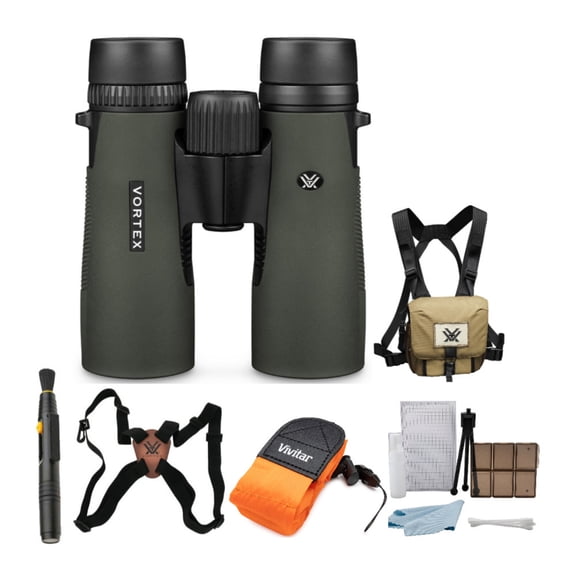
You can use 10x42 binoculars when you want a familiar balance of reach, brightness, and portability. Your viewing comfort often depends on that balance during long glassing sessions.
Objective lens diameter also changes what you see and carry. Your 24mm setup can feel compact, while your 40mm, 44mm, or 50mm options can gather more light.
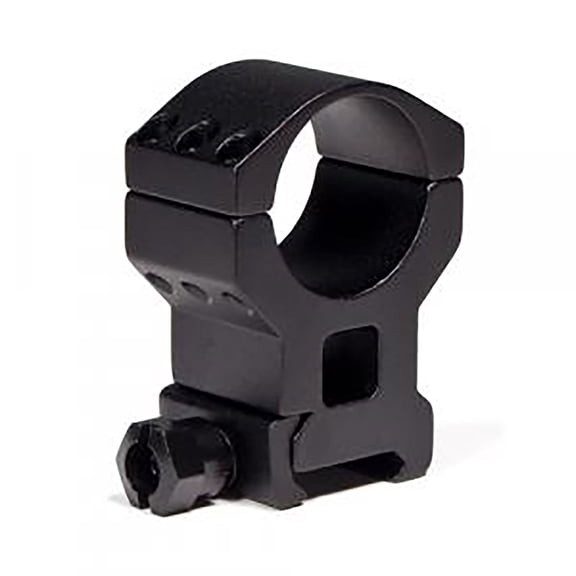
You should check whether extra lens size fits your rifle balance, mounting height, and intended use. Your larger objective may help in dim conditions, but your overall setup may feel heavier.
What to look for in lens coatings, reticles, and build
You should pay close attention to lens coatings because they affect brightness, glare control, and edge detail. Your multi-coated lenses can support a clearer image when light changes throughout the day.
Gas purging is another decision point you should compare in plain terms. Your fogproof construction helps keep views usable when temperatures shift between your truck, blind, and open air.
When you compare reticles, you should decide whether MOA or MRAD better fits your adjustment style. Your MOA system may feel familiar for inch-based thinking, while your MRAD system may simplify metric-style math.
You can also look for illuminated reticles when your aiming point needs more contrast against dark backgrounds. Your low-light use often benefits from that added visibility in timber or shadowed brush.
Durability matters when your optics ride in a pack, on an ATV, or across rough ground. Your sealed housing, protected lenses, and solid adjustment feel can support repeated field use.
Matching Vortex Optics to your use case
You can narrow your options faster when you match features to your actual activity. Your hunting, tactical, target shooting, and bird watching needs each point toward different combinations.
For hunting, you may want compact dimensions, useful low-light performance, and magnification that fits your terrain. Your whitetail setup in woods may differ from your western setup in open country.
For target shooting, you may want more magnification and a reticle that supports precise holdovers. Your adjustment system should feel easy to read when you make repeated changes at known distances.
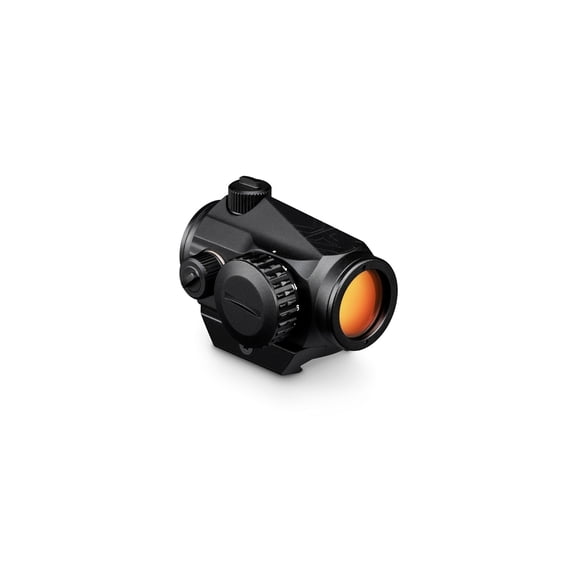
For tactical-style use, you may look for fast controls, durable construction, and reticles that support quick ranging references. Your preference may lean toward MRAD or illuminated options for faster visual processing.
For bird watching or long observation sessions, you may favor binoculars or spotting scopes with comfortable viewing and clear detail. Your optics should support scanning without making your kit feel cumbersome.
If you want one brand hub for several optics categories, Vortex Optics give you a straightforward way to compare formats and features. Your final choice can feel more confident when magnification, lens size, and reticle style all match your real use.