


Find auto parts that fit
Let’s search for parts that fit your vehicle.
UTV Fluids in Oils and Fluids


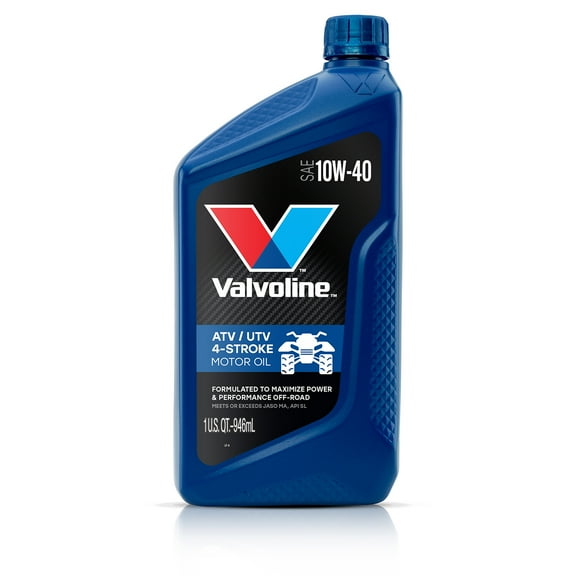
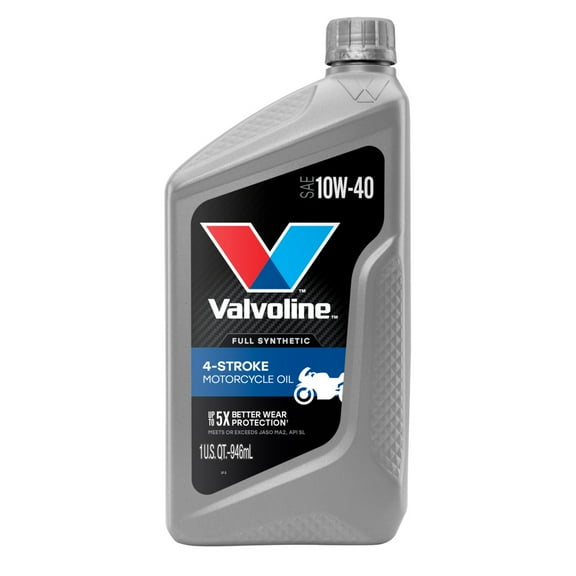
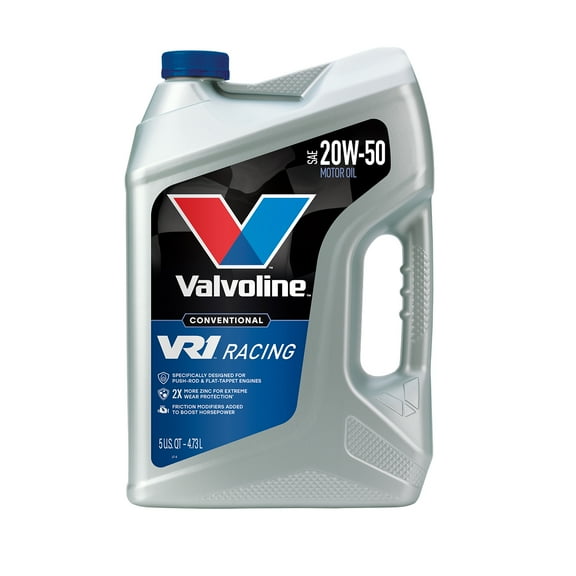
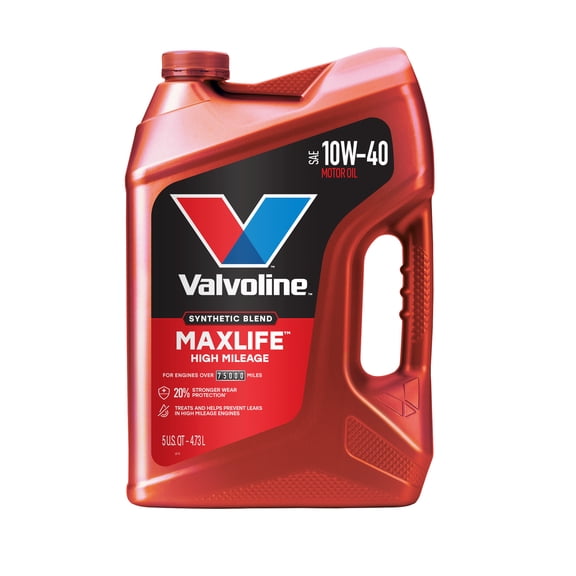
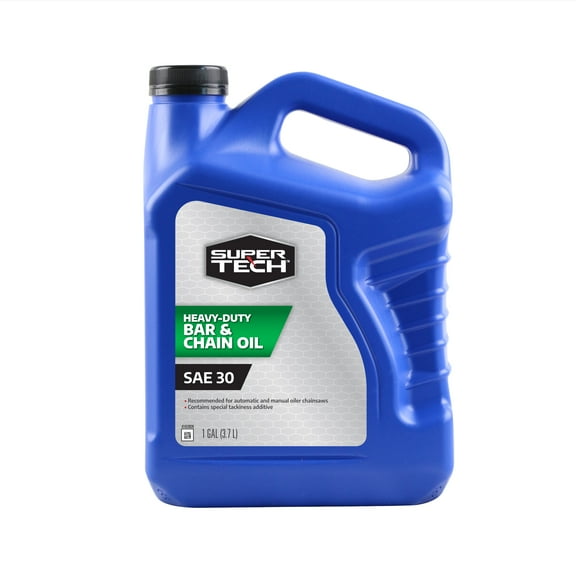


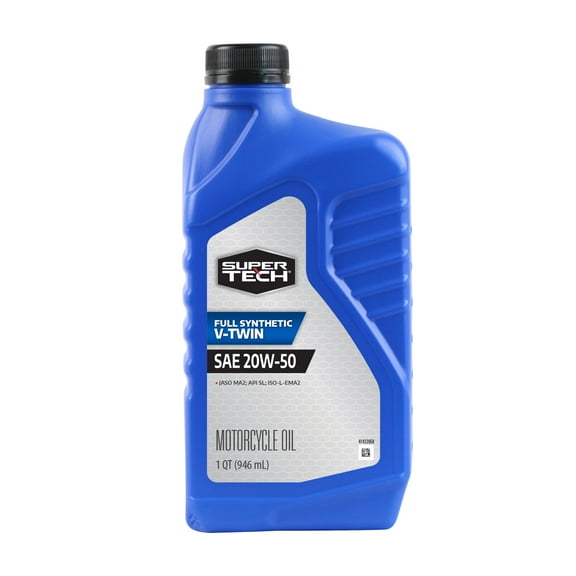

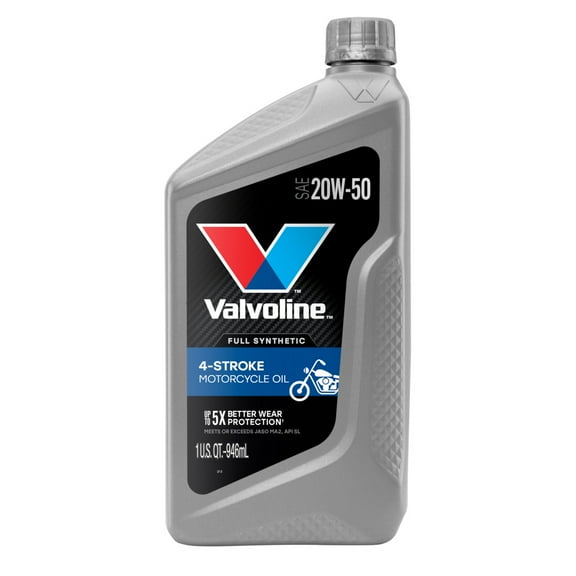



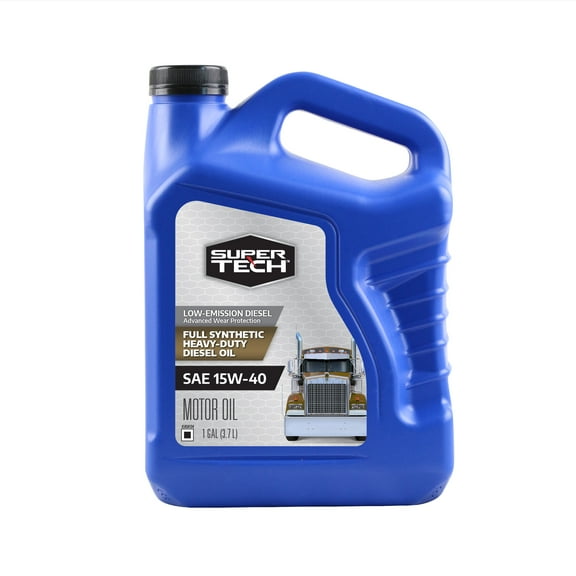

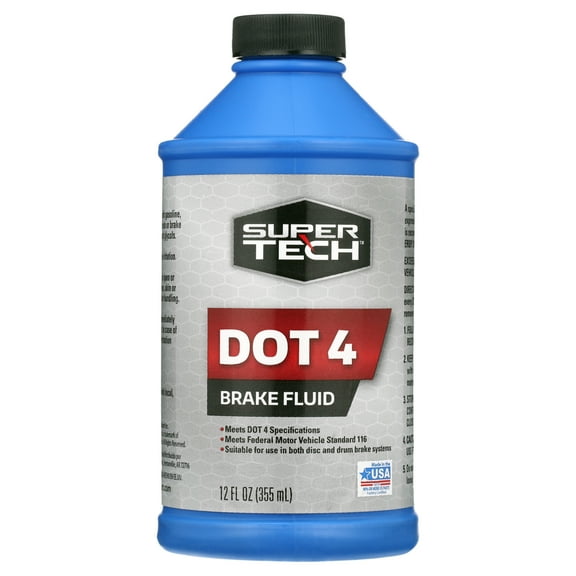

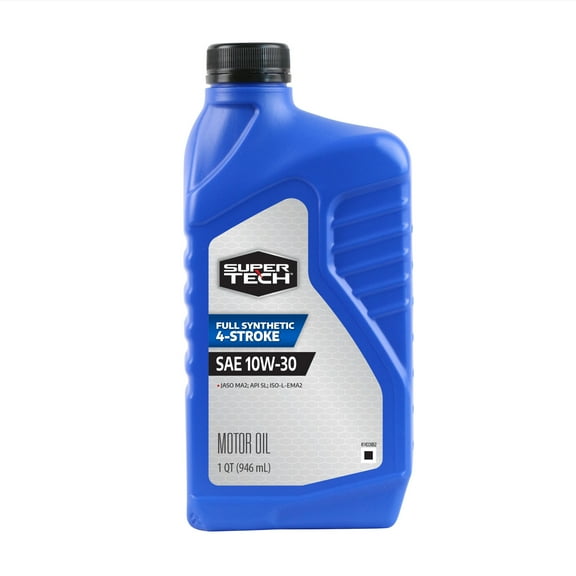
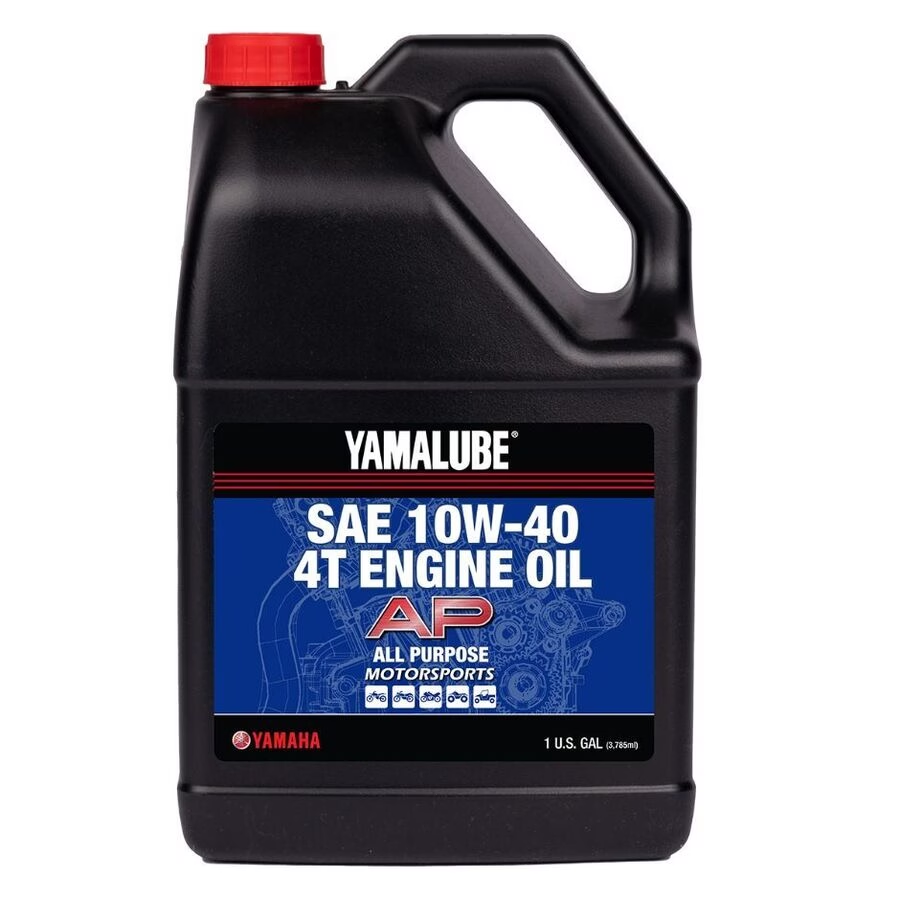
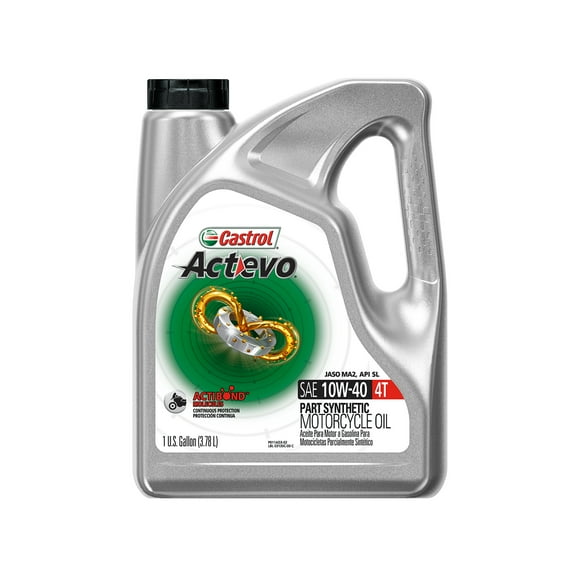


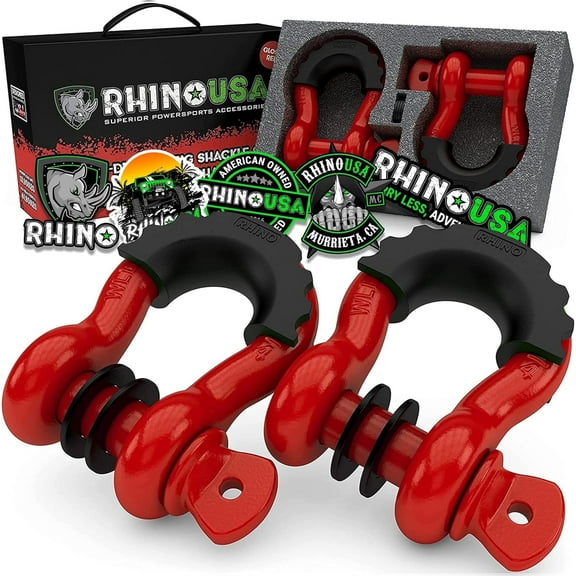


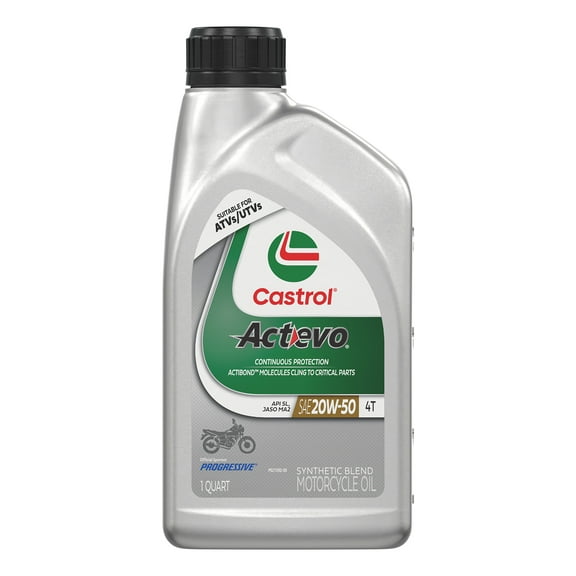


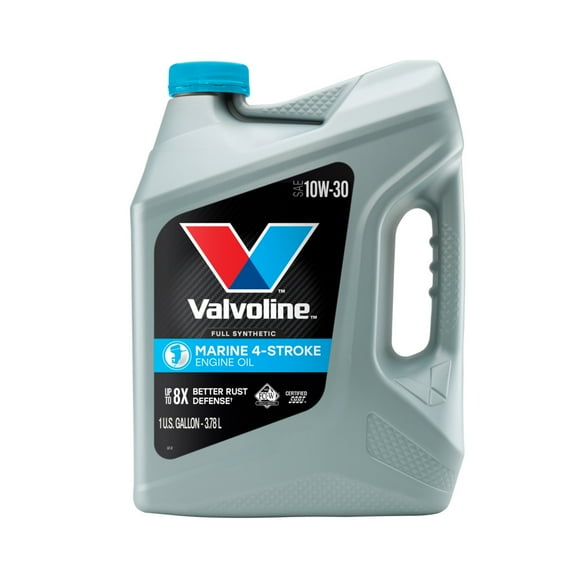

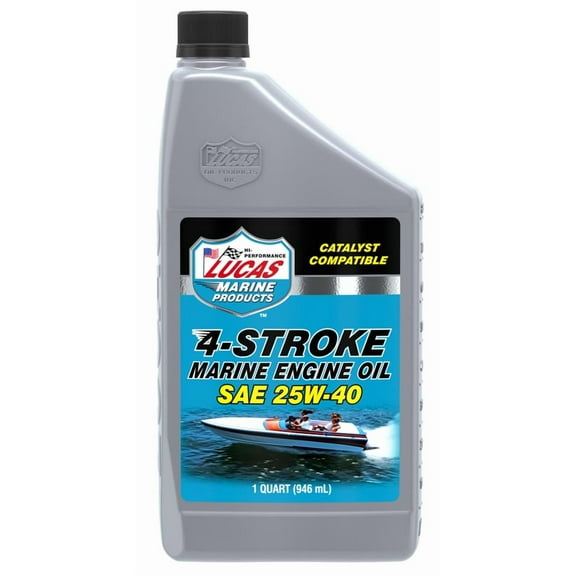
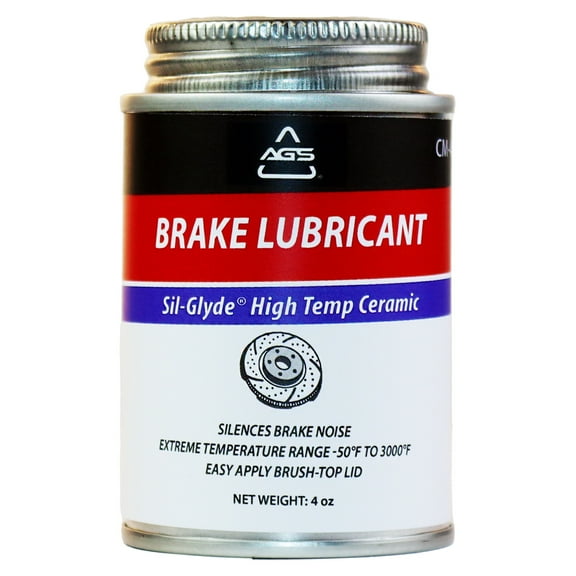
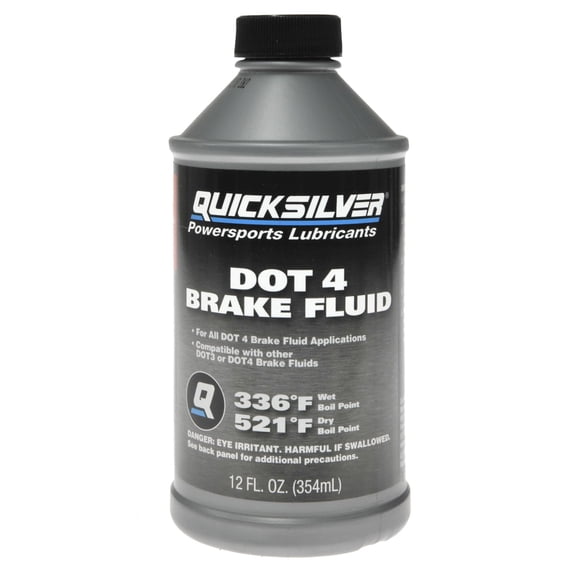
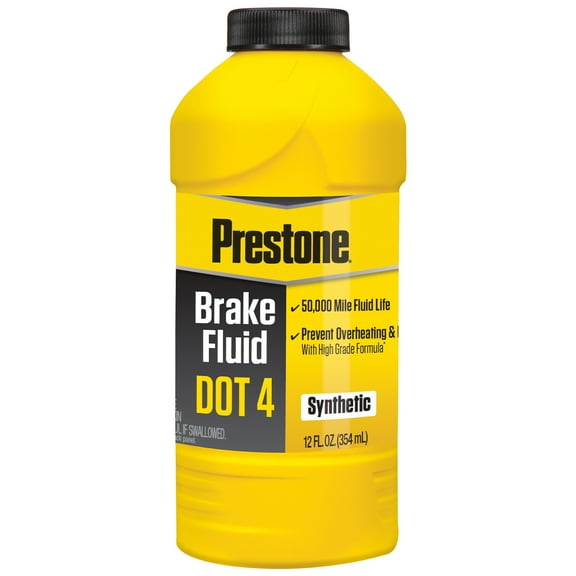

About UTV Fluids in Oils and Fluids - Walmart.com
Auto tires help you match your vehicle, wheel size, and driving conditions with fewer fitment guesses. Your decision gets clearer when you compare tire size, seasonality, and treadwear rating together.
Because your choices span passenger cars, SUVs, light trucks, and performance setups, you'll want guidance built around real fitment details. You'll also benefit from installation support when your order includes mounting and balancing.
How to choose auto tires by fit and vehicle type
Start with your current sidewall code, because you'll need those numbers for a proper match. You'll usually see a format like 205/55R16, and your code points to fitment basics.
The first number shows section width, so you'll compare widths like 205, 215, 225, 235, or 245. The second number shows aspect ratio, which helps your sidewall height and ride feel make more sense.
The last number gives wheel diameter, so you'll match sizes like 15 inch, 16 inch, 17 inch, 18 inch, or 20 inch. Your fitment works smoothly when width, profile, and diameter stay aligned.
- Your daily commute often fits all season tires that handle mixed roads and changing weather.
- Your colder months may call for winter tires when your routine includes lower temperatures.
- Your SUV or light truck may suit all-terrain designs for pavement, gravel, and uneven surfaces.
- Your longer drives may favor highway tires that support a calmer road feel.
- Your comparison gets easier when you check the UTQG treadwear rating with your tire size.
Choosing between all season tires, winter tires, and all-terrain options
Consider your climate first, because you'll notice seasonality affects how your tires feel during daily driving. Your regular route often points you toward the right category faster than labels alone.
All season tires fit many daily drivers, especially when you'll see dry pavement, rain, and mild seasonal shifts. Your sedan or crossover may benefit from that balanced setup for errands and highway miles.
Winter tires make more sense when your cold-weather driving covers a larger part of the year. Your setup should reflect lower temperatures instead of relying on one year-round tread pattern.
All-terrain options deserve a closer look when your SUV or light truck leaves smooth pavement often. Your tradeoff is usually a more versatile tread design with a different highway sound profile.
What to look for in car tires, truck tires, and passenger tires
Compare your vehicle type with how you actually drive, because your use pattern matters as much as the sidewall code. Your passenger tires often focus on everyday comfort, steady handling, and familiar road manners.
SUV and light truck fitments usually support heavier vehicles and mixed-use driving. Your truck tires may need tread patterns that match gear hauling, highway travel, or rougher surfaces.
Performance fitments often use lower-profile combinations, so your ride response can feel more direct. Your vehicle may use sizes like 225/45R17 or 235/45R18 when handling feel matters more.
Check whether your wheel diameter matches the listing before you compare tread details or sidewall profile. Your filtering process moves faster when you narrow by size before other features.
Understanding tire size and treadwear rating
Tire size works like your fitment code, so you'll want every number to stay connected. Your results stay accurate when section width, aspect ratio, and rim diameter match together.
Section width affects how wide your tire sits, so your 205 or 225 choice can change road feel. Your aspect ratio, such as 55, 60, 65, or 70, helps describe sidewall height.
UTQG treadwear rating gives you a useful comparison point when your goal is longer-lasting daily driving. Your review should treat that rating as one factor, along with route type and driving habits.
Road comfort also matters during repeated highway trips, so you'll want to study tread pattern closely. Your quieter ride often starts with highway tires designed for smooth paved travel.
Matching auto tires to real driving situations
A passenger car in a common 205/55R16 size usually fits daily commuting and routine family driving. Your priorities there often include steady handling, simple fitment, and predictable road feel.
An SUV in 225/65R17 all season tires can suit errands, weekend travel, and changing weather. Your choice there often balances year-round use with straightforward replacement planning.
A light truck using all terrain tread may fit drivers who split time between pavement and gravel roads. Your comfort expectations should account for the more aggressive pattern and different highway sound.
A performance vehicle in 235/45R18 may call for closer attention to profile and wheel diameter. Your final check should confirm those dimensions carefully before you schedule installation services.
When your comparison includes fitment, seasonality, ride comfort, and treadwear rating, your decision becomes more confident. Your vehicle gets auto tires that align with daily driving and professional installation support.