



Road Fabric & Landscaping Underlayment | Walmart


















About Road Fabric & Landscaping Underlayment | Walmart - Walmart.com
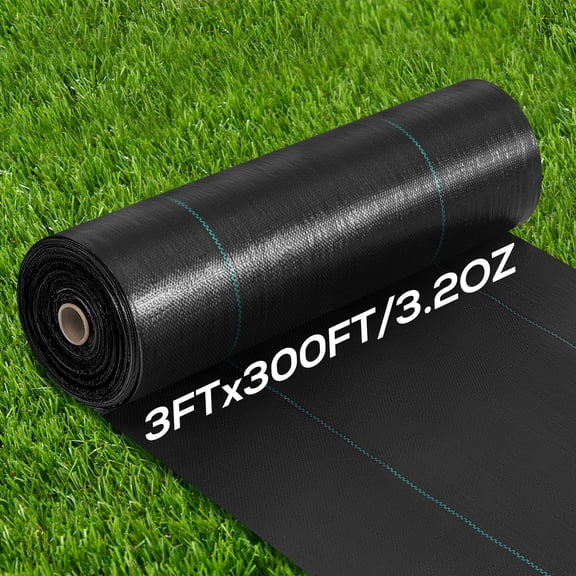
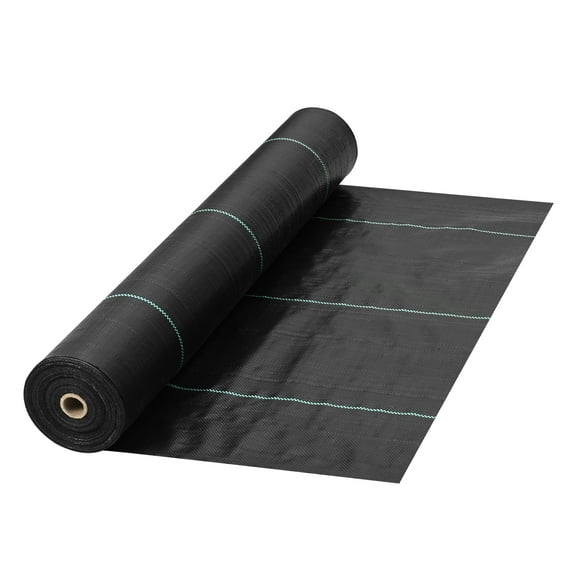
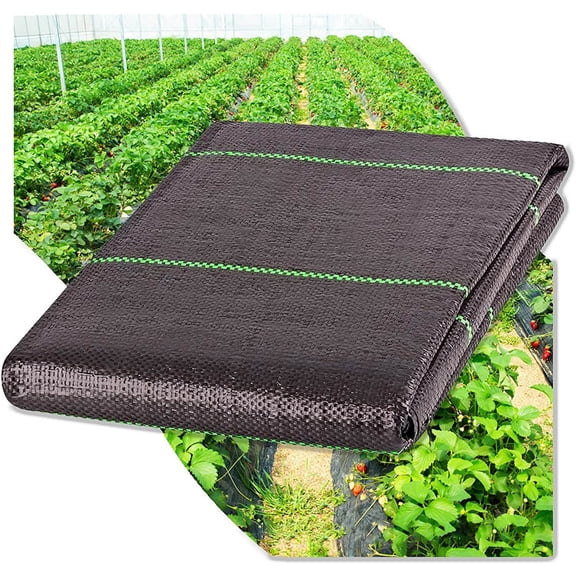
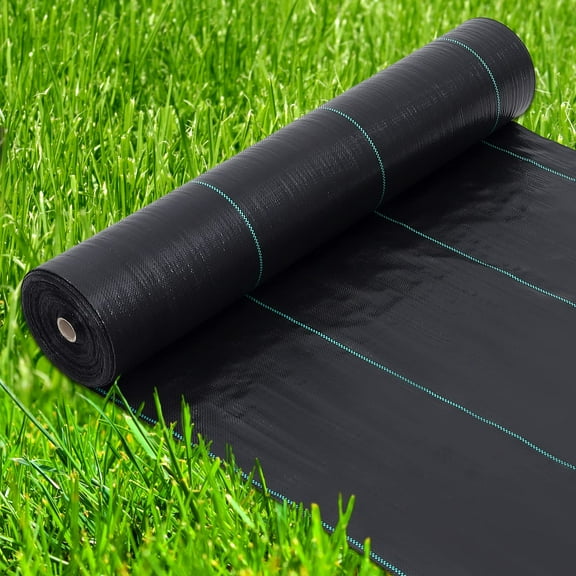
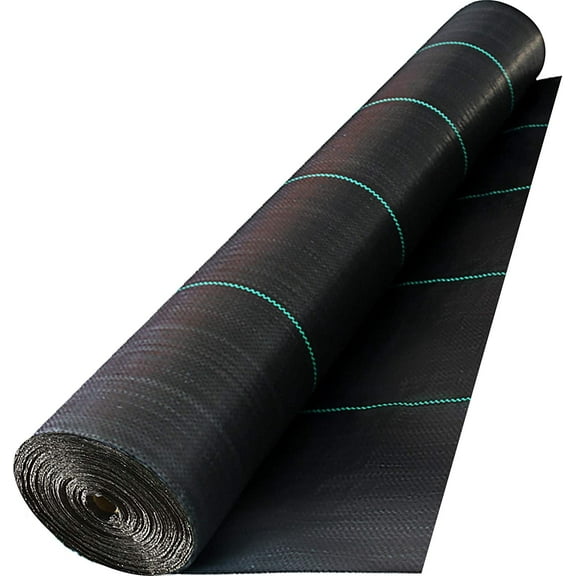
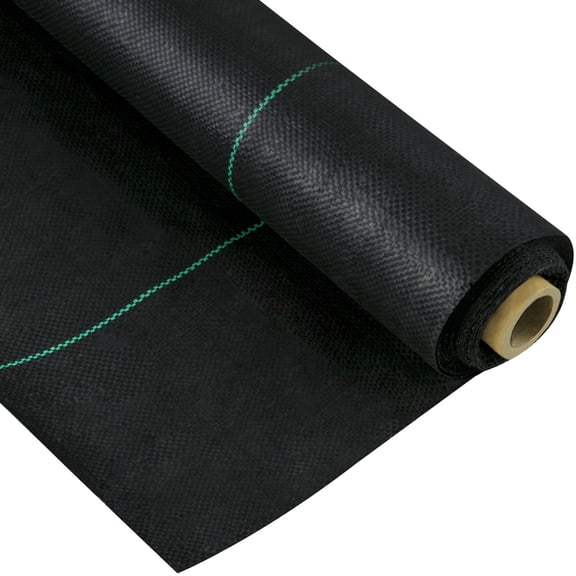
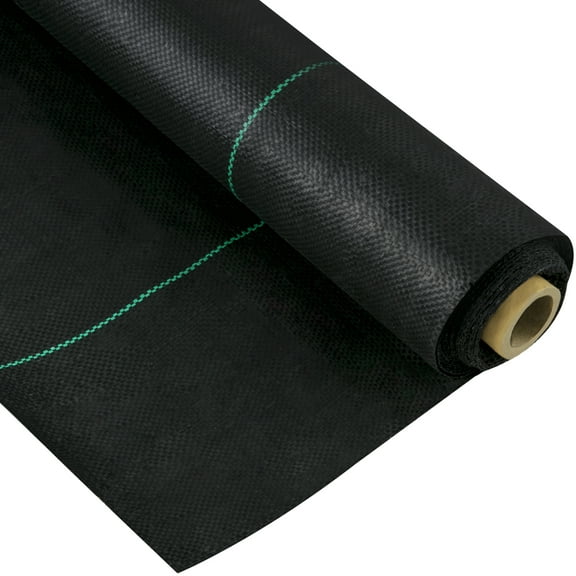
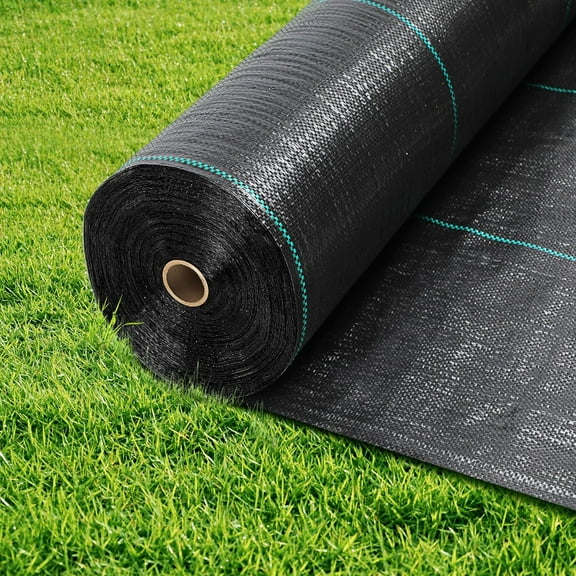
Road fabric helps you separate gravel, limit weed growth, and improve drainage across driveways, beds, and paths. You can compare material type, weight, and roll coverage to match your site conditions.
When you choose underlayment, you should focus on how your surface will handle water, stone, mulch, and soil. A closer look at those details helps you pick cleaner support for long-term landscape projects.
How to choose road fabric for your project
Your project type should guide every underlayment decision from the start. You may need very different performance under gravel than you need under mulch or planting soil.
For driveway stabilization, you should look for heavy-duty construction and higher tensile strength. Strong fabric helps you separate aggregate from soil and supports a steadier base.
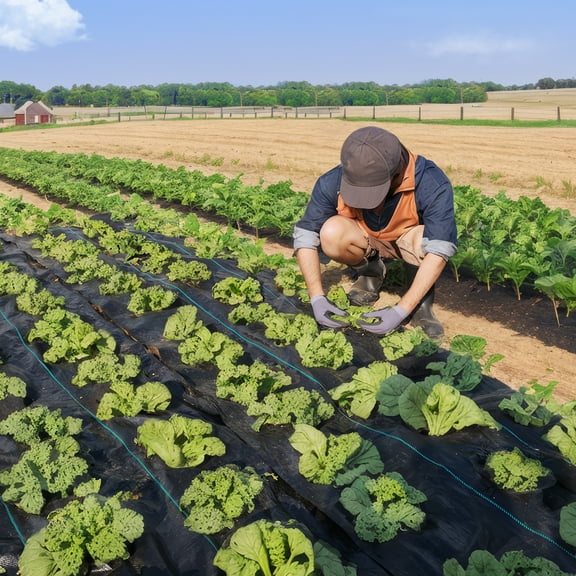
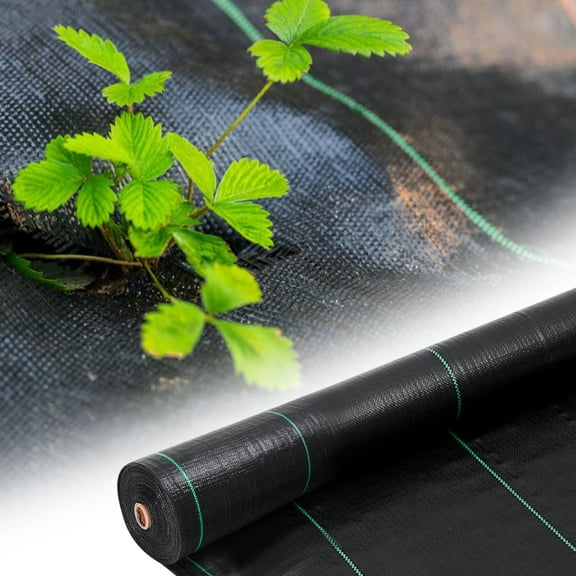
For weed control, you should compare density with permeability before you install. That balance helps you block light below the surface while still letting rain move through.
- You can choose woven fabric when your project needs strength under gravel or road base.
- You can choose non-woven geotech fabric when your project needs drainage, cushioning, or separation around soil and stone.
- You can choose spunbond fabric when your project needs lighter coverage in beds and landscaped areas.
- You should check roll width and length so your coverage plan fits paths, borders, or larger sections.
Choosing underlayment weed barrier material types
You should compare woven, non-woven, and spunbond options before you install landscaping underlayment. Material structure affects how your fabric handles pressure, moisture, and surface coverage.
Woven options usually give you firmer separation under gravel and compacted base layers. You may prefer them when your road fabric needs to support a driveway edge or utility path.
Non-woven geotech fabric usually offers flexible coverage and strong water flow over uneven ground. You can use it where drainage matters around pavers, stone, or mixed soil conditions.
Spunbond styles can suit lighter landscape work in flower beds and mulch zones. You may like how they fit routine projects without the extra bulk of heavier rolls.
In damp areas, you should compare permeability with density very carefully. That check helps you reduce pooling while keeping stone, mulch, or soil in more defined layers.
Choosing weight, thickness, and roll coverage
You should treat weight and thickness as signs of durability and intended use. Lightweight options often fit decorative beds, while heavy-duty styles fit gravel, equipment traffic, or road base.
When you review tensile strength, you should think about pulling force and long-term support. Higher tensile strength matters when sharp stone, compacted aggregate, or repeated pressure can exert force.
Grab tensile is another useful term when you compare demanding installation conditions. You can think of it as concentrated strength where fabric handles force at a single point.
Puncture resistance matters when you place fabric under angular gravel or rough ground. You should look for stronger material if your project includes crushed stone or driveway underlayment fabric.
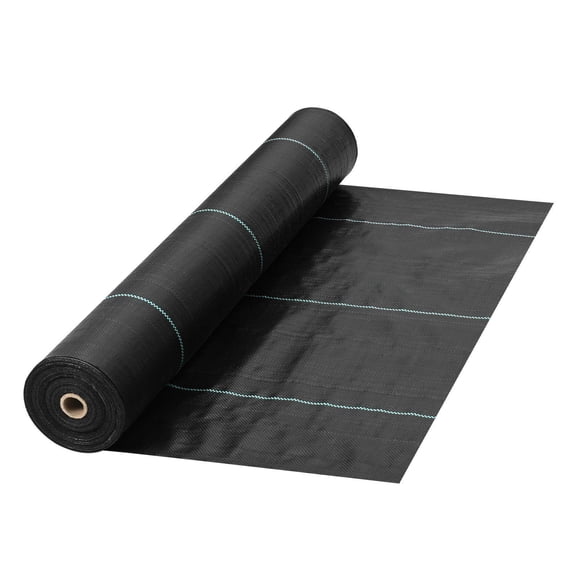
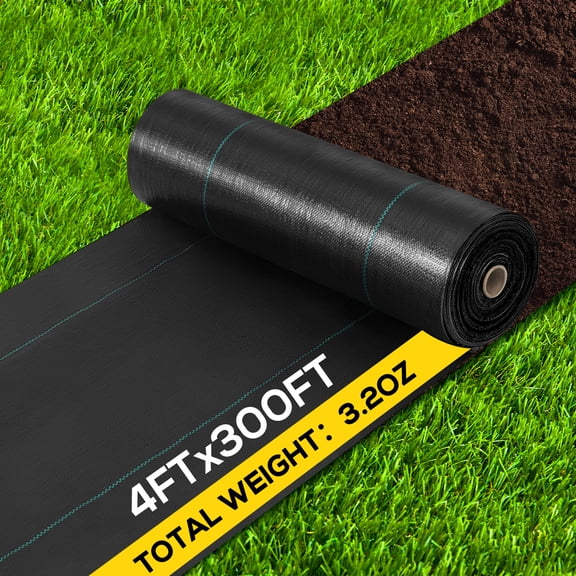
Roll dimensions matter before you begin any layout or cutting plan. You can avoid extra seams and gaps when your length, width, and overlap match the full area.
Most projects need overlap at the edges for cleaner coverage and steadier separation. You should plan that extra width before you estimate how much landscaping underlayment your space needs.
Matching road fabric to beds, mulch, and driveways
Heavier fabric works well where gravel driveways need support and cleaner stone separation. That setup helps you keep soil below the aggregate layer and maintain a more stable surface.
For underlayment for garden bed projects, you should balance weed control with water movement. Your fabric should let moisture pass through while staying in place below soil, mulch, or stone.
When you need flower bed underlayment, you should consider planting layout and edging lines. You can get easier coverage when your roll width fits curved borders, narrow strips, or layered designs.
You can also use underlayment for mulch bed areas when you want a neater base below bark or rock. That layer helps you reduce soil mixing and keep surface materials more defined after rain.
If your site stays damp, you should check drainage details before choosing a material type. You may prefer geotech fabric that moves water efficiently while separating stone from softer ground.
For underlayment for garden spaces with foot traffic, you should compare thickness and total coverage. Your project may need enough durability for stepping paths, utility routes, and areas near raised beds.
You should also check whether you should bury the fabric under soil or mulch. It also helps to review UV guidance if part of your material may stay uncovered during installation.
With the right road fabric choice, you can support drainage, weed suppression, and base separation in one layer. You finish with underlayment that fits your surface, coverage plan, and maintenance routine.
Using category attributes to narrow your choice
You can simplify your decision by comparing material type, primary use case, application area, and fabric weight. That approach helps you match category attributes to the exact conditions in your yard or driveway.
If you need driveway stabilization, you should compare woven options and heavy-duty construction first. If you need drainage in garden beds, you may start with non-woven material and practical roll coverage.
For flower beds and mulch beds, you should check whether lightweight coverage meets your layout and edging needs. For gravel surfaces, you should measure thickness, puncture resistance, and overlap before installation.
When you align those choices with your soil, stone, and water flow, your underlayment works more predictably. You get cleaner layer separation and more dependable coverage across the full project area.