


Find auto parts that fit
Let’s search for parts that fit your vehicle.Tuners & Programmers in Programmers, Modules & Chips



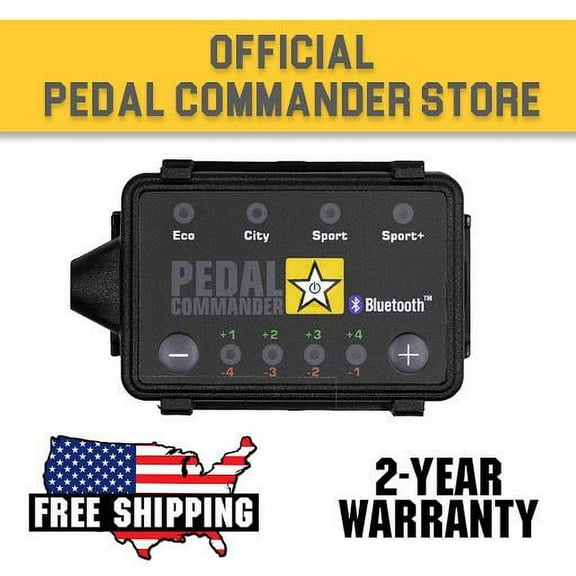


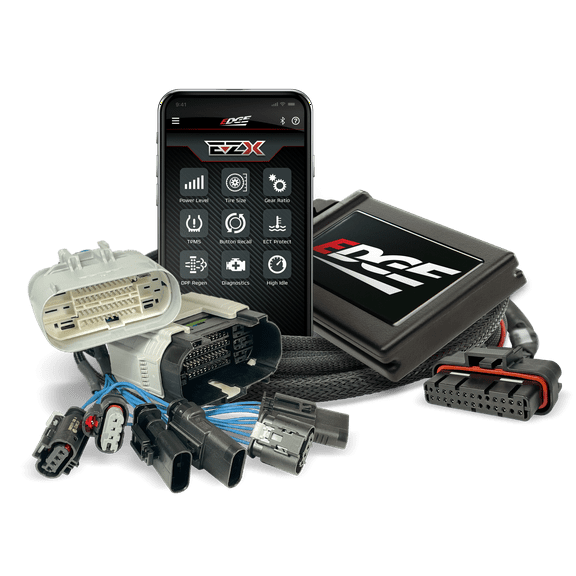
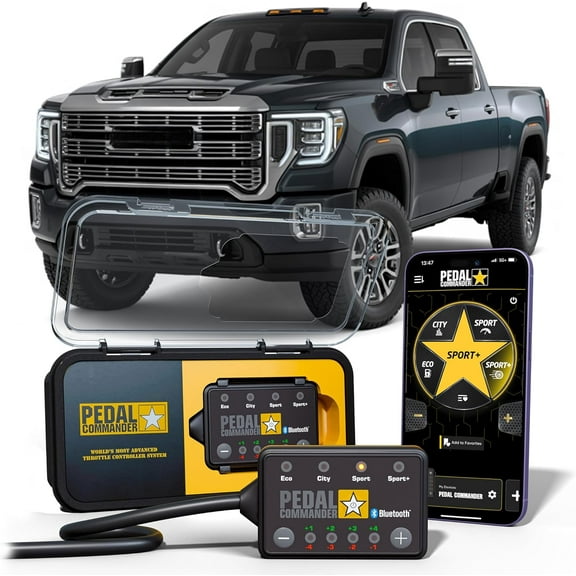
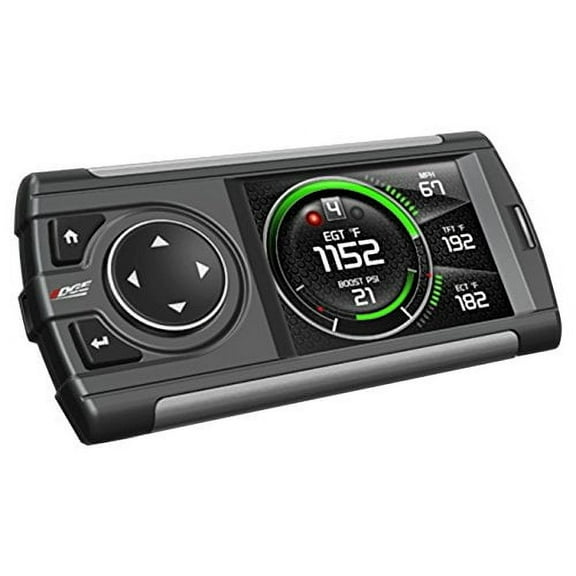

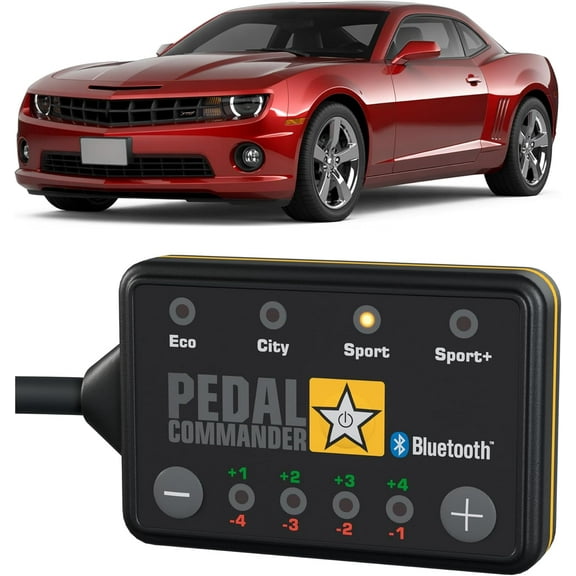
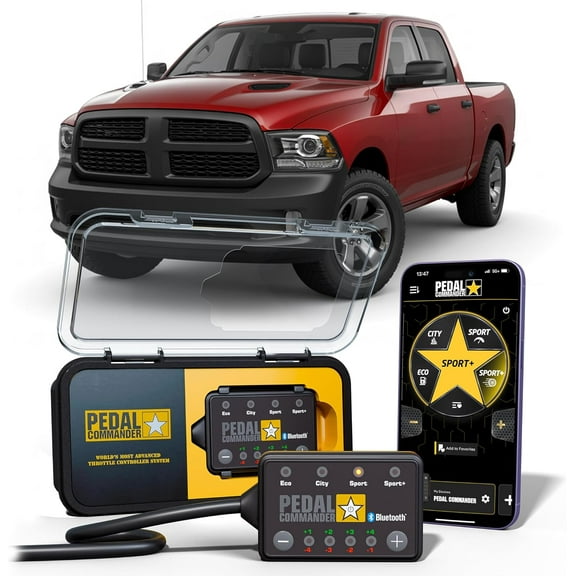



About Tuners & Programmers in Programmers, Modules & Chips - Walmart.com
You can use tuners and programmers to match your vehicle setup, driving goals, and fuel type before choosing a performance upgrade. You need clear fitment details. Engine size, model year, and ECU type determine which option works with your vehicle.
How to choose tuners and programmers
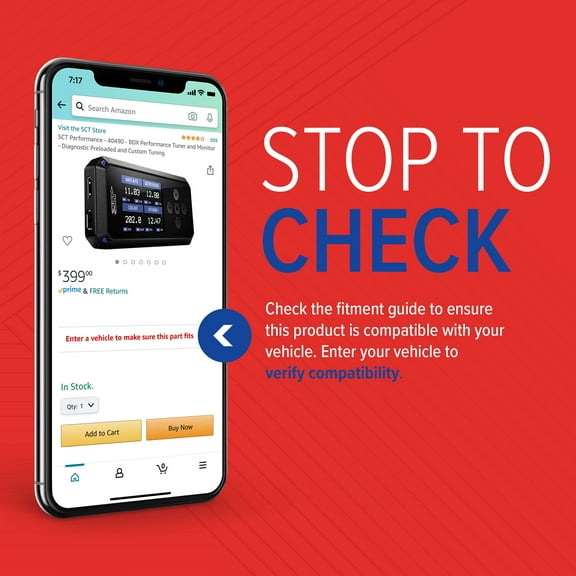
You should start with vehicle compatibility because your exact year, make, model, engine, and ECU determine which units can communicate correctly. You can avoid guesswork when you compare supported applications before installation.
If you drive a truck for towing, you may want settings that support low-end pull and transmission behavior under load. If you drive a car or SUV, you may prefer quicker throttle response or smoother daily driving adjustments.
You also need to compare gas and diesel setups because fuel type changes how tuning strategies work. You’ll often see diesel tuners reference boost pressure and timing advance, while you’ll see gas calibrations focus on airflow, throttle mapping, and shift points.
Key benefits of performance tuners
You can use performance tuners to tailor how your vehicle responds during towing, commuting, or highway driving. You’ll notice the right setup can align power delivery with the way you actually use your vehicle.
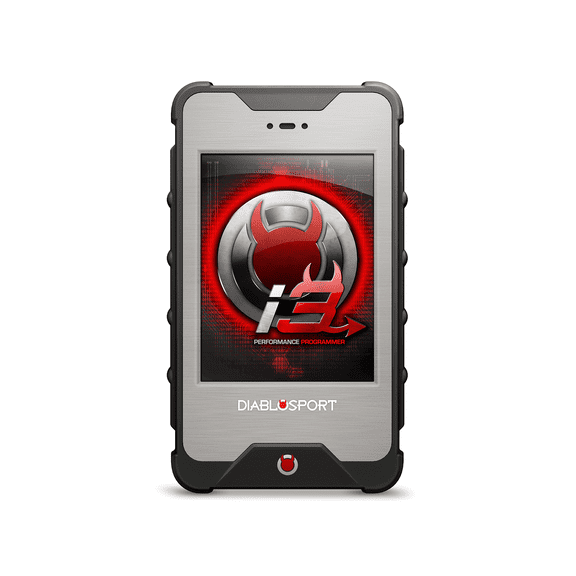
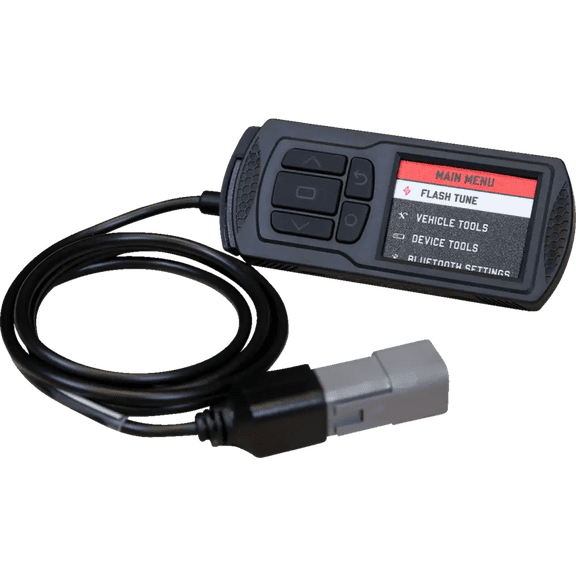
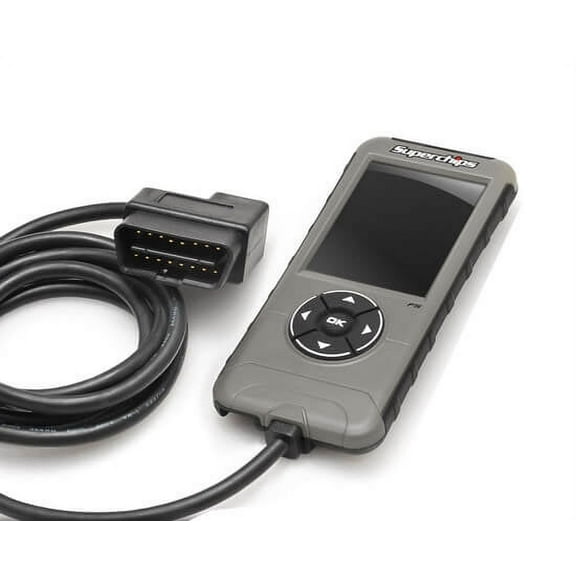
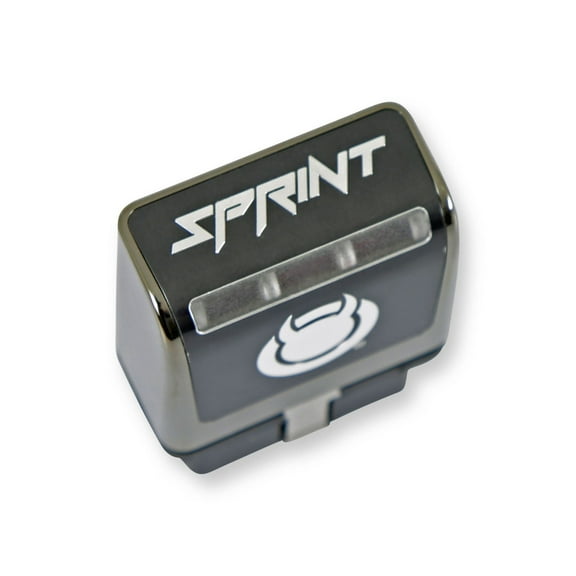
Another advantage is convenience during setup changes because many handheld units connect through the OBD-II port. You can often load a tune, review vehicle data, and return to stock settings with simple on-screen steps.
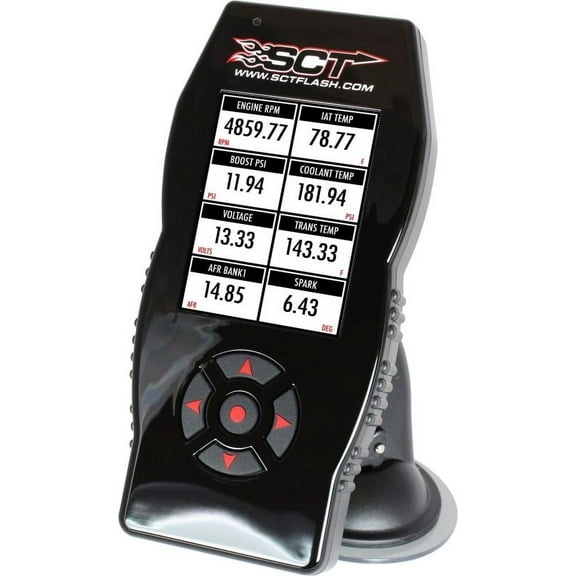
You may also want monitor-style units when you like to watch gauges while you drive. You can keep an eye on readings that matter to performance-focused setups, especially on diesel applications.
- You can compare power-focused, towing-focused, and mileage-focused calibrations for different driving routines.
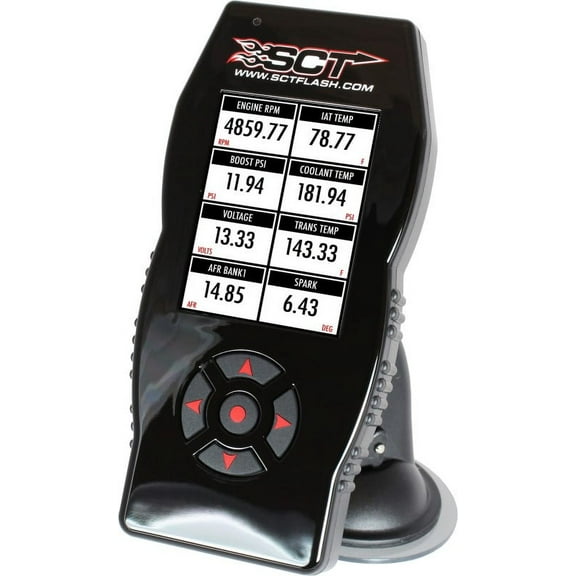
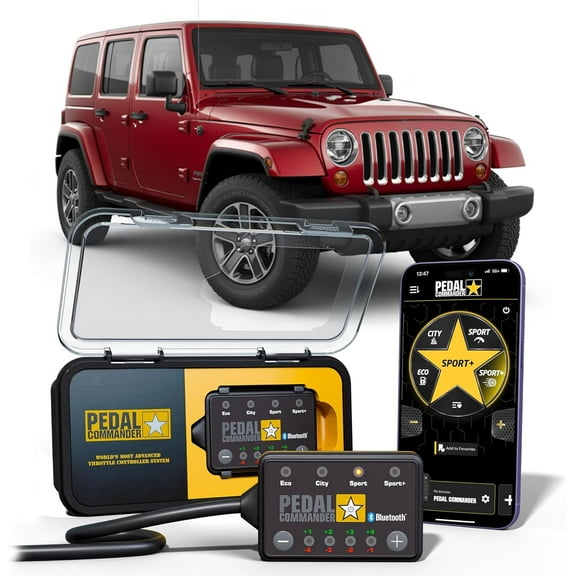
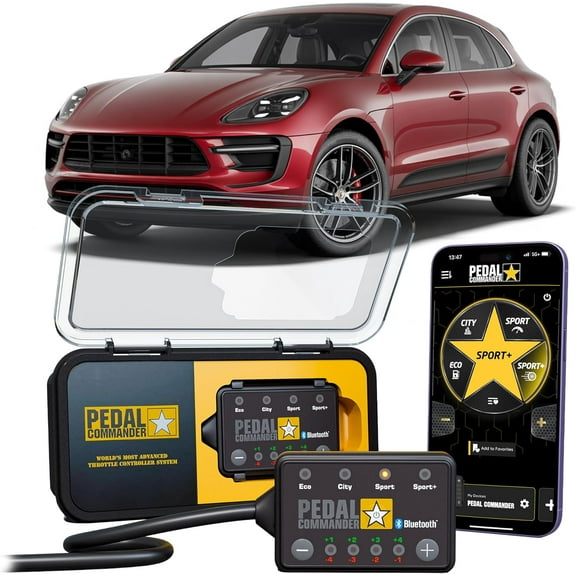
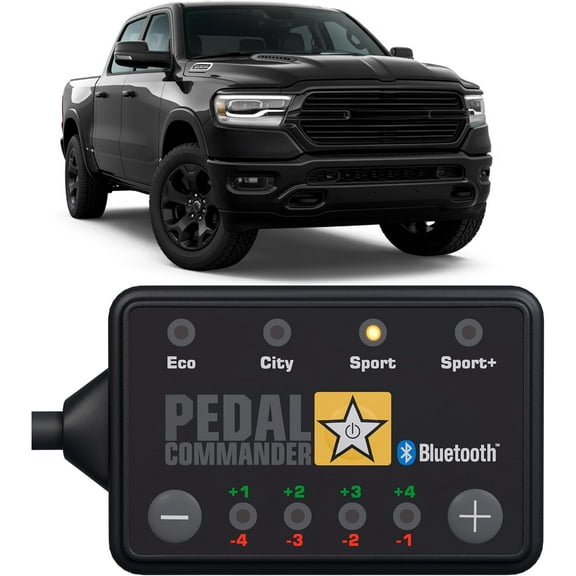
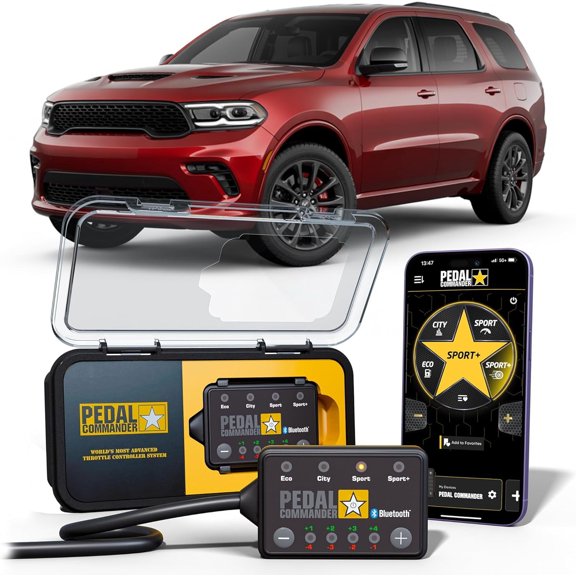
- You can choose between handheld programmer, inline module, and monitor or tuner combo designs.
- You can match automotive tuners to gas or diesel engines with fitment-based confidence.
- You can select options that let you restore factory settings when your situation calls for it.
Choosing tuner type and installation method
You should compare tuner type next because installation complexity changes your overall experience. You can usually plug a handheld programmer into the OBD-II port, follow prompts, and complete setup without extra wiring.
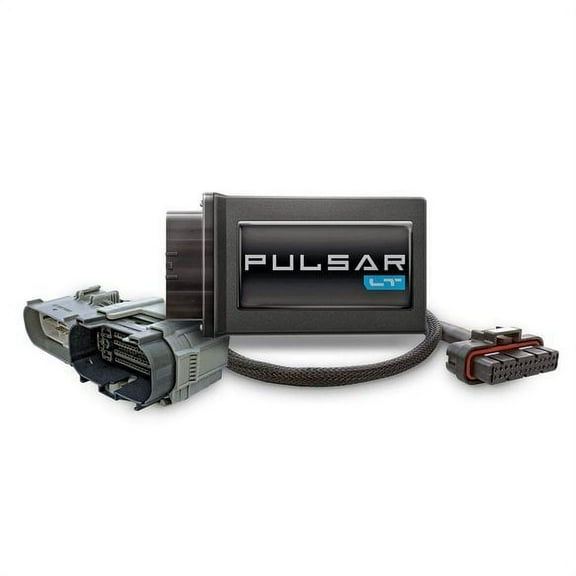
If you’re considering an inline module, you should check connector locations and sensor access first. You may need a more involved install because these units often connect within the engine bay instead of through the diagnostic port.
You can also choose a monitor and tuner combo when you want both programming and live readouts in one device. You’ll get a dashboard-style view that helps you track selected data after installation.
When you compare engine programmers, you should look for update support and menu clarity. You can save time when the screen layout, prompts, and vehicle selection steps feel straightforward.
What to look for in vehicle compatibility
You need fitment details that go beyond vehicle type because the same model can use different engines or ECUs across production years. You should check engine size, transmission pairing, and model year range before you decide.
If you’re shopping truck programmers, you should confirm towing-related support and drivetrain compatibility. You can narrow choices faster when you know whether your truck uses a gas or diesel powertrain.
For diesel tuners, you should review supported engine families and operating parameters with extra care. You may see references to boost pressure and timing advance, which help explain how diesel calibration strategies differ.
For car programmers, you should compare daily driving goals with the available tuning options. You can focus on throttle feel, transmission behavior, or general drivability depending on your platform.
Using engine programmers for real driving goals
You can match engine programmers to specific routines instead of choosing by name alone. You should consider whether your vehicle spends more time towing, commuting, highway cruising, or mixed-use driving.
If your SUV or truck handles trailers, you may want settings that support towing performance and steady power delivery. You can look for options designed around load-focused driving instead of all-out acceleration.
When your daily route includes long highway miles, you may prefer calibrations centered on fuel economy and smoother part-throttle response. You can choose a setup that supports consistent driving habits without adding unnecessary complexity.
If you enjoy enthusiast driving, you may lean toward automotive tuners that sharpen acceleration feel and transmission behavior. You can compare handheld and monitor-based formats depending on whether you want simple flashing or active gauge viewing.
Checking factory settings and ownership needs
You should think about ownership needs before installation, especially if you want the option to return to factory settings later. You can often find units that let you uninstall the tune and restore the original calibration.
That flexibility matters when you want to troubleshoot, change vehicles, or prepare for service visits. You’ll feel more confident when you know how the device handles stock file storage and tune removal.
You can make an informed choice when you compare fitment, tuner type, fuel type, and your main driving goal together. You’ll get tuners and programmers that fit your vehicle and support the way you drive every day.