

Tumbling Mats and Gymnastics Equipment





































About Tumbling Mats and Gymnastics Equipment - Walmart.com
Tumbling gear helps you build a safer practice setup for flips, rolls, and drills at home or in the gym. You can compare mat types, thickness, and sizes to match your space, skill level, and training routine.
How to choose tumbling mats
When you shop tumbling mats, you should start with the surface feel and rebound you want. You can choose inflatable styles for adjustable bounce or foam styles for steady support.
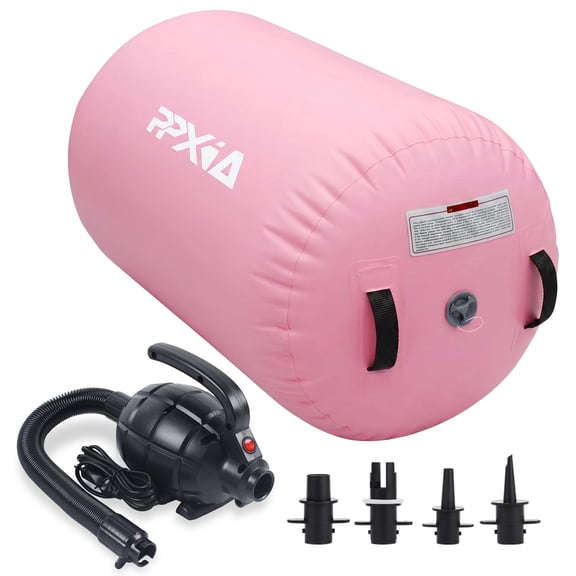
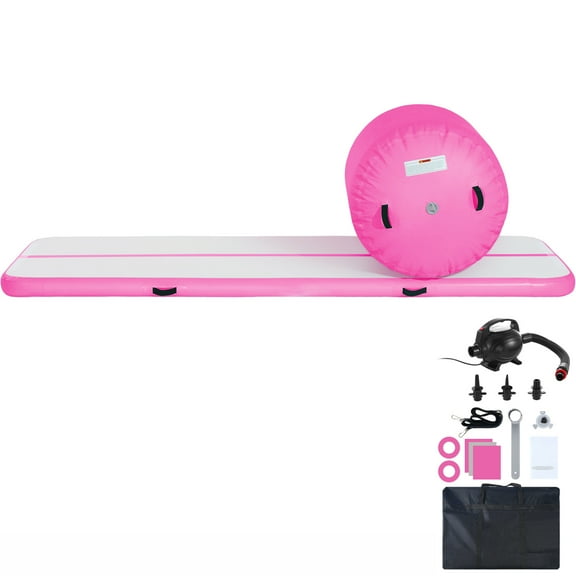
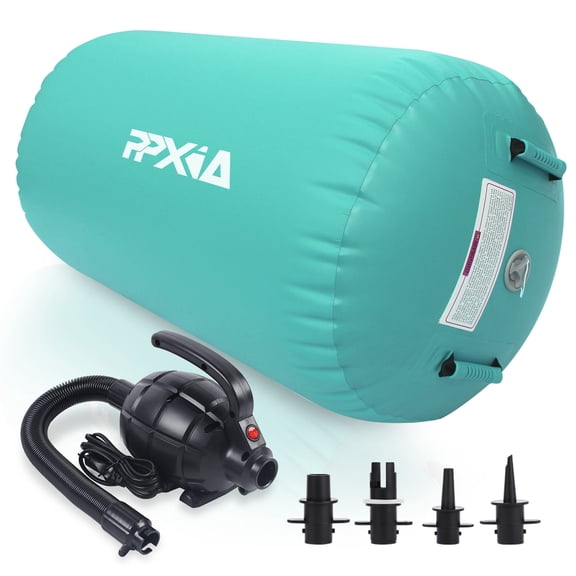
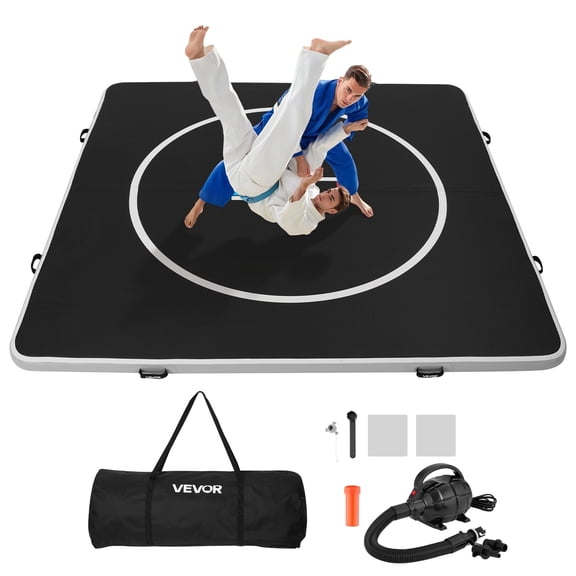
An air track tumbling mat lets you adjust firmness with PSI control for different drills. You can lower the pressure for softer landings or raise it for a firmer takeoff feel.
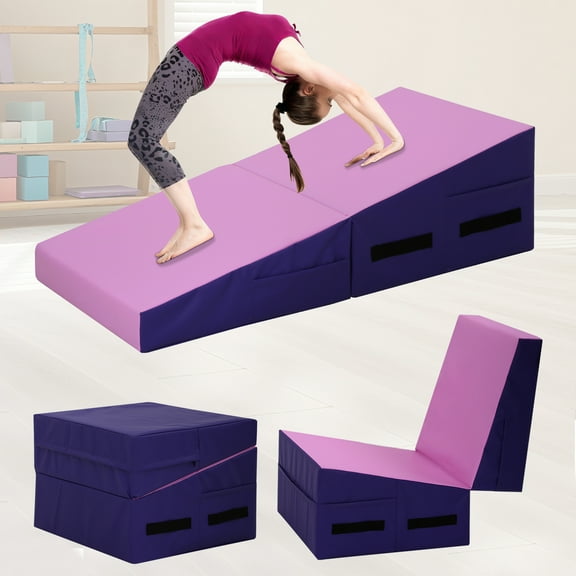
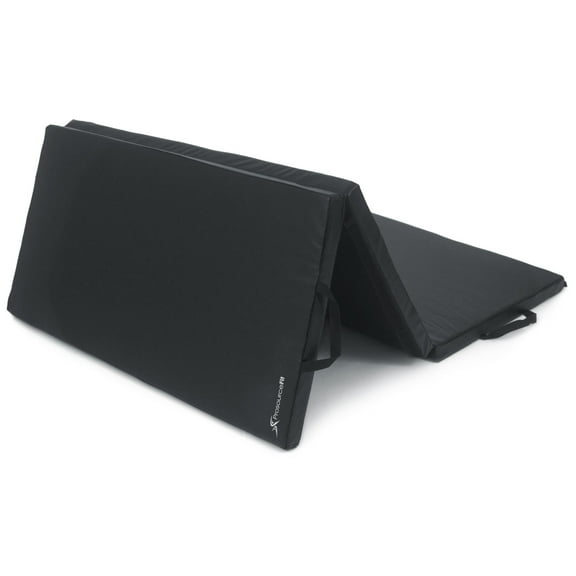
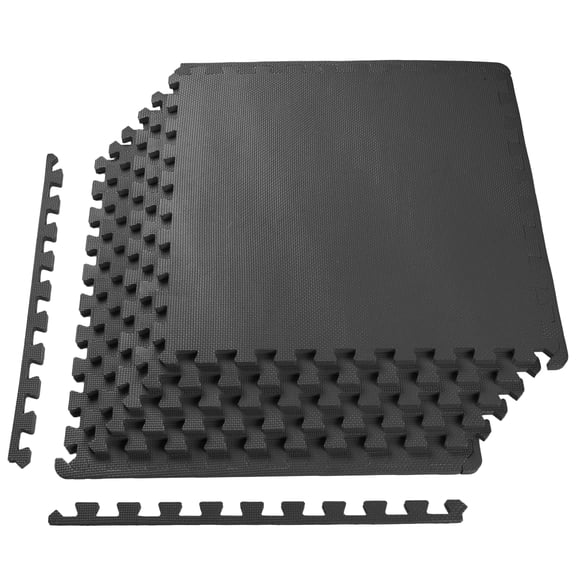
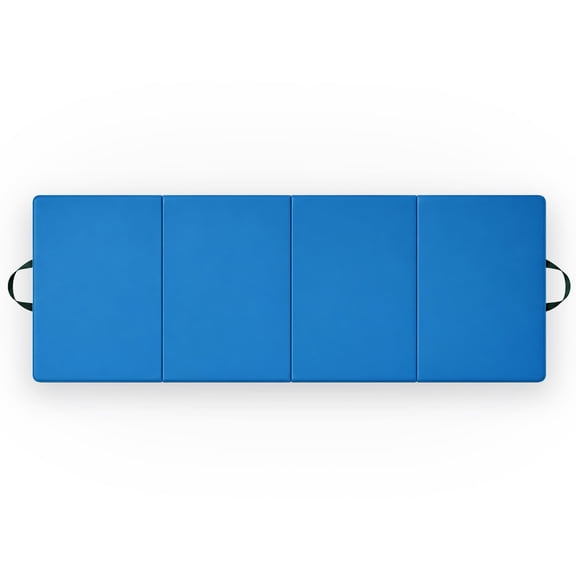
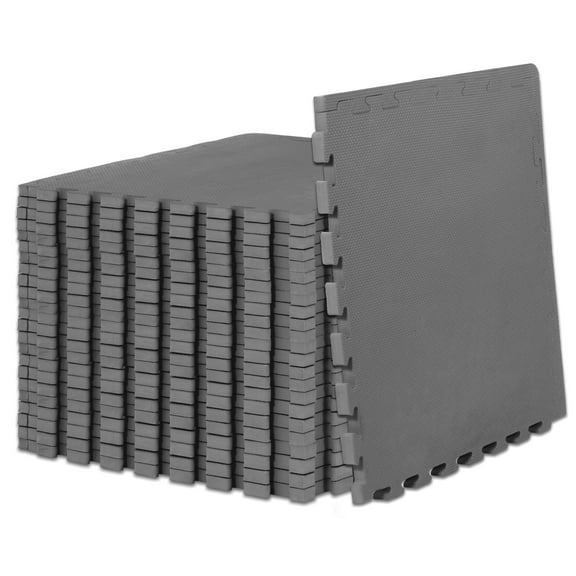
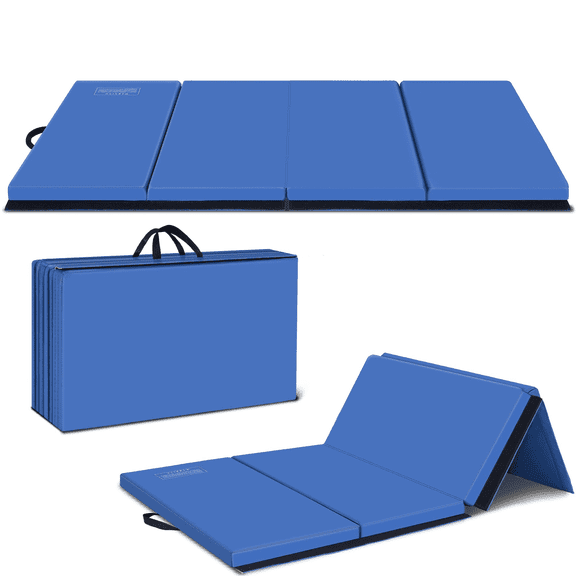
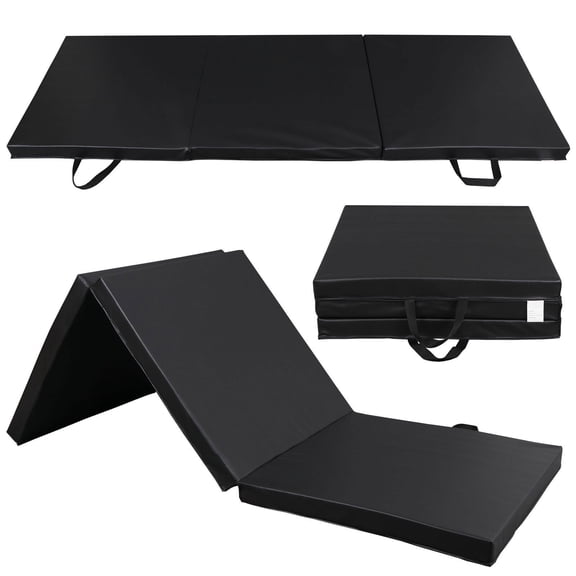
Folding foam mats give you a flatter training surface that stays consistent through repeated practice. You can use them for cartwheels, handstands, stretches, and floor drills that need stable footing.
- You can choose inflatable air tracks when you want adjustable bounce and easier deflation for storage.
- You can choose folding foam mats when you want firm support and a quick setup on the floor.
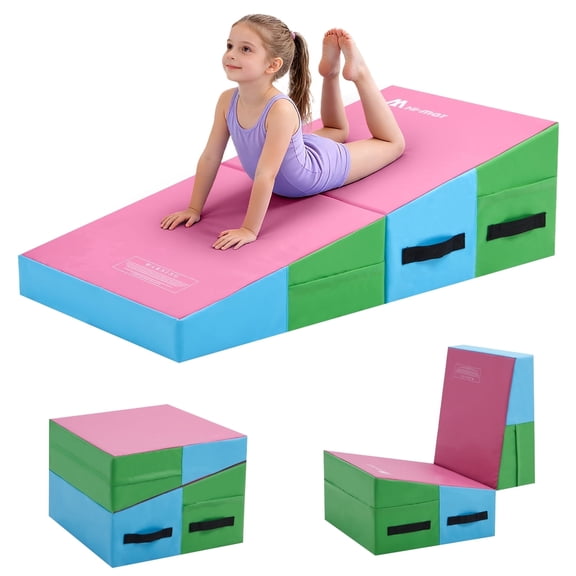
- You can use incline wedges to practice entries, rolls, and progressions with an angled surface.
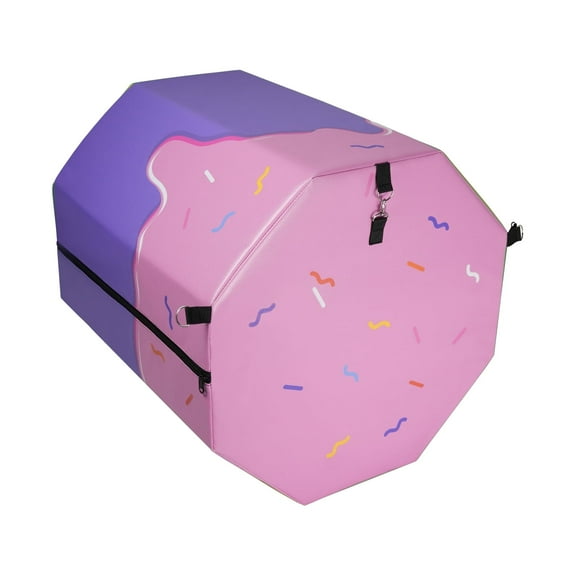
- You can add octagonal rollers when you want support for bridges, walkovers, and body positioning drills.
Because this category includes more than flat mats, you can build a training area around specific skill progressions. You can combine wedges and rollers with larger mats for a more complete tumbling equipment setup.
Choosing gymnastics tumbling mats by thickness
You should compare cushioning first if you practice jumps, back handsprings, or beginner landings. Thicker mats usually give you more impact absorption, while thinner mats can feel firmer and lower to the ground.
A 2-inch mat can work well when you want a closer floor feel for basic drills. You can use it for stretching, conditioning, and light practice where extra height isn't needed.
A 4-inch option gives you a middle ground between support and cushioning for many routines. You can consider this thickness when you want versatility for home practice and shared use.
An 8-inch mat gives you deeper cushioning and a taller landing surface for advanced progressions. You should check your ceiling height and training area before choosing thicker tumbling mats.
If you compare foam density, you should look for a surface that feels supportive without feeling overly stiff. You can think of denser foam as steadier underfoot during repeated drills.
For inflatable models, you should check whether the drop-stitch construction supports even air distribution. You can expect double-wall PVC drop-stitch fabric to help the mat hold its shape during practice.
Comparing tumbling equipment for storage and setup
You should think about where your mat will live between sessions before choosing a style. You can fold foam mats into compact sections, while you can deflate air tracks when floor space is tight.
Folding designs help you set up quickly for short sessions before school, practice, or class. You can carry many models by handles and tuck them into closets, corners, or vehicles.
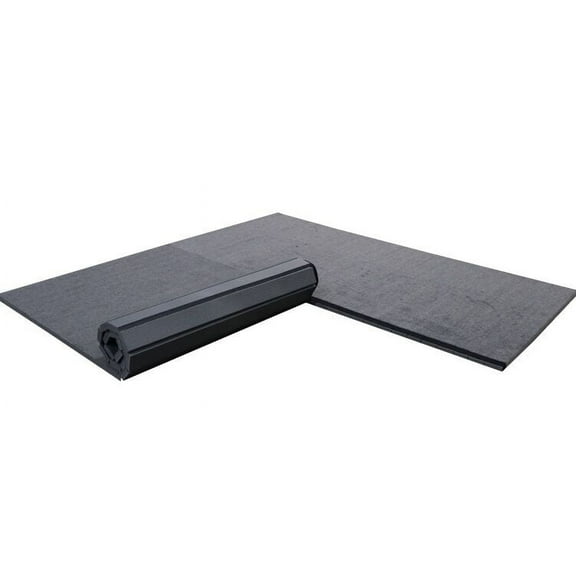
Inflatable mats can suit homes where you need a longer runway but limited storage after practice. You can roll them after deflation and move them more easily than large solid-core mats.
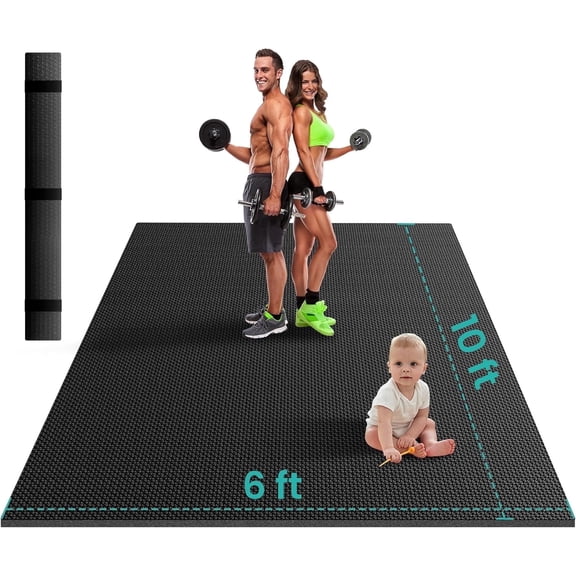
Size matters just as much as storage, so you should measure your open floor area carefully. You can choose 10ft lengths for smaller rooms or 16ft and 20ft lengths for longer passes.
If you want a classic rectangular footprint, you can compare 4x8 ft mats for drills and stations. You can place them in bedrooms, basements, garages, or shared workout rooms more easily.
Matching tumbling to your practice goals
You should match the mat type to the sport or routine you practice most often. You can choose gymnastics tumbling mats for floor skills, body control, and repetition-based training.
If you practice cheer routines, you may want cheerleading tumbling mats with enough length for connected skills. You can look for cushioning that supports jumps, handsprings, and standing drills.
For martial arts training, you may prefer foam mats that provide a steady surface for movement patterns. You can use them for rolls, forms, partner drills, and flexibility work.
Home practice setups often need simple storage and easy repositioning between activities. You can choose a folding foam mat for quick use or an air track for adjustable rebound.
Beginners often need predictable support while learning body positions and timing. You can start with wedges or rollers to break skills into smaller, more manageable steps.
More experienced users may want longer mats and customized firmness for connected passes. You can combine a long air track tumbling mat with supporting shapes for progressions and drills.
What to look for before you decide
You should check surface texture, seam quality, and handles because those details affect daily use. You can also compare closure styles, inflation accessories, and folded dimensions before you choose.
When you review tumbling equipment, you should think about room size, storage needs, and the skills you practice most. You can make a smarter pick when the mat type, thickness, and length all match your routine.
Tumbling becomes easier to plan when you understand how each mat style supports a different training goal. You can create a more useful practice area with gear that fits your drills, space, and schedule.