






True Timber
Expect the unexpected
Prep for the wildest of encounters with outdoor essentials.Feed Your Wild Side®
Make a survival pack


FAQ
About True Timber - Walmart.com
True Timber helps you choose camouflage apparel built for outdoor conditions and changing terrain. You can compare patterns, materials, and fits that match hunting, fishing, tactical, and casual wear.
If you're looking for a true timber store experience, you need clear guidance before you choose. You can use this page to understand pattern differences, layering options, and apparel types that fit your plans.
How to choose true timber by camouflage pattern
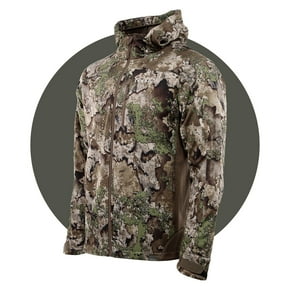
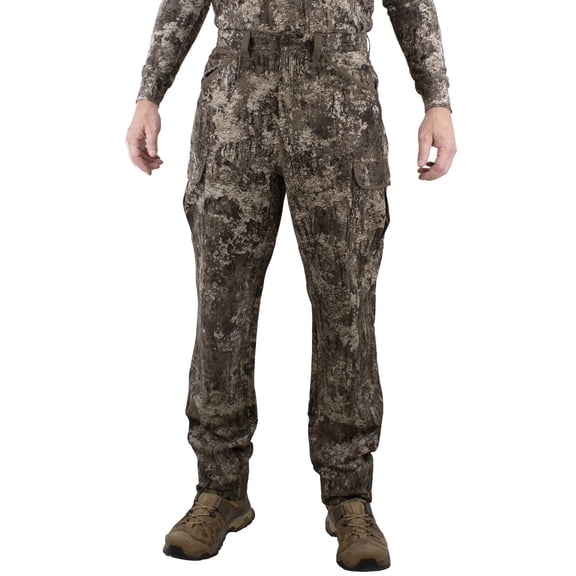
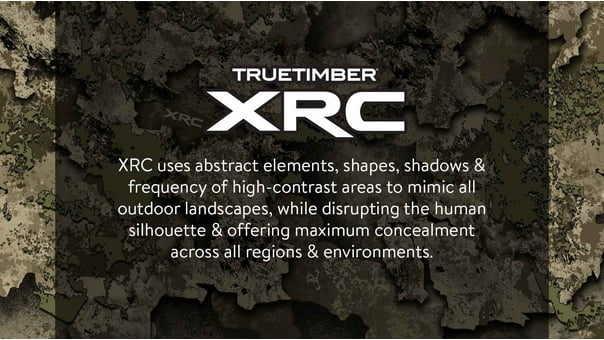
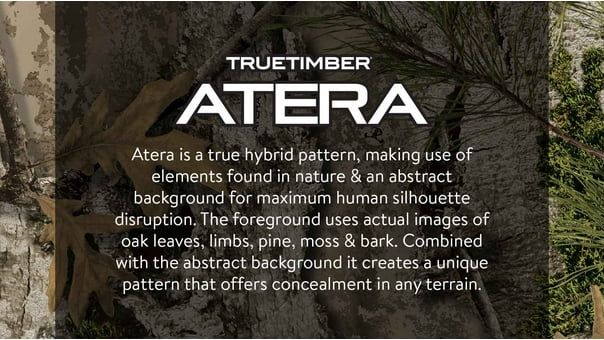
You should start with camouflage pattern, because your terrain changes how your apparel blends into the background. You can compare Strata, Kanati, Viper, and Prairie based on the cover you expect.
If you hunt hardwood areas, you may prefer Strata because you can match bark, branches, and shaded woods. If you move through mixed forest, you may prefer Kanati for broader contrast and layered depth.
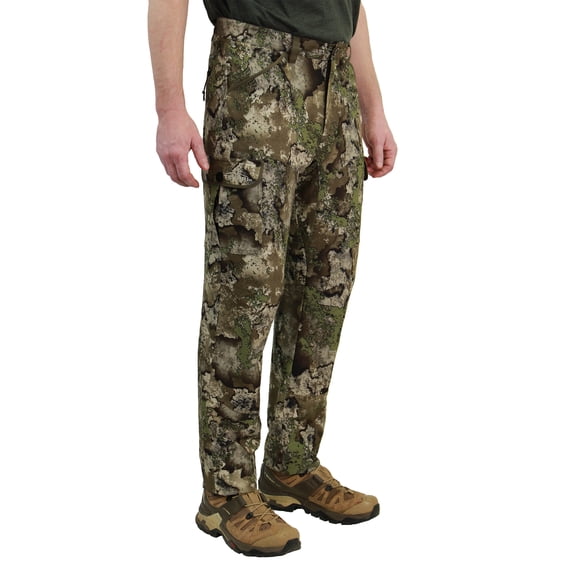
You can consider Viper when you want a sharper, modern camo look for varied outdoor settings. You can look at Prairie when your ground cover is lighter, flatter, and more open.
- You can match Strata to wooded terrain with bark and vertical cover.
- You can use Kanati when your setting mixes leaves, trunks, and uneven depth.
- You can compare Viper for bold pattern contrast across changing outdoor backdrops.
- You can choose Prairie when you need a lighter pattern for open fields.
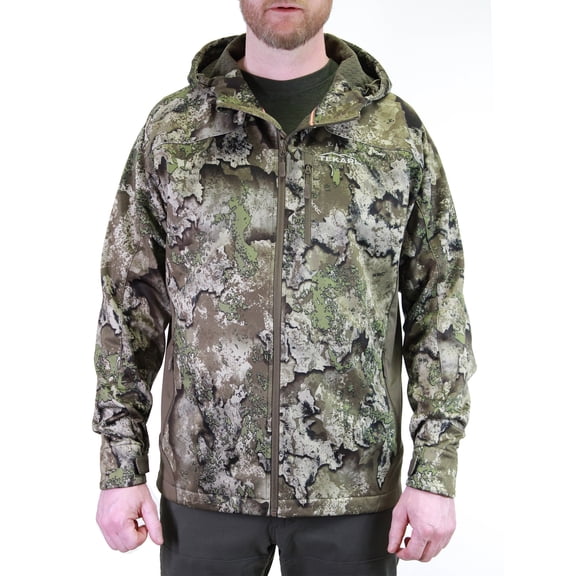
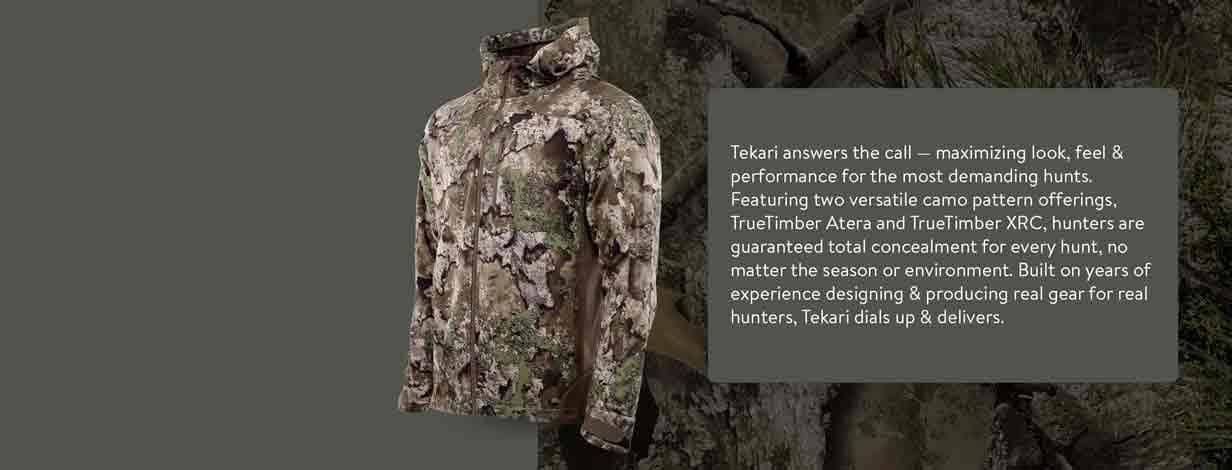
Choosing a true timber jacket and other apparel types
You should compare apparel type next, because your movement and layering needs change by season. You can choose jackets, pants, shirts, or hoodies based on weather and activity.
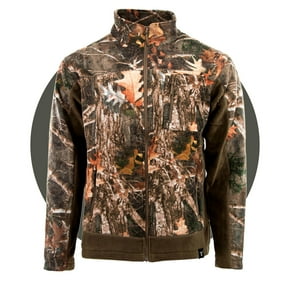
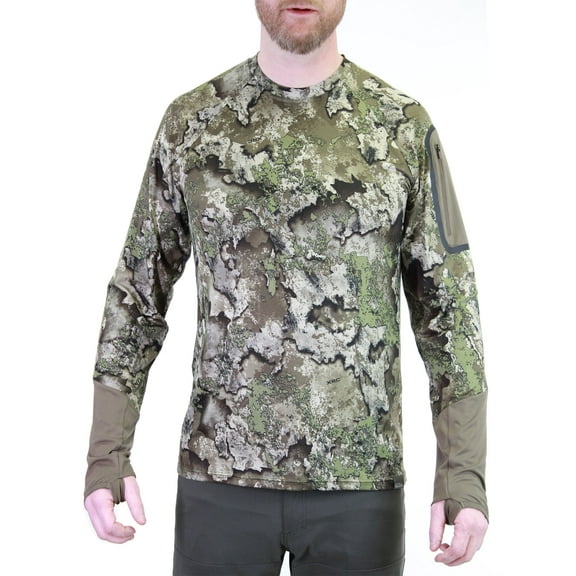
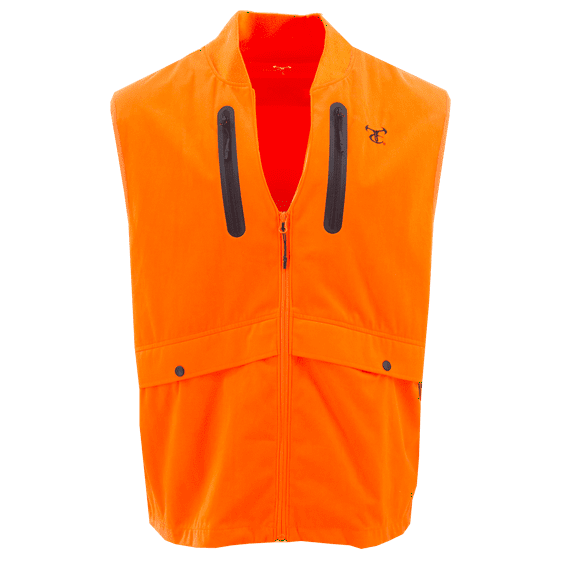
If you need outer coverage, a true timber jacket gives you room for layers and changing temperatures. If you want easier movement, you may prefer shirts or hoodies during milder conditions.
You can pair pants with matching tops when you want a more consistent camo look in the field. You can also choose casual pieces when you want timber clothing that works beyond hunting hours.
When you compare apparel categories, you should think about pocket access, sleeve coverage, and layering room. You can narrow your options faster when you match each piece to your outing.
What to look for in materials and weather protection
You should check material details carefully, because weather protection affects comfort throughout the day. You can compare fleece, waterproof builds, windproof layers, and polyester fabrics with your forecast in mind.
If you expect colder mornings, fleece can give you a softer interior and extra warmth. If you expect wet brush or steady drizzle, waterproof construction can help keep your outer layer more comfortable.
You can look for windproof designs when open fields or moving air make light layers feel less useful. You can choose polyester when you want durable fabric that handles repeated outdoor wear.
When you're comparing materials, you should also check whether your fit allows layering underneath. You can avoid bulky movement when your jacket, hoodie, or shirt leaves enough room for base layers.
How truetimber options fit your activity
You can narrow truetimber choices by starting with the activity you have planned. You should compare hunting, fishing, tactical, and casual use before you choose pattern and fabric.
If you're hunting, you may want pattern accuracy, quiet layers, and outerwear that works through early starts. If you're fishing, you may prefer lighter layers that keep you covered without feeling heavy.
If you need tactical-inspired wear, you can focus on mobility, practical coverage, and durable materials. If you want casual use, you can choose camo hoodies, shirts, or jackets that fit everyday outdoor style.
You should also think about how long you'll wear each piece during the day. You can choose lighter layers for active movement or heavier options when you expect long, still periods outdoors.
Comparing fit, layering room, and everyday wear
You should check sizing with your usual base layers in mind, because fit changes with season. You can choose a standard fit for everyday wear or extra room for colder outings.
If you wear thermal layers underneath, you may want more space through the shoulders and chest. If you want a lighter setup, you can choose a closer fit that still supports movement.
You can use hoodies and shirts for flexible layering when conditions change during the day. You can rely on jackets and pants when you need fuller coverage from brush, wind, or light moisture.
When you compare true timber apparel this way, you get a clearer path to the right pattern and fabric. You can build an outdoor setup that matches your terrain, weather, and activity.