

TriggerPoint in Fitness Brands





















About TriggerPoint in Fitness Brands - Walmart.com
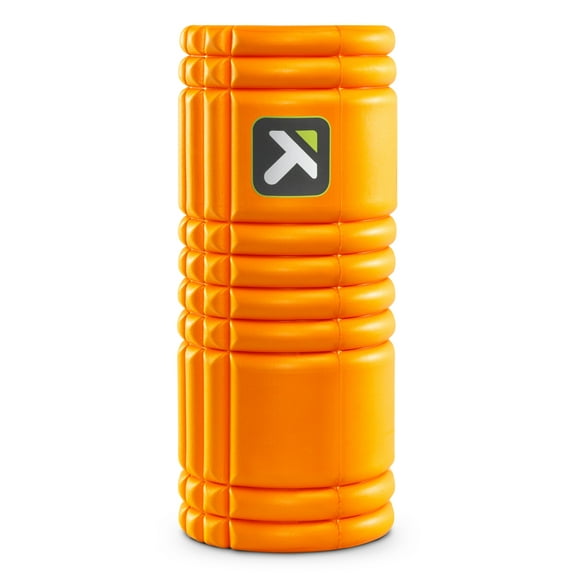
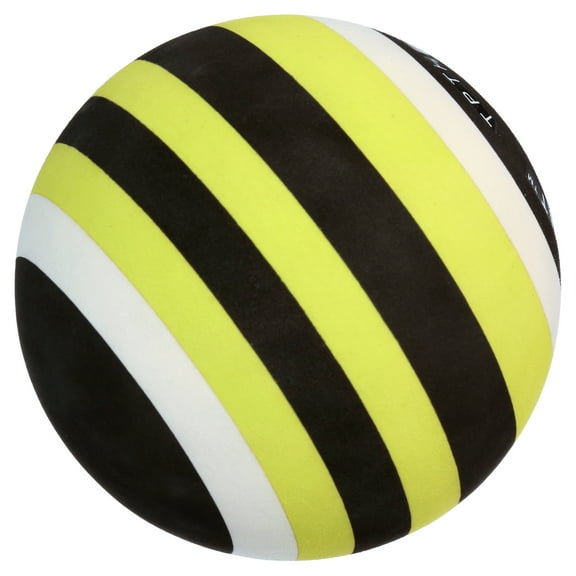
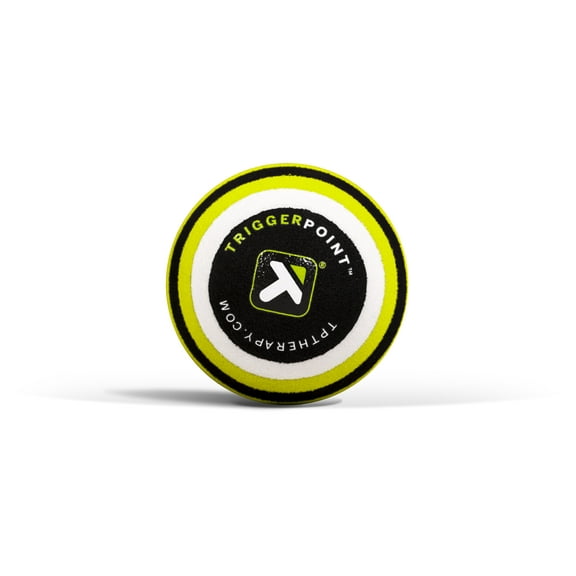
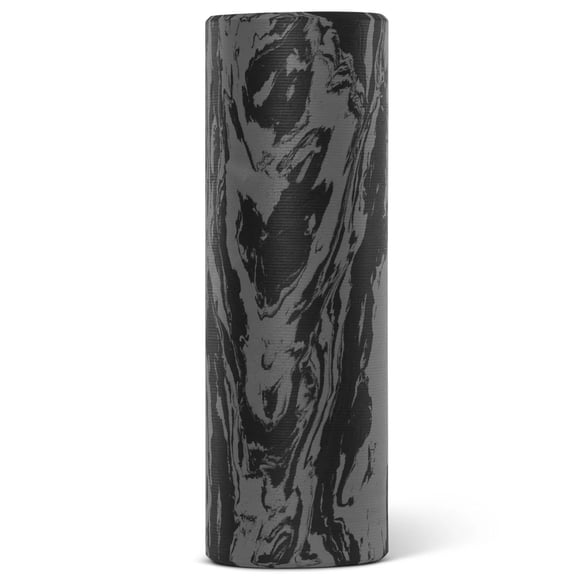
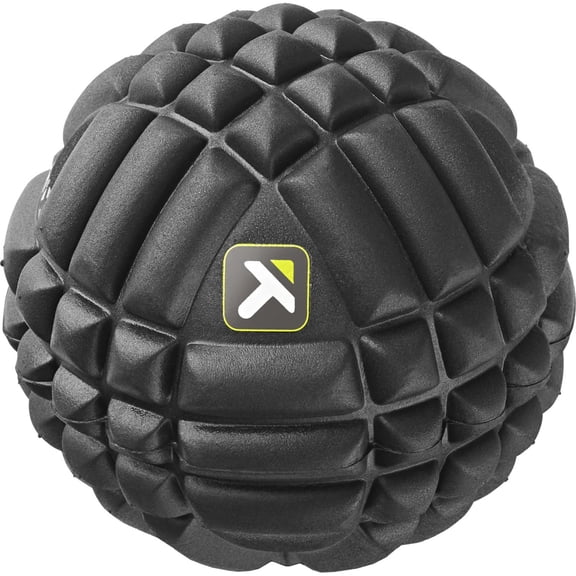
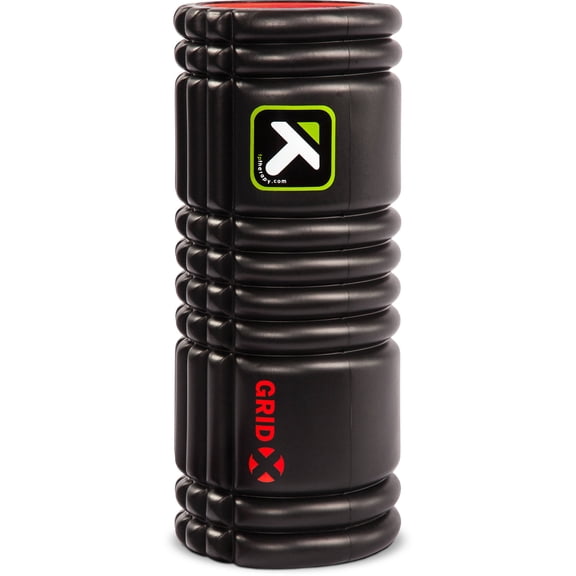
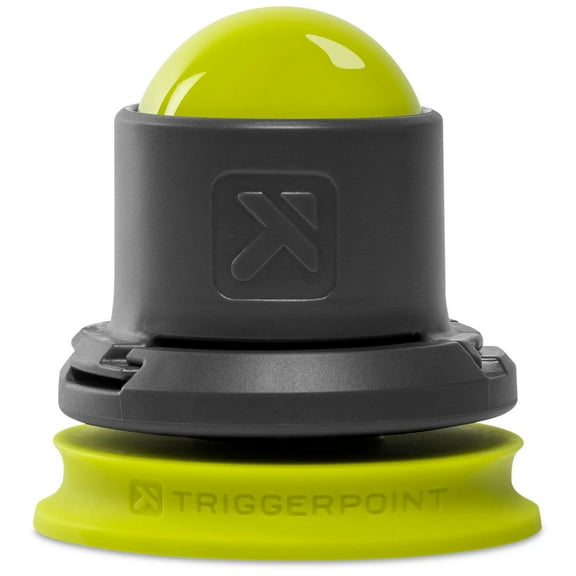
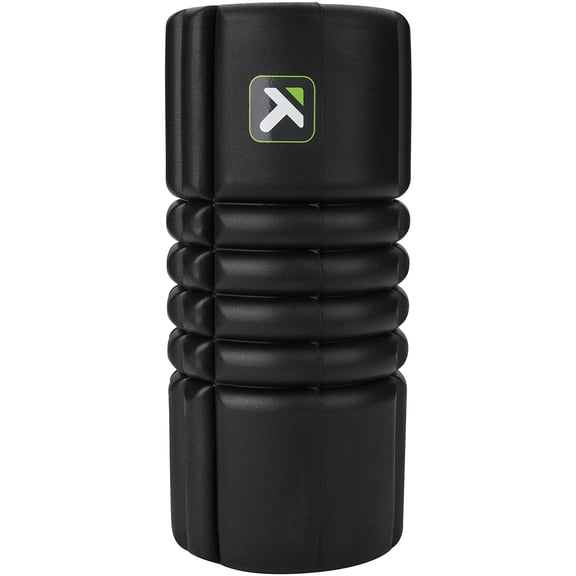
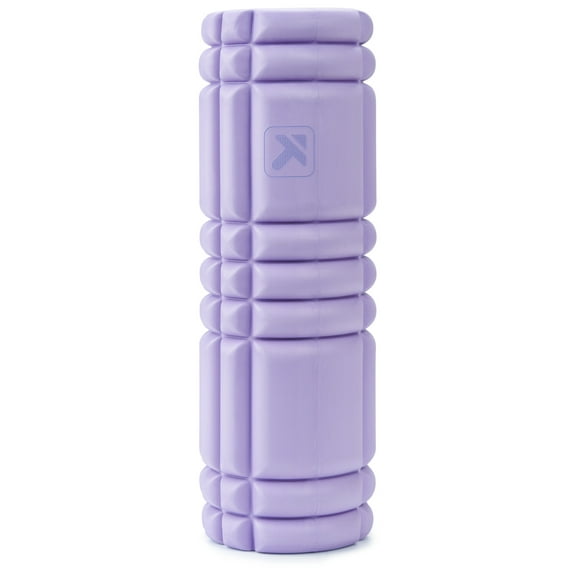
You can compare a 6 inch foam roller here when you want compact recovery tools that travel easily and target smaller muscle areas. You also get guidance on roller length, firmness, core design, and body area focus, so your choice feels clear.
Choosing the right 6 inch foam roller length
You should start with roller length because length changes how you position your body and where you can roll. You’ll notice a six-inch size feels easier to pack, carry, and place under smaller muscle groups.
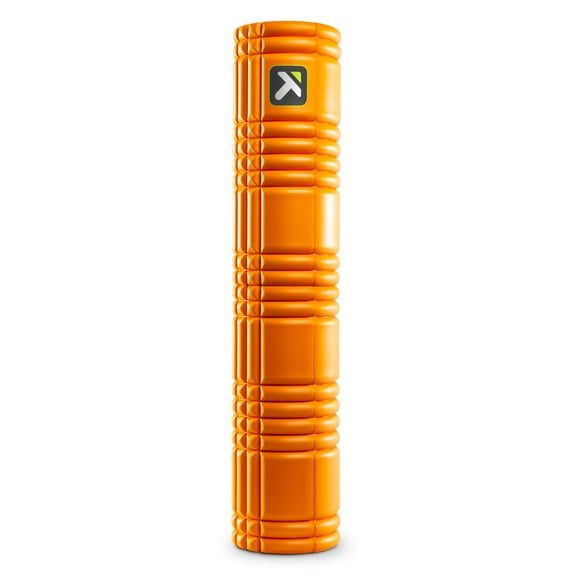
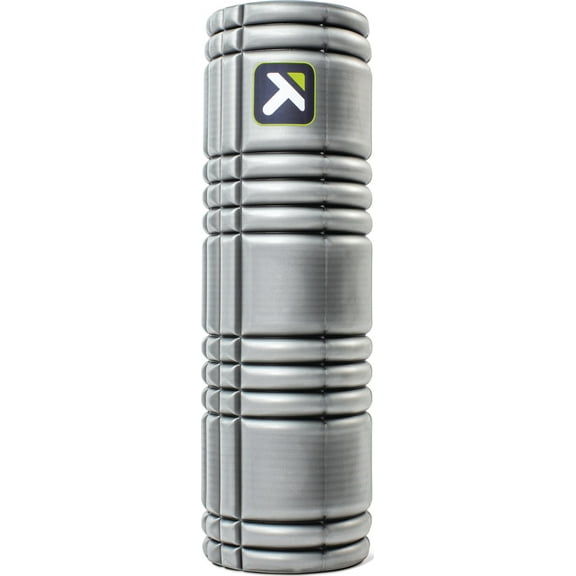
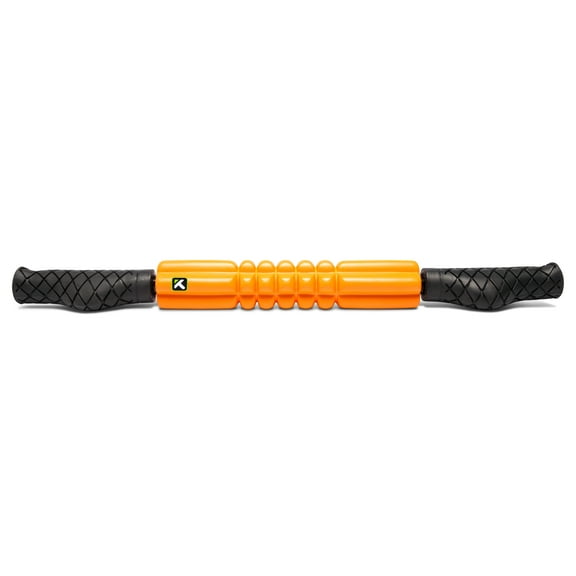
When you compare six-inch, 12-inch, 13-inch, and 18-inch options, you’re really choosing between portability and wider coverage. You may prefer a 13-inch roller when your full back needs a longer contact area.
If your routine includes travel, gym bags, or desk drawers, you’ll likely appreciate a shorter roller. If your warmup happens at home, you may want extra length for smoother passes.
How to compare a trigger foam roller by firmness
You should also compare firmness because that choice changes how the surface feels during each pass. You’ll generally find standard foam easier for everyday sessions and extra firm surfaces more focused.
When you choose soft foam, you may get a gentler feel for lighter pressure and slower starts. When you choose extra firm textures, you can target dense areas with more direct contact.
- You can use soft foam when you want lighter pressure on smaller areas.
- You can choose standard firmness for balanced daily rolling and simple warmups.
- You can consider extra firm options when you prefer more concentrated contact.
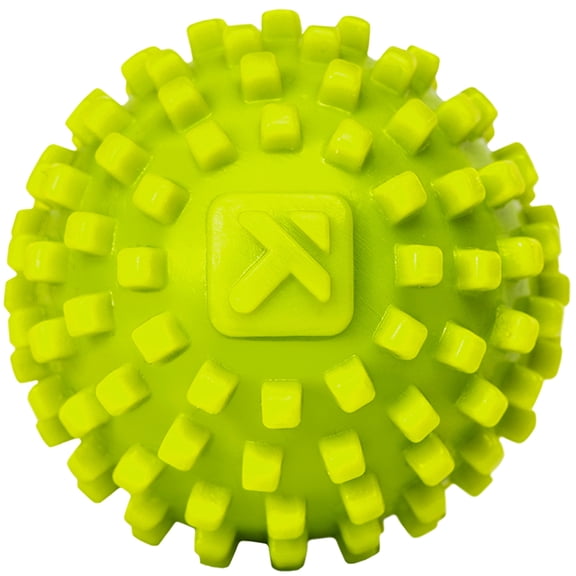
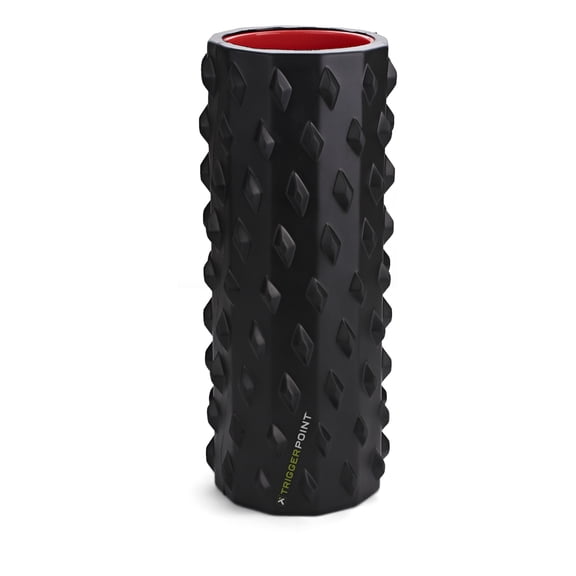
- You can compare surface patterns if you want a more textured feel.
Your tolerance matters here, so you should match firmness to your routine instead of chasing the strongest feel. You’ll usually get more consistent use when your roller feels manageable from the first session.
What to look for in ft1000 roller core design
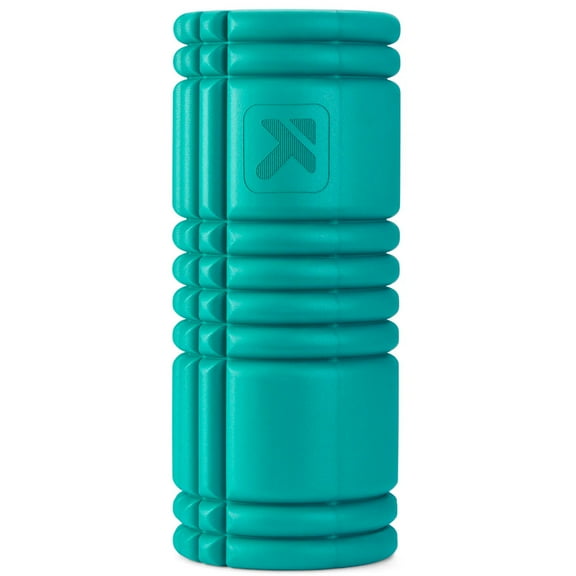
You should check core design next because it affects structure, feel, and long-term use. You’ll often see hollow core and solid core options, and each one changes how the roller responds.
When you choose a hollow core design, you may notice a firm outer surface with a lighter overall feel. When you choose a solid core style, you may prefer the denser feel in hand.
Your comparison should include how often you roll and where you store your gear. You may want a hollow core if you need durable structure without adding much bulk.
If you’re reviewing an ft1000 roller style, you should focus on shape, size, and pressure feel. You’ll make a smarter pick when the core design matches your usual rolling intensity.
Choosing by target body area and joint roller use
You should match your roller to the body area you plan to work most often. You’ll usually want compact rollers for calves, feet, shoulders, and other smaller zones.
When your focus is back coverage, you may prefer a longer roller for more stable contact. When your focus is legs or shoulders, you may find shorter lengths easier to position.
If you’re considering a joint roller search, you should think about surrounding muscles instead of direct joint contact. You can roll the muscles near knees, hips, shoulders, and elbows with more control.
Your technique matters as much as the size, so you should use slow pressure and steady positioning. You’ll usually get a smoother experience when you guide the roller around the area, not on the joint itself.
Understanding trigger point brand terms and naming
You may see shoppers compare trigger point brand phrasing with trigger point vs triggerpoint brand wording in search results. You should know those searches often reflect naming differences, while your real decision stays focused on size and feel.
When you compare labels, you should return to practical details like length, firmness, and body area fit. You’ll get a clearer result when the roller matches your routine, bag space, and pressure preference.
How your routine shapes the right choice
You might want a six-inch roller for travel days, quick gym sessions, or targeted work after lifting. You can also use a longer roller at home when your routine includes broader back or leg passes.
If your sessions are short, you may prefer compact tools that you can place quickly under one area. If your sessions are more extended, you may appreciate a longer format for fewer repositioning moves.
Your decision becomes easier when you compare where you roll, how firm you like pressure, and which muscles need attention. You’ll feel more confident when your roller fits your space, your routine, and your preferred control.
You can narrow the right recovery tool by comparing six-inch portability, firmness feel, core design, and body area focus. You’ll make a practical choice when those details line up with how and where you roll.