

Tractor Heating and Cooling in Tractor Parts


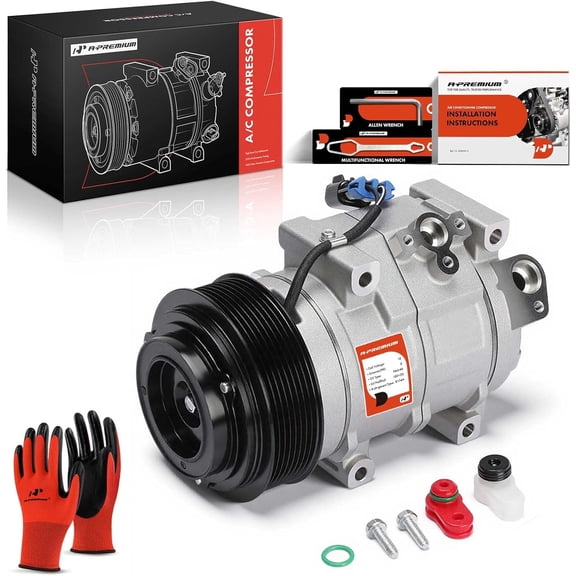

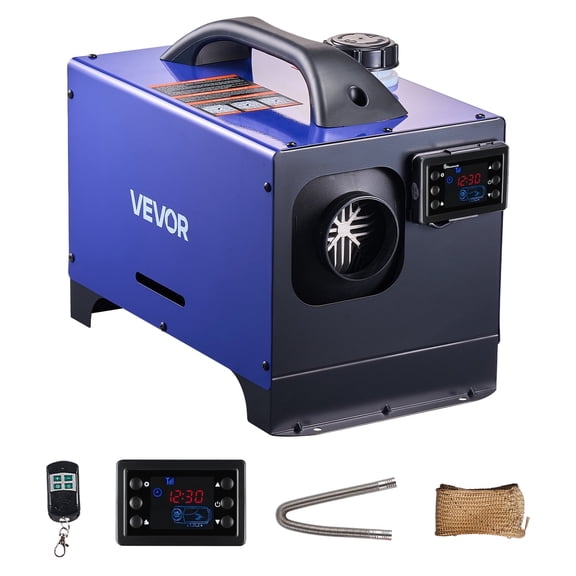
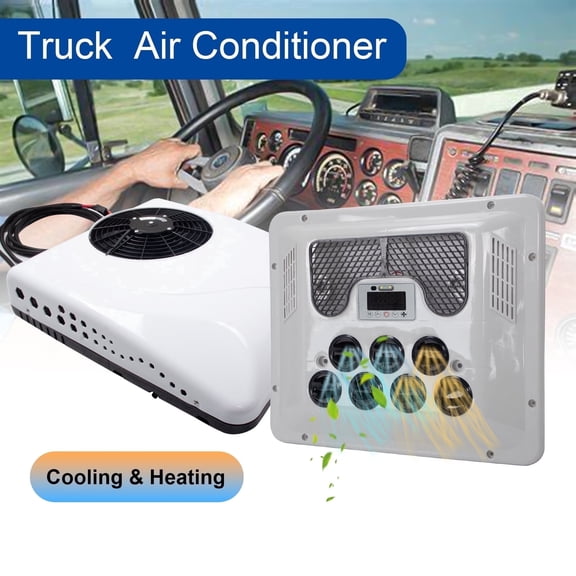

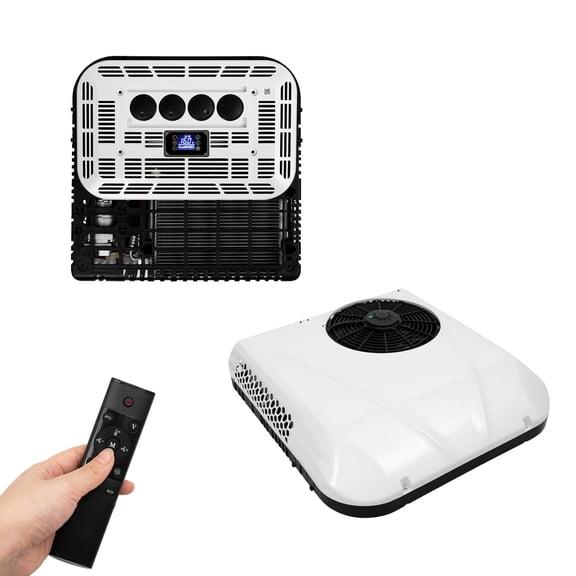


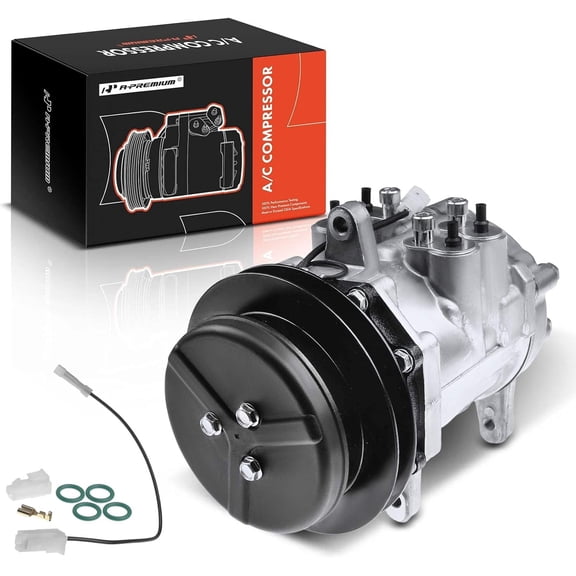

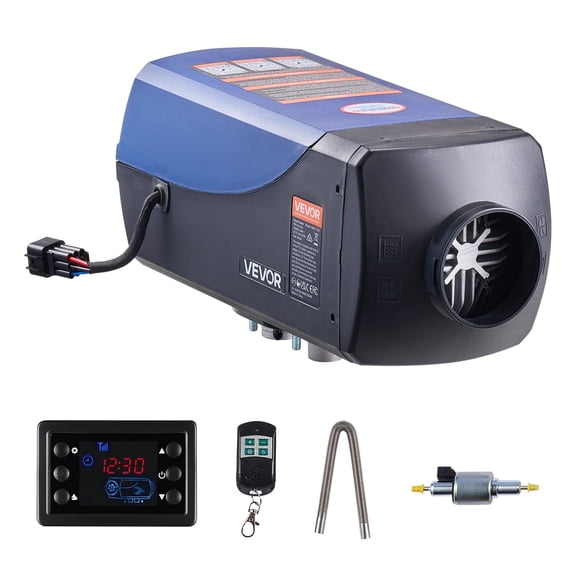


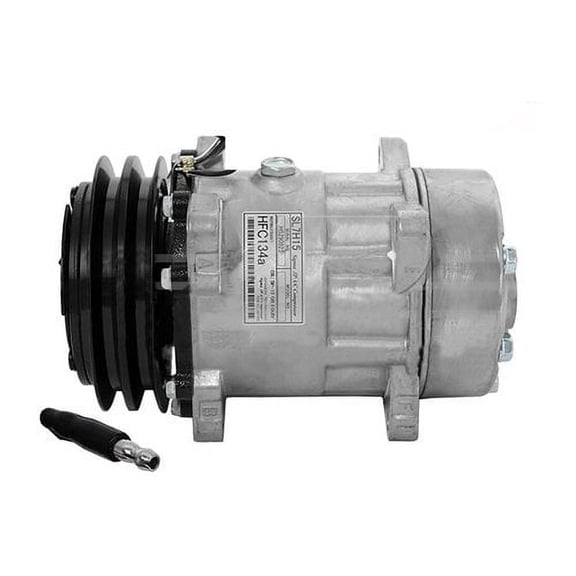














About Tractor Heating and Cooling in Tractor Parts - Walmart.com
With tractor heating and cooling parts, you can restore steady cab comfort and keep your equipment ready for long field days. You’ll find category choices built around fit, voltage, and component type, so your replacement search stays focused.
When you’re working through dust, vibration, and changing weather, you need climate control parts that match your tractor correctly. You can compare heaters, blowers, thermostats, radiators, and air conditioning pieces with practical guidance that supports faster decisions.
How to choose tractor heating and cooling parts
You should start with equipment compatibility before you compare any other detail. You can check your tractor make, cabin model, and OEM cross-reference to narrow parts that align with your machine.
If you run John Deere, Kubota, Massey Ferguson, Ford, or Case IH equipment, you can look for match details that reflect those platforms. You can avoid guesswork when your replacement part aligns with the original mounting points and connections.
You should also compare the failed component before you order a replacement. You can separate a tractor cab heater need from a tractor blower motor issue, thermostat replacement, or radiator problem.
- You can use equipment compatibility to confirm fit with your tractor make and cabin setup.
- You can compare component type to match a heater, blower, thermostat, radiator, or AC part.
- You can check voltage requirements, including 12V and 24V systems, before installation.
- You can choose between OEM replacement and universal fit based on your mounting and wiring needs.
When you review these decisions first, you can cut down on returns and installation delays. You can also find a clearer path when your tractor needs heavy duty tractor climate control parts for everyday work.
Choosing component type and fit
You should match the replacement part to the exact function you need restored. You can look for heaters when you need warm airflow, or tractor air conditioning parts when you need cooled cabin circulation.
If your fan no longer moves air through the cab, you may need a tractor blower motor instead of a heater assembly. You can also compare thermostats and radiators when temperature regulation or coolant flow becomes your main concern.
You can consider installation fit next because it shapes how directly the part lines up. You can choose OEM replacement options when you need original-style placement, or universal fit parts when your setup allows adaptation.
OEM-style fit can help you align brackets, hoses, and connectors with fewer modifications. Universal fit can give you added flexibility when you’re updating older equipment or mixed-use utility tractors.
You should look closely at product details that mention cabin model, connector style, and mounting pattern. You can make a more informed choice when those details support the part you’re replacing.
Checking voltage and electrical compatibility
You need to confirm voltage before you select any powered climate control component. You can check whether your tractor uses a 12V or 24V electrical system, then compare that requirement to the part listing.
If you’re replacing a 12v tractor heater, you should verify that your wiring setup matches the unit’s power needs. You can also compare switch style and connector type when you want a smoother install.
For blower assemblies and air conditioning components, voltage compatibility affects startup and operation. You can look for a match that fits your tractor’s electrical system rather than forcing extra changes.
You should also review whether the replacement is intended for cab use, utility tractors, or broader equipment applications. You can narrow your options faster when your voltage and application details align together.
What to look for in heavy-duty tractor climate control
You may work in fields, lots, and job sites where dust and vibration are part of every shift. You should look for sturdy housings, secure connectors, and fit details that support repeated use in agricultural conditions.
When your tractor runs through long harvest hours or changing seasons, you want climate control parts that maintain dependable airflow. You can focus on parts designed for cabin environments where heat, cooling, and circulation all matter.
You should also consider how a replacement part supports routine maintenance planning. You can keep spare thermostats, blower components, or heater parts in mind when your fleet includes multiple tractor brands.
If you manage older equipment, you may prefer universal-fit options with adaptable mounting. If you maintain newer machines, you may lean toward OEM replacement choices with model-specific alignment.
Use cases for tractor cab heater and AC part selection
You might need a tractor cab heater when cold mornings make enclosed cab work less comfortable. You can restore warm airflow with a replacement that matches your tractor make and electrical setup.
During hotter months, you may focus on tractor air conditioning parts that support cooled airflow inside the cab. You can compare blowers, related AC components, and fit details that keep your operator space more consistent.
If your fan stops moving air, you can target a tractor blower motor that matches your existing assembly. You should review connector style, voltage, and fit notes before you commit to the replacement.
When your engine temperature system needs attention, you may look for a tractor thermostat replacement or radiator component. You can match those parts by function and equipment compatibility, rather than guessing from general descriptions.
You may also support a mixed fleet that includes John Deere, Kubota, Massey Ferguson, Ford, and Case IH tractors. You can use compatibility details and OEM cross-reference information to sort replacement paths more efficiently.
With the right tractor heating and cooling approach, you can narrow choices by fit, voltage, and component role. You can find a clearer path to a replacement that works with your cab setup and daily workload.