



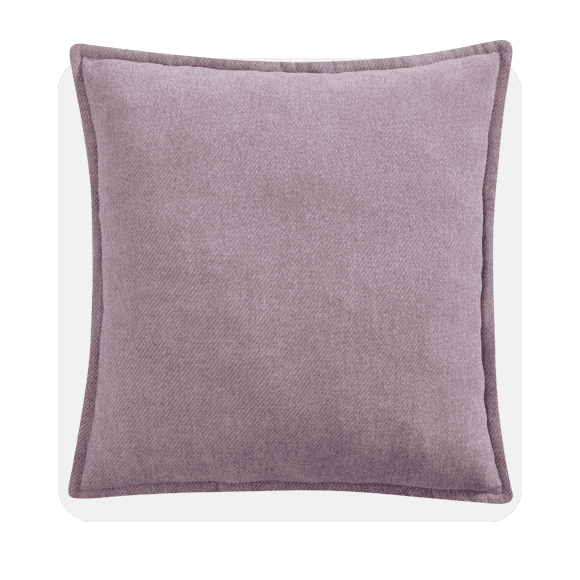
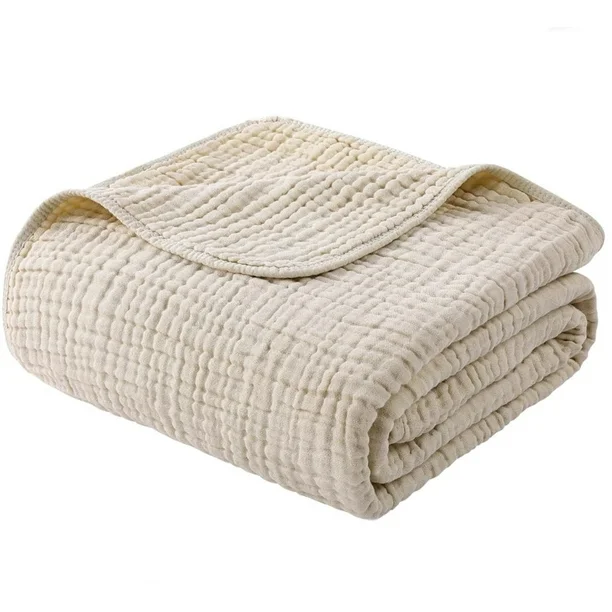


Throw Pillows in Decorative Pillows & Throws




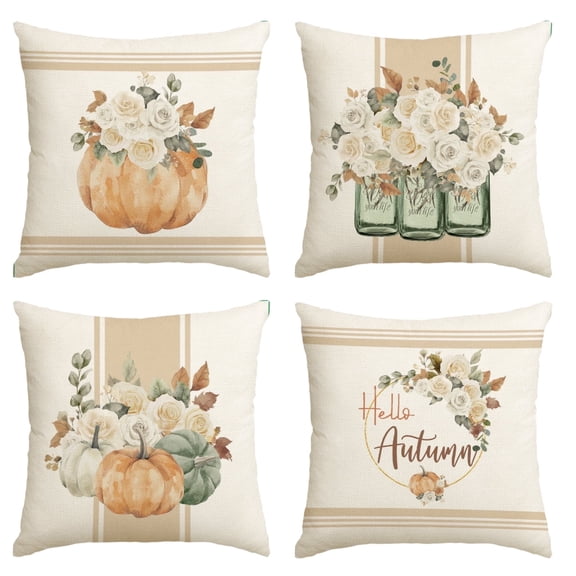








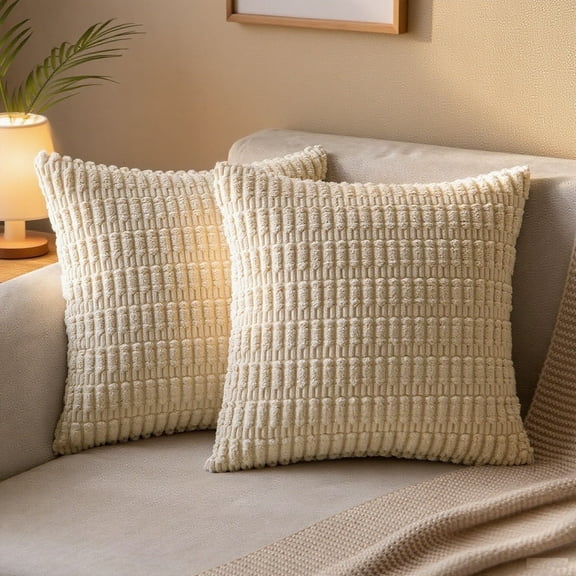


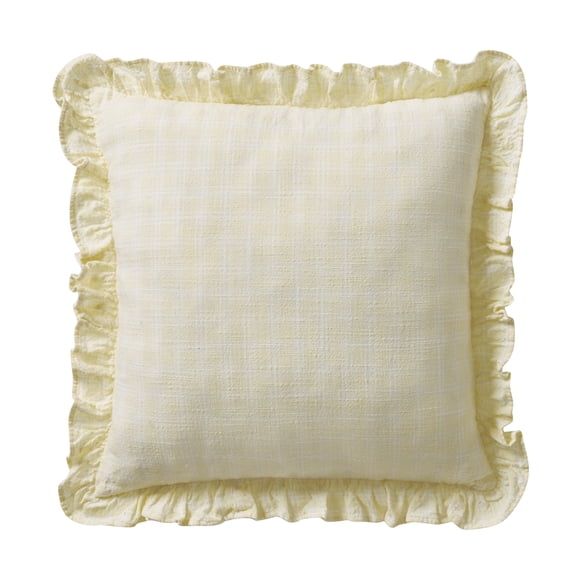


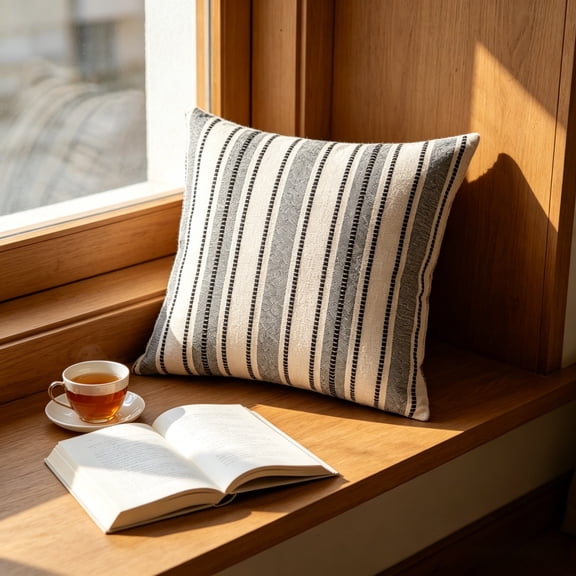


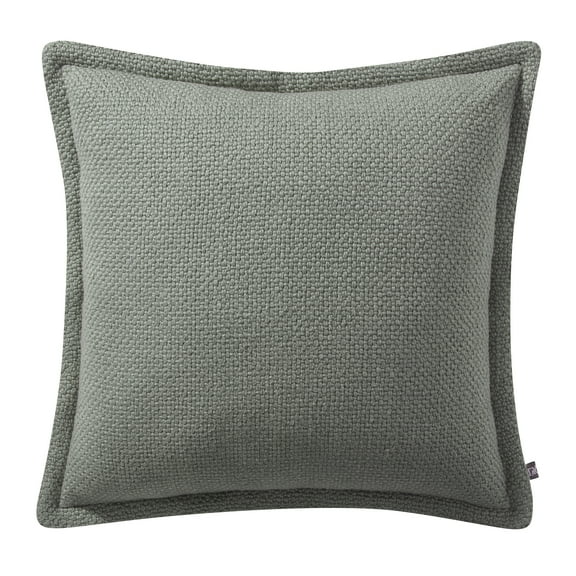









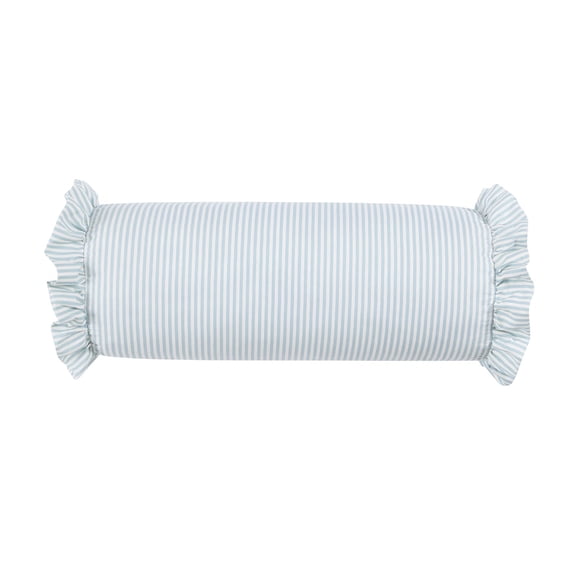


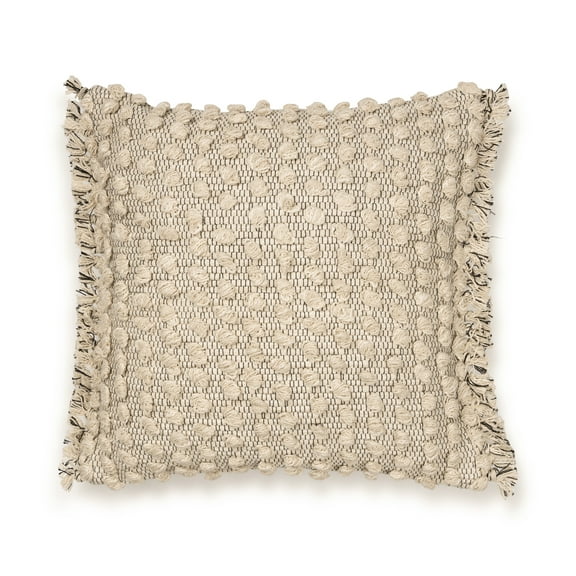
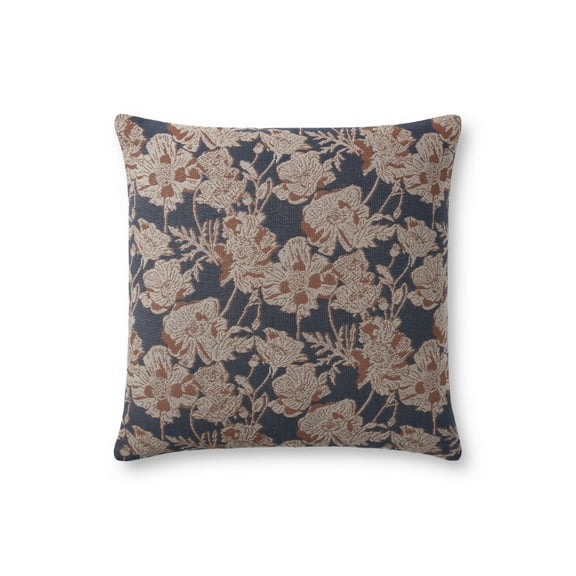


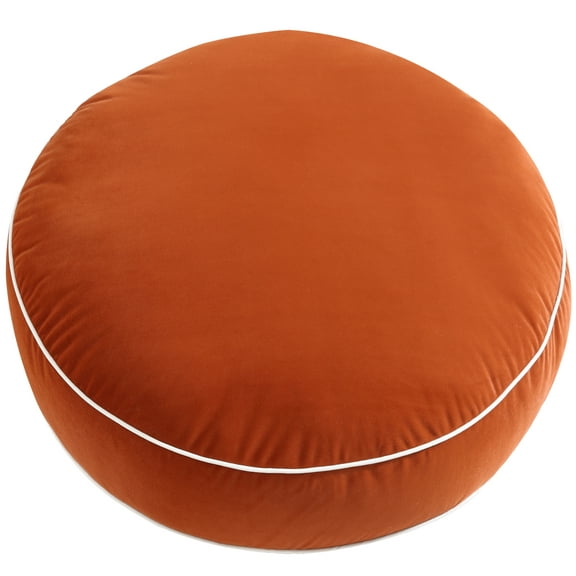


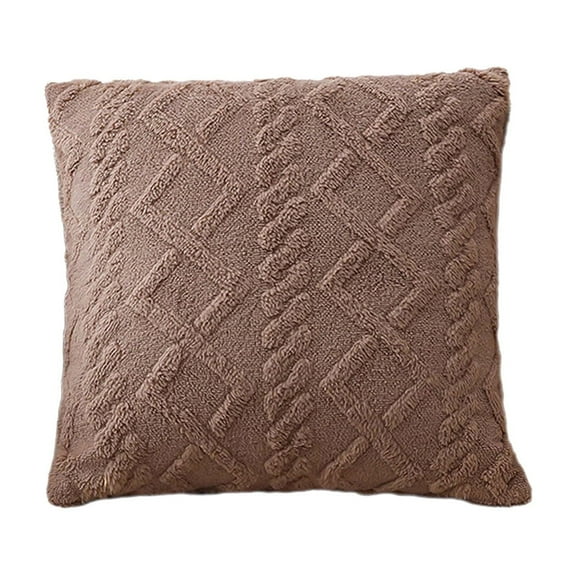


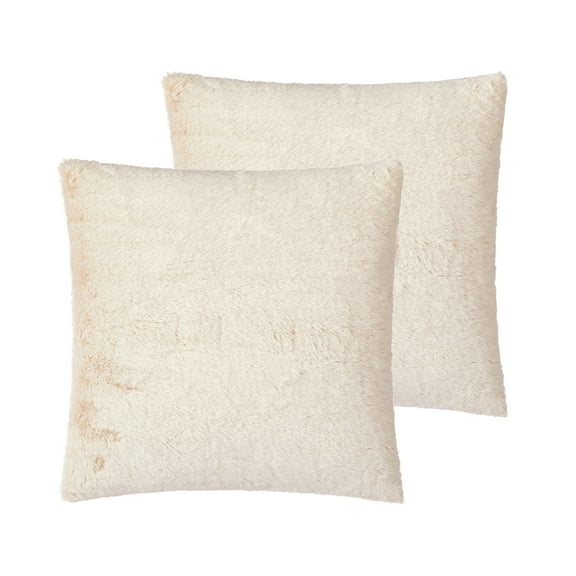


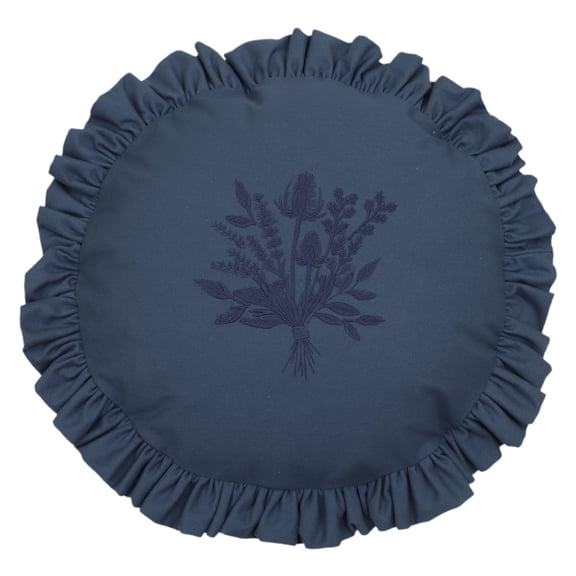
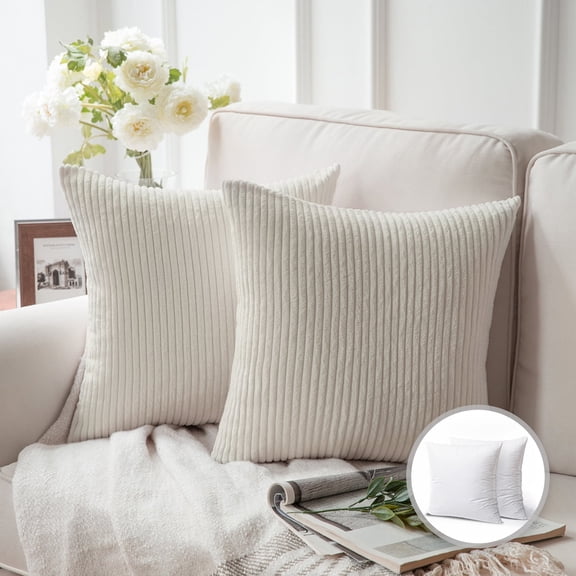






About Throw Pillows in Decorative Pillows & Throws - Walmart.com
Wall mirrors help you brighten rooms, check your look, and complete your decor with the right shape and scale. You can compare sizing, frame materials, and hanging details more easily when you shop by room and style.
How to choose wall mirrors by shape and size
You should start with shape because it changes how your space feels right away. You may prefer round wall mirrors for softer lines, while rectangular designs create a cleaner look.
You can use oval and arch styles when your wall needs a gentler outline above a console or vanity. You might choose hexagon styles when your room needs a more graphic accent.
Size matters just as much because your mirror should relate to the furniture below it. You should look for a mirror that sits a few inches narrower than your vanity, dresser, or mantel.
You can use large wall mirrors when your living room or bedroom needs more reflected light. You may want full length mirrors when you need a head-to-toe view on your wall.
- You can choose round shapes to soften corners and balance straight furniture lines.
- You can pick rectangular or arch styles for vanities, mantels, and entryway tables.
- You should measure width first so your mirror looks centered above furniture.
- You may prefer oversized designs when you want a bold focal point on a larger wall.
Choosing decorative wall mirrors by frame material and style
You should compare frame material closely because it affects style, upkeep, and placement. You may like wood frame mirrors for warmth, while metal frames give your room a sharper outline.
You can use frameless options when you want a lighter look against tile or painted walls. You might choose plastic frames for casual spaces where you want a simple finish.
If your room includes warm hardware, gold-tone wall mirrors can connect those details across the space. You can also use black or natural wood finishes when your walls need stronger contrast.
Decorative wall mirrors do more than reflect light because they also shape your room's mood. You can match modern, rustic, vintage, farmhouse, or boho styles to your furniture and wall color.
You should also check glass quality so your reflection looks clear from edge to edge. You can enjoy how clearer glass gives you straighter lines and a cleaner view.
Choosing bathroom wall mirrors and hanging details
You should look at placement before you choose a finish, especially for bathroom wall mirrors. You need materials that suit high-moisture spaces and still match your vanity hardware.
You may prefer coated metal, sealed wood, or frameless styles in bathrooms because they fit daily splashes and frequent cleaning. You should check whether your frame finish works with faucets, sconces, and cabinet pulls.
Hanging details matter because you want your mirror to fit your wall and mounting plan. You should compare D-rings, keyhole hangers, and included hardware before your final choice.
You also need to check anchor types and weight capacity for your wall surface. You should match your hardware to drywall, tile, or stud placement for a more secure fit.
For entryway wall mirrors, you may want a shape that helps you check your look before heading out. In living rooms, you can place mirrors across from windows to reflect daylight.
Matching mirror choices to your room
You can use entryway wall mirrors above a console table when you want a quick glance spot. You may prefer an arch or rectangular design for a balanced, welcoming look.
In bedrooms, you might choose full length mirrors for dressing areas or medium mirrors above a dresser. You can pair wood frames with farmhouse furniture or metal frames with modern bedroom sets.
For mantel styling, you can center a mirror above the fireplace and layer seasonal decor around it. You may like holiday mantel mirrors when you want candles, greenery, and ornaments to reflect more light.
In bathrooms, you should match your mirror width to your vanity for cleaner proportion. If you have a 60-inch vanity, you may choose a slightly narrower mirror or a coordinated pair.
You can also use decorative wall mirrors in dining spaces, hallways, and stair landings where blank walls need dimension. You can achieve a more intentional look when shape, frame, and scale work together.
With wall mirrors, you can narrow your choices by measuring first, comparing frame materials, and checking hanging hardware before placement. You can find a mirror that fits your room, reflects clearly, and completes your space.