

Swimming in Sports



































About Swimming in Sports - Walmart.com
Swimming gear helps you move with comfort, clarity, and control in the water. You can compare goggles, caps, fins, snorkels, and kickboards by fit, material, and intended use.
If you're building a swim setup for lessons, lap sessions, or pool fun, you need category guidance that matches real water use. You can use this guide to sort swimming equipment by age group, environment, and training goals.
How to choose swimming gear
You should start with the gear type that matches your time in the water. You may want goggles for vision, caps for hair control, fins for propulsion, snorkels for alignment, or kickboards for focused drills.
When you compare swimming gear, you should also consider who will use it most. You can narrow choices for adults, kids, toddlers, or competitive swimmers by checking fit range and intended activity.
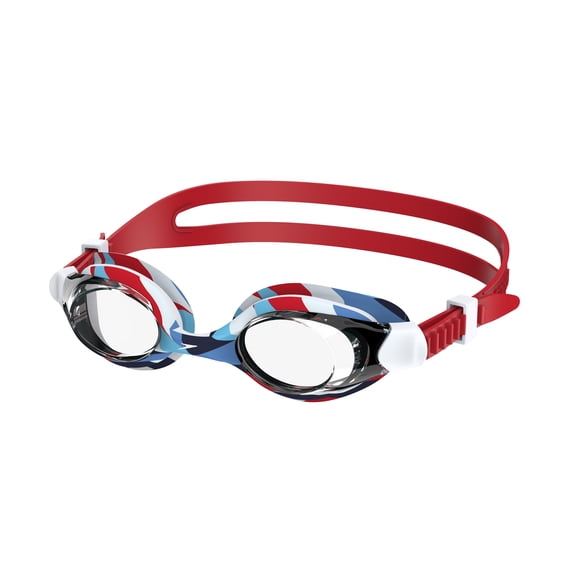
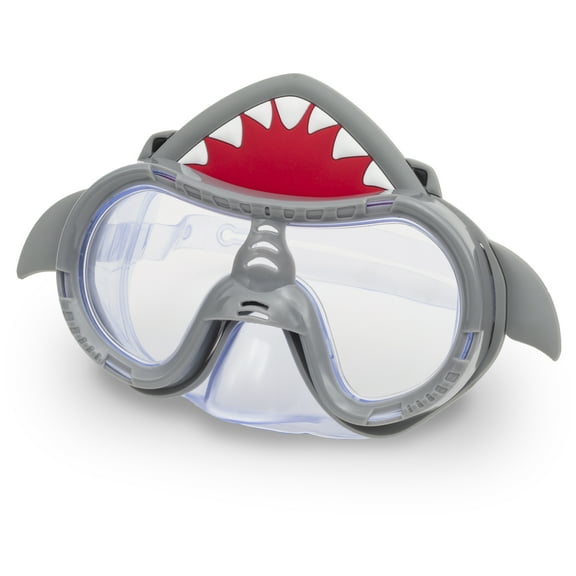
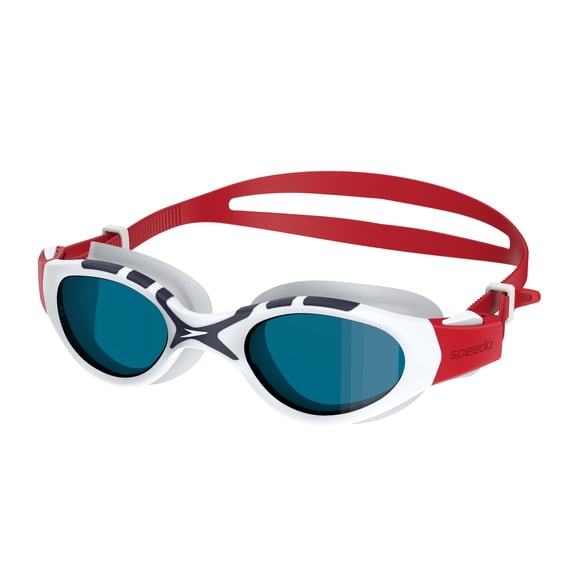
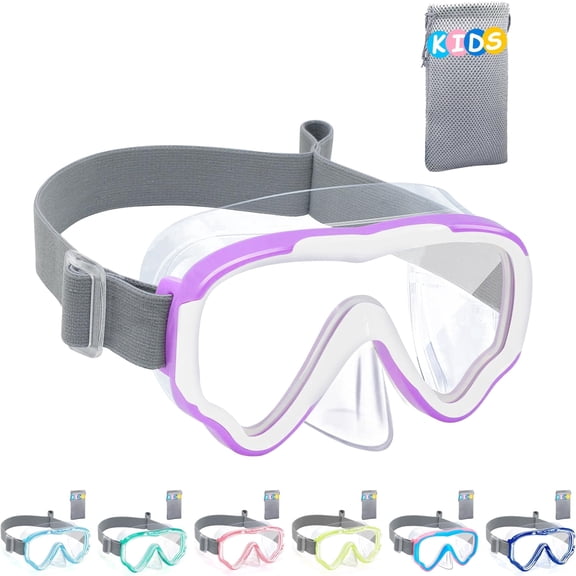
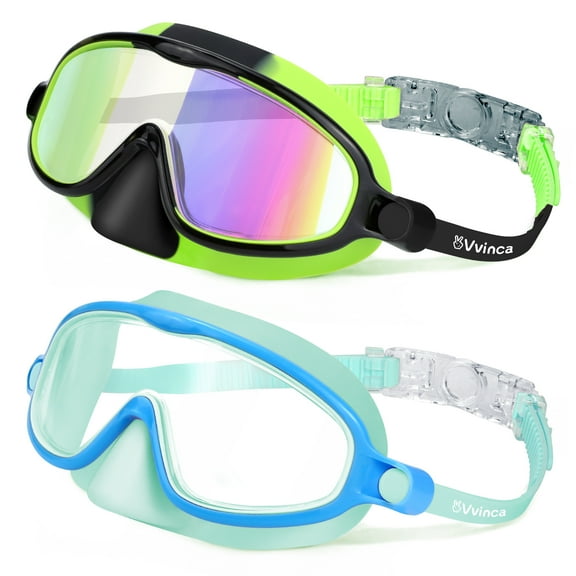
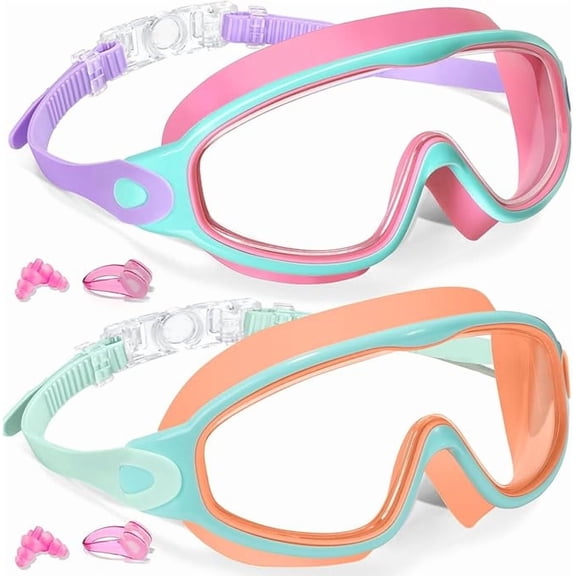
- You can use goggles to improve underwater visibility during lessons, laps, or outdoor swims.
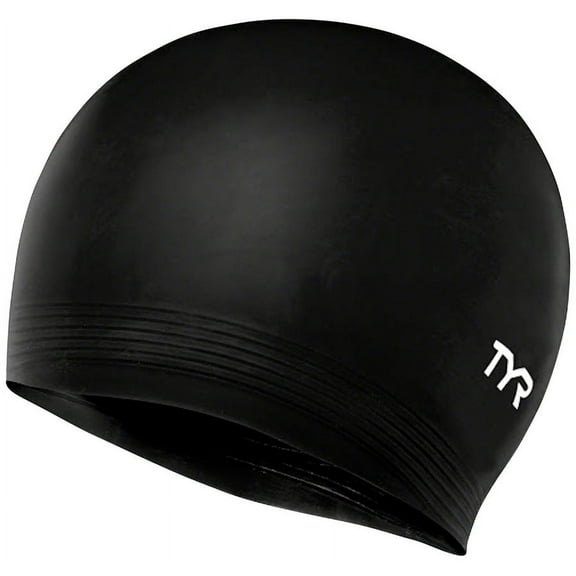
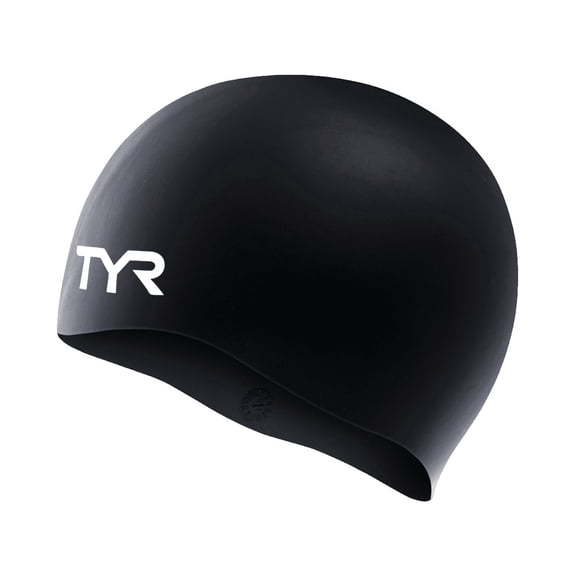
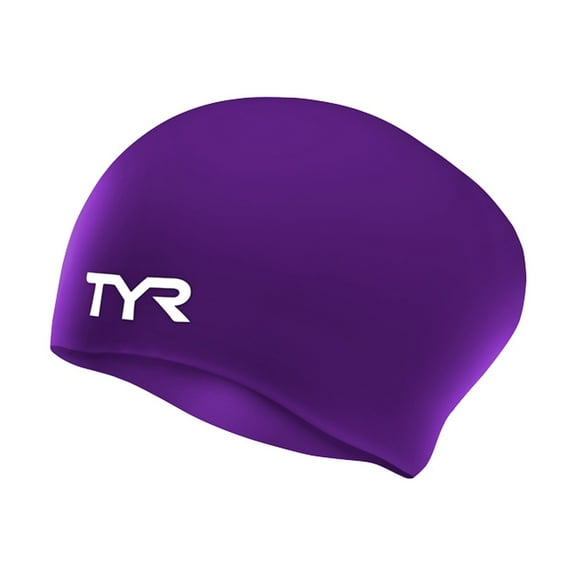
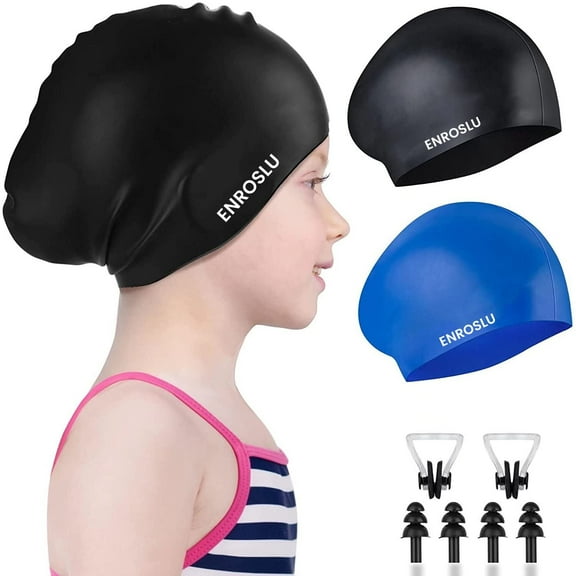
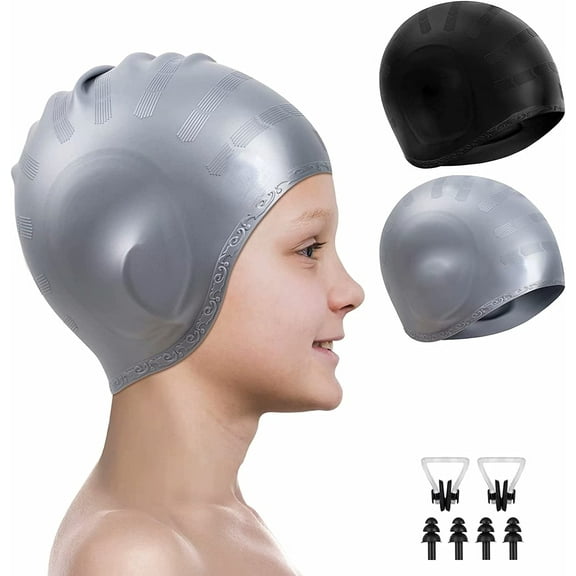
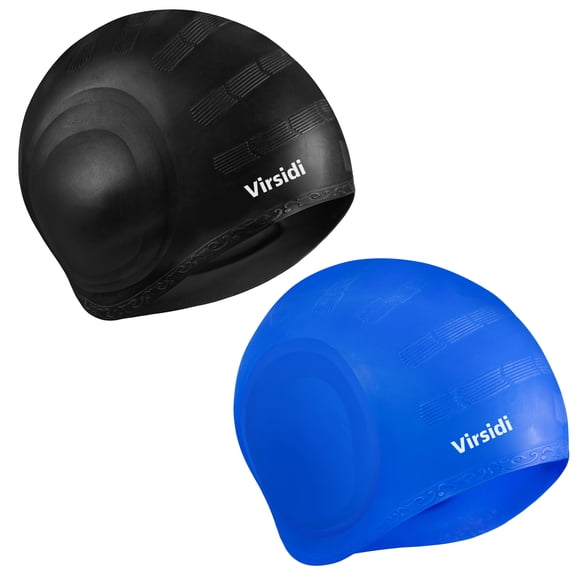
- You can choose caps when you want a smoother fit and more secure coverage in the pool.
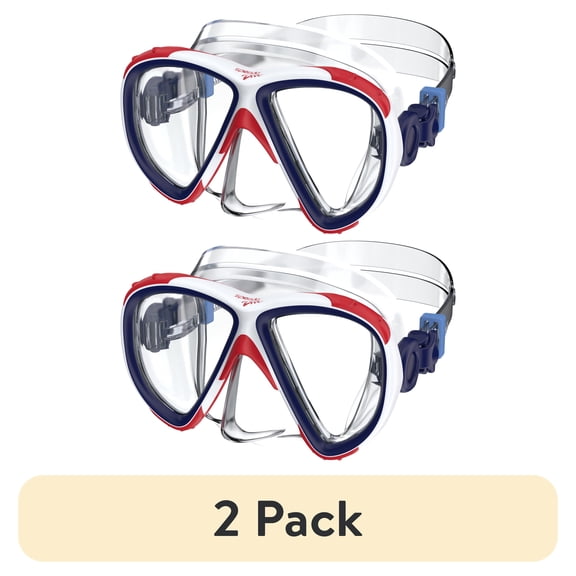
- You can add fins, snorkels, and kickboards when you want swimming training aids for technique work.
- You can include pool accessories like floats and vests when your focus is recreation and water play.
Choosing swimming equipment by fit and comfort
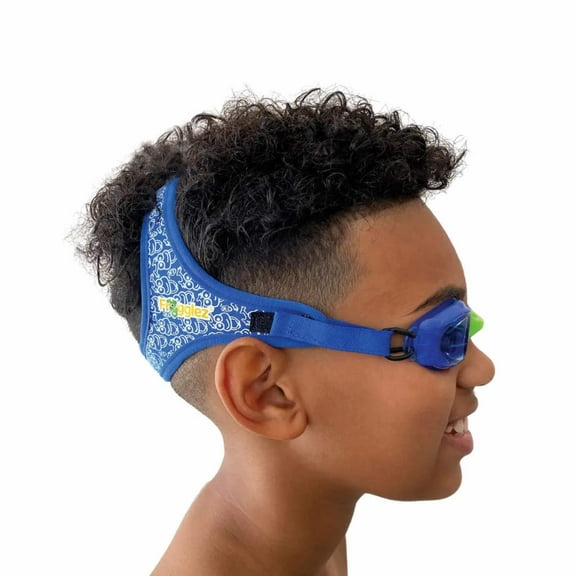
You should check strap adjustments first because a dialed-in fit changes how gear feels during each session. You can look for adjustable straps and seal material that sits comfortably around your face.
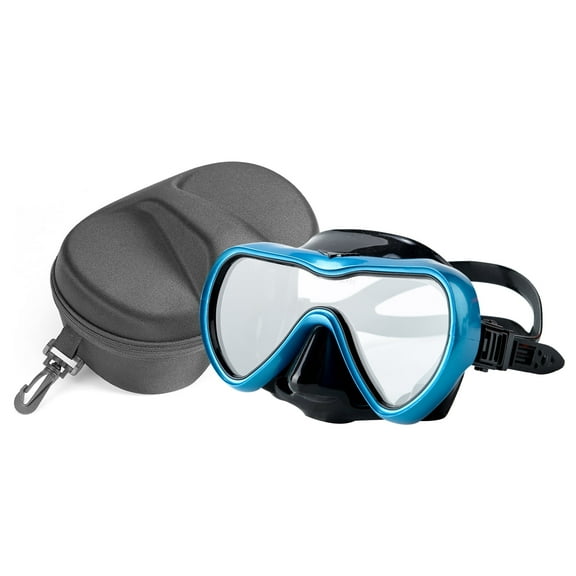
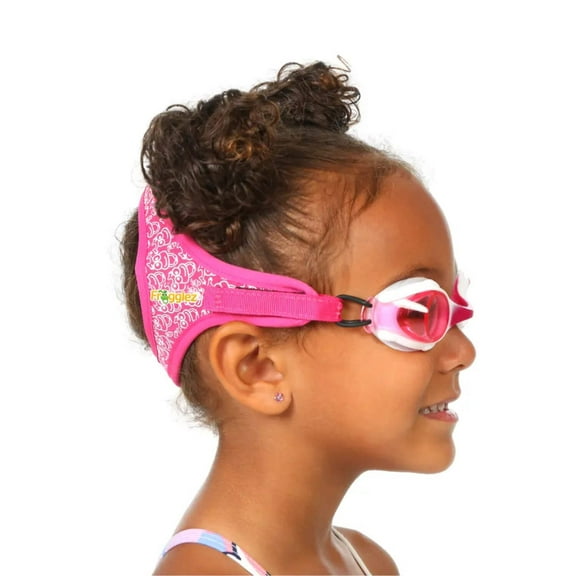
For goggles, you should compare seal material and frame feel before anything else. You may notice silicone feels soft and flexible, while other materials can feel firmer around your eyes.
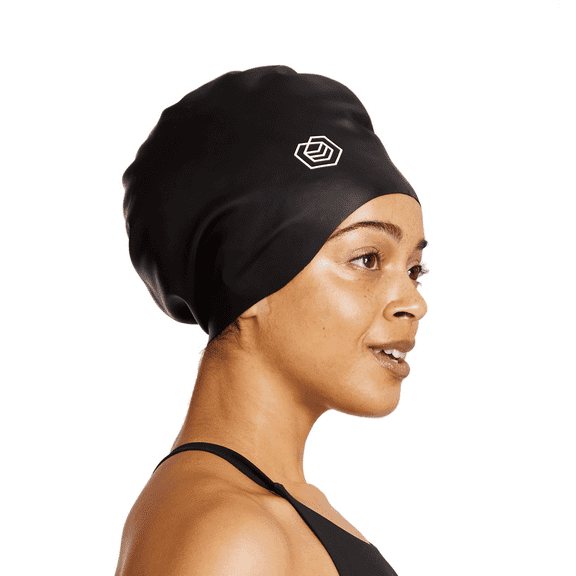
Caps also depend on material and stretch. You can choose silicone swim caps when you want a smooth feel and repeated use, or latex when you want a lighter fit.
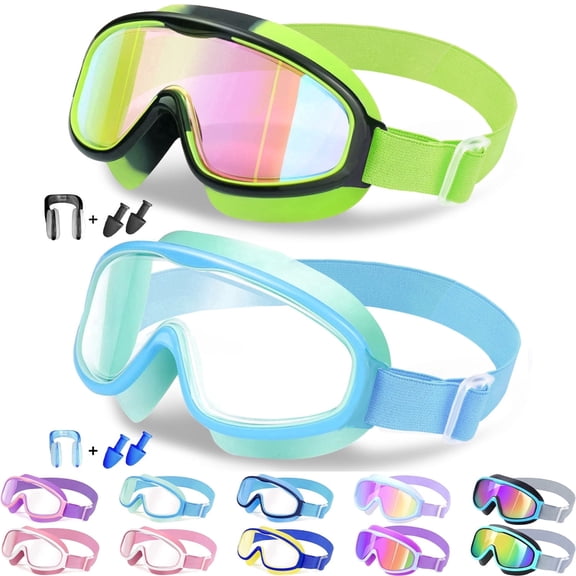
If you're shopping for kids or toddlers, you should pay close attention to size cues and easy-on designs. You can make swim time simpler when your gear feels secure without constant readjusting.
What to look for in lenses and materials
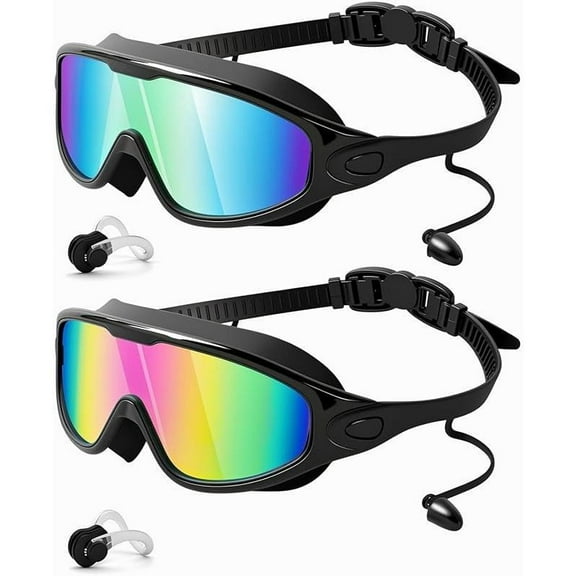
You should match lens type to where you swim most often. You can choose clear lenses for indoor pools, while polarized lenses help manage bright outdoor glare.
Polycarbonate lenses matter when you want a sturdy, lightweight feel in your goggles. You can also compare anti-fog styling cues and coverage shape to support clearer forward vision.
Material choice affects how your swimming equipment handles frequent pool use. You should look at silicone, latex, neoprene, and polycarbonate based on flexibility, feel, and repeat wear.
If you swim several times each week, you should consider durability more carefully. You may prefer materials known for chlorine resistance and longer-lasting shape through regular training.
Matching swimming training aids to your skill level
You should choose swimming training aids based on the skills you want to practice. You can use kickboards for leg-focused drills, fins for body position, and snorkels for steady head alignment.
Recreational swimmers often need simple gear that feels easy to use from the first session. You can keep your setup focused on comfort, basic technique, and relaxed time in the water.
If you're training for pace or endurance, you should compare gear built for repeated workouts. You can pair lap swimming tools with streamlined caps and secure goggles for more consistent sessions.
Competitive swimmers usually need gear that supports drills, intervals, and frequent pool time. You should look for dependable fit, durable materials, and training-focused accessories that hold up through regular practice.
Using swimming gear for different pool activities
You can build different setups for recreational swims, lap swimming, competitive training, or water aerobics. You should choose gear that fits the pace, movement, and time you expect in the water.
For family pool days, you may want pool floats, swim vests, and other pool accessories alongside basic goggles and caps. You can keep the focus on comfort, visibility, and easy use.
During lap sessions, you should prioritize clear lenses, secure straps, and caps that stay put through repeated turns. You can also add fins or kickboards when you want structured drills.
If water aerobics is your focus, you should look for gear that feels comfortable over longer sessions. You can benefit from dependable fit and simple designs that stay comfortable as you move.
When you choose swimming equipment by gear type, age group, material, and use case, you make your pool time easier to plan. You can move from first lessons to regular training with gear that fits your routine.
With the right swimming essentials, you get clearer vision, steadier practice, and more comfortable time in the water. You can focus on each stroke, drill, or pool day with fewer distractions.