

Swim Caps in Swimming



































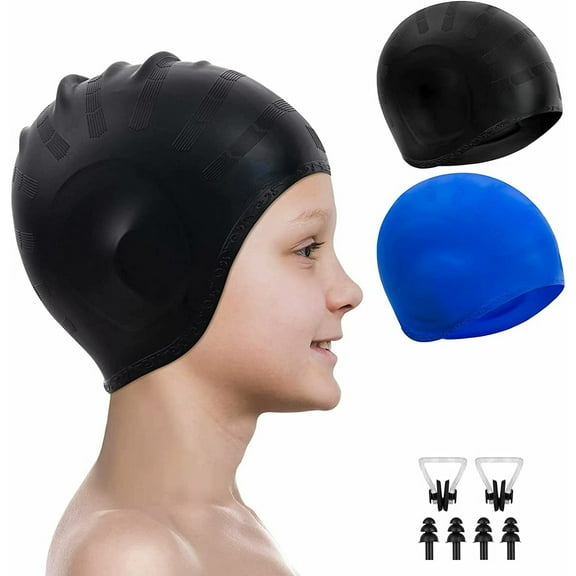


About Swim Caps in Swimming - Walmart.com
Swim caps help you streamline your swim, manage your hair, and choose a fit that matches your routine. You can compare materials, hair volume, and water conditions to narrow your pick faster.
If you swim laps, train outdoors, or pack for lessons, you need details that guide your choice. You’ll notice that cap material, size, and shape affect comfort, coverage, and how easily your cap stays put.
How to choose swim caps by material
When you compare silicone swim caps, latex swim caps, lycra swim caps, and neoprene options, you’re really comparing feel, stretch, and water coverage. You should match the material to how often you swim and how snug you want your fit.
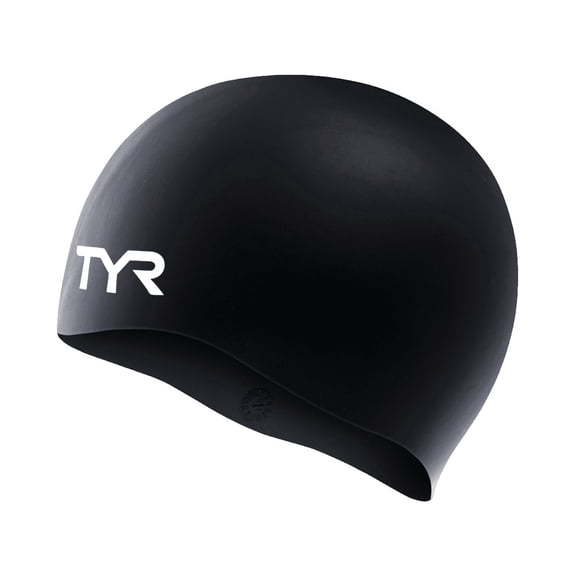
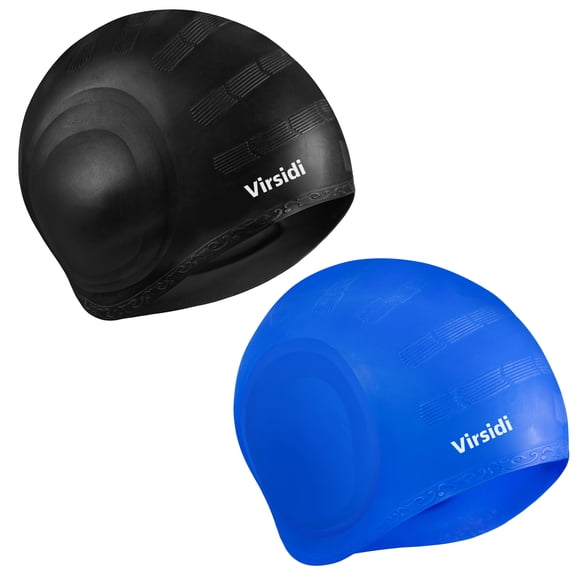
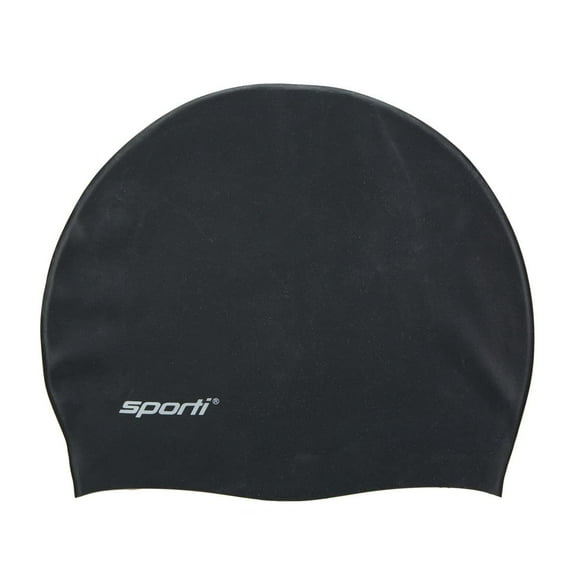
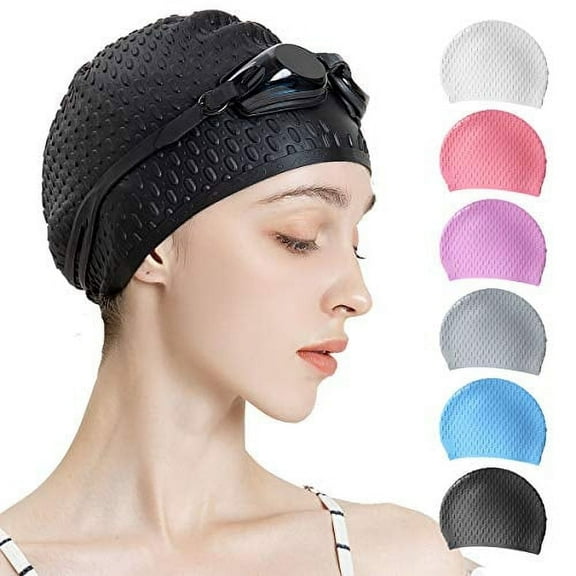
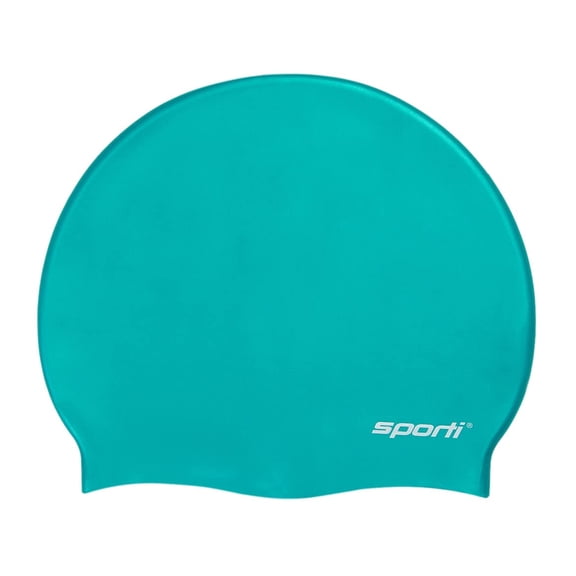
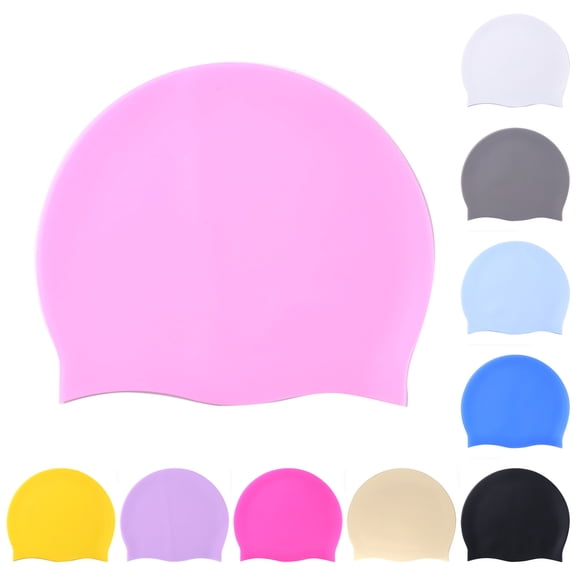
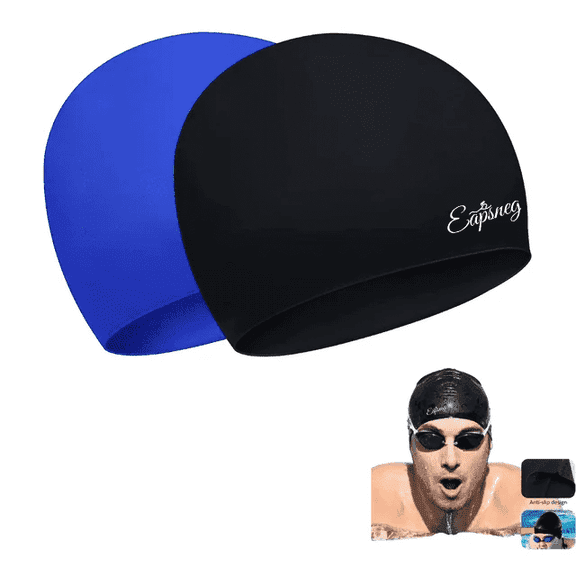
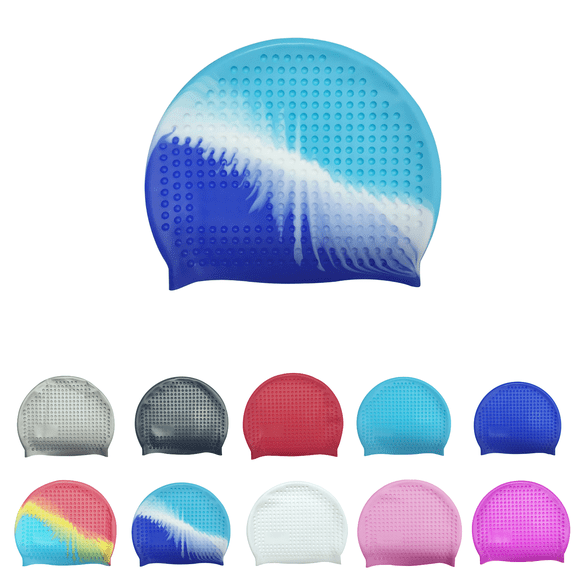
If you want a smooth feel and strong durability, you may prefer silicone. You’ll often find silicone keeps its shape well and gives your hair fuller coverage during repeated pool sessions.
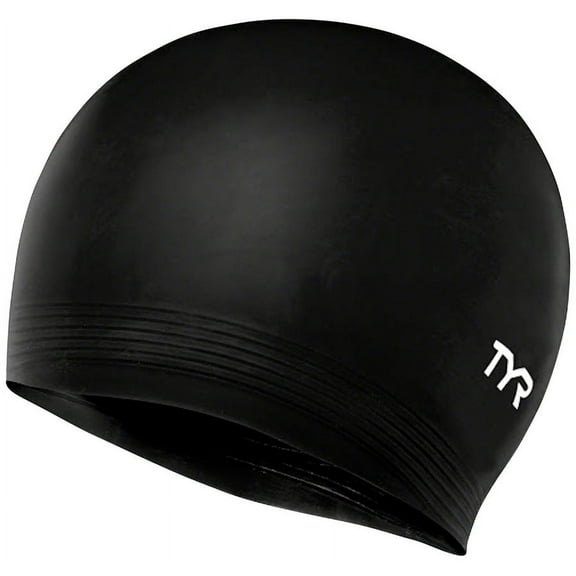
If you want a lighter, close fit, you may consider latex. You’ll usually notice latex feels snug and flexible, which can work well when you want a cap with less bulk.
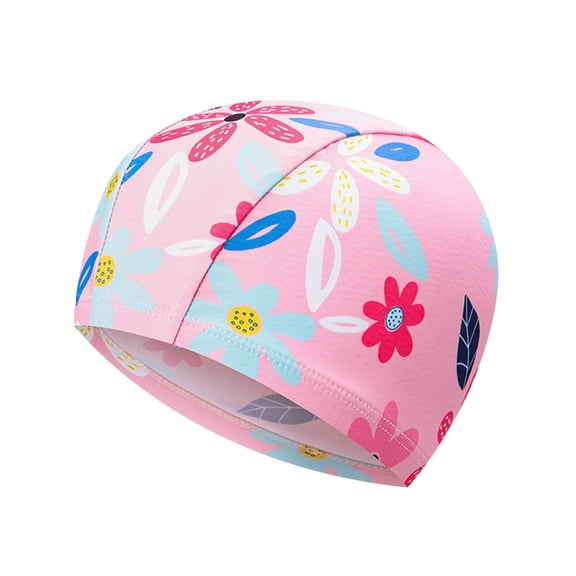
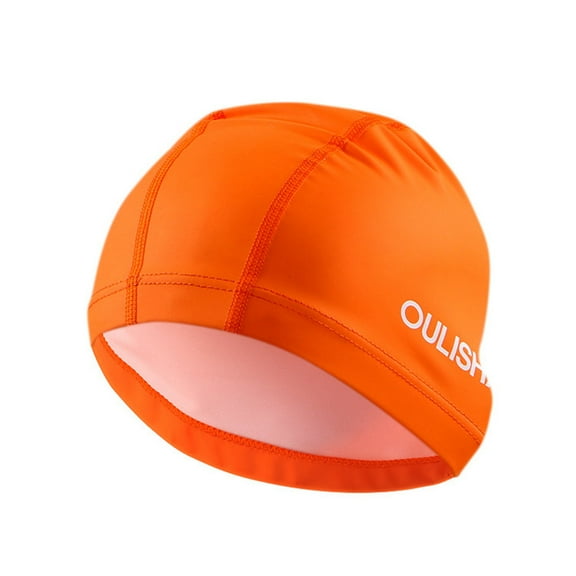
If you want a softer feel and easy wear, you may look at lycra swim caps. You’ll get a fabric-like stretch that can feel comfortable for lessons, casual swims, or short sessions.
For cooler outdoor water, you may compare neoprene styles. You’ll want neoprene when your swim takes you beyond a warm indoor lane and into open water conditions.
- You can choose silicone when you want lasting stretch and a smooth surface.
- You can choose latex when you want a close, lightweight fit.
- You can choose lycra when you want soft comfort and easy on-off wear.
- You can choose neoprene when you want coverage for outdoor swim conditions.
Choosing swim caps for long hair, short hair, and braids
Your hair volume changes the fit you need, so you should check shape before color or print. You’ll get a more secure fit when your cap matches your hair length and thickness.
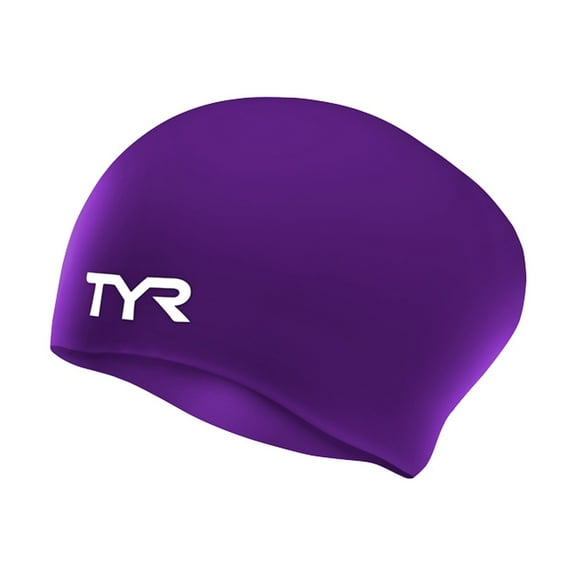
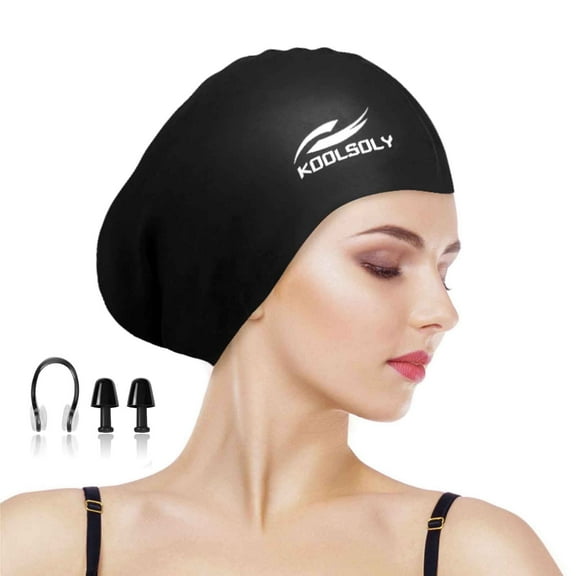
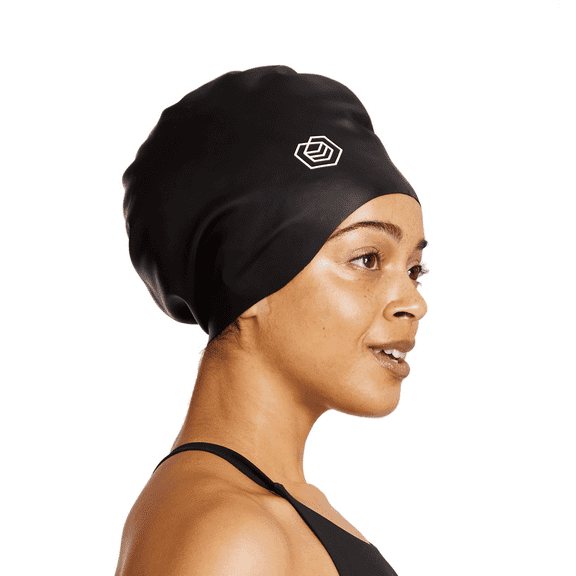
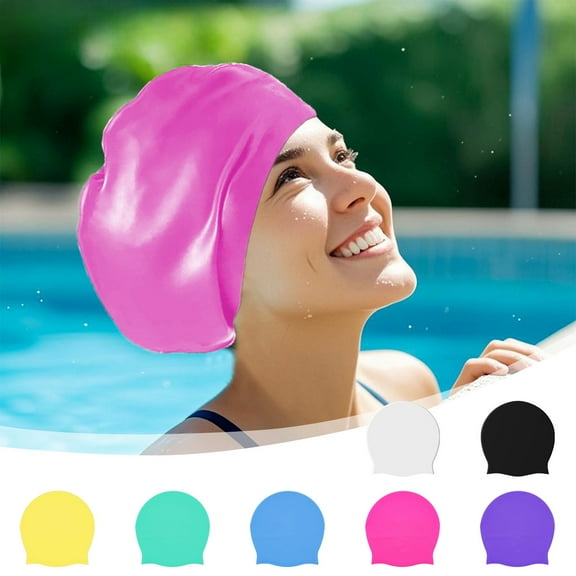
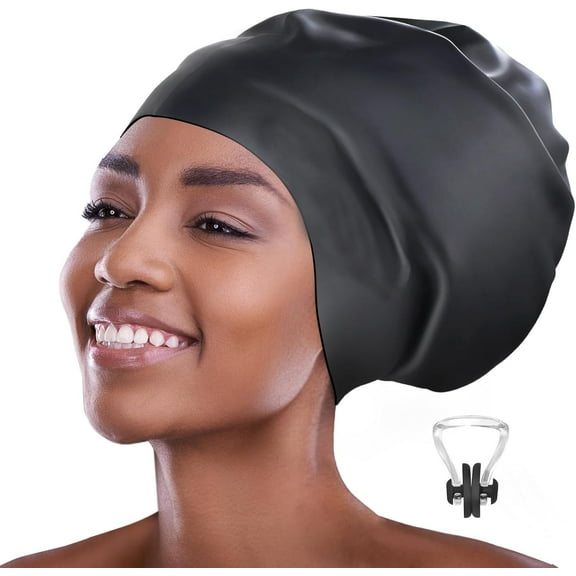
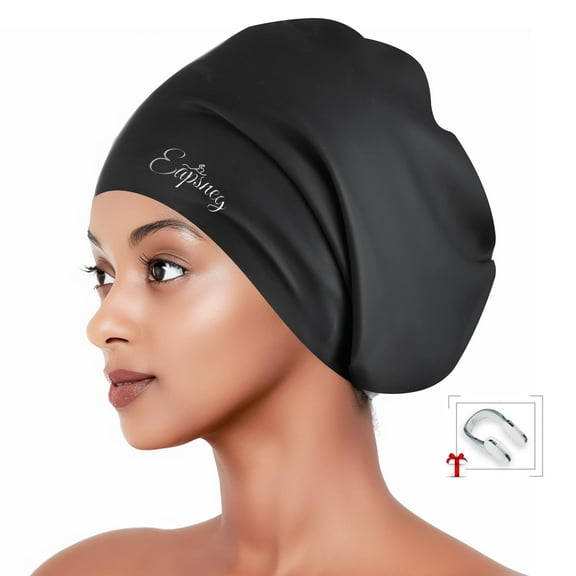
If you have long hair, you may need swim caps for long hair with extra room. You’ll avoid a tight feel when you choose a cap shape that gives your bun, ponytail, or thicker hair more space.
If you have short hair, you can usually choose a more standard profile. You’ll often find a closer fit feels simpler to put on and stays smooth through turns and laps.
If you wear braids or dreads, you should look for added volume and stretch. You’ll want enough internal space so your cap sits securely without forcing your hair into a flat shape.
Hair-friendly fit also matters when you’re getting ready quickly at the pool deck. You can make your routine easier by choosing a cap that slides on smoothly and keeps coverage consistent.
Choosing the right user group and size
Your age group and head size affect comfort just as much as material. You should compare adults, kids, and toddlers separately because each group usually needs different proportions.
If you’re shopping for swimming caps for adults, you may focus on coverage, training comfort, and hair capacity. You’ll often want a cap that balances stretch with a shape that stays in place for longer sessions.
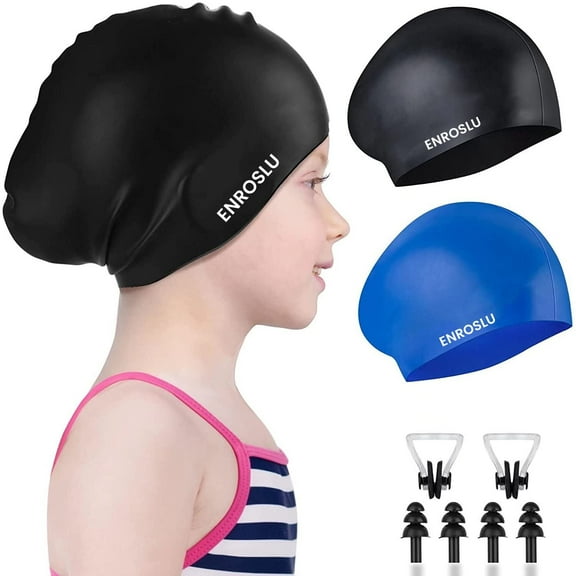
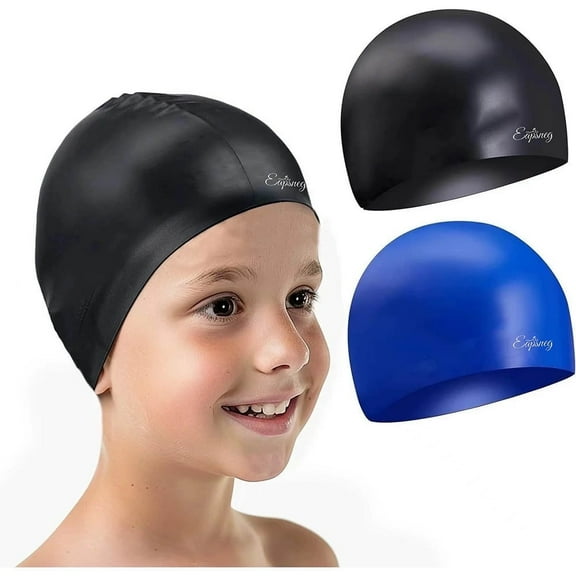
If you need kids swim caps, you should look for smaller sizing and softer feel. You’ll make swim practice easier when your child can put the cap on with less pulling and less fuss.
For toddlers, you may want a simple shape that feels easy to handle. You’ll appreciate options that help you get ready faster before lessons, family pool time, or splash sessions.
Size also connects to confidence in the water. You can reduce slipping and bunching when you choose a cap designed for your head size instead of stretching one general size too far.
Comparing pool, open water, and outdoor swim use
Your swim setting changes what matters most in a cap. You should think about whether you swim in a pool, train in open water, or spend time in ocean conditions.
If you swim mostly in a pool, you may prioritize streamlined coverage and repeat comfort. You’ll likely want a cap that feels easy to rinse, pack, and wear several times each week.
If you train outdoors, you may compare outdoor swim caps with more coverage-focused materials. You’ll often notice neoprene and fuller silhouettes make more sense when water and weather conditions change.
If you swim in open water or ocean settings, you should check how securely the cap fits during longer movement. You’ll want a cap that stays consistent when your swim includes waves, distance, or changing temperatures.
Your routine can also guide backups and rotation. You may keep one cap for pool laps, another for cooler outdoor sessions, and a roomier cap for long hair days.
What to look for before you choose swim caps
You should compare stretch, surface feel, and hair capacity before you decide. You’ll make a smarter pick when you match the cap to your material preference, user group, and water type.
Whether you need silicone swim caps, kids swim caps, or swim caps for long hair, you can narrow your options with a clearer checklist. You’ll end up with a cap that feels right, fits your routine, and stays comfortable through every swim.