











String Trimmers in Trimmers and Edgers
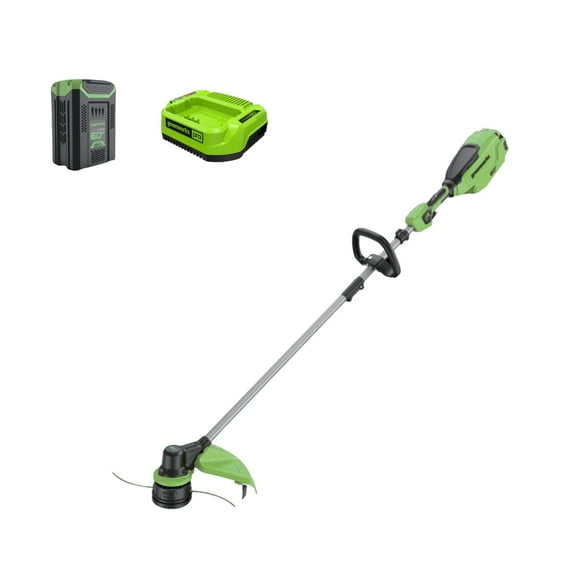


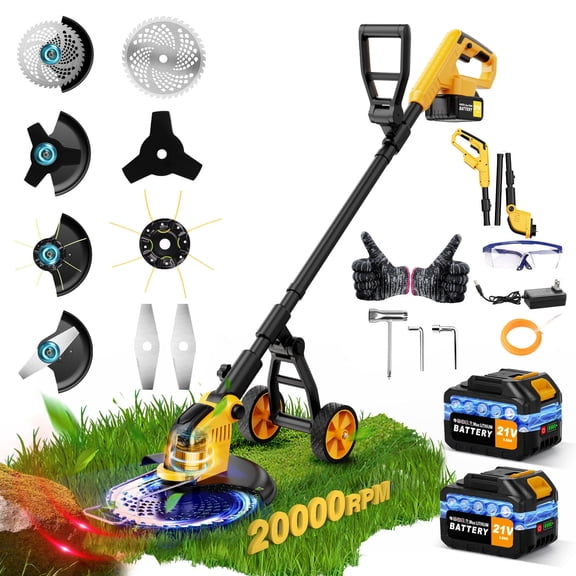
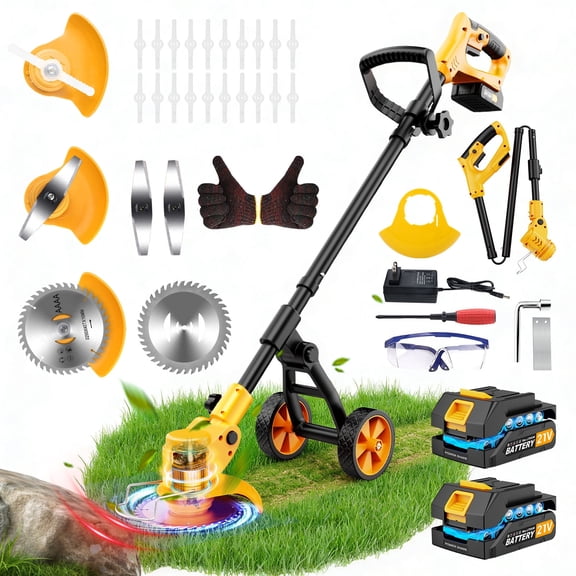
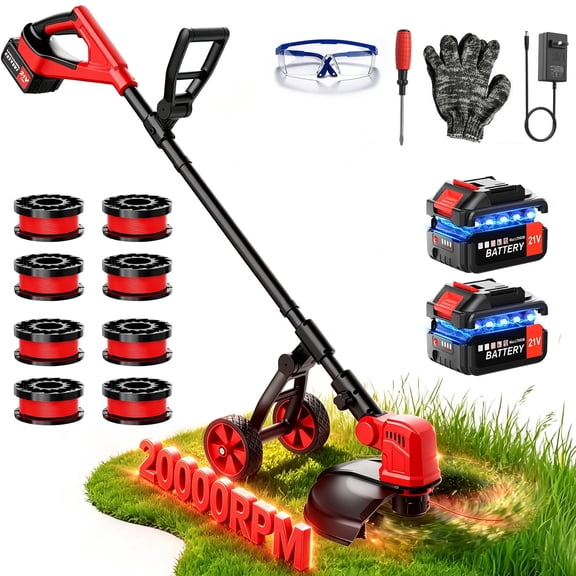





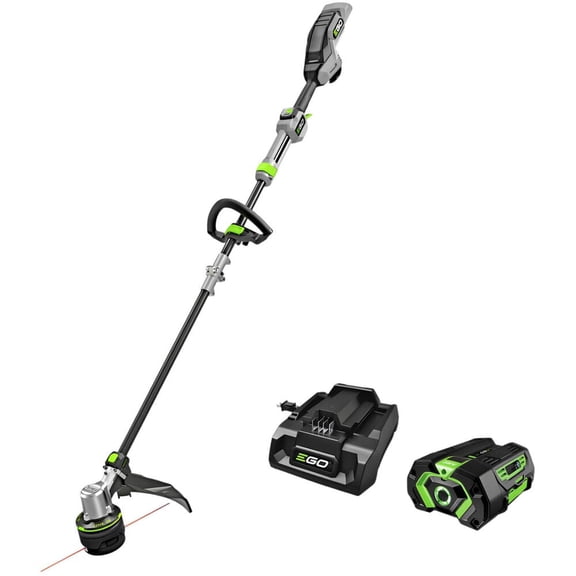
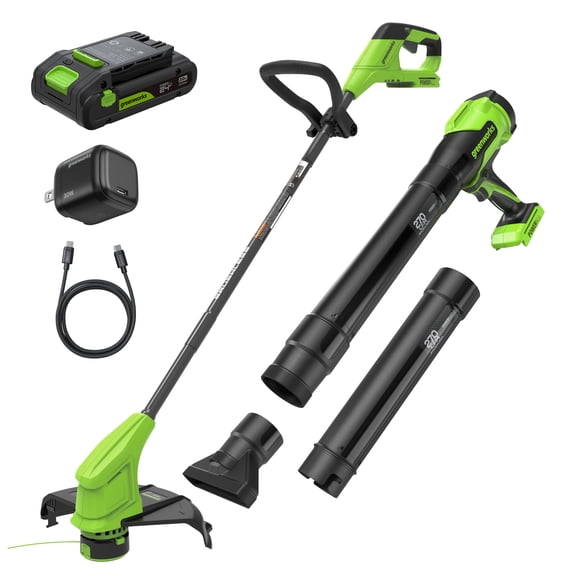
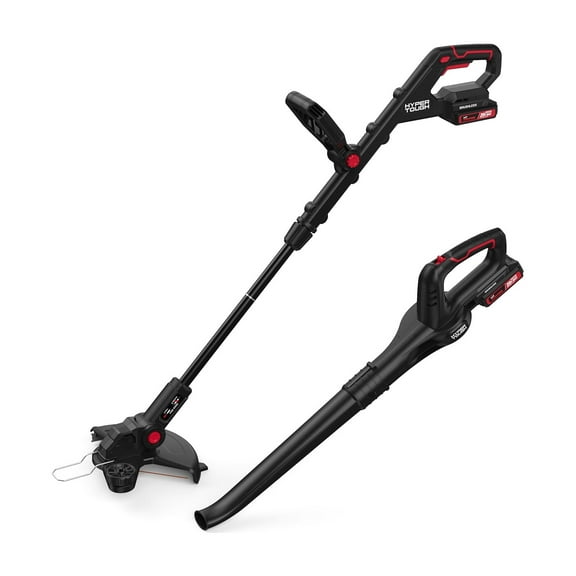
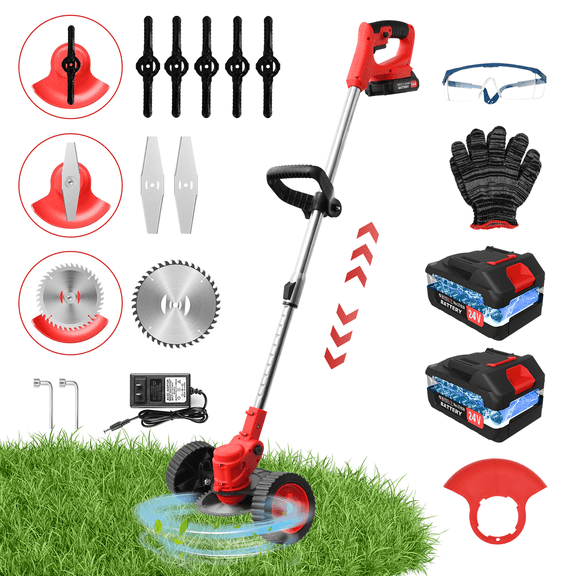




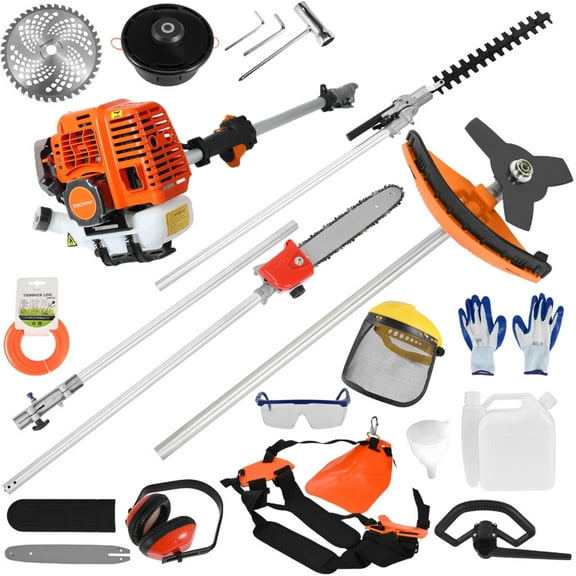
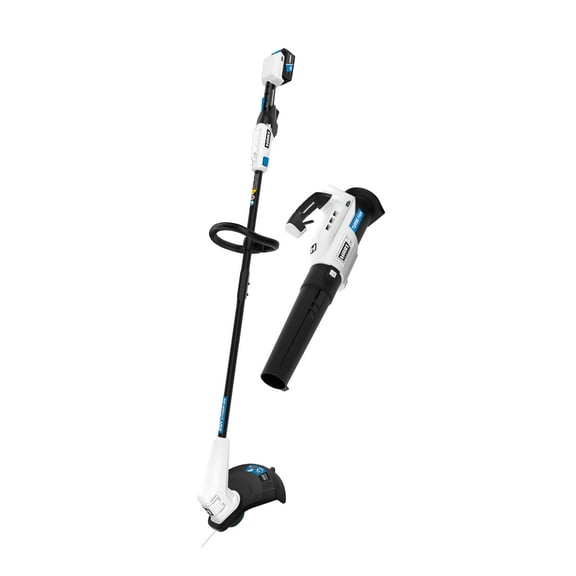
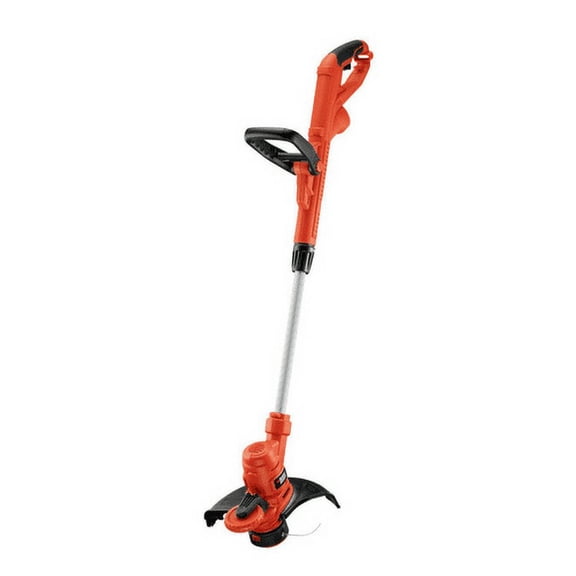
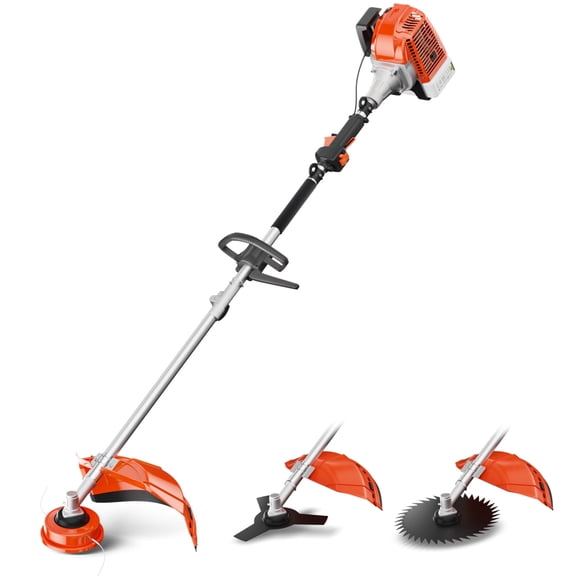


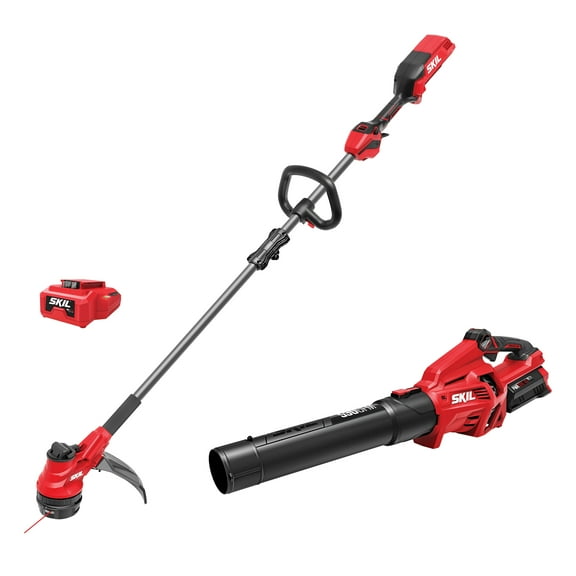
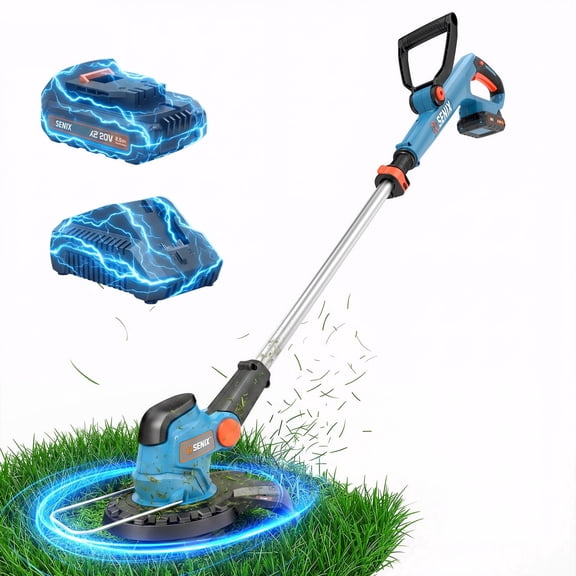
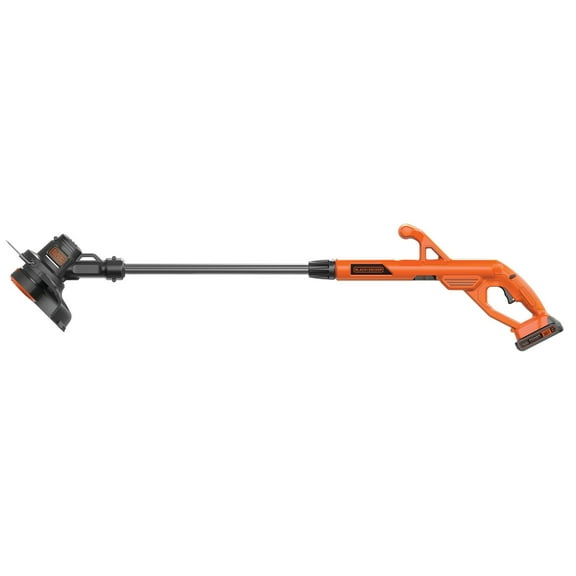

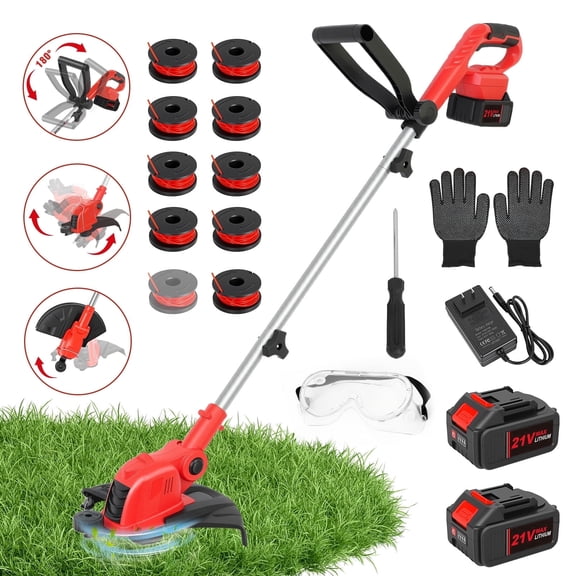







About String Trimmers in Trimmers and Edgers - Walmart.com
String trimmers help you keep lawn edges tidy and reach grass your mower misses. You can compare power source, shaft design, cutting swath, and feed type to match your yard.
If you trim around fences, trees, beds, and sidewalks, you need a tool built for that detail work. You can use this guide to sort cordless string trimmers, gas string trimmers, and corded options faster.
How to choose string trimmers by power source
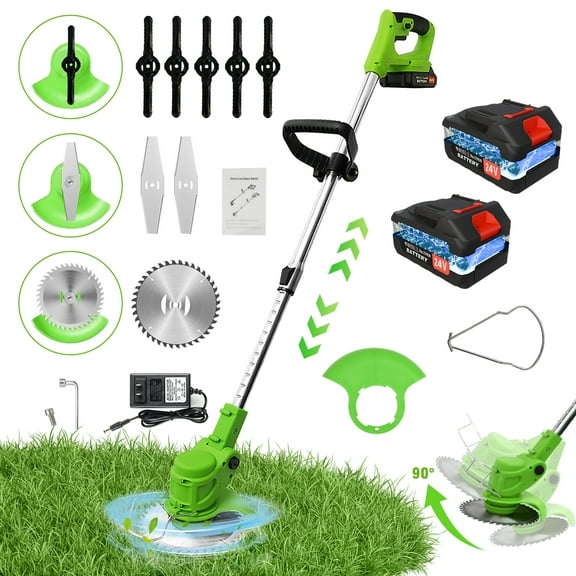
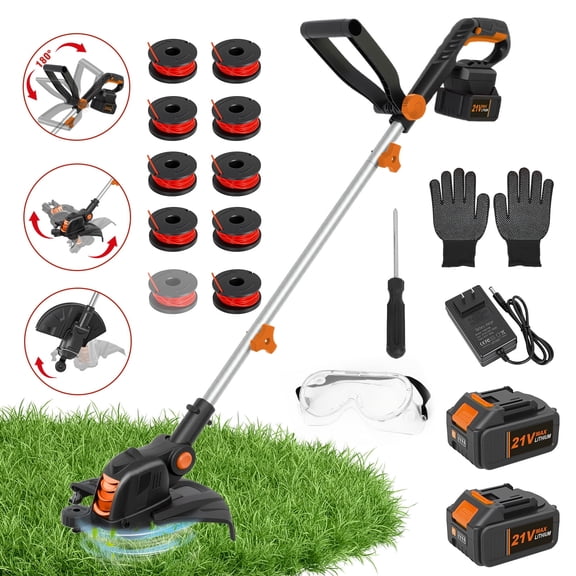
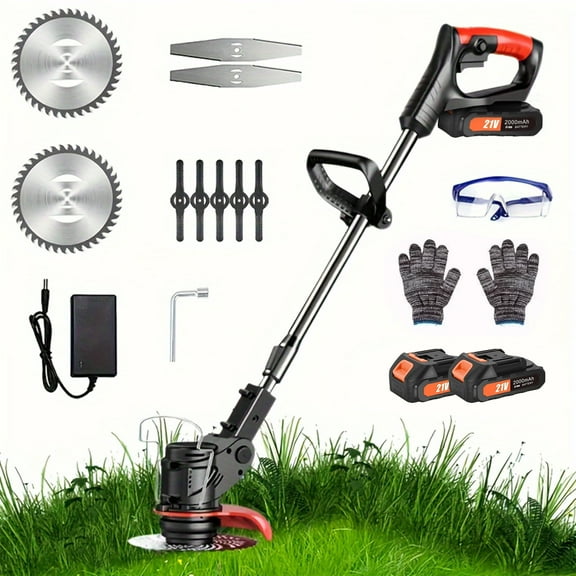
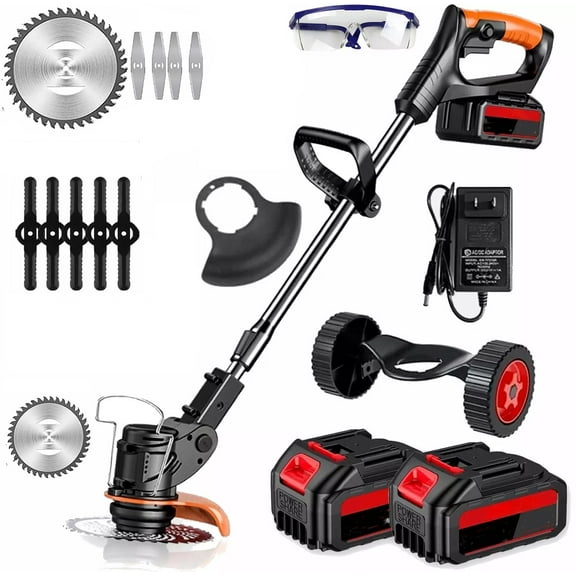
Battery-powered models give you cord-free movement and simple starts. You can carry them around flower beds and fence lines without pulling a cord behind you.
When you compare battery powered weed eaters, check voltage and amp-hours together. You get a clearer picture of cutting strength and runtime for your yard size.
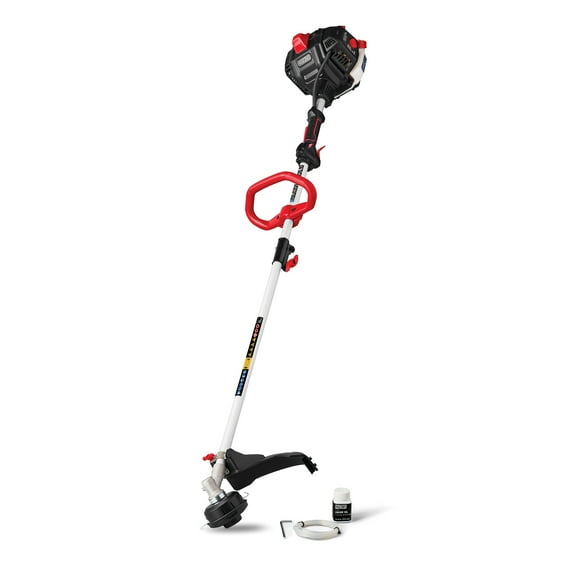
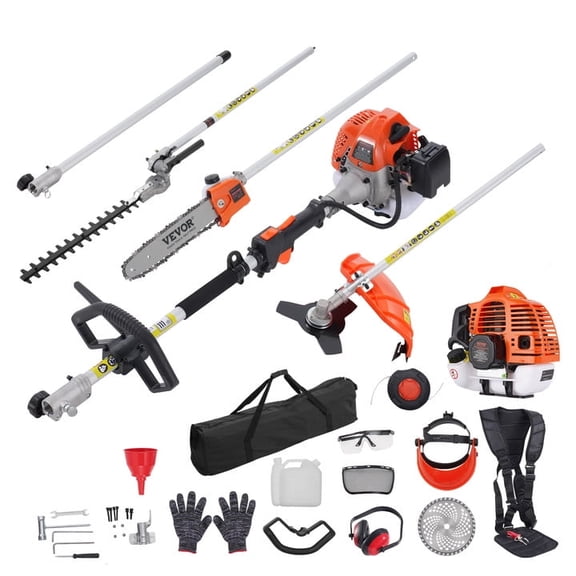
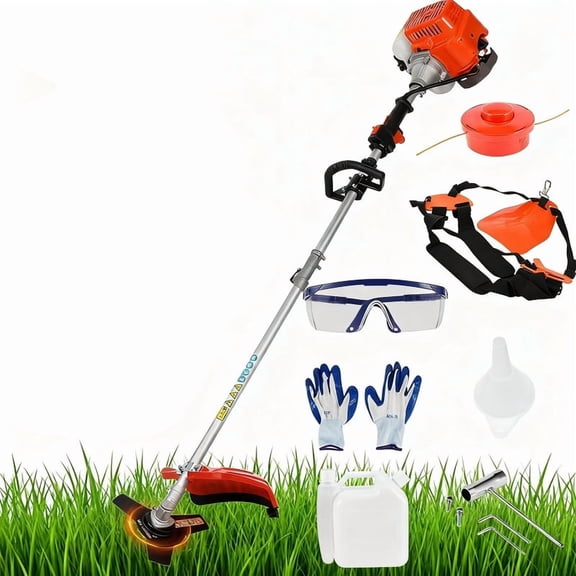
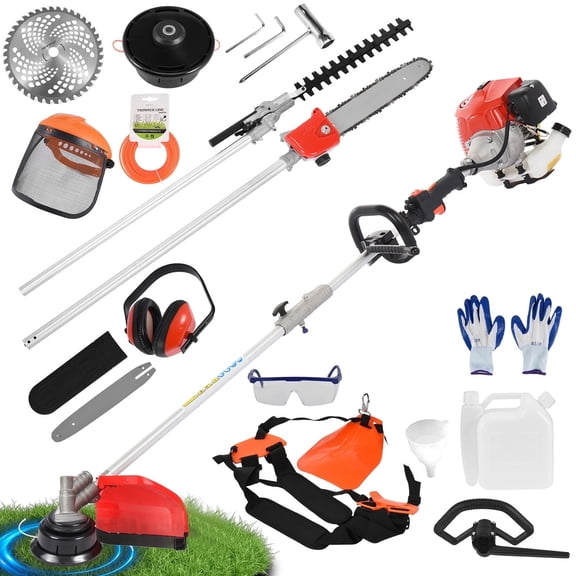
Gas string trimmers fit larger spaces and thicker overgrowth. You can keep trimming longer with a fuel refill, which helps when your property has wide borders.
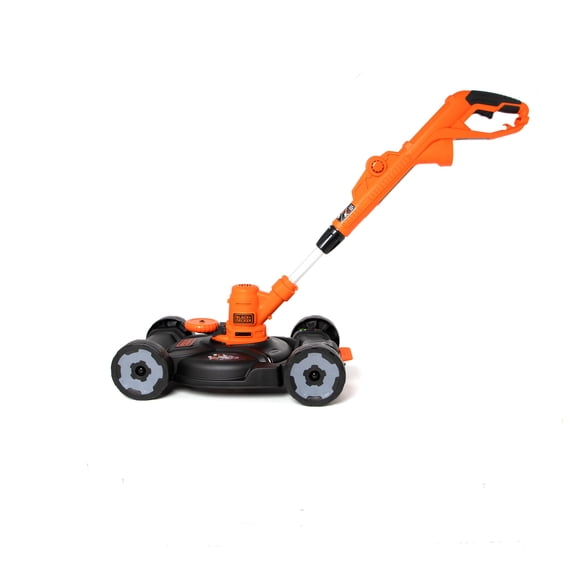
Corded electric weed wackers work well when you trim close to home. You can plug in and keep steady power for smaller yards and quick touch-ups.
- You can choose battery power for easy starts, lighter handling, and cord-free movement.
- You can choose gas power for extended runtime and tougher grass along long fence lines.
- You can choose corded electric models when you want steady power near an outlet.
- You can match power type to your yard size, trimming frequency, and storage space.
Choosing the right shaft design
Shaft shape changes how the trimmer feels in your hands. You should compare reach, balance, and comfort before you decide on a straight shaft trimmer.
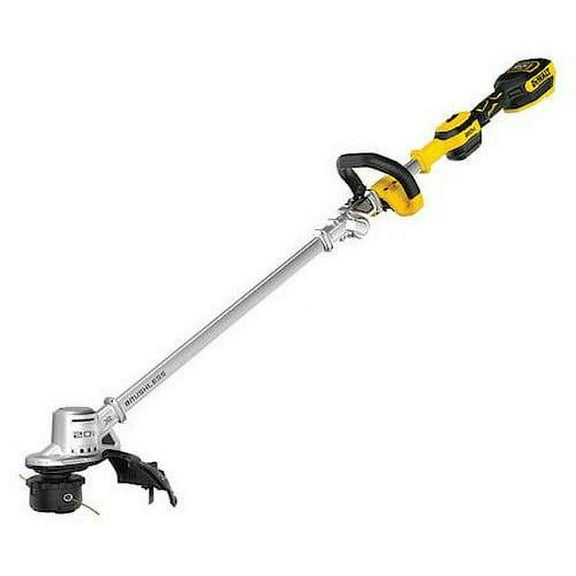
A straight shaft trimmer helps you reach under shrubs, benches, and deck edges. You may prefer that extra reach when you trim along fences or around landscaping.
A curved shaft weed eater keeps the cutting head closer to you. You might like that design when you want a familiar feel for smaller yards.
Your height and trimming pattern matter here. You should consider how often you edge along long borders versus quick passes around walkways.
What to look for in cutting swath and line feed
Cutting swath tells you how wide each pass will be. You can move through open areas faster with a 16-inch path than a 12-inch path.
A 12-inch swath can feel easier in tight spaces and around planting beds. You may want a 14-inch or 16-inch size for longer edges and larger lawns.
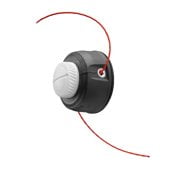
Feed type affects how often you stop to advance line. You should compare bump feed, automatic feed, and fixed head designs before you buy.
Bump feed systems let you tap the head to release more line. You get direct control, which many shoppers like for repeated edging jobs.
Automatic feed systems release line as needed during use. You may prefer that convenience when you want fewer adjustments during routine trimming.
Fixed head setups use pre-cut pieces instead of a spool. You can consider this style when you want simple reloads and a straightforward trimming setup.
If you want stronger cutting coverage, check whether a dual line trimmer head is available. You can cover more grass per pass and maintain a cleaner edge.
Cordless string trimmers and runtime decisions
Runtime matters when you maintain more than a small patch of grass. You should match battery capacity or fuel supply to the amount of edging you handle.
For a compact yard, you may only need enough charge for sidewalks, beds, and a short fence line. For wider lots, you should look for longer runtime support.
If you trim several zones in one session, cordless string trimmers with larger batteries can reduce interruptions. You can finish more of your routine before recharging.
Commercial string trimmers often feature wider swaths and longer-duty builds for repeated use. You may consider that category when you maintain acreage or frequent overgrowth.
How you can match string trimmers to real yard tasks
If you maintain a townhome yard, a corded or compact battery unit may fit your routine. You can trim around patios, mailboxes, and short walkways with easy control.
For suburban lots, you may want a mid-size battery setup with a 14-inch swath. You can balance mobility, runtime, and everyday handling for weekly upkeep.
When you manage thicker grass near ditches, tree lines, or long property edges, gas models can make sense. You can keep working without planning around recharge breaks.
If you edge along flower beds and decorative borders, a straight shaft can help with reach. You can guide the head under obstacles and along hard-to-reach lines.
For quick trimming around a driveway and front walk, a curved shaft may feel easier to control. You can make short passes without managing a long tool profile.
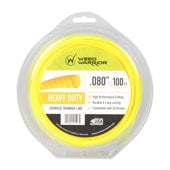
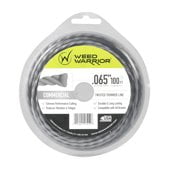
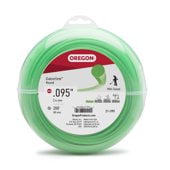
You should also think about what comes after trimming. You can pair your tool choice with trimmer line, replacement spools, lawn mowers, and protective gear for a smoother routine.
With the right string trimmers, you can handle fine edging, routine touch-ups, and larger clearing jobs with less guesswork. You’ll get a cleaner lawn finish when your power source, shaft style, swath, and feed system match your yard.