

Stretch Wrap in Packing Materials





















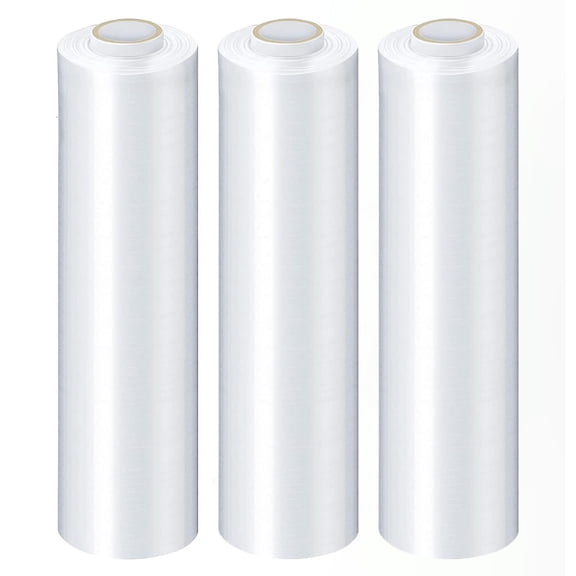


About Stretch Wrap in Packing Materials - Walmart.com
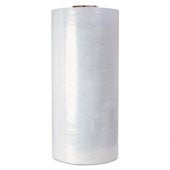
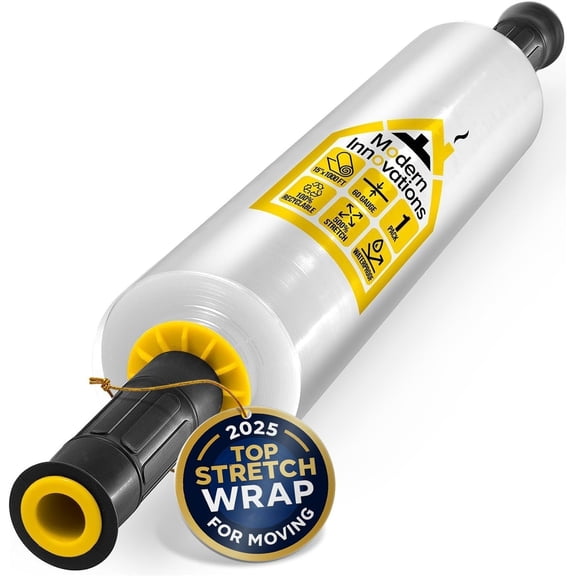
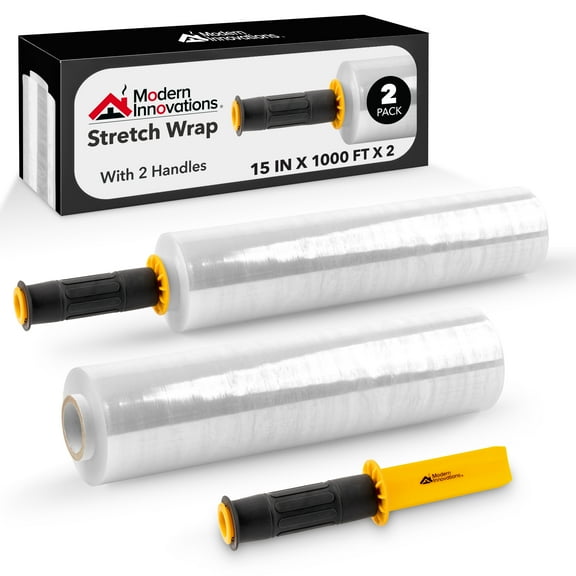
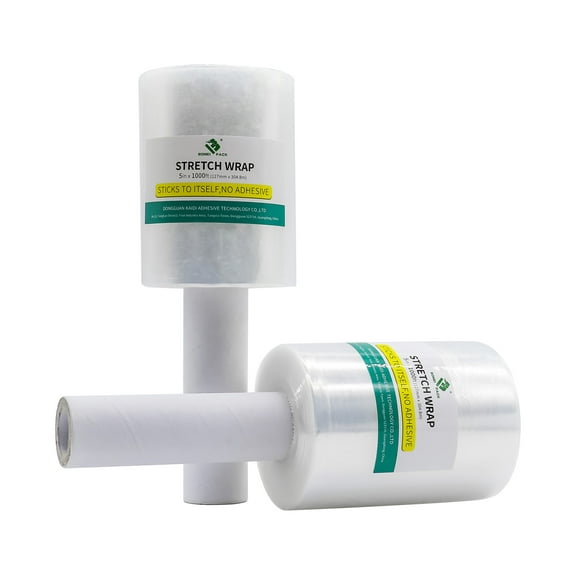
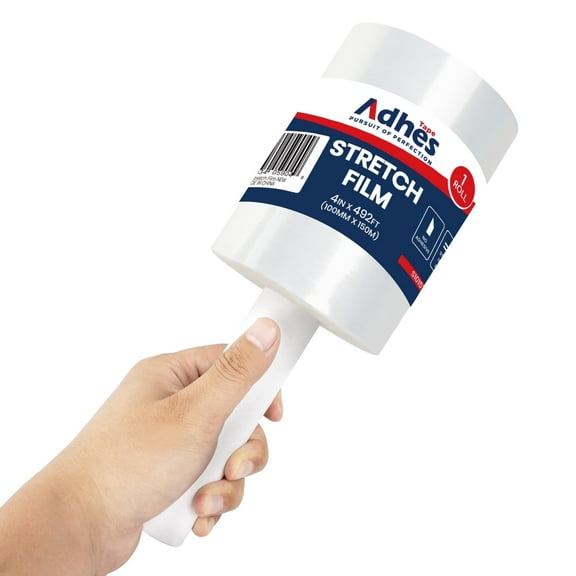
You can secure boxes, pallets, and furniture with stretch wrap that stays tight during moving, shipping, and storage. You’ll find options for hand use, machine use, and different gauges that fit light cartons or heavier pallet loads.
How to choose stretch wrap for your packing job
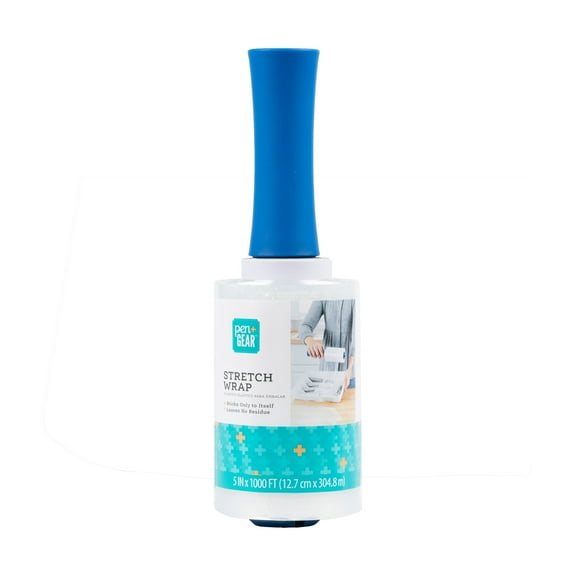
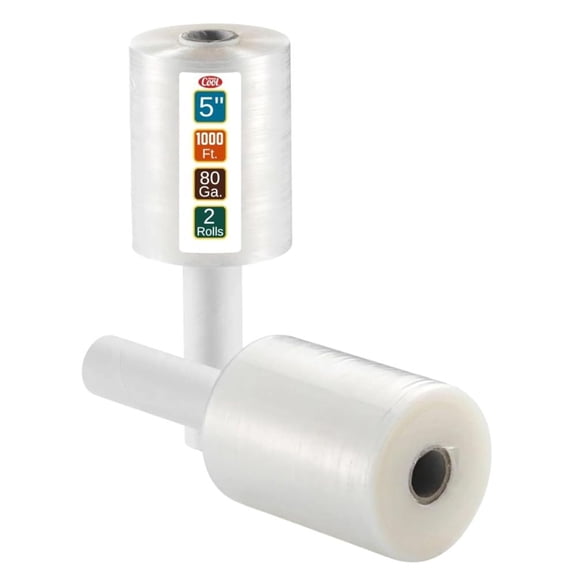
Start with your item size, because your width choice affects coverage and wrapping speed. You’ll often use mini rolls for small bundles, while wider rolls cover cartons and pallets faster.
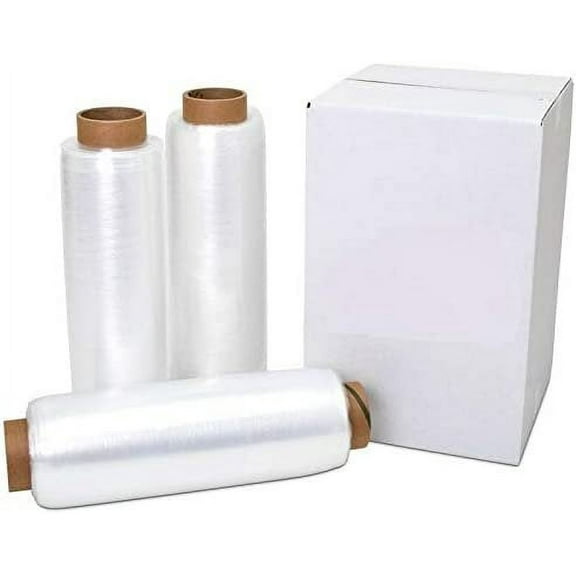
Consider common sizes like five inch, 15 inch, 18 inch, and 20 inch when you compare rolls. You’ll usually reach for 18 inch stretch wrap when you need balanced coverage for moving boxes and pallet corners.
Next, compare the format you need before you wrap anything. You’ll notice hand film works well for quick jobs, while machine film fits steady, high-volume pallet wrapping.
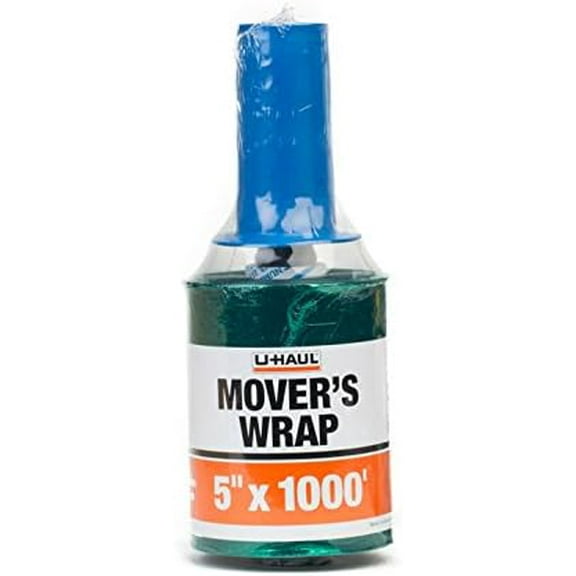
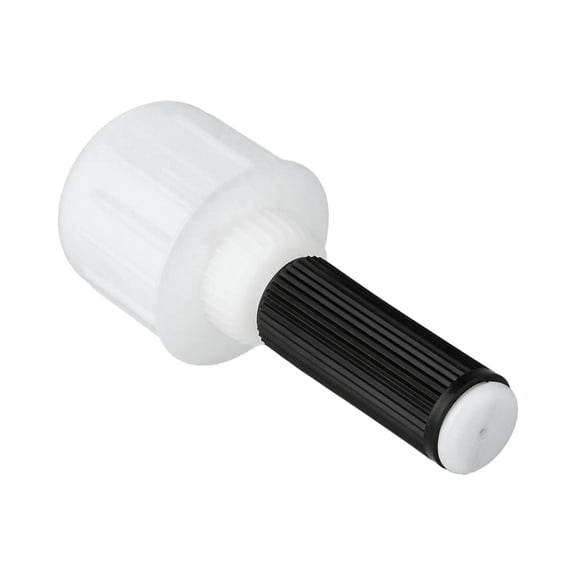
Check whether an extended core helps your grip during hand wrapping. You can also choose mini roll formats when you need control around narrow packages, bundled items, or odd shapes.
Key benefits of stretch wrap and plastic shipping wrap
Plastic shipping wrap helps you keep loads together without bulky strapping on many everyday packing tasks. You’ll also get a close fit around cartons, cases, and stacked goods.
When you use the right film, you can create clean pallet edges and stable layers. You’ll appreciate that secure wrapping can help keep labels visible and loads organized.
- You can bundle loose items together for organized staging and transport.
- You can wrap furniture drawers and doors so they stay closed during moving.
- You can secure stacked cartons on pallets for warehouse and shipping workflows.
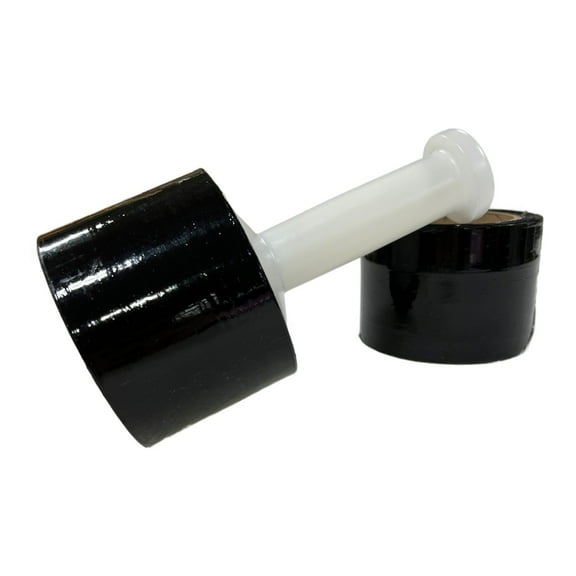
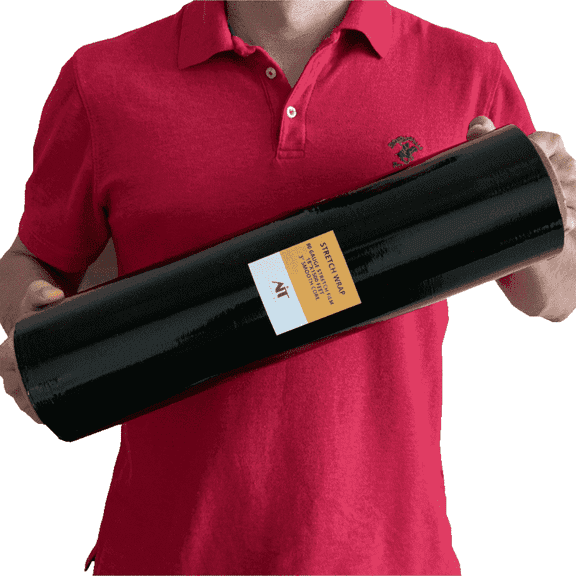
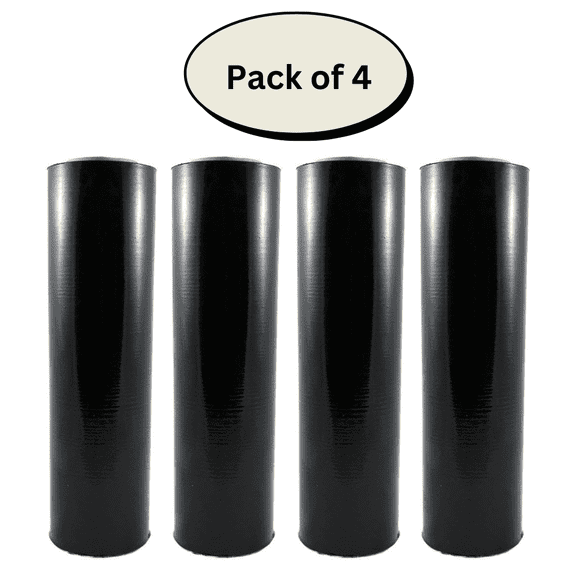
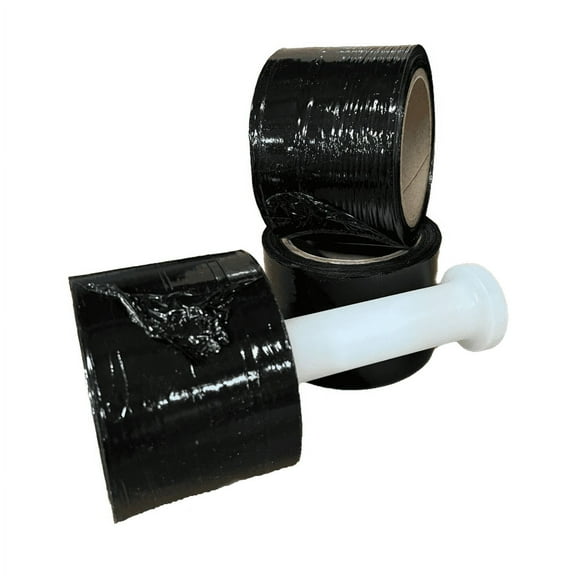
- You can choose black film when you want concealed contents on wrapped loads.
For moving tasks, you’ll like how moving stretch wrap clings around blankets, cushions, and boxed supplies. You can also wrap grouped tools, cables, and office items for simple handling.
For shipping setups, you may prefer pallet wrap film that stretches smoothly across corners and stacked cases. You’ll get a practical way to hold multi-box loads together before transit or storage.
Choosing the right stretch wrap gauge
Gauge is a key decision because it affects how firmly your wrap handles different load weights. You’ll often compare 80 gauge stretch wrap for standard jobs and 120 gauge rolls for heavier demands.
If your cartons are lighter, you can often use a standard film with easy hand application. If your loads are heavier or have sharper edges, you should consider heavy duty stretch wrap.
Look for thickness that matches your load shape, not just the weight alone. You’ll want more hold when corners, mixed box sizes, or uneven pallet stacks create extra stress points.
Width also changes your wrapping experience during longer jobs. You can cover broad surfaces quickly with wider rolls, while narrow film helps you target smaller packages with less overlap.
Color and clarity matter when your workflow depends on visibility or concealment. You can choose clear film for barcode scanning, or choose black stretch wrap for concealed contents.
Comparing hand film, machine film, and use cases
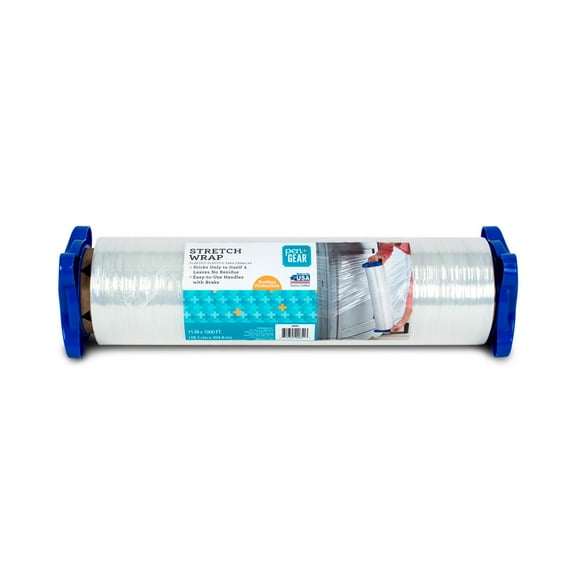
Hand stretch wrap makes sense when you’re packing a room, wrapping a few pallets, or bundling items as needed. You’ll find it useful for moving days, stockroom tasks, and small business shipping stations.
Machine film fits repeat wrapping where you need consistent coverage across many loads. You should compare this format when your workflow includes frequent pallet building and regular outbound shipments.
For household moves, you can use packing stretch film around dressers, chairs, and grouped boxes. You’ll also find it useful for holding padding in place around surfaces during transport.
In warehouse settings, you can use industrial packaging wrap to unitize cartons before staging or loading. You’ll want the right gauge and width when your pallets vary in height, weight, or box shape.
Some shoppers search for heavy duty shrink wrap when they need firm load containment for demanding jobs. You should know stretch wrap clings tightly around items, while product formats vary by application.
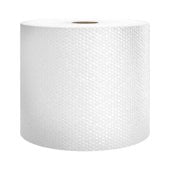
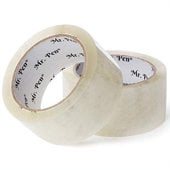
When you’re building a complete packing setup, you can pair your wrap with moving boxes, packing tape, and bubble wrap. You’ll create a smooth packing process when each material handles a specific job.
What to look for before you choose
Measure your items first so your roll width matches the surfaces you need to cover. You should also compare gauge, format, and color based on how you pack and move goods.
With the right stretch wrap, you can wrap pallets, furniture, and cartons with secure hold and less guesswork. You’ll finish with a packing material that matches your load size, wrap method, and visibility needs.