

Shooting
Shop by category








FAQ
What are the key steps for maintaining shooting equipment?
Maintaining your shooting equipment is vital for safety and performance. Here are some essential practices:
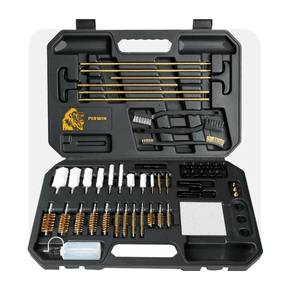
- Regular Cleaning: Clean your firearm and accessories after each use to remove dirt and residue. Use a cleaning kit tailored to your firearm type.
- Lubrication: Apply suitable lubricants to moving parts to prevent rust and ensure smooth operation, following the manufacturer's guidelines.
- Inspection: Regularly check for signs of wear or damage, such as cracks or rust, and address any issues promptly.
- Storage: Store your equipment in a cool, dry place, ideally in a locked cabinet or safe, to prevent unauthorized access and environmental damage.
What types of targets can I use for shooting practice?
There are several types of shooting targets available to enhance your practice sessions. Consider these options:
- Paper Targets: Ideal for precision shooting, these come in various designs like bullseye and silhouette, and are easy to set up.
- Steel Targets: Durable and reusable, these targets provide instant feedback with a satisfying sound when hit, suitable for both rifle and pistol shooting.
- Reactive Targets: These targets change shape or make noise upon impact, adding excitement to your practice.
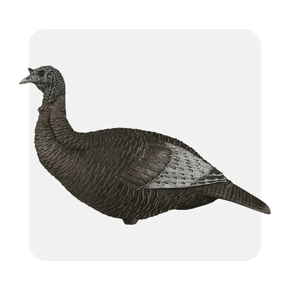
- 3D Targets: Commonly used for archery and hunting practice, these simulate real animals for a more realistic shooting experience.
Choose targets based on your shooting discipline and preferences, ensuring they are set up safely.
How do I select the right ammunition for my shooting activities?
Choosing the right ammunition is crucial for performance and safety in shooting sports. Consider these factors:
- Caliber Compatibility: Ensure the ammunition matches your firearm's caliber to avoid malfunctions or dangerous situations.
- Purpose: Think about your shooting goals; for target practice, full metal jacket (FMJ) rounds are often preferred, while hollow point (HP) rounds may be better for hunting.
- Brand Reliability: Opt for ammunition from reputable manufacturers known for quality and consistency to enhance your shooting experience.
- Local Regulations: Be aware of local laws regarding ammunition types, especially for hunting or self-defense.
Taking these factors into account will help you make informed decisions about the right ammunition for your needs.
What essential safety gear should I wear for shooting activities?
Participating in shooting activities requires proper safety gear to ensure your protection. Key items to consider include:
- Eye Protection: Always wear ANSI Z87.1-rated safety glasses to shield your eyes from debris.
- Hearing Protection: Use noise-canceling earmuffs or earplugs to safeguard your hearing from loud sounds.
- Protective Clothing: Opt for long sleeves and sturdy pants to protect your skin from potential injuries.
- Gloves: Wearing shooting gloves can enhance your grip and help manage recoil.
Ensure that all your gear fits well and is in good condition before use.
What steps should I follow for safe firearm transportation?
Transporting firearms safely is crucial for compliance and safety. Here are some important steps to follow:
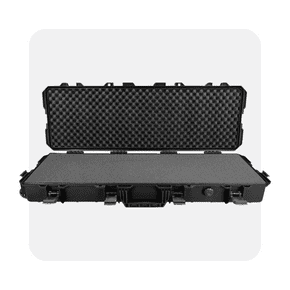
- Use a Secure Case: Always transport firearms in a locked, hard-sided case to prevent unauthorized access and protect the firearm.
- Unload Firearms: Make sure all firearms are unloaded before transport, and store ammunition separately in a secure container.
- Know the Regulations: Familiarize yourself with local and state laws regarding firearm transportation, as they can vary widely.
- Keep Firearms Concealed: Avoid displaying firearms during transport to reduce the risk of theft and enhance safety.
By adhering to these guidelines, you can transport firearms responsibly.