

Softball Bats: Fastpitch, Slowpitch & Youth | Walmart


















About Softball Bats: Fastpitch, Slowpitch & Youth | Walmart - Walmart.com
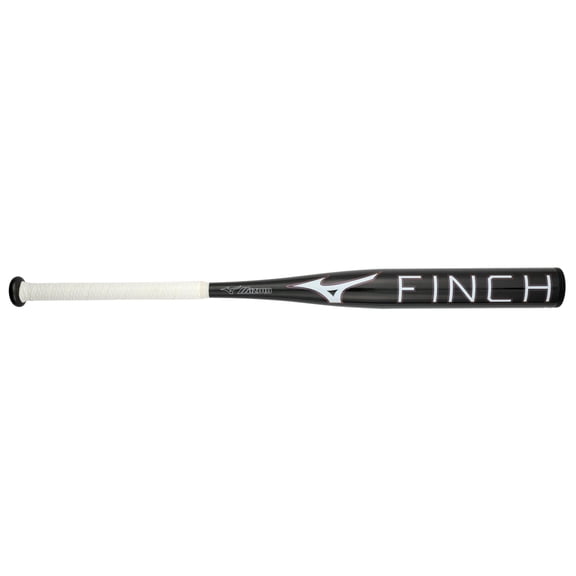
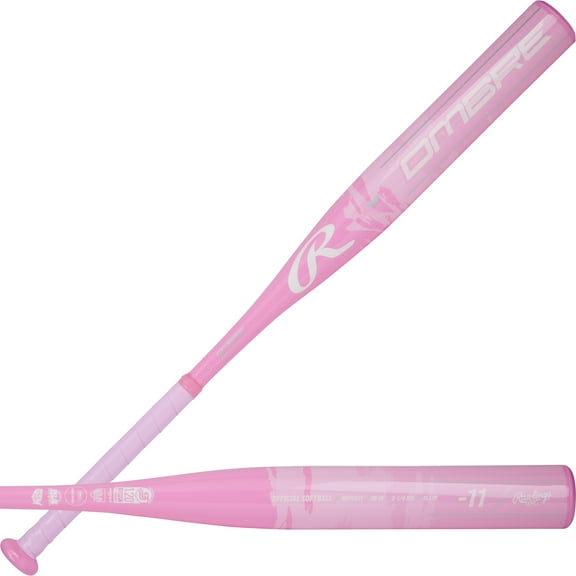
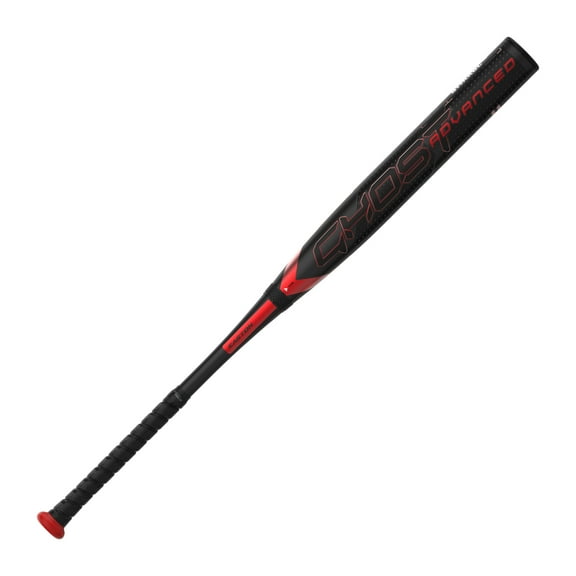
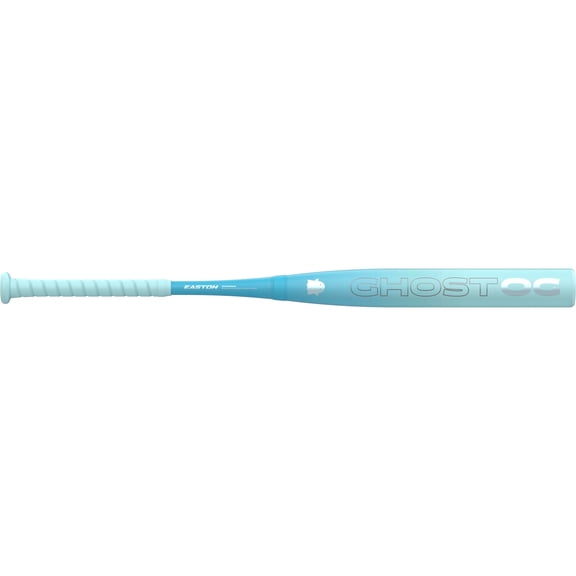
Softball bats help you match your swing to fastpitch or slowpitch play, league rules, and bat feel. You can compare certification, material, construction, and drop weight to narrow your choice with less guesswork.
How to choose softball bats for your game
You should start with game type because fastpitch softball bats and slowpitch softball bats follow different rules. You’ll usually want a slimmer barrel and lighter swing feel for fastpitch, while slowpitch often allows different barrel profiles and weighting.
Your league stamp matters just as much as barrel shape. You should check whether your league requires USA Softball / ASA, USSSA, NSA, or ISA marks before you compare other details.
You can make your decision easier by focusing on a few key points first. You’ll usually compare these factors before you choose a bat for practice or games.
- You should match the bat to fastpitch or slowpitch rules.
- You should confirm your required certification stamp.
- You can compare composite, alloy, hybrid, and wood options.
- You should check one-piece or two-piece construction for swing feel.
- You can use drop weight to balance control and power.
You may also shop by player stage and league level. You’ll often see youth softball bats and adult options built around different swing speeds and comfort needs.
Choosing between fastpitch softball bats and slowpitch softball bats
You should treat game type as your first filter because the two styles aren’t interchangeable in many leagues. You’ll want the approved barrel profile, length, and weighting for the format you actually play.
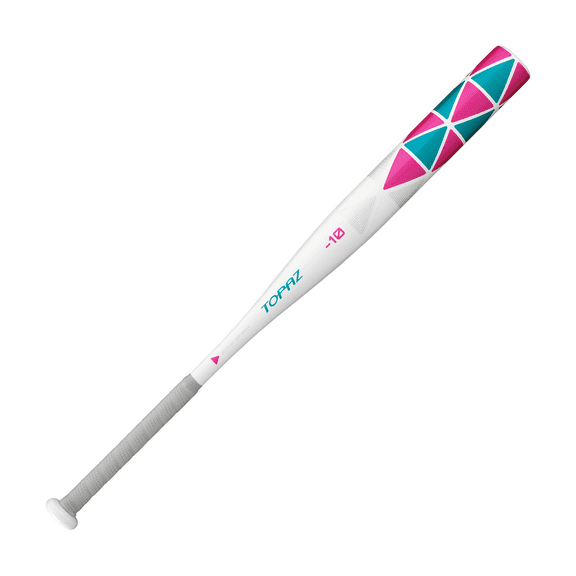
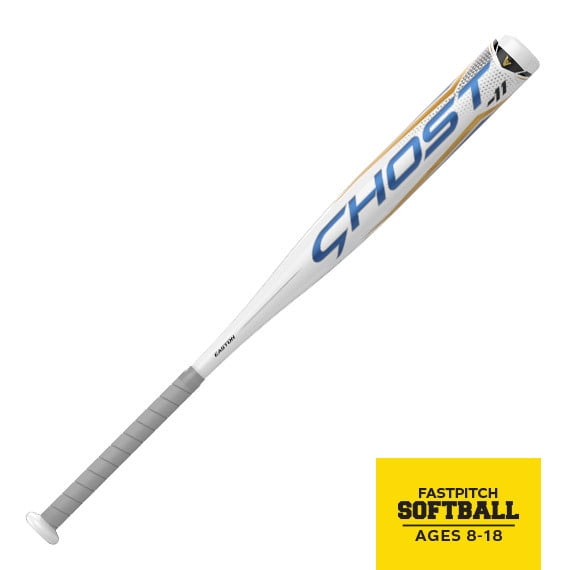
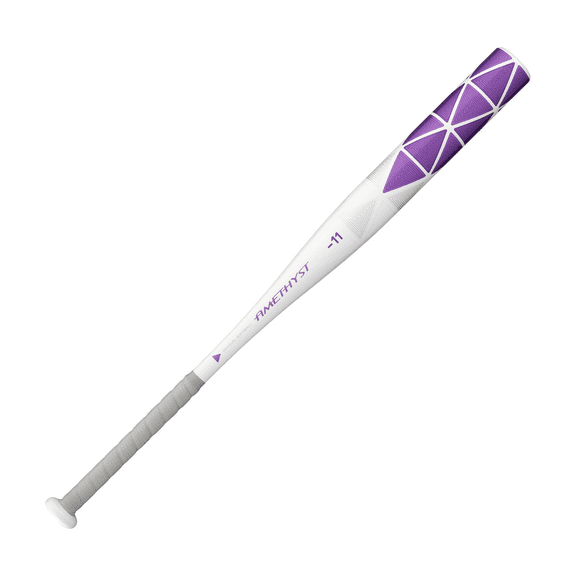
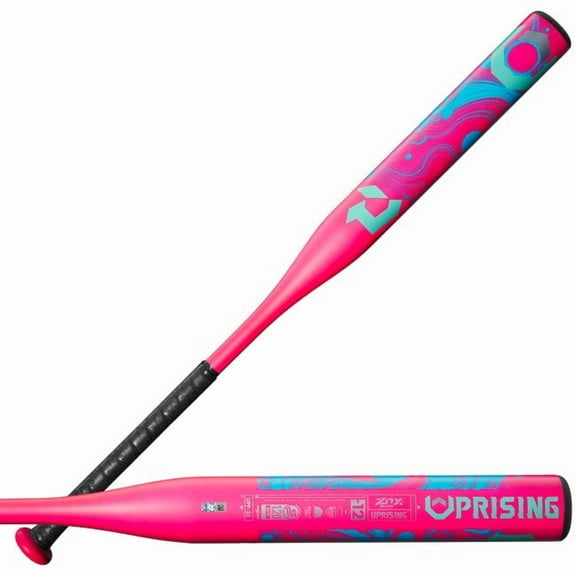
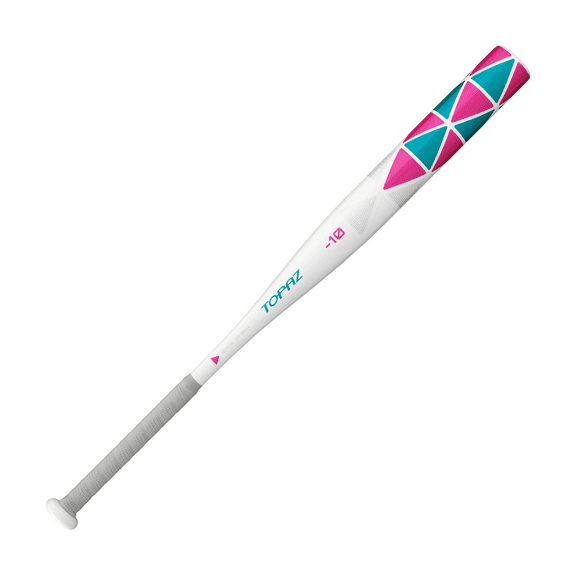
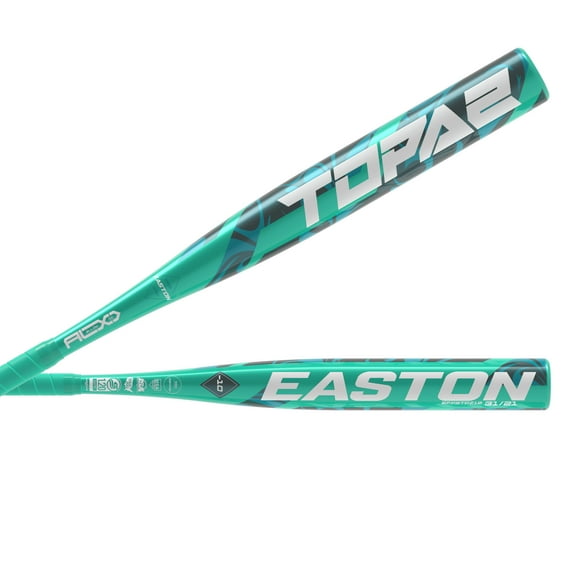
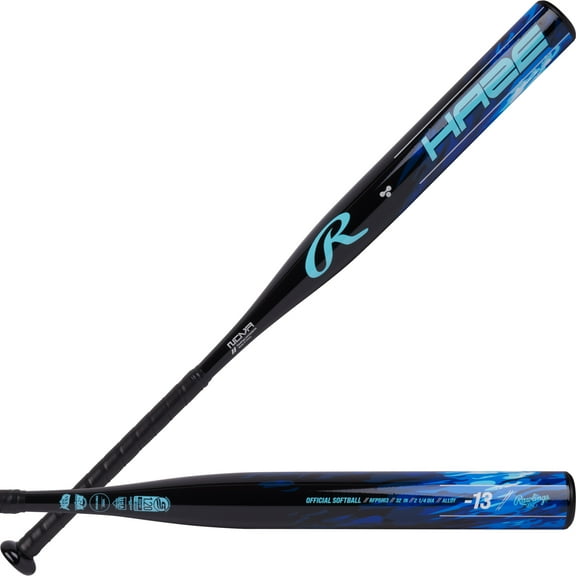
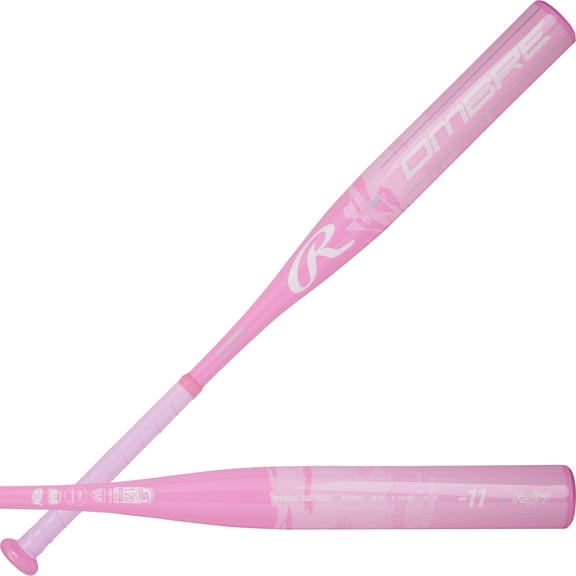
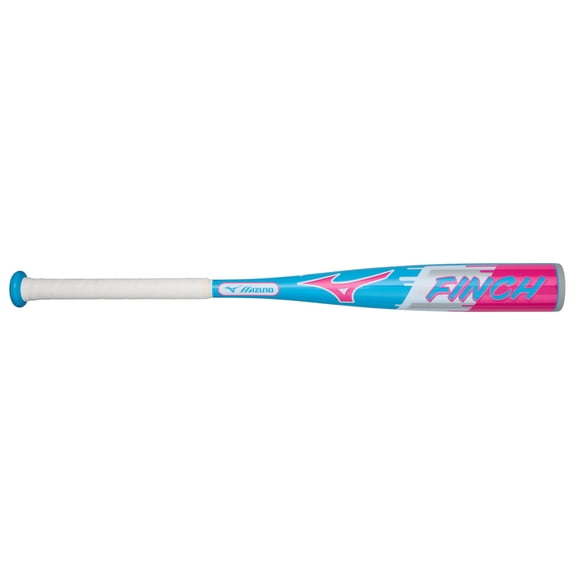
When you shop fastpitch softball bats, you’ll often compare lighter drop weights like minus 10, minus 11, or minus 12. You can use those lighter options when your swing needs quicker barrel control through the zone.
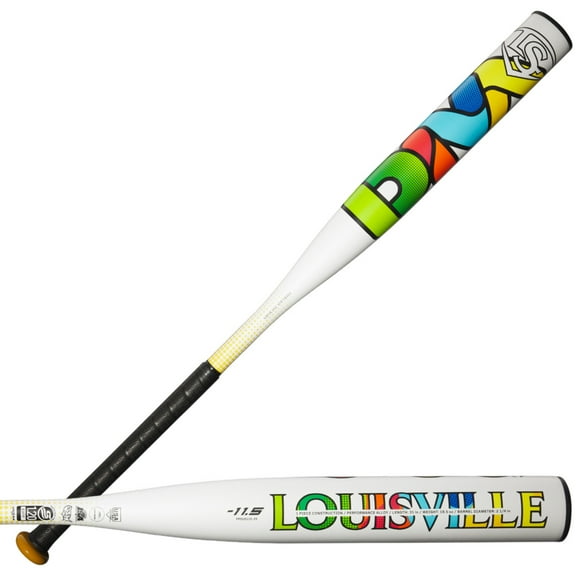
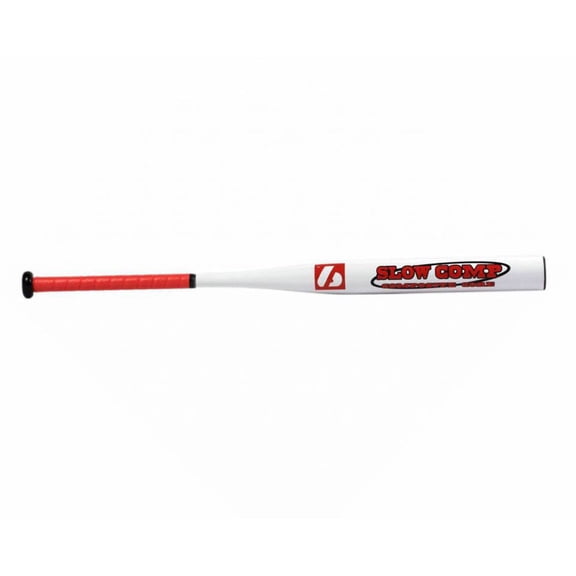
If you play slowpitch, you may focus more on barrel size, loaded feel, and league-specific bat rules. You’ll want to read the certification details closely because tournament and recreational leagues can differ.
You can also use player age and strength as practical guides. You’ll usually want a youth-friendly length and swing weight when you’re choosing youth softball bats for growing players.
Choosing material and construction
You can compare composite softball bats and alloy softball bats by feel, sound, and readiness right out of the wrapper. You’ll often notice alloy gives you a firmer feel, while composite can offer a smoother feel on contact.
If you prefer a bat that feels game-ready quickly, you may lean toward alloy. If you want a tuned barrel feel, you might compare composite options and check whether break-in guidance applies.
You can also look at hybrid models when you want mixed material benefits. You’ll see wood choices in some practice settings, where a traditional feel may matter to your routine.
Construction changes how your swing feels in your hands. You may prefer one-piece builds for a stiffer response, while two piece softball bats can offer more flex and vibration control.
Checking certification, size, and drop weight
You should verify league approval before you commit to a bat. You’ll want the correct stamp because usa softball bats and usssa softball bats serve different rulebooks.
USA Softball / ASA certification often appears in leagues that follow that governing standard. USSSA certification appears in other organizations, and you should always match the stamp to your roster requirements.
You can use drop weight to understand how heavy the bat feels for its length. A minus 10 bat means you get a bat that weighs 10 ounces less than its length.
If you want quicker control, you may compare minus 11 or minus 12 options. If you want a stronger feel through contact, you might check minus eight or minus nine choices.
You should also compare length with your height, reach, and swing strength. You’ll usually play with more confidence when the bat feels balanced instead of overly heavy or too short.
Using softball bats for practice, league play, and skill development
You can choose different setups based on where and how you play most often. You’ll likely prioritize compliance for league games, while practice sessions may let you test swing feel and material preference.
For school or travel fastpitch, you may focus on certification, lighter drops, and quick handling. You’ll want that setup when your timing, bat speed, and plate coverage matter on every pitch.
For recreational or tournament slowpitch, you may compare barrel feel and approved stamps first. You can then narrow your choice by construction and material to match your swing path.
If you’re buying for a younger player, you should keep control and comfort at the center of the decision. You’ll often find that the right youth length and drop help make practice feel more repeatable.
You can also use your shopping filters to compare composite, alloy, certification, and drop weight side by side. You’ll make a clearer decision when those details line up with your league card and playing style.
With the right softball bats, you can step in with equipment that fits your rules and your swing. You’ll get a more confident feel when your bat matches your game type, certification, and preferred balance.