








Berkley Gulp & Soft Plastic Fish Bait | Walmart.com









































About Berkley Gulp & Soft Plastic Fish Bait | Walmart.com
Soft baits help you match lure action, profile, and rigging style to your water and target species. You can sort through worms, craws, grubs, and swimbaits faster when you know what each shape does.
If you fish ponds, lakes, rivers, or reservoirs, you can use soft baits in ways hard lures can't match. You can rig them weightless, nose hooked, Texas rigged, or on a jig head for different depths.
How to choose soft baits by bait type
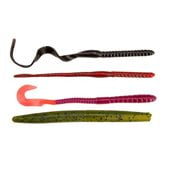
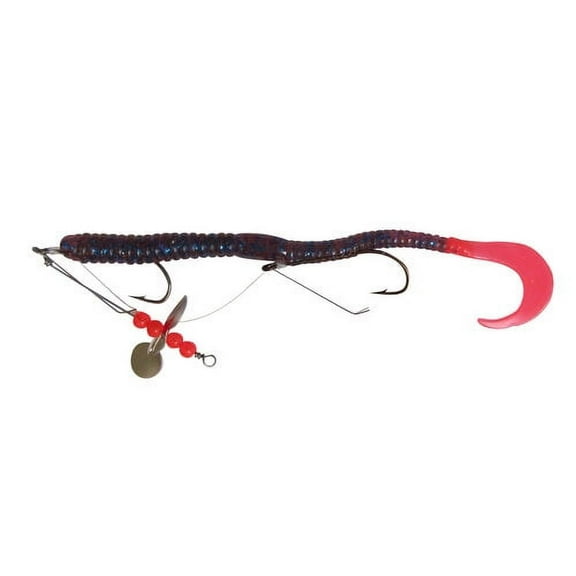
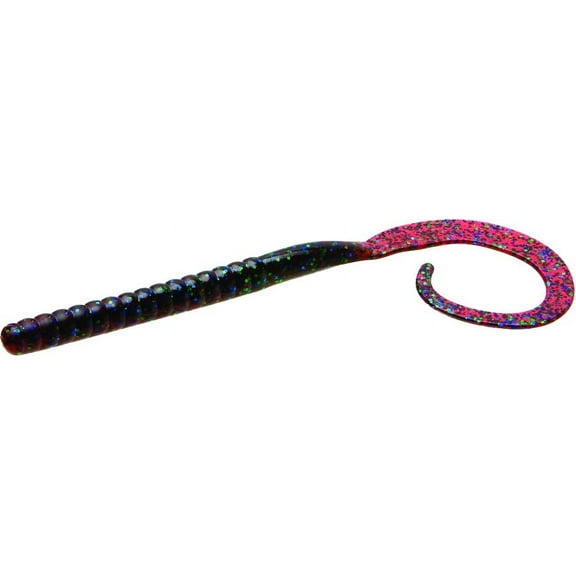
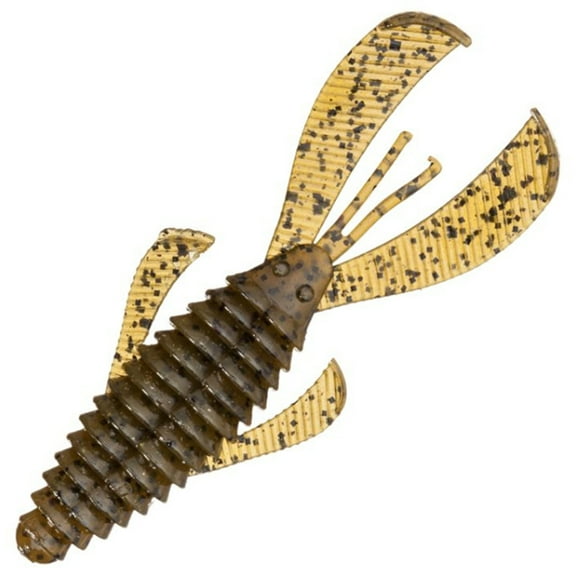
You should start with bait type because shape drives action in the water. You can pick soft plastic worms for subtle movement, or choose craws when you want a compact bottom profile.
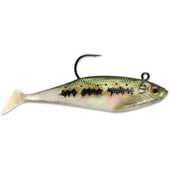
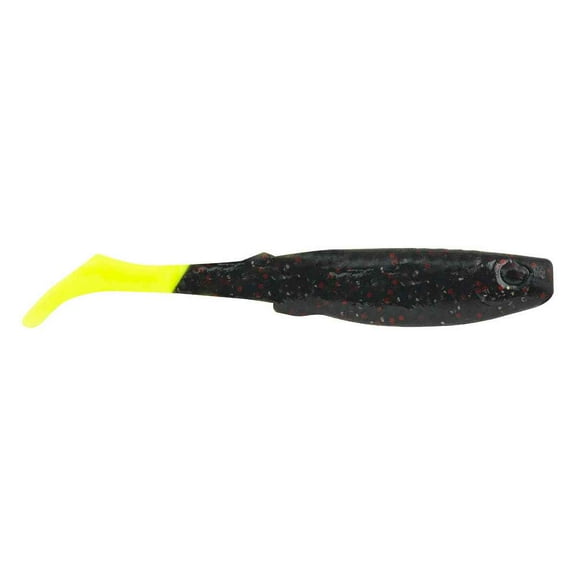
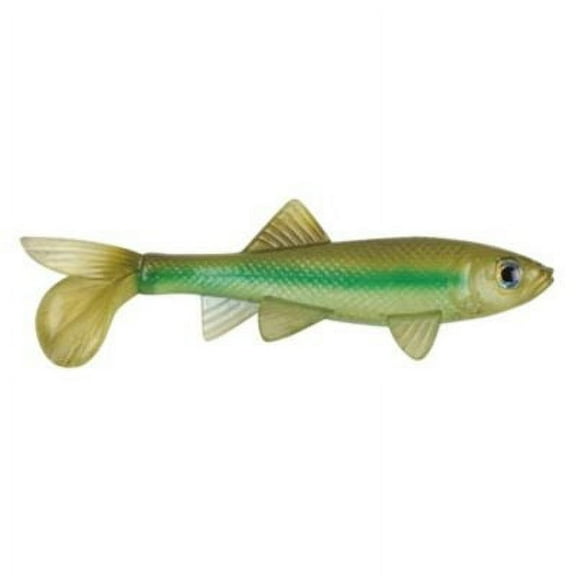
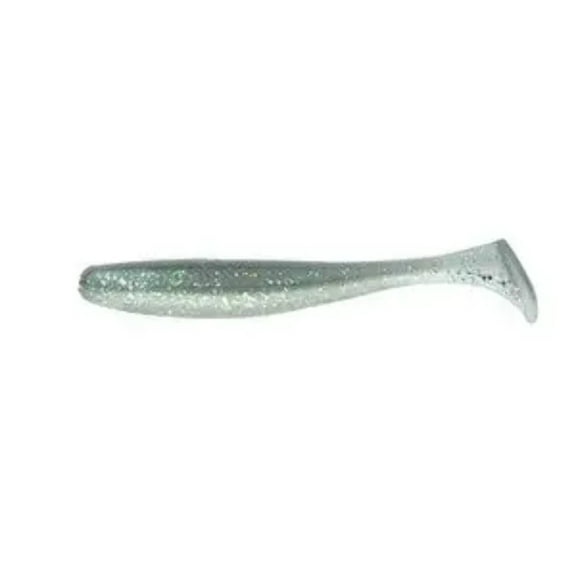
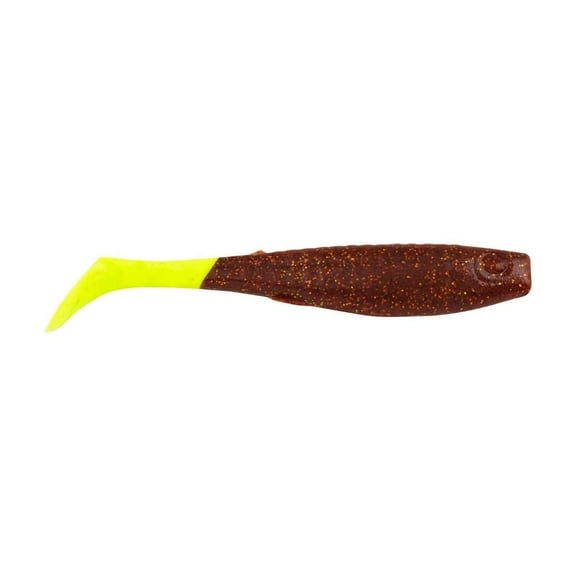
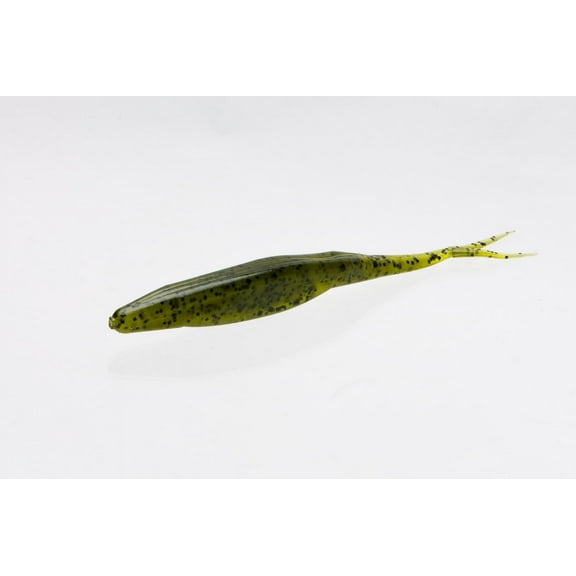
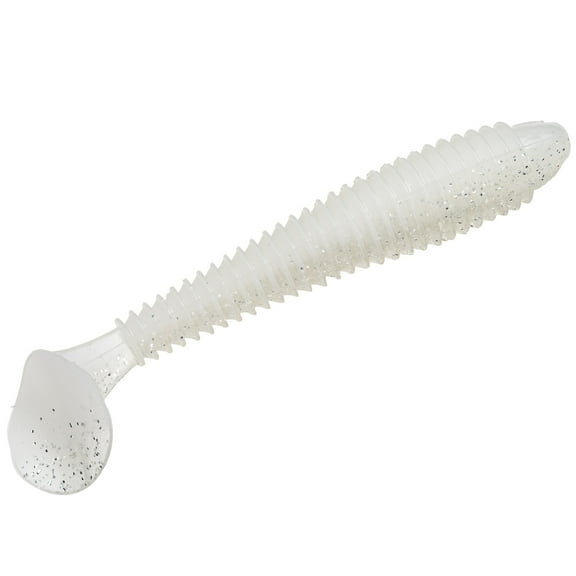
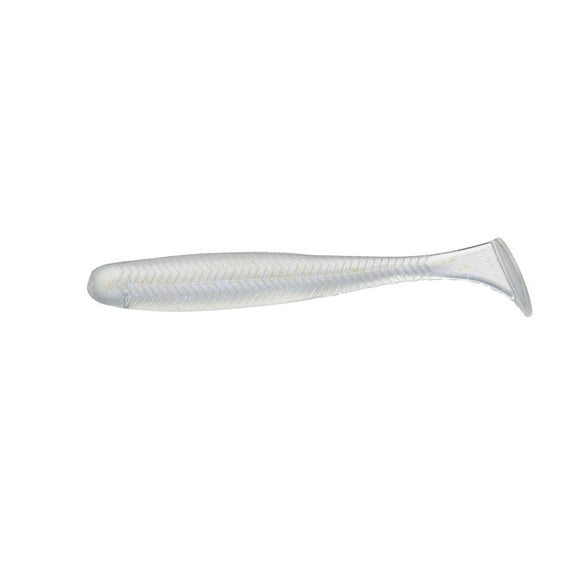
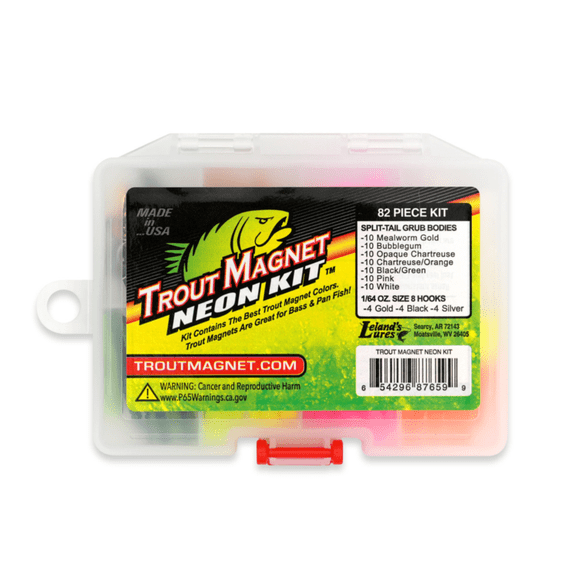
When you want steady tail kick, you can reach for soft swimbaits in open water or around grass edges. If you want a shorter profile, you can try grubs or tubes for panfish, walleye, and finesse bass presentations.
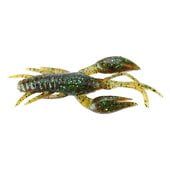
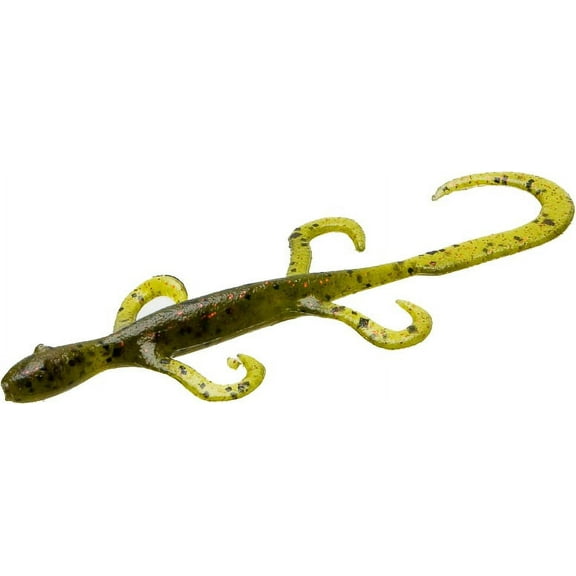
You may prefer lizards during spring patterns when fish key on longer shapes near beds and cover. You can also use craws around rocks, docks, and wood when you want a hopping presentation.
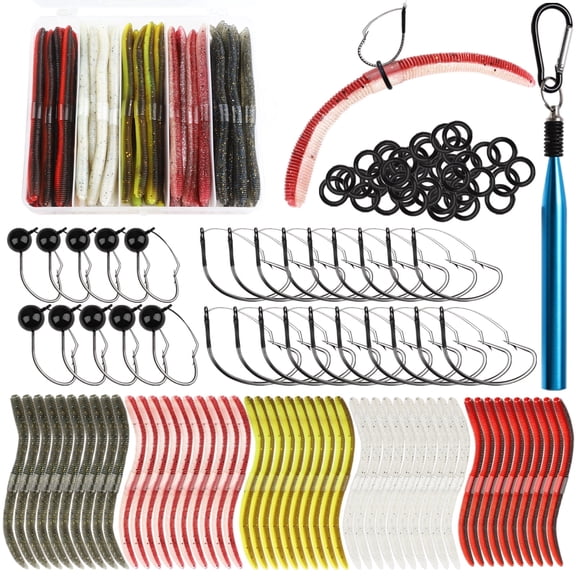
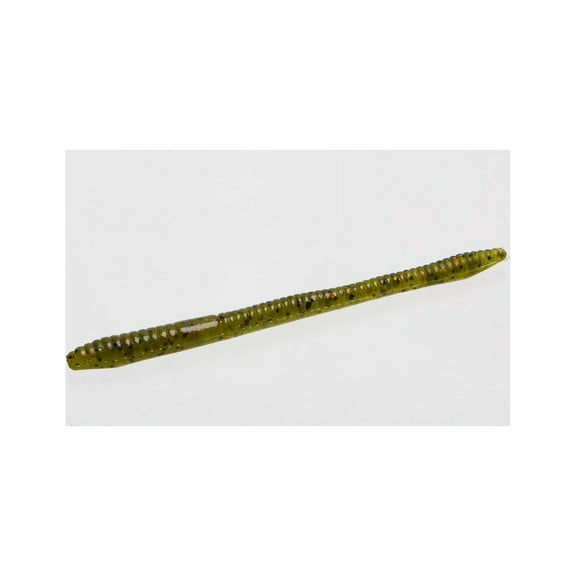
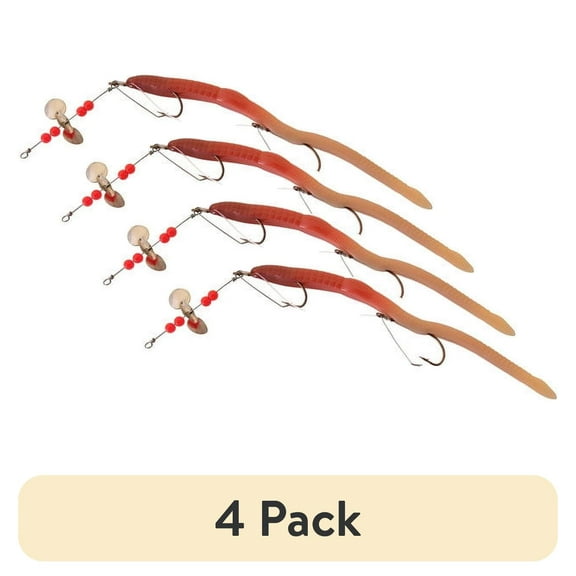
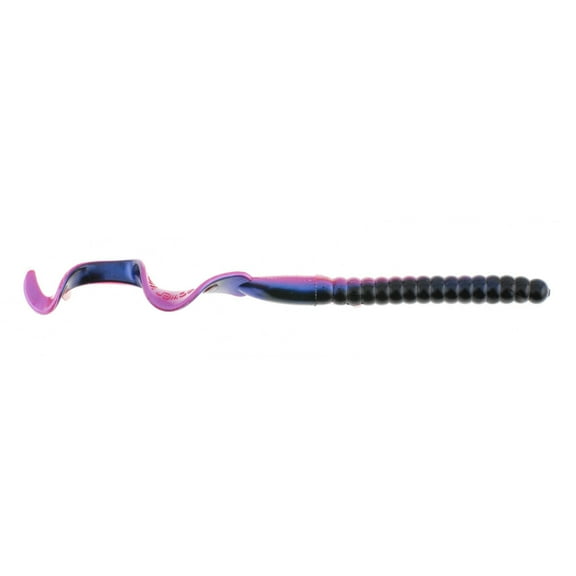
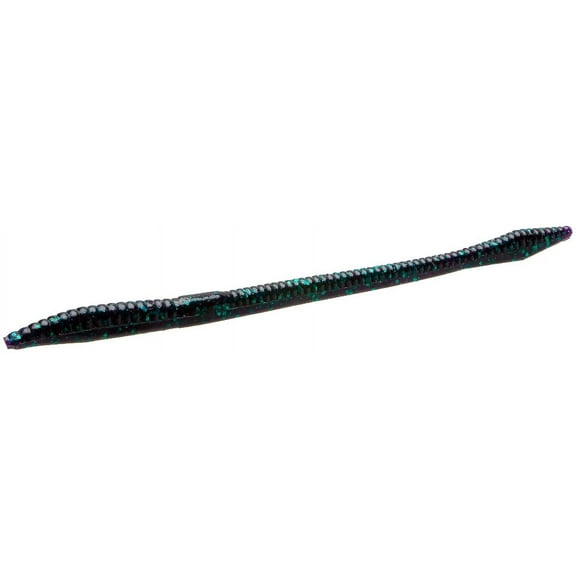
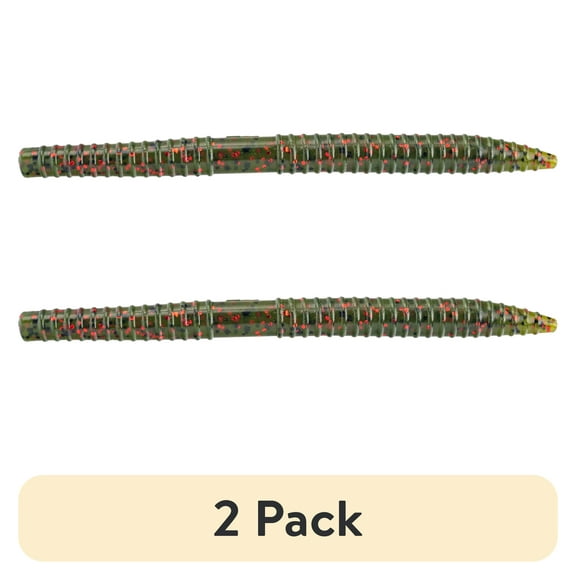
- You can use worms for Texas rigs, shaky heads, wacky rigs, and drop shots.
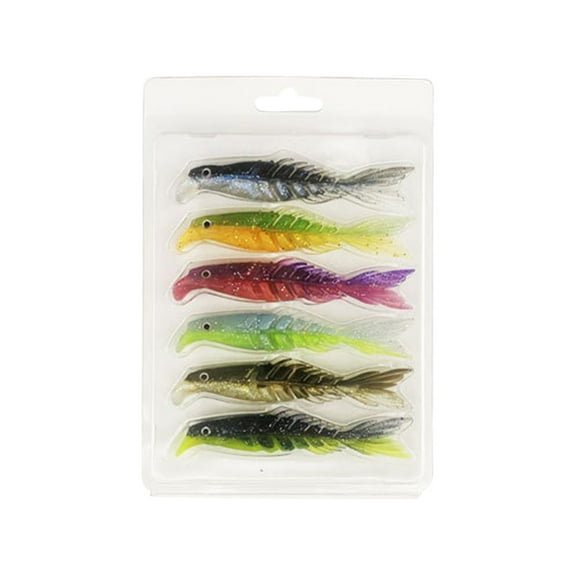
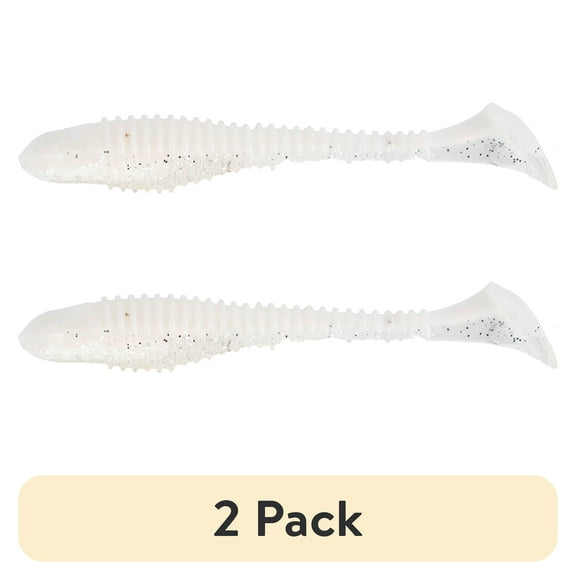
- You can use swimbaits when you want tail action on a steady retrieve.
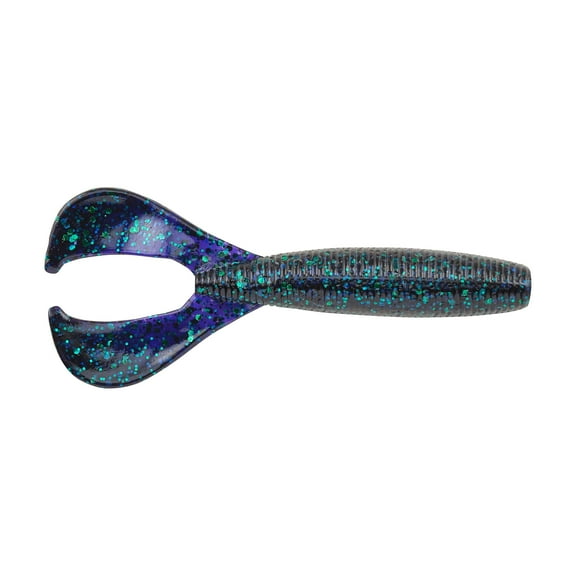
- You can use craws when you want a bottom-hopping look around cover.
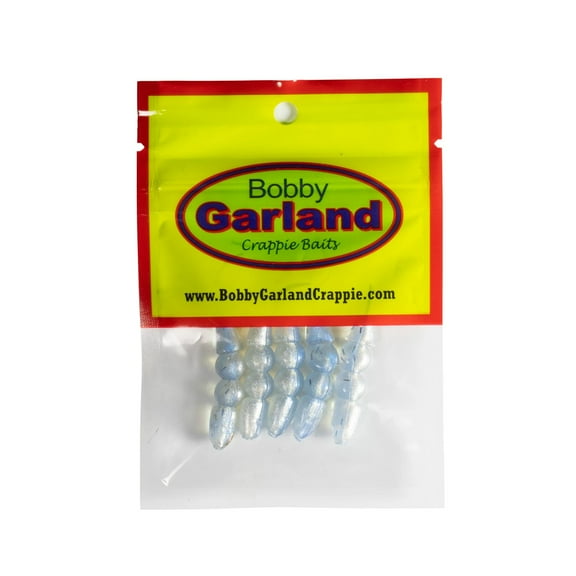
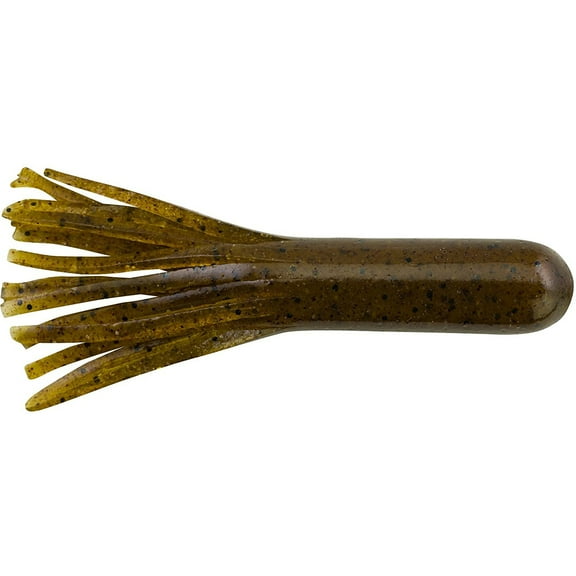
- You can use grubs and tubes when you want compact profiles for lighter setups.
Choosing soft plastic baits by size and action
You should compare length before you choose color because size affects fall rate, profile, and hook pairing. You can use 2 inch and 3 inch options for panfish, crappie, and finesse presentations.
If you want a versatile bass setup, you can look at 4 inch and 5 inch soft plastic baits. You can step up to 6 inch plus styles when you want a larger profile for deeper water.
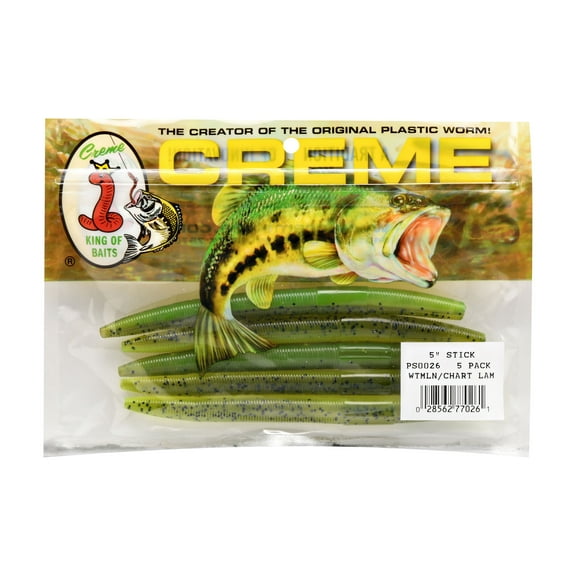
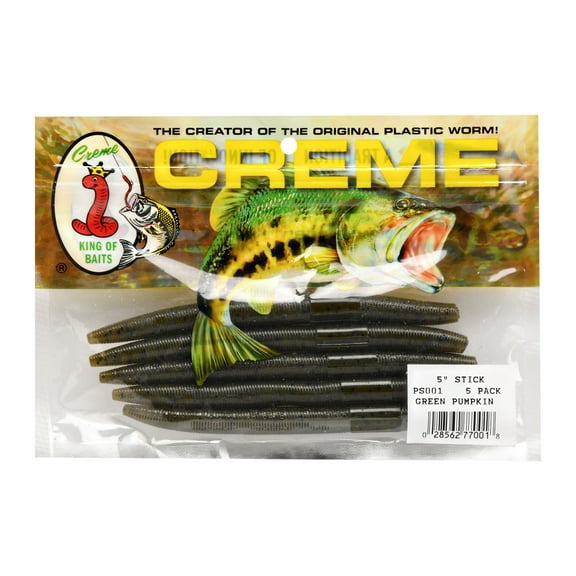
You should also consider how the bait moves after the cast. You can pick paddle tails for strong vibration, or choose stick shapes when you want a subtler glide.
When you fish pressured water, you may want less action and a slower fall. If you cover water quickly, you may want more tail movement that helps fish track the lure.
Picking bass soft baits for color and water clarity
You should match color to water clarity so fish can find the bait without the presentation looking unnatural. In clear water, you can start with natural shades like green pumpkin, watermelon, or translucent patterns.
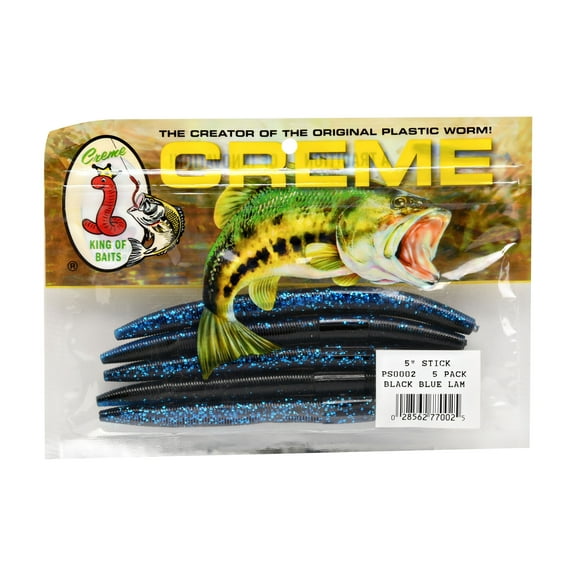
In stained water, you may want stronger contrast that still looks balanced. You can try black and blue, chartreuse accents, or darker laminates that show up more clearly.
If you fish muddy water, you should look for bold silhouettes instead of subtle detail. You can choose darker colors that help your bait stand out during slower presentations.
You may also compare flake, laminate, and matte finishes based on light conditions. On bright days, you can lean natural, while low light may call for stronger contrast.
What to look for in scent, salt, and rigging fit
You should check whether a bait is salted, scented, or unscented because those details affect feel and presentation. You can choose salted styles for added weight and a different fall, or pick unscented options for a cleaner starting point.
If you prefer added attractant, you can compare garlic or shrimp infusion by species and water conditions. You should also check body thickness so your bait matches the hook gap and rigging style.
For Texas rigs, you can look for weed-friendly bodies that hide the hook point neatly. For drop shots, you can look for straighter shapes that hold a nose hook well.
If you throw a Carolina rig, you may want longer soft plastic worms that trail behind the weight naturally. For wacky rigs, you can choose stick shapes that wiggle on the fall.
Using soft plastic worms and swimbaits in real fishing situations
You can build a simple system by matching species, cover, and retrieve style before you pick a bait. For bass around grass or wood, you can start with soft plastic worms or craws on a Texas rig.
If you fish open water or points, you can use soft swimbaits on jig heads for a steady retrieve. When fish suspend, you can try a drop shot with a smaller worm that stays in the strike zone.
During spring, you may choose spring bass soft baits in natural greens around shallow cover and warming banks. In summer, you can shift to summer soft plastics that handle deeper ledges, docks, and offshore structure.
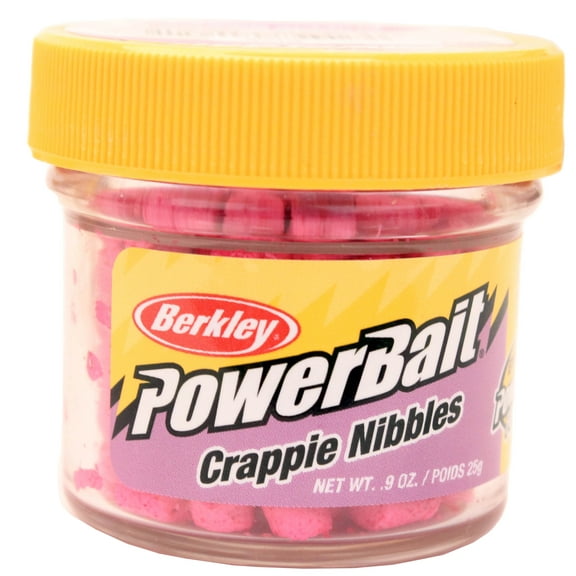
You can also adjust by species instead of season alone. For crappie and panfish, you can use smaller grubs or tubes, while walleye anglers may prefer slimmer paddletails and straight tails.
You should keep rigging pieces in mind before you finalize your choice. You can pair these fishing soft baits with terminal tackle, then complete your setup with fishing rods and fishing reels.
When you understand shape, size, color, and rigging, you can narrow soft baits to the patterns you actually fish. You end up with presentations that match your water, your target species, and your retrieve style.