






Soccer










































About Soccer - Walmart.com
Soccer gear and equipment helps you build a complete setup for matches, drills, and backyard sessions. You can compare ball sizes, shin guard fit, and training tools in one place.
If you coach, play, or shop for a young athlete, you need gear that matches age, surface, and skill level. You’ll also want options that cover league essentials and focused practice.
Choosing soccer gear and equipment by product type
You should start with the product type that shapes how you play or train. You may need balls, shin guards, cleats, goals, cones, or training bibs for a complete routine.
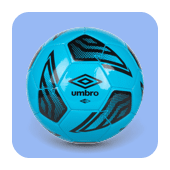
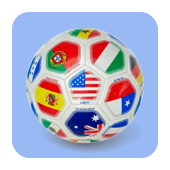
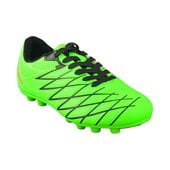
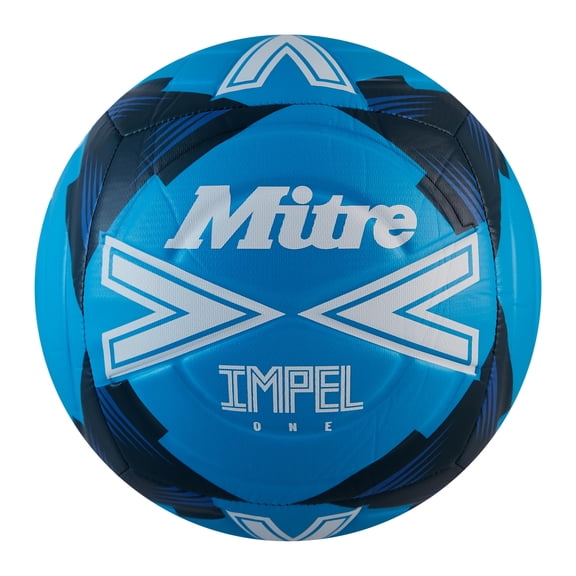
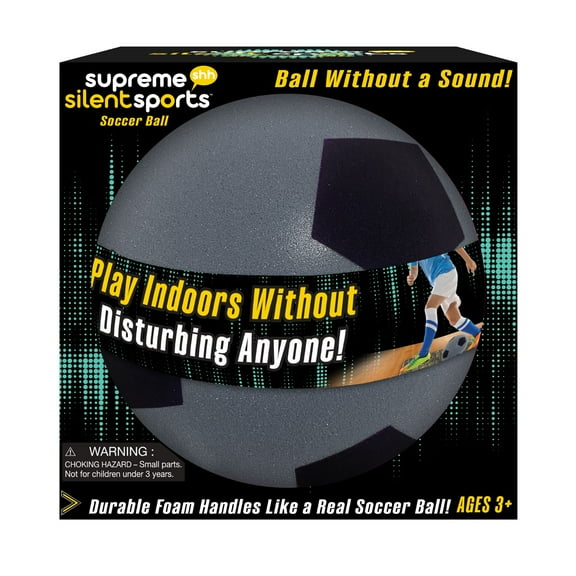
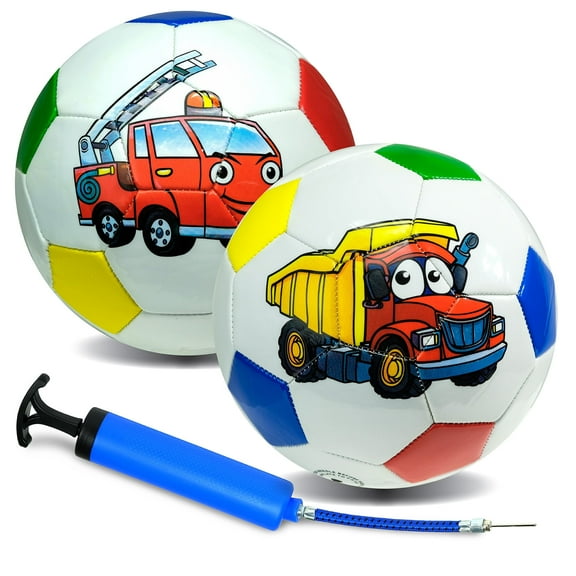
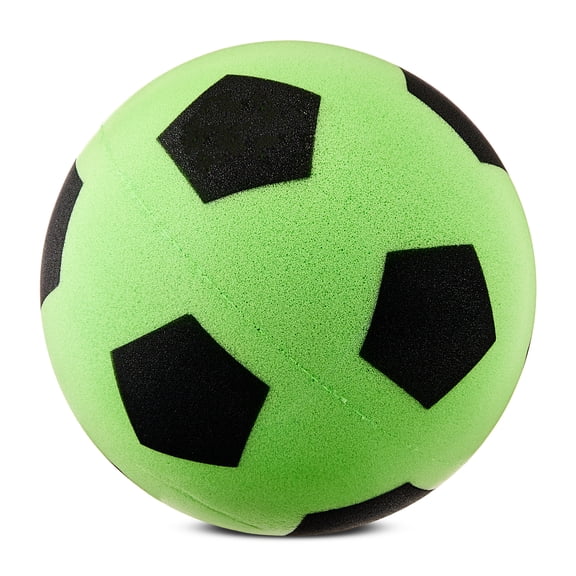
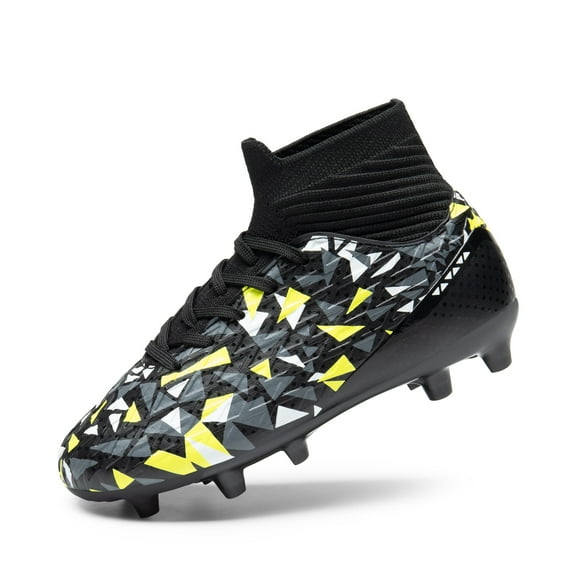
You can use balls for passing, shooting, and touch work across different ages. You can use shin guards and cleats for match play, while goals and cones build useful backyard and team setups.
- You can use balls in sizes three, four, and five for age-based play and practice.
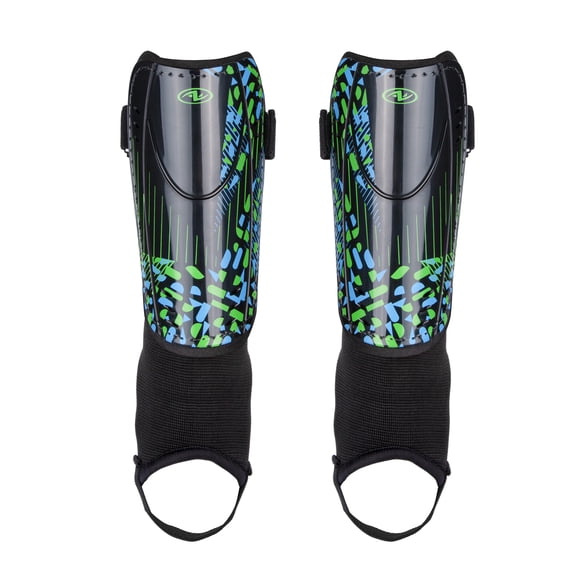
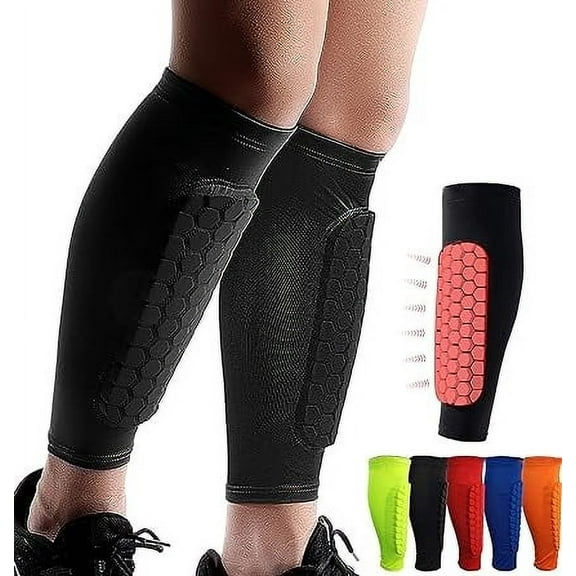
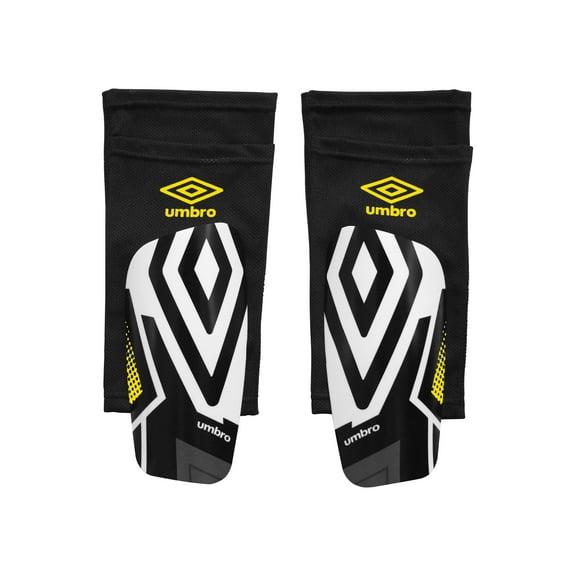
- You can choose shin guards for league essentials, daily drills, and scrimmage prep.
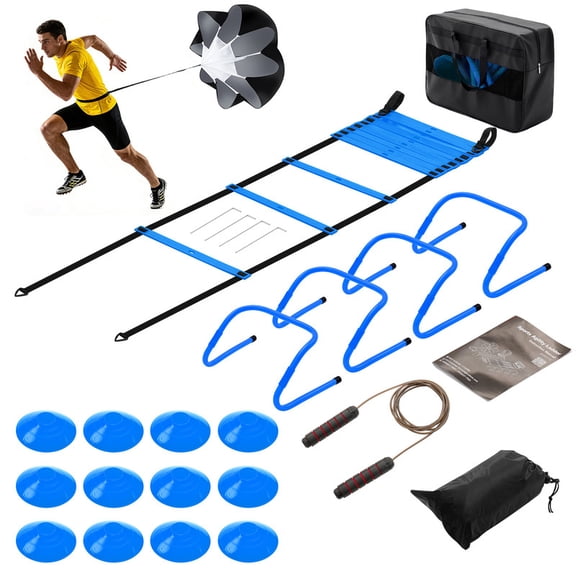
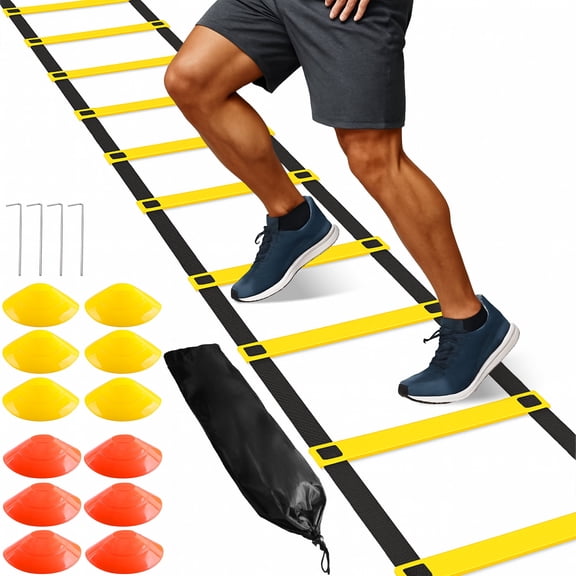
- You can add cones, bibs, and rebound-focused tools for structured coaching sessions.
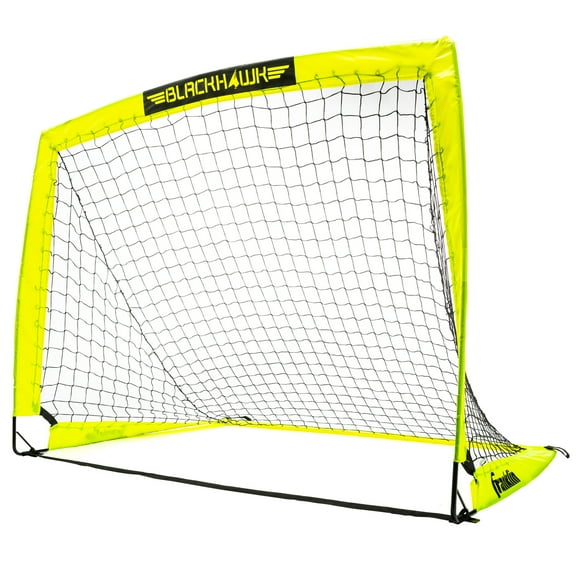
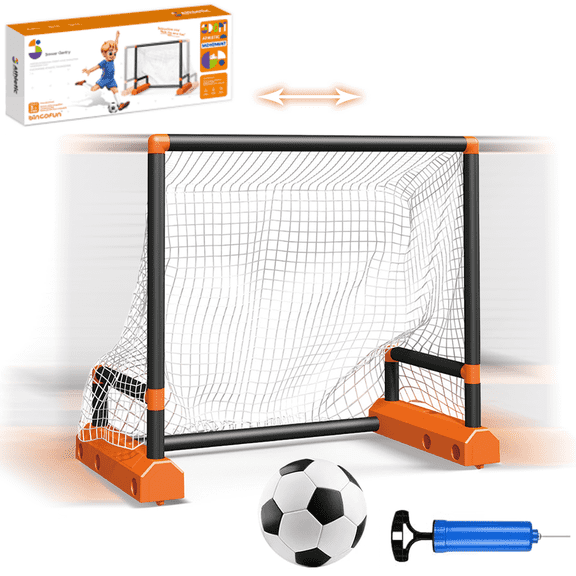
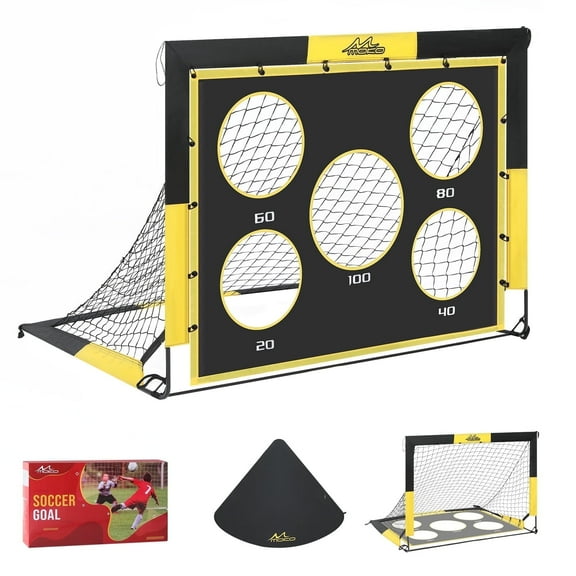
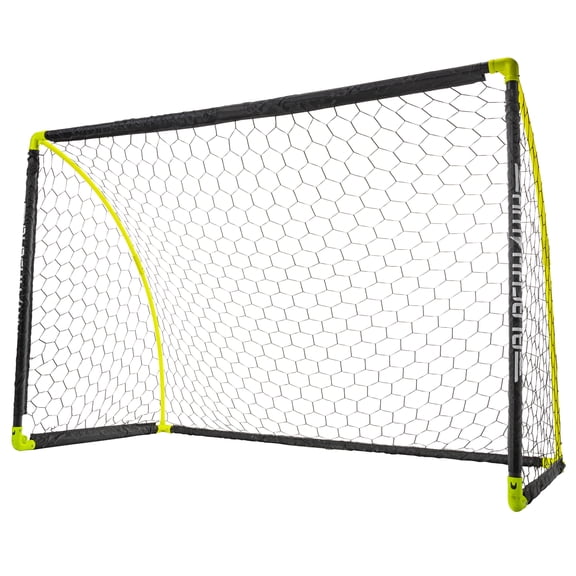
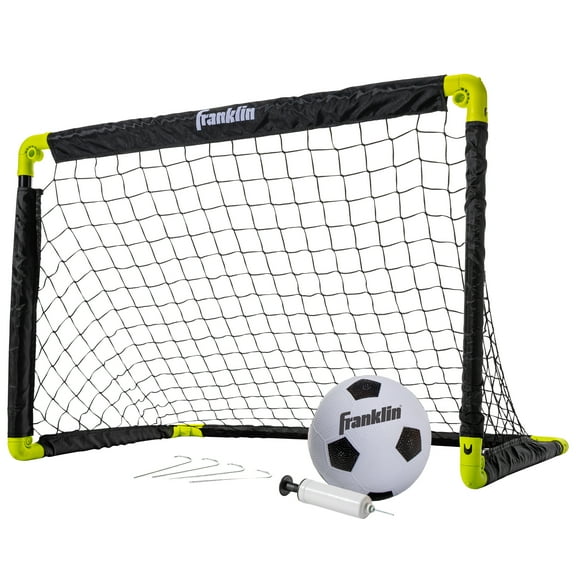
- You can set up soccer goals for backyard drills when you want quick shooting practice at home.
When you compare soccer accessories with core equipment, you should think about how frequently you train. You’ll usually need everyday basics first, then add specialized tools for skill work.
How to choose soccer training equipment for your goals
Soccer training equipment helps you when you match it to a specific practice goal. You should consider whether you’re building agility, shooting, passing accuracy, or ball control.
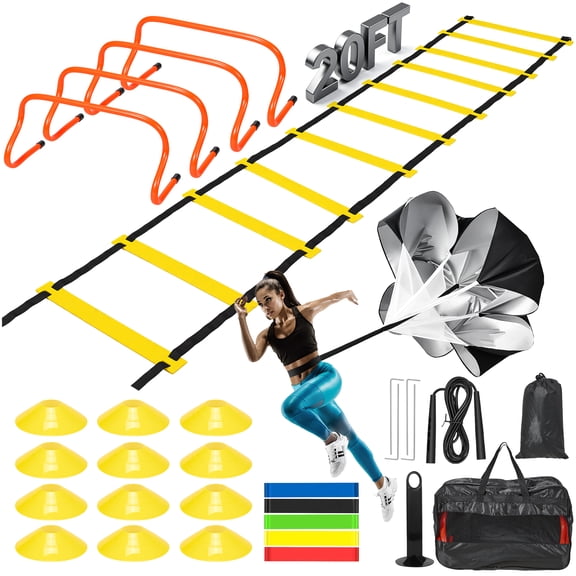
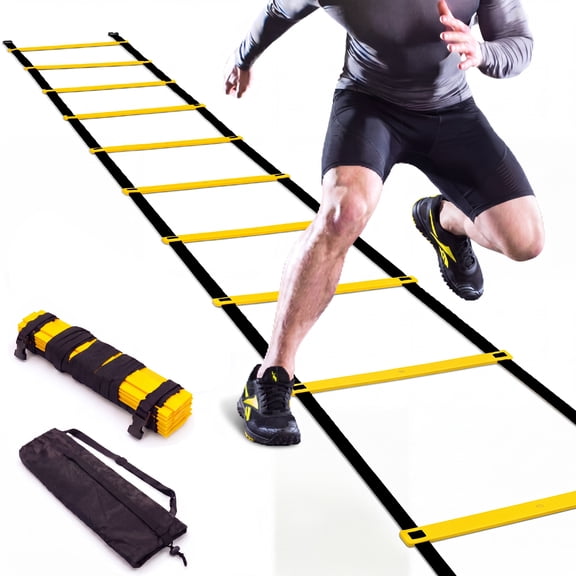
You can use cones to mark lanes, turns, and footwork patterns during quick drills. You can use training bibs to organize scrimmages, separate teams, and keep coaching sessions moving clearly.
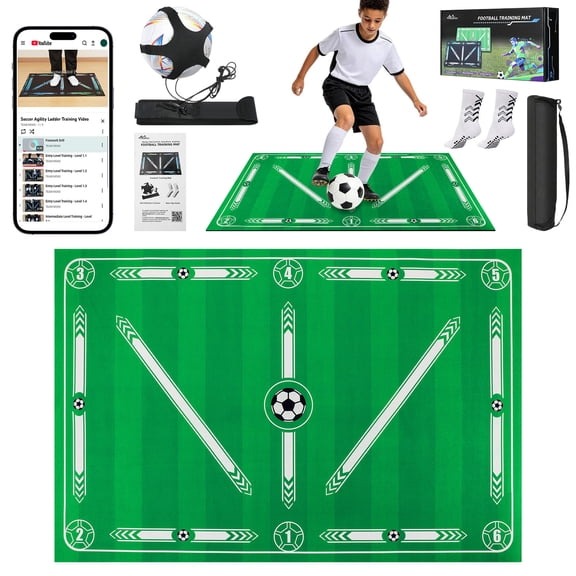
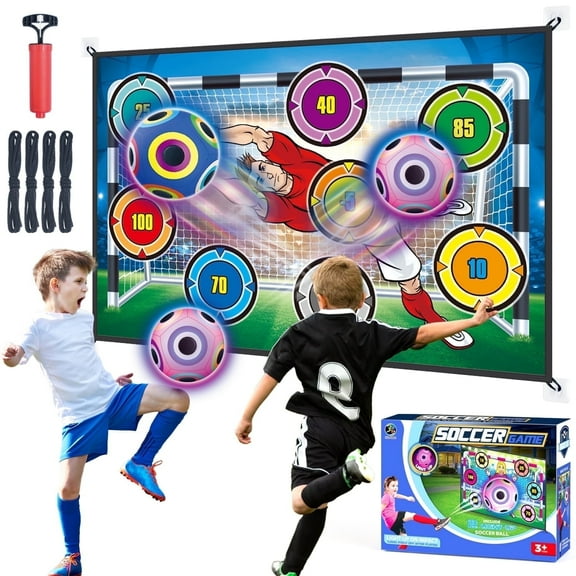
If you want sharper first touches, you can look for soccer training aids that repeat passing and receiving patterns. If you want shooting reps, you can choose goals and target-based setups.
For team training, you may combine cones, bibs, balls, and portable goals in one session. For solo practice, you can focus on a ball, markers, and a compact net.
Choosing the right size for age groups and fit
Size matters because you want equipment that feels natural during play. You should compare youth, toddler, and adult options before you choose your setup.
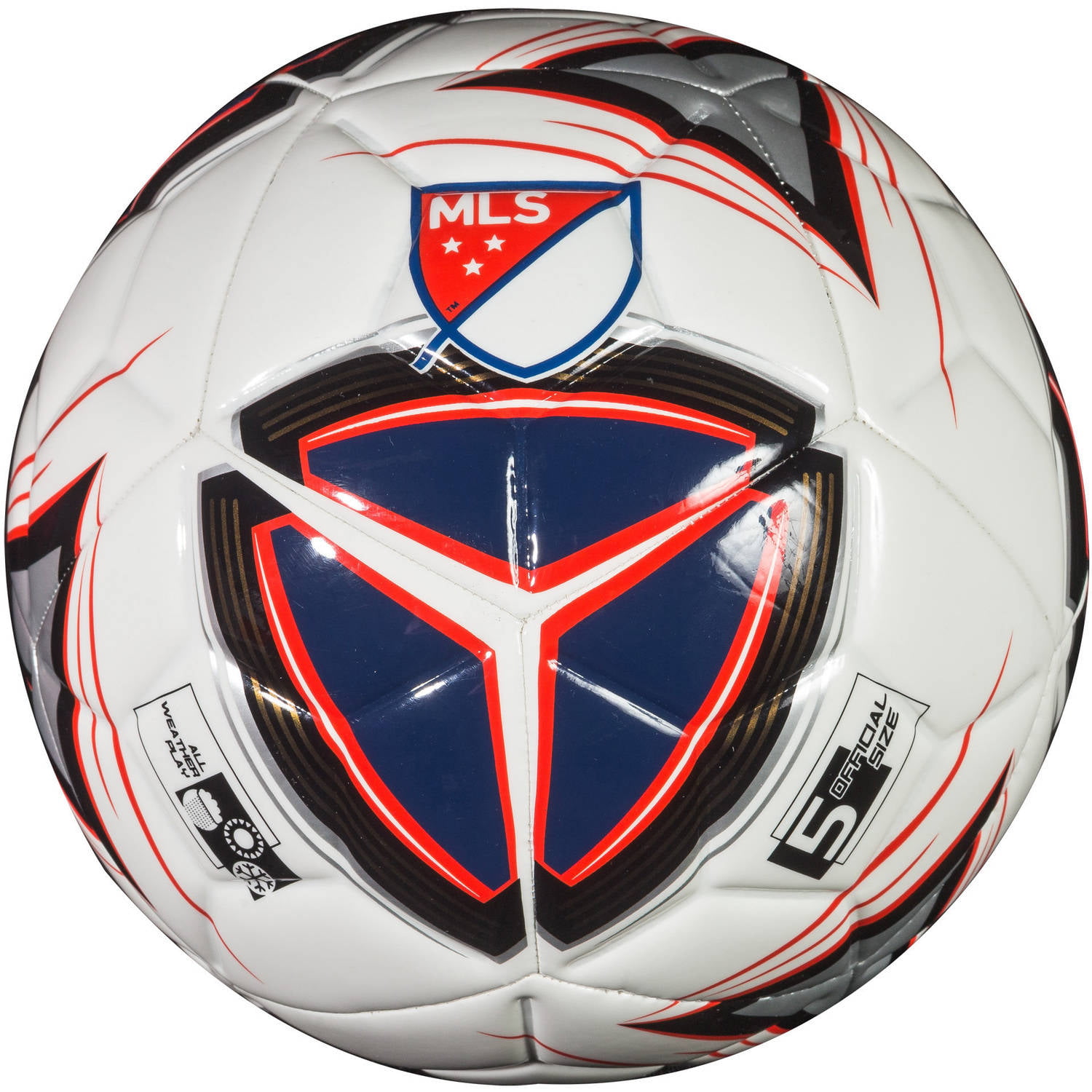
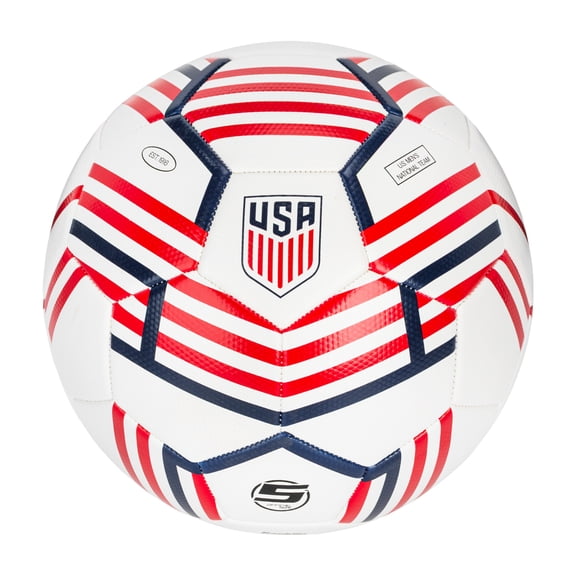
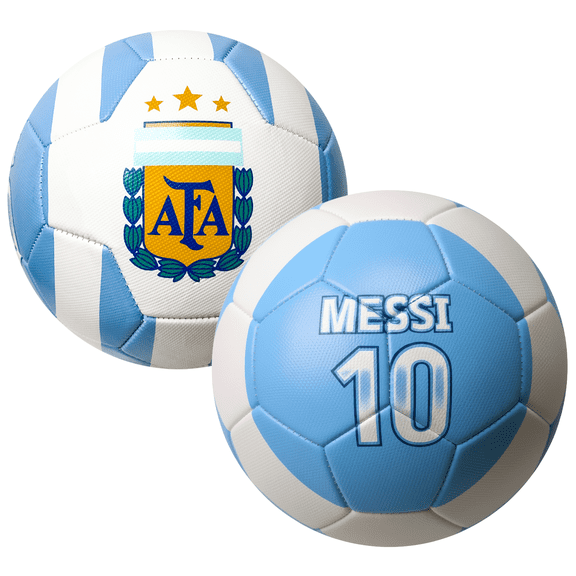
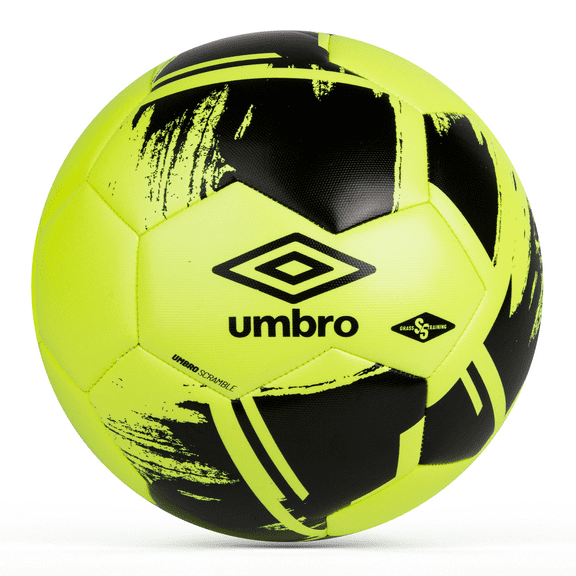
For soccer balls, you’ll usually see size three, size four, and size five. You can use size three for many younger players, size four for many youth players, and size five for full-size play.
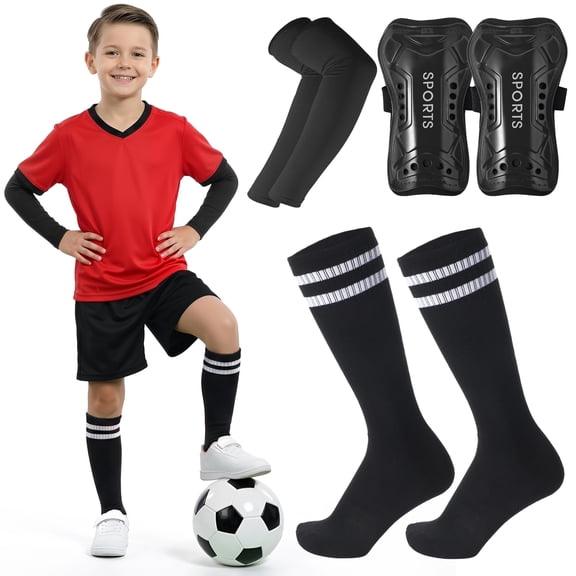
You should match shin guard fit to your height range and playing level. You’ll want coverage that sits comfortably under socks and stays in place during movement.
If you shop for youth soccer equipment, you should check each size chart closely. You can avoid guesswork when you compare age guidance with the product’s listed measurements.
What to look for in materials and surface durability
Material choices affect how your gear feels and how it holds up over time. You should compare leather, synthetic polyurethane, mesh, and fiberglass based on your routine.
You may prefer leather soccer balls for a classic feel, while synthetic polyurethane can support frequent practice. You may like mesh panels on bibs for lighter wear, and fiberglass frames for portable goal setups.
You should also think about where you play frequently. If you train on grass, turf, or indoor surfaces, you’ll want gear that matches that setting.
You can compare cleat patterns, ball construction, and goal frames by use. You can choose equipment that handles repeated touches, quick setup, and regular transport between practices.
Soccer practice equipment for real training scenarios
Soccer practice equipment can support backyard sessions, team drills, and coaching plans. You can build a simple setup or a detailed station system.
For backyard practice, you might choose a portable goal, a size-appropriate ball, and a few cones. You can create shooting lanes, passing gates, and dribbling paths in a small space.
For coaching, you may need training bibs, multiple balls, and clear field markers. You can rotate players through agility stations, possession drills, and finishing work with less downtime.
If you play at a beginner level, you may want easy setup and straightforward sizing. If you play at an advanced or professional level, you might focus on repeat reps and position-specific drills.
Soccer gear also helps you cover match play needs without mixing them with practice-only tools. You can keep one setup for games and another for heavy weekly training.
How to compare skill level and use case
Your skill level can guide which features deserve a close look. You should compare beginner, intermediate, advanced, and professional needs before choosing specialized equipment.
If you’re a beginner, you may want simple cones, comfortable shin guards, and easy-to-carry goals for steady repetition. If you’re intermediate or advanced, you may look for structured soccer training aids for footwork and finishing routines.
Use case matters just as much as skill level. You can choose lighter, portable gear for backyard practice or comprehensive sets for team training and coaching sessions.
When you match product type, size, material, and use case, you make informed decisions quickly. You’ll end up with soccer gear that fits your training plan and your field setup.
You can feel confident when your ball size, shin guard fit, and training setup all match your routine. You’ll get equipment that supports league play, practice sessions, and backyard reps with fewer compromises.