


Find auto parts that fit
Let’s search for parts that fit your vehicle.Snowmobile Attachments in Snowmobile Accessories
















About Snowmobile Attachments in Snowmobile Accessories - Walmart.com
Snowmobile attachments help you haul gear, clear paths, and tow equipment when winter riding demands more from your machine. You can compare plows, hitches, cargo sleds, and trail groomers by fit, material, and hauling capacity.
When you shop this category, you’re usually balancing trail utility with snowmobile compatibility. You’ll want options that match your riding conditions, mounting points, and cargo plans without guesswork.
How to choose snowmobile attachments
You’ll get a clear starting point by choosing your attachment type first. You may need a plow for driveway clearing, a hitch for towing, a cargo sled for supplies, or a trail groomer for packed paths.
Each setup changes how you use your machine in snow and on ice. You’ll notice that the right choice depends on whether you’re pushing snow, pulling weight, or carrying bulky gear behind you.
- You can use plows to move fresh snowfall from driveways, cabins, and access paths.
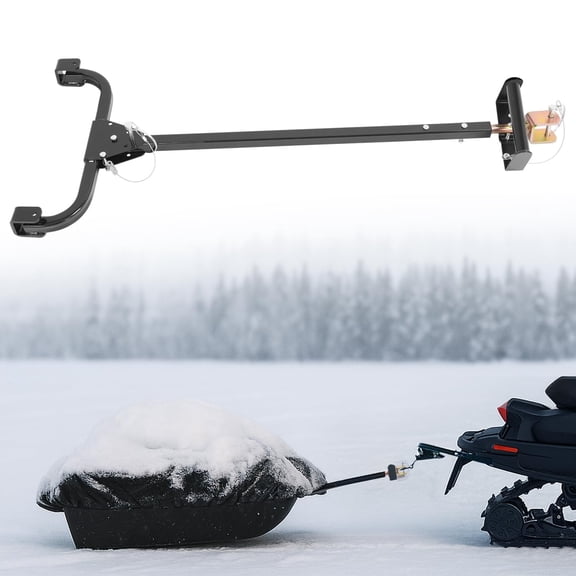
- You can use hitches to tow utility carts, small trailers, and selected winter equipment.
- You can use cargo sleds to carry firewood, tools, ice fishing gear, and camping supplies.
- You can use trail groomers when you want smoother, more even snow surfaces behind your snowmobile.
You’ll also benefit from choosing an attachment that matches your terrain. If you ride on uneven trails, you may prefer designs that track steadily over packed snow and frozen ruts.
Choosing between snowmobile plow attachments and hitch setups
You should compare snowmobile plow attachments and towing setups by the job you need done. A plow helps you push snow forward, while a hitch helps you pull weight behind your machine.
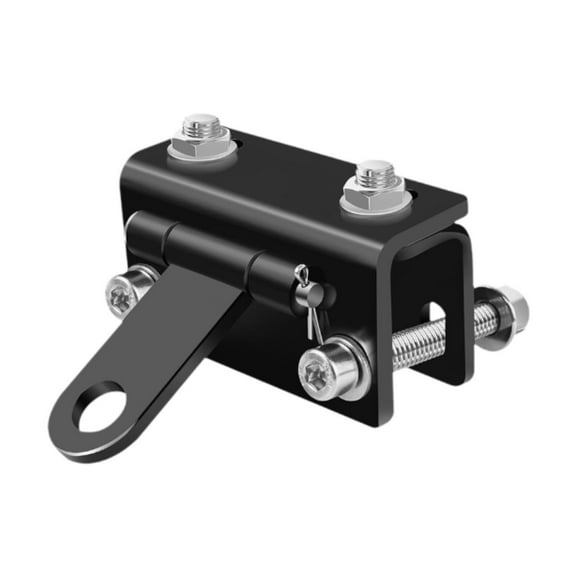
When you compare hitch styles, you should check the receiver design, mounting bracket location, and bolt pattern. Those details help you confirm whether your setup is universal or built for a specific model.
You may also compare light-duty, medium-duty, and heavy-duty ratings before towing. If you plan to pull 500 or more pounds, you should confirm that your hitch and sled match that workload.
What to check for compatibility
You should treat compatibility as a key buying decision before you choose any snowmobile attachments. Your make, model, and rear mounting area affect whether an attachment installs cleanly and lines up correctly.
If you ride Polaris, Ski-Doo, or Arctic Cat models, you should check whether the fit is universal or brand-specific. You’ll want the mounting brackets and bolt pattern to match your machine’s attachment points.
You may prefer universal options when you want flexibility across multiple machines. You may choose brand-specific options when you want a more exact fit around bumper shape, frame design, or hitch position.
You should also measure clearance around your track and rear suspension before you install towing gear. That step helps you confirm that your attachment moves freely during turns and over trail bumps.
How materials affect winter performance
You’ll want materials that hold up in sub-zero temperatures, trail ice, and repeated loading. Heavy-duty steel, polyethylene, and aluminum each give you different strengths for winter use.
If you choose heavy-duty steel, you’ll usually get rigid support for plow frames and hitch components. Powder-coated steel can also help your hardware handle wet snow and slushy trail conditions.
If you choose polyethylene for snowmobile cargo sleds, you’ll get a lighter body that slides well over snow. Impact-resistant polyethylene can also suit rougher surfaces and repeated loading of bulky gear.
If you choose aluminum, you’ll get a lighter towing setup that’s easier to handle during installation. You may like aluminum when you want solid utility without adding as much weight to your machine.
Understanding weight capacity and cargo planning
You should match weight capacity to the cargo you actually move in winter. Light-duty options can suit smaller loads, while heavy-duty setups can handle larger gear piles or 500-plus-pound jobs.
When you compare capacities, you should think in plain cargo terms instead of numbers alone. You may be hauling tools, fuel containers, firewood, fishing gear, fencing supplies, or camp equipment.
You’ll also want to spread weight evenly in cargo sleds for steadier tracking behind your snowmobile. A balanced load can help you tow more smoothly across packed trails and uneven snow.
Before you choose a hitch or sled, you should check your machine’s towing guidance and attachment points. That comparison helps you pick gear that aligns with your snowmobile’s intended utility setup.
Using snowmobile attachments for work and recreation
You can use winter snowmobile attachments for property tasks, trail support, and outdoor recreation. A plow setup can help you clear a short access lane, while a cargo sled can carry supplies to a cabin.
If you haul gear for ice fishing, you may want a sled with room for bulky items and easy pull tracking. If you tow equipment, you may want snowmobile hitch attachments with stable mounting hardware.
You may also use trail groomers when you want a smoother surface for repeat passes on private land. That setup can make packed routes more consistent for towing supplies or reaching remote spots.
When you compare snowmobile accessories with utility-focused gear, you should separate appearance upgrades from task-driven attachments. You’ll get more useful results by focusing on fit, material strength, and hauling purpose first.
With the right combination of attachment type, compatibility, material, and capacity, you can build a snowmobile setup that fits real winter work. You’ll gain more control over hauling, towing, and snow clearing with equipment matched to your machine.