


Smart Birding Supplies for Your Garden




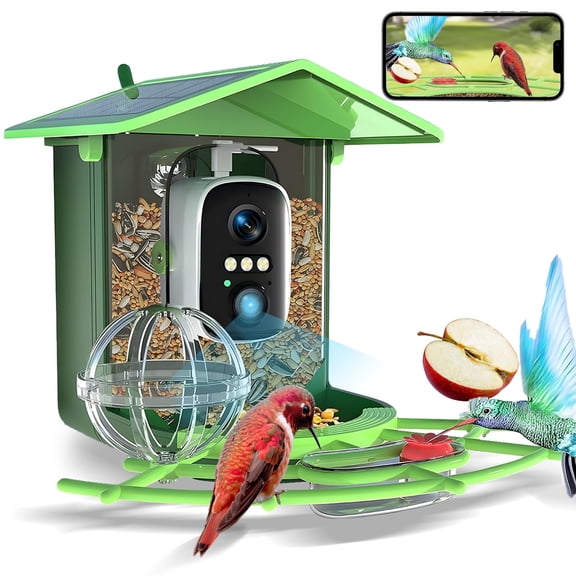
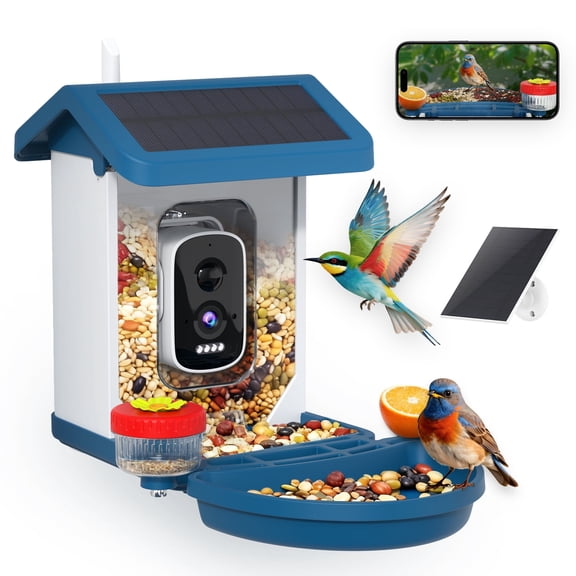


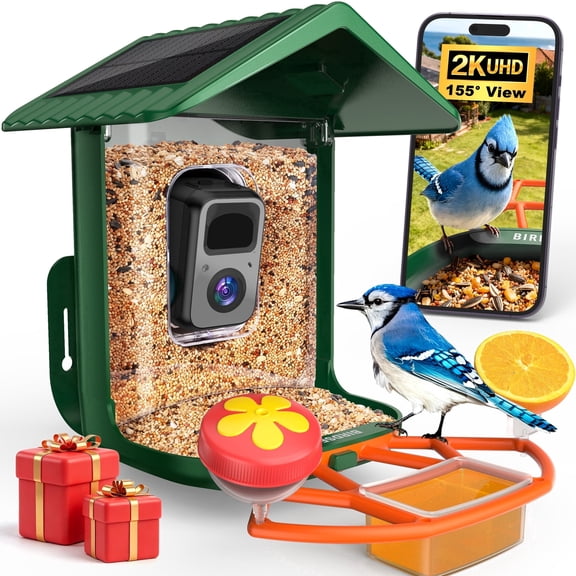
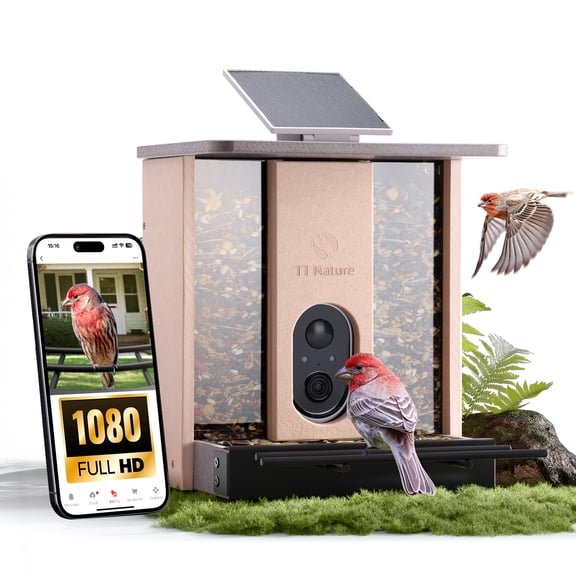












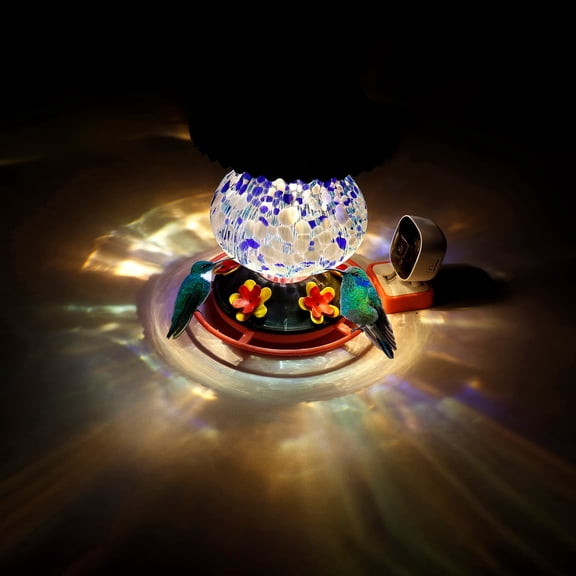


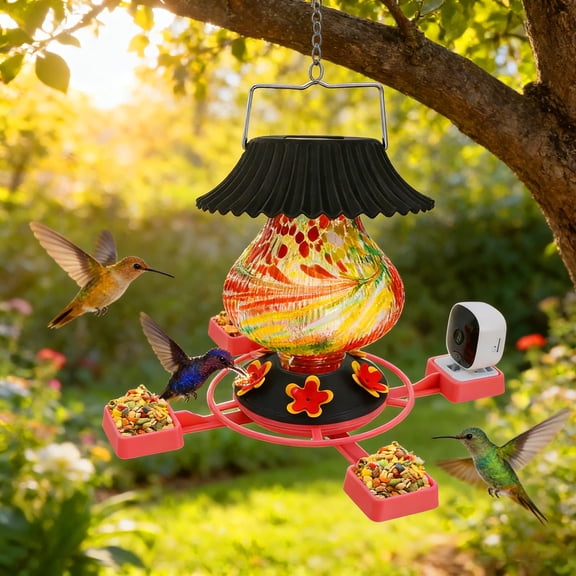


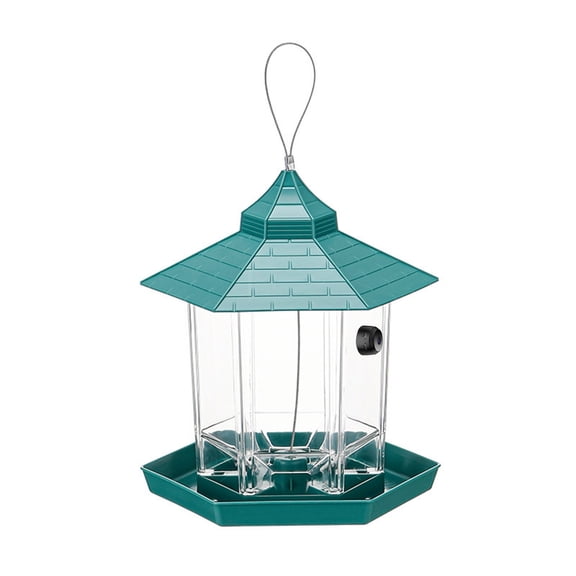
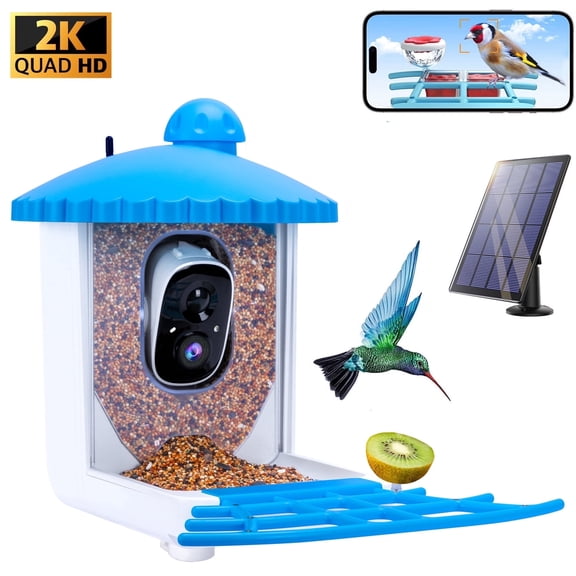




About Smart Birding Supplies for Your Garden - Walmart.com
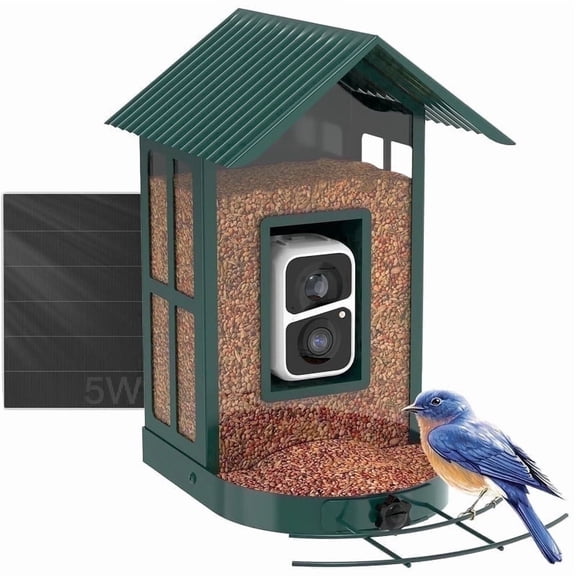
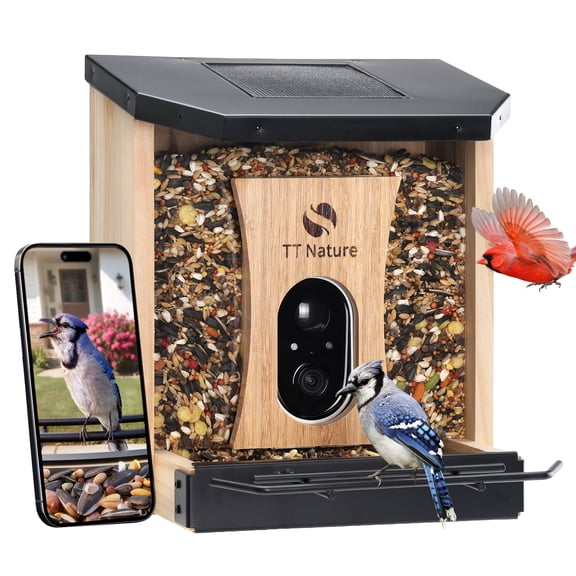
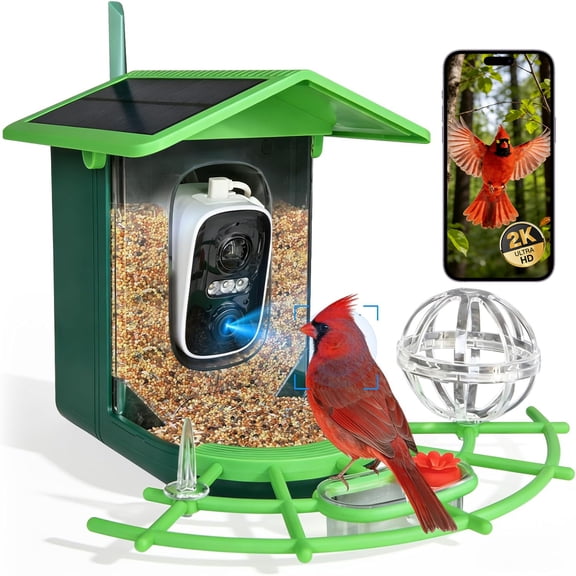
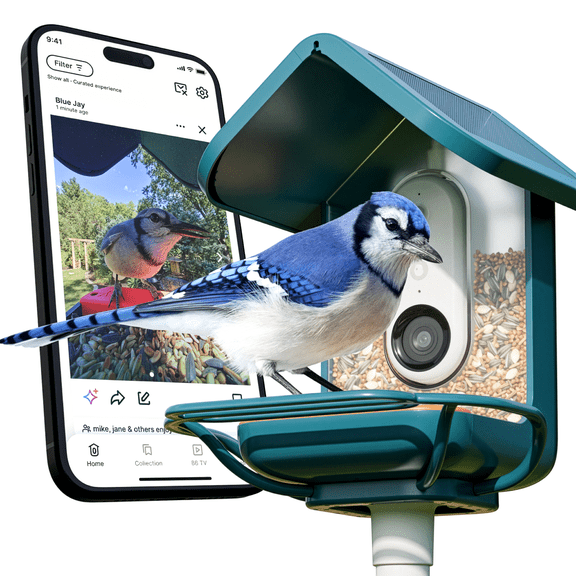
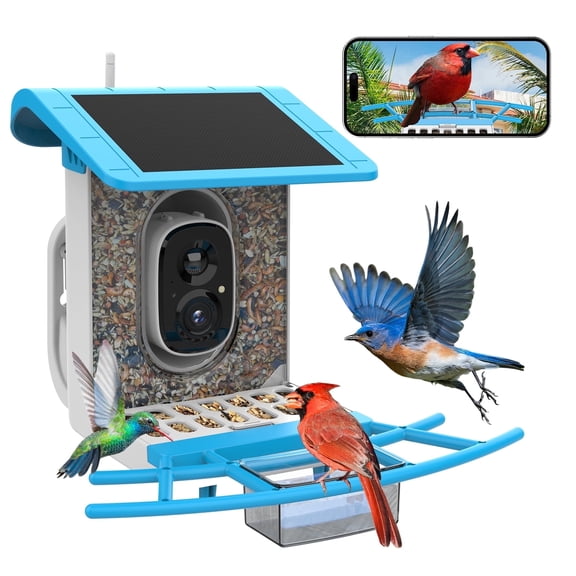
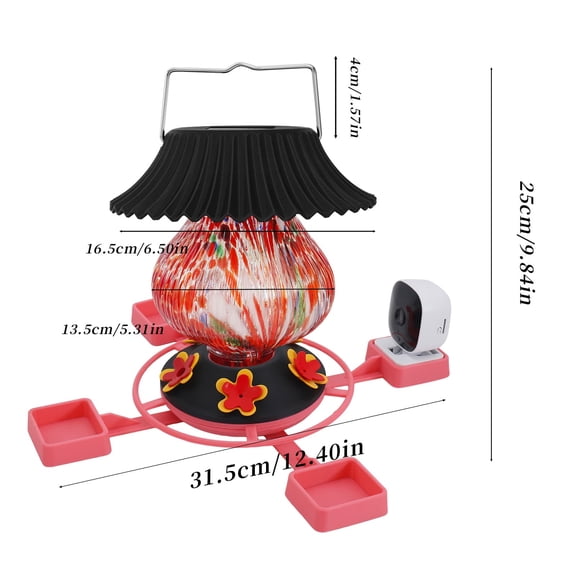
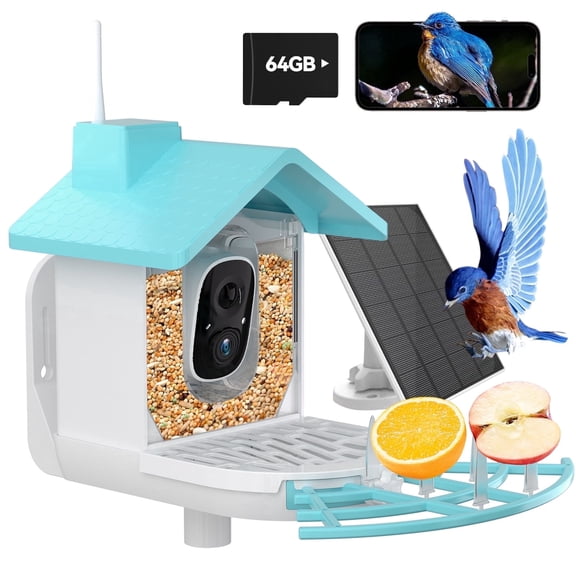
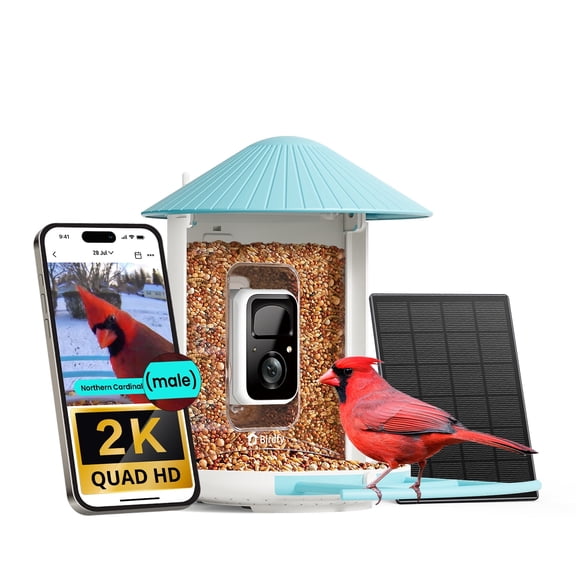
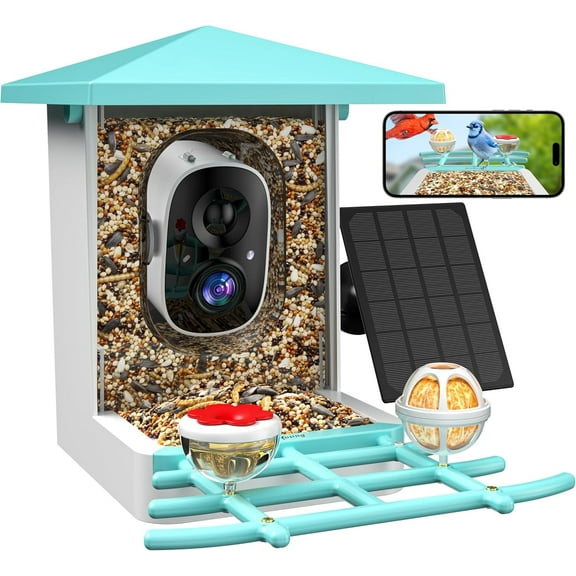
Smart birding helps you watch backyard visitors with clearer views, instant alerts, and smarter feeder tracking. You can compare camera feeders, connected bird houses, and wireless viewing tools for daily bird watching.
You may want an upgrade from a basic seed station when cardinals, finches, and woodpeckers visit at different times. You can find smart features that make each visit easier to spot, record, and review.
How to choose smart birding devices
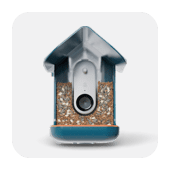
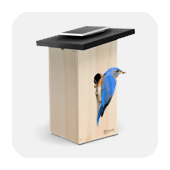
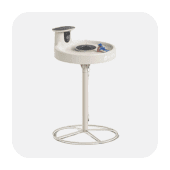
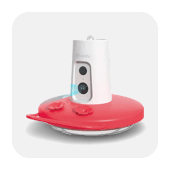
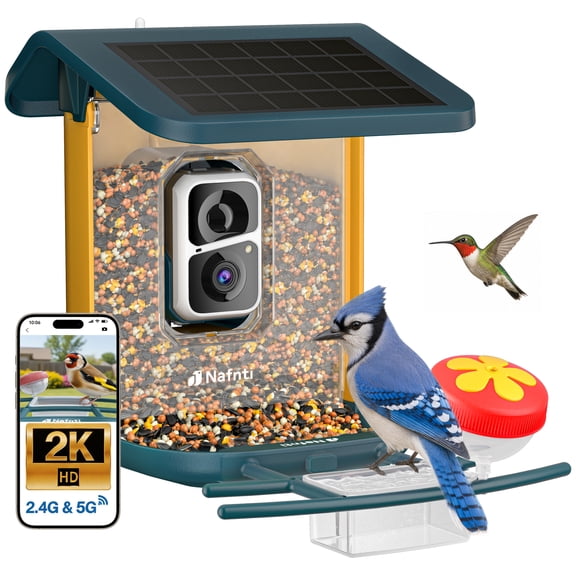
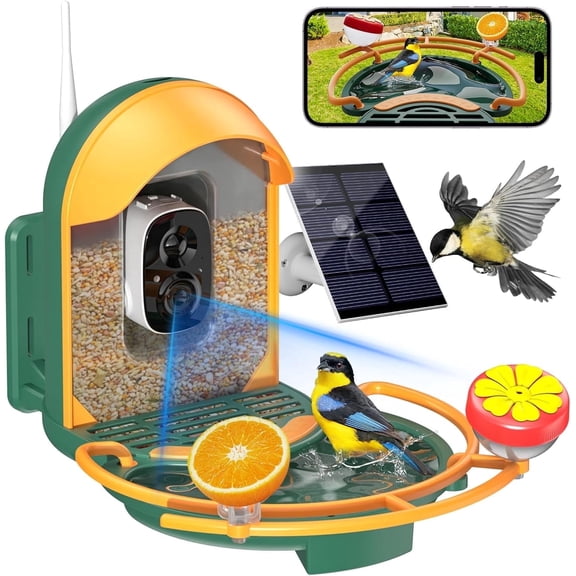
When you compare smart birding options, you should start with the device type that matches your setup. You may prefer a smart bird feeder, a bird feeder with camera, or a smart bird house.
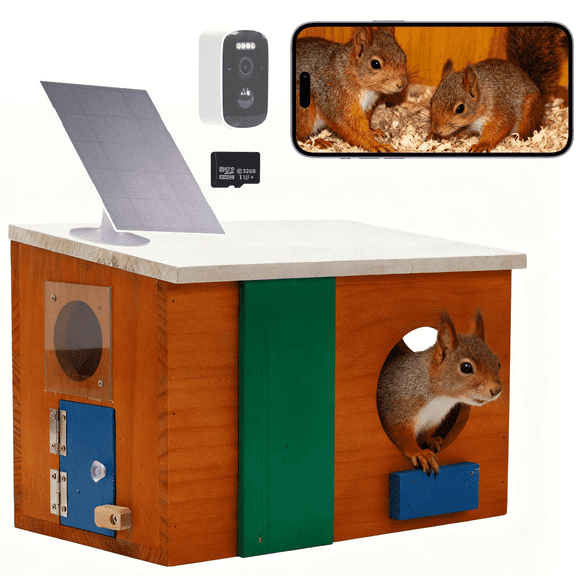
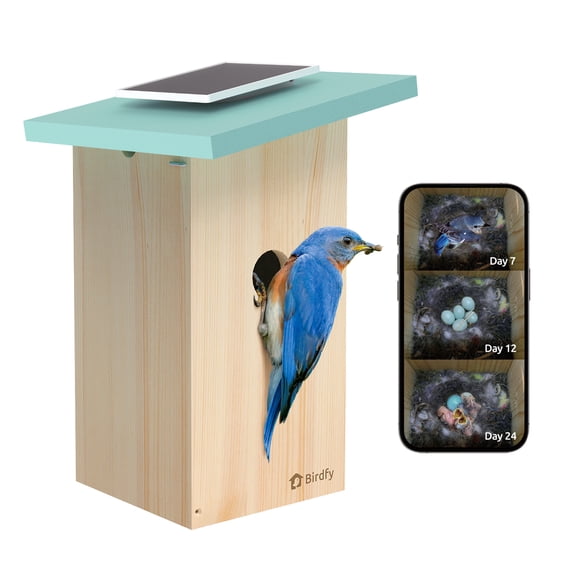
A smart bird feeder lets you watch feeding activity up close while you track repeat visitors. A smart bird house helps you monitor nesting behavior with a more sheltered viewing angle.
You can narrow choices faster when you focus on the decisions that shape daily use. You should compare power source, camera resolution, connectivity, AI tools, and weather-ready construction.
What you gain from a smart bird feeder
You get a closer look at feather patterns, beak shapes, and feeding habits without stepping outside. You can enjoy smart bird watching from your phone while birds keep visiting naturally.
Another benefit is better timing for seed refills and activity checks throughout the day. You can know when birds arrive, when feeders empty, and when motion starts near your perch.
You can also turn backyard birding into a shared hobby with saved clips and snapshots. You can have an easy way to revisit spring bird watching moments and gift-worthy highlights.
- You can spot visitors faster with motion-triggered alerts and live views.
- You can review clips later when birds arrive during work or early mornings.
- You can compare repeat visits to learn which seeds attract specific backyard species.
- You can choose solar or battery power based on how often you want to recharge.
Choosing power source and battery routine
You should check whether solar powered, battery operated, or hardwired options fit your outdoor space. You may prefer solar support if you want longer use with fewer manual charging sessions.
Battery operated models work well when you want flexible placement on poles, trees, or deck rails. You can move them more easily as bird activity changes across seasons.
Hardwired designs make sense when you have a fixed viewing area near an outlet or permanent mount. You should measure cable reach before you choose that setup.
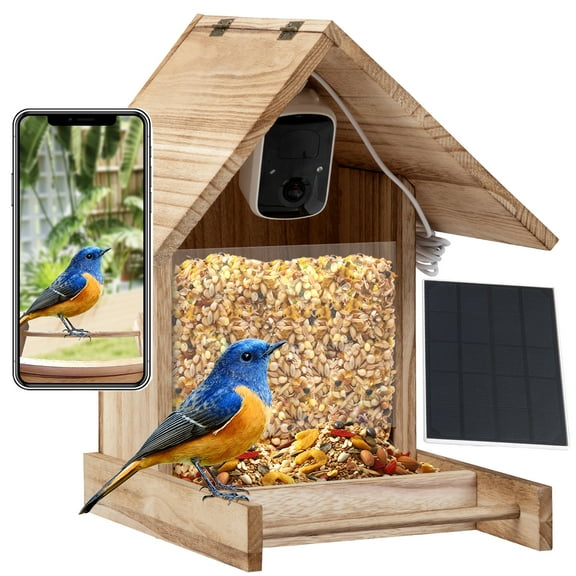
If you’re comparing solar smart bird feeder options, you should check panel placement and charging support. You may want direct light exposure for steadier operation during active birding hours.
Comparing camera resolution and viewing detail
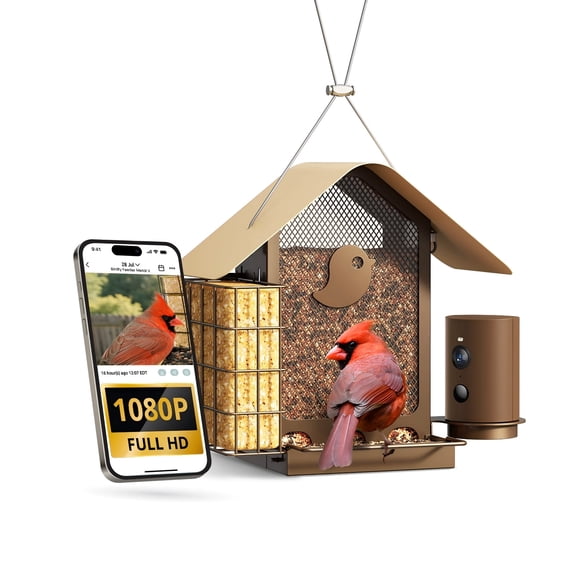
You should compare 720p, 1080p HD, and 4K based on how much detail you want. You can notice clearer feather texture and beak markings as resolution increases.
A 720p camera can work for simple viewing when you want basic motion clips and snapshots. You may prefer 1080p HD when you want a stronger balance of detail and file size.
If you want closer review of species markings, 4K can give you sharper playback on larger screens. You should also check storage and app support before choosing higher resolution.
An HD bird feeder camera can help you distinguish small field marks during busy feeder visits. You can have an easier time reviewing crown color, wing bars, and tail patterns.
Checking connectivity for your yard
You should confirm whether your device uses Wi-Fi enabled, Bluetooth, or cellular connections before you buy. You can choose the connection type that matches your yard layout and viewing habits.
Wi-Fi enabled models often fit home birding setups because you can stream clips through your network. You should check whether your device supports 2.4GHz, 5GHz, or dual-band connections.
A 2.4GHz signal often reaches farther outdoors, which can help when your feeder sits deep in the yard. You may choose dual-band support if you want more setup flexibility.
Bluetooth can help with nearby setup and quick pairing, but you should check its viewing limits. Cellular options may suit remote cabins or gardens where home internet doesn’t reach.
If you’re shopping for a wireless bird feeder camera, you should measure signal strength at the mounting spot. You can avoid weak streaming and missed clips when you test range first.
Understanding AI features and weather-ready design
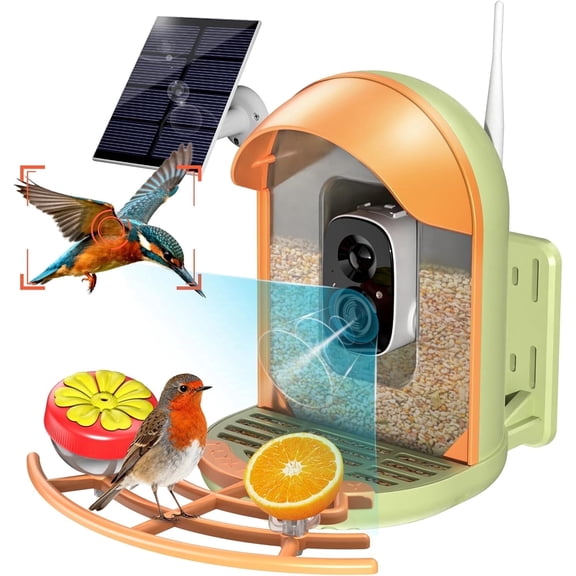
You should compare AI species identification, motion detection, and squirrel auto-deterrent tools based on your goals. You may want quick bird naming, simple activity alerts, or fewer interruptions at the feeder.
AI species identification can help you sort common visitors without flipping through a field guide first. You may still want a clear camera angle for more useful recognition results.
Motion detection helps you capture arrivals as they happen instead of recording long empty clips. You can review activity faster when your app tags movement at the perch.
Squirrel auto-deterrent features may matter if you want bird seed to stay available for songbirds. You should also compare perch design and housing shape for cleaner access control.
You can check weatherproofing details if your feeder stays outside through rain and wind. You can use IP ratings as a simple guide to outdoor readiness and exposed placement.
A wireless bird camera with sealed ports and covered charging points can fit changing weather better. You should look for sturdy mounts when gusts hit poles, rails, or tree brackets.
Matching smart bird watching tools to real use
You may want a bird feeder with camera for a patio rail where you can watch finches during breakfast. You can pair Wi-Fi support and 1080p video for clear daily viewing.
If your feeder sits far from the house, you may need stronger range or cellular support. You should also consider solar charging when manual access feels less convenient.
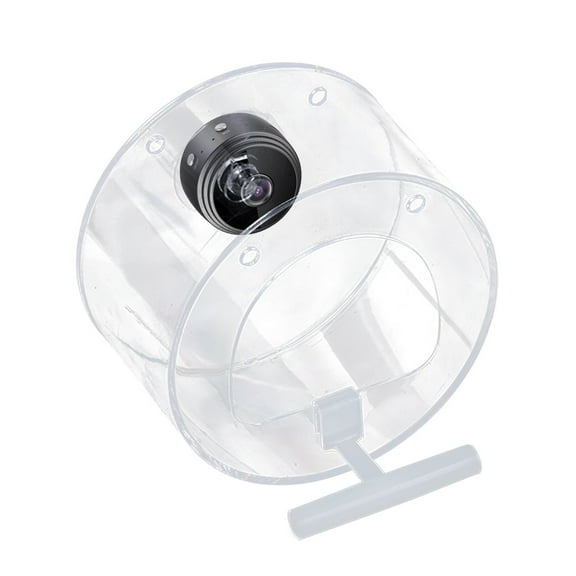
A smart bird house can fit families who want to observe nesting activity in a quieter corner. You may want a sheltered mount, stable signal, and weather-ready housing for that setup.
For gift giving, you may choose smart birding gear that blends simple installation with app-based viewing. You can make backyard birding gifts feel thoughtful for gardeners, hobbyists, and new homeowners.
During spring bird watching, you may prefer motion alerts that flag heavier feeder traffic and migration stopovers. You can have a more complete record when clips sync clearly with your app.
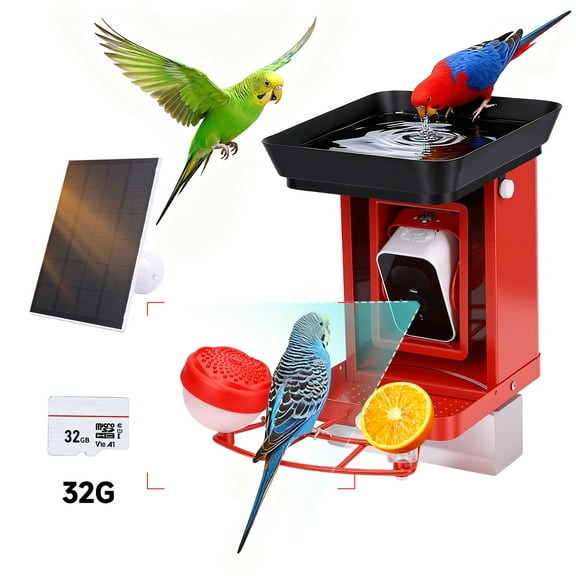
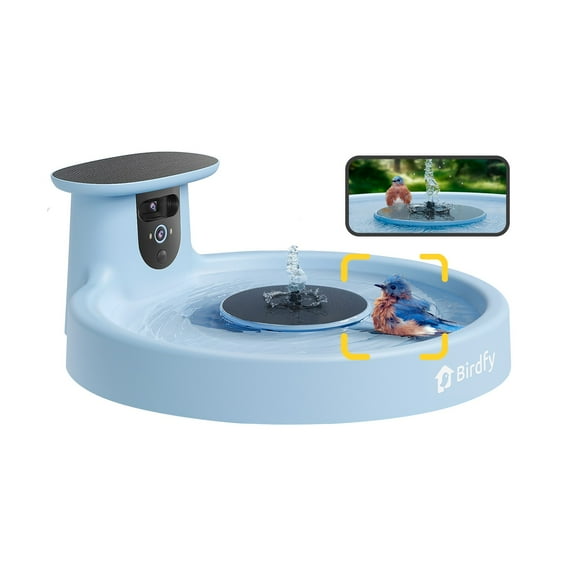
If you’re building a fuller habitat, you can pair your setup with bird food and seed, bird baths, or traditional feeders. You can create a more active yard with several ways to attract visitors.
With smart birding, you can turn ordinary feeder visits into clear, trackable moments throughout the season. You can choose with more confidence when you compare power, camera detail, connectivity, AI tools, and weather-ready design.