

RV Outlets in RV Electrical




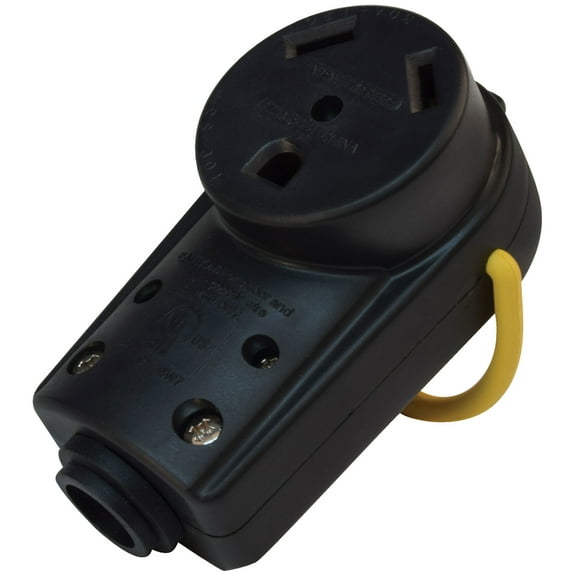


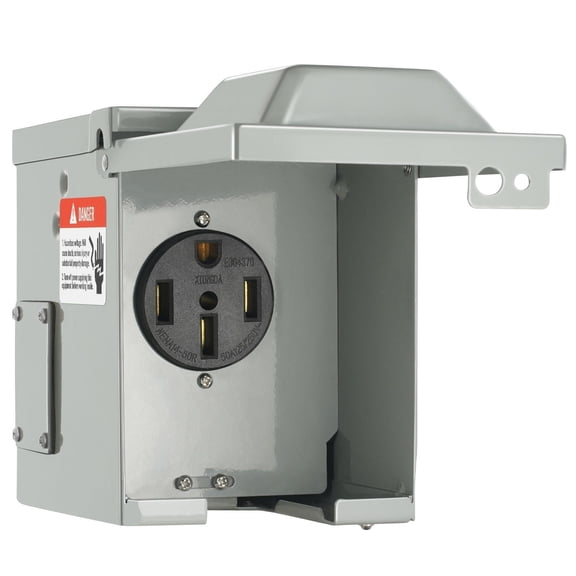
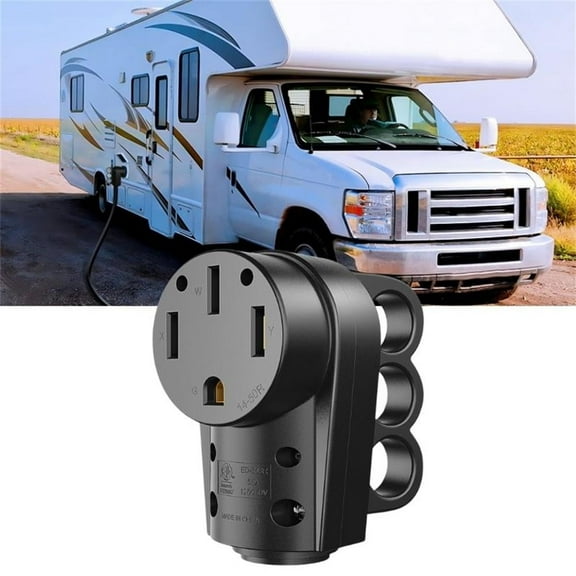


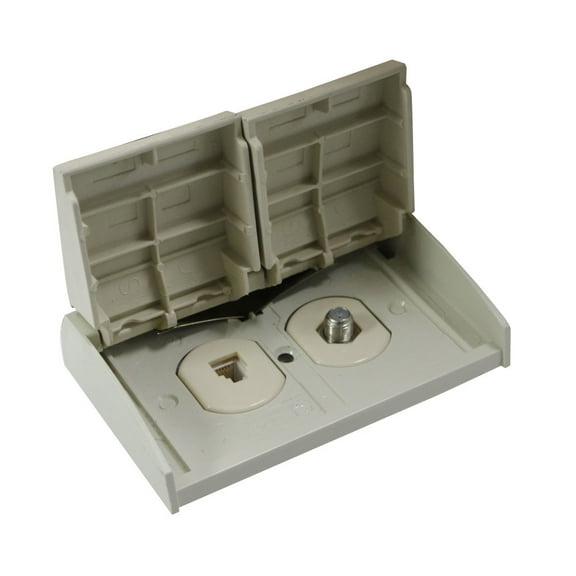







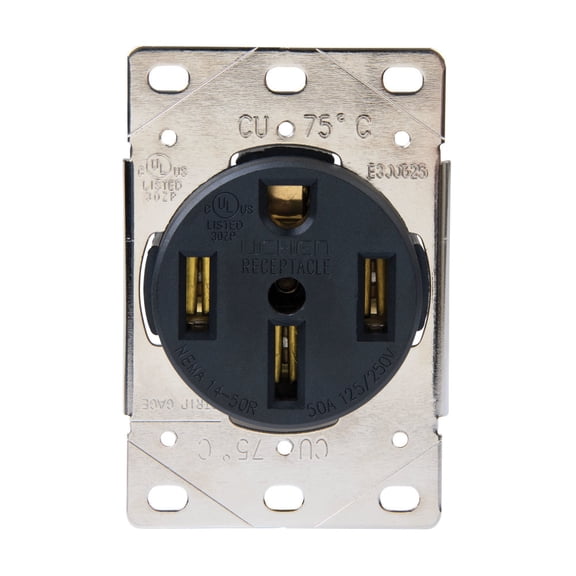


About RV Outlets in RV Electrical - Walmart.com
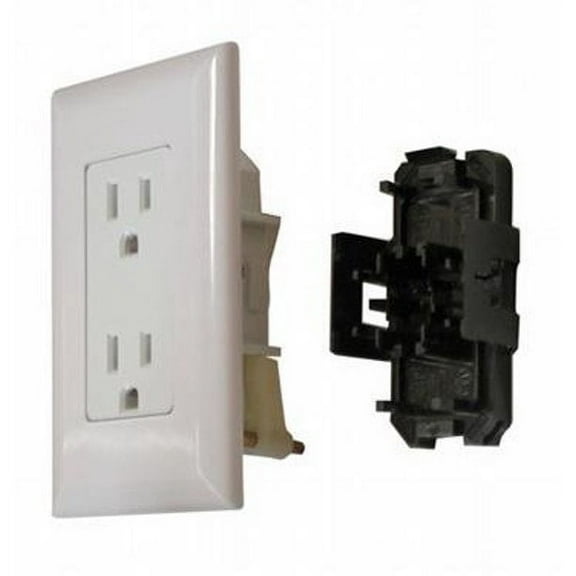
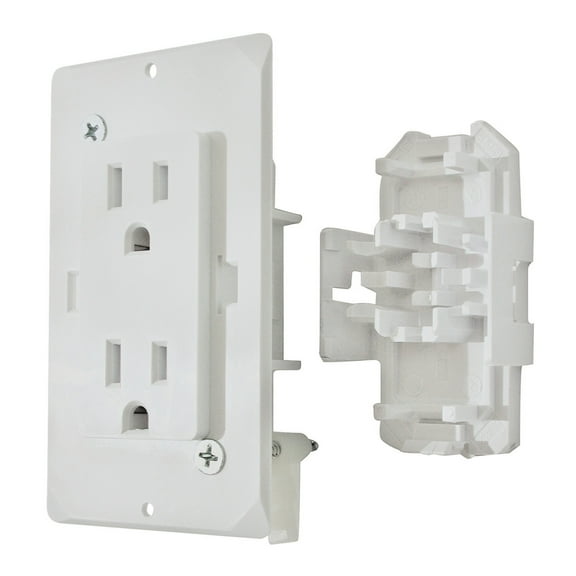
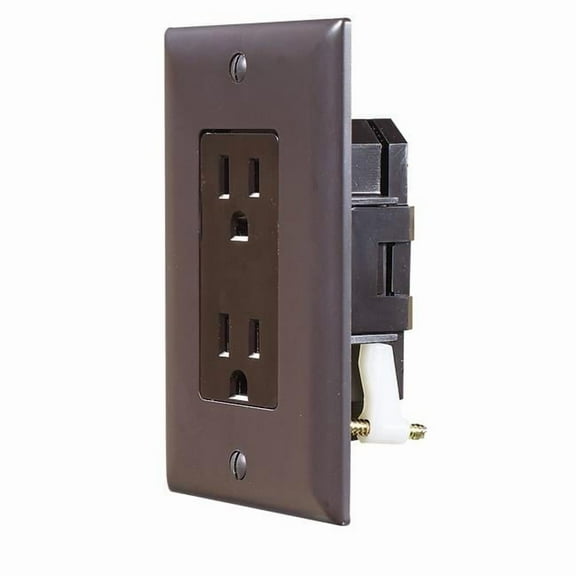
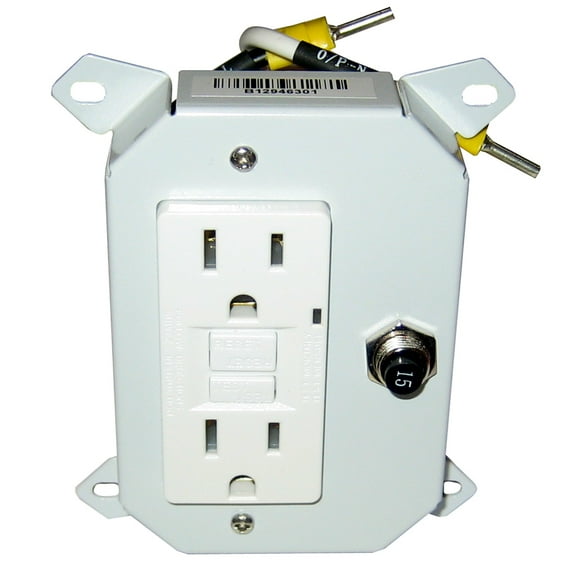
If you need an outlet for rv power updates, you can compare receptacles, covers, and inlet boxes by fit, voltage, and outdoor use. You’ll find options made for campers, travel trailers, motorhomes, and RV setups that need dependable shore power access.
Before you choose, you’ll want to match the outlet style to your existing electrical box and mounting space. You’ll also want to compare indoor and weatherproof designs, because wall location changes what your setup needs.
How to choose an outlet for rv power
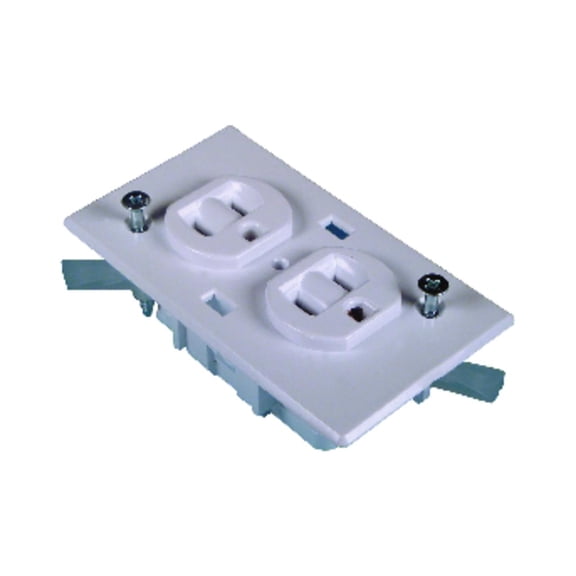
You should start with physical fit, because your cutout size and mounting style determine whether installation stays simple. You can check plate shape, screw placement, and box depth before you pick a replacement.
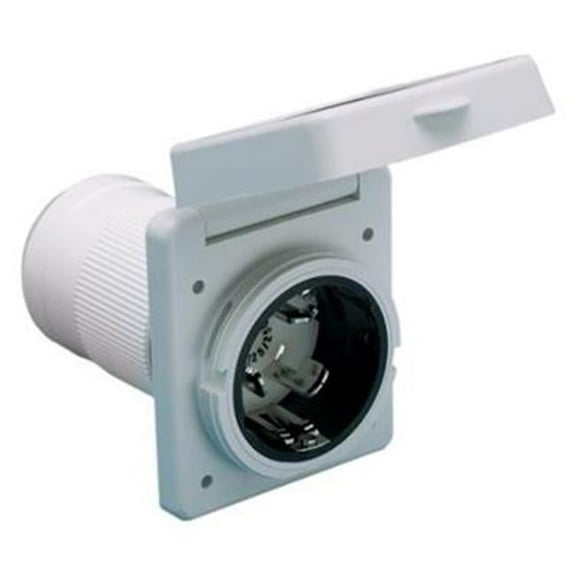
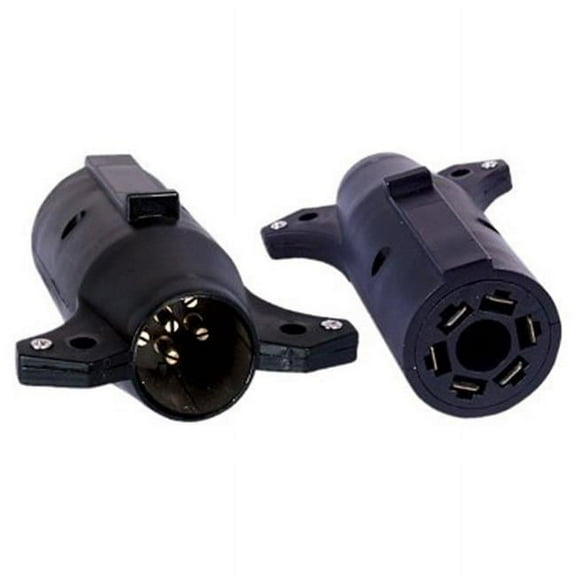
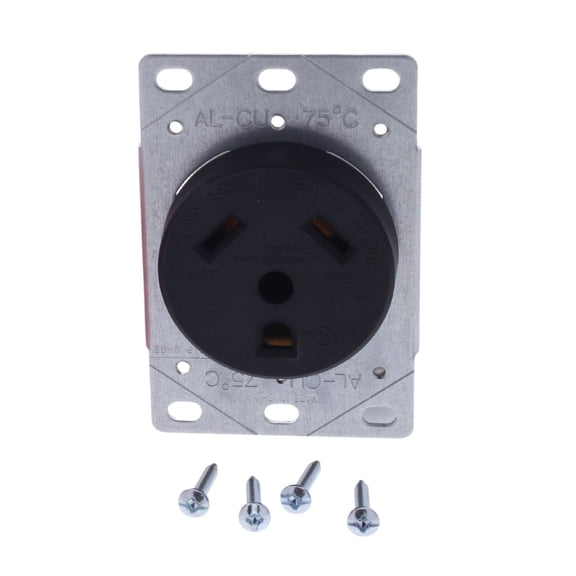
Another key decision is component type, because you may need a receptacle, a cover plate, or a power inlet box. You’ll use a receptacle for interior power access, while your inlet box connects your RV to external power.
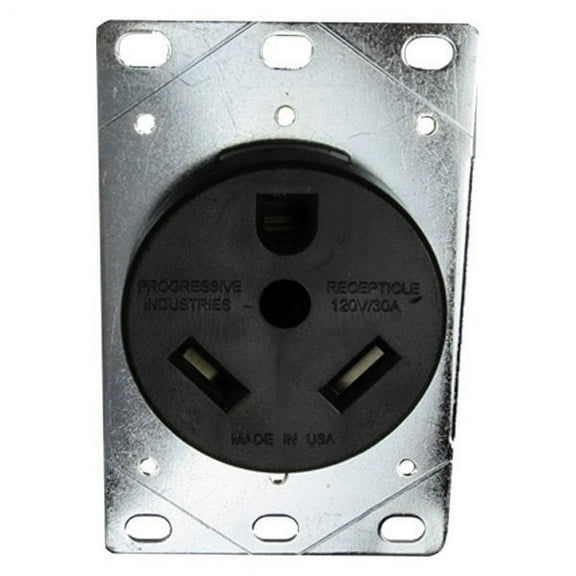
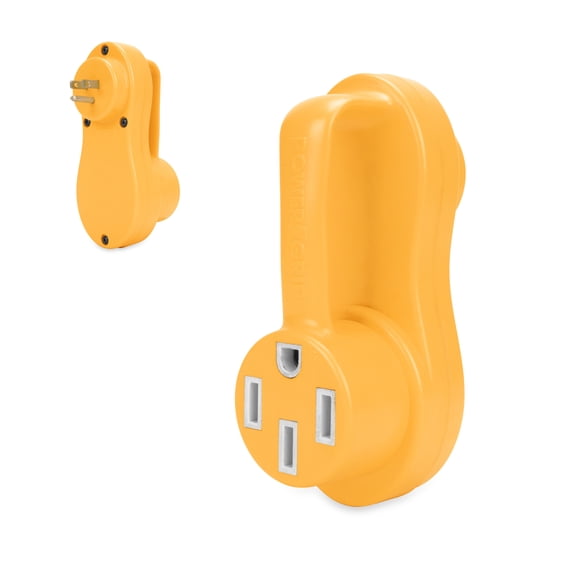
You should also compare amperage and plug style before you replace any rv electrical outlet part. You can match 15A, 30A, or 50A connections to your current power supply and cord configuration.
- You can use a receptacle when you need power access inside your camper or motorhome.
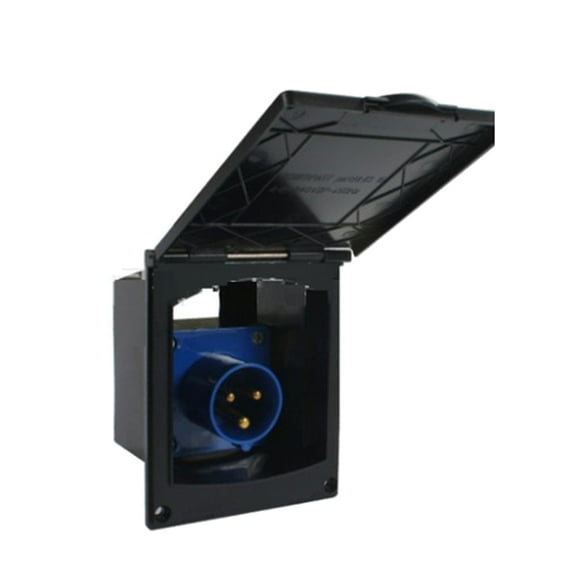
- You can add an rv outlet cover when you need extra protection for an exterior connection point.
- You can choose a power inlet box when your RV needs a dedicated shore power entry connection.
- You can check mounting dimensions to help your new part align with your existing electrical box.
Choosing voltage, amperage, and RV receptacle types
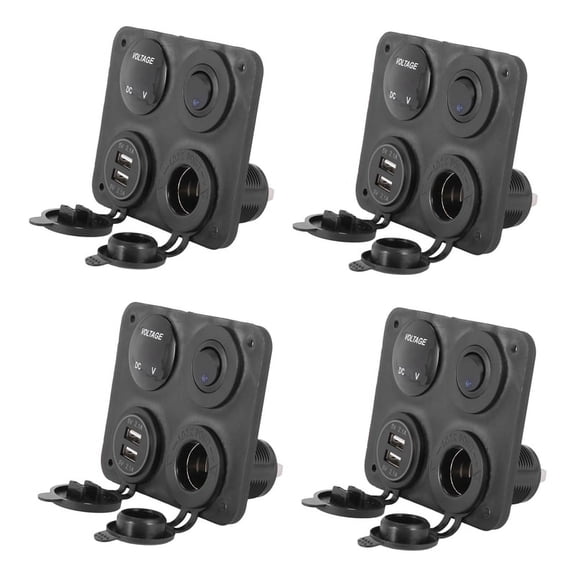
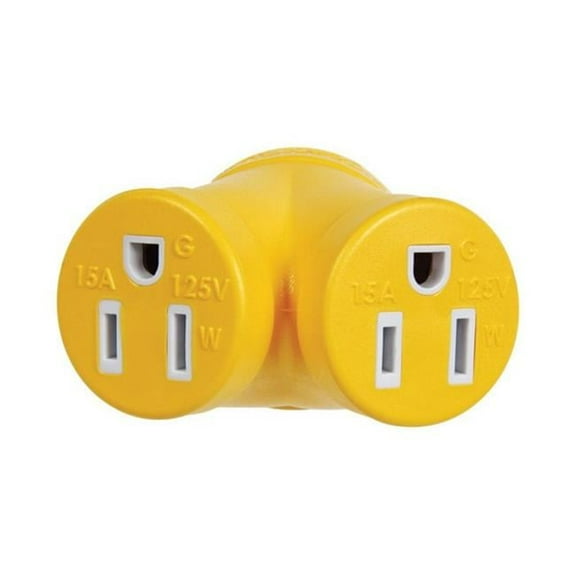
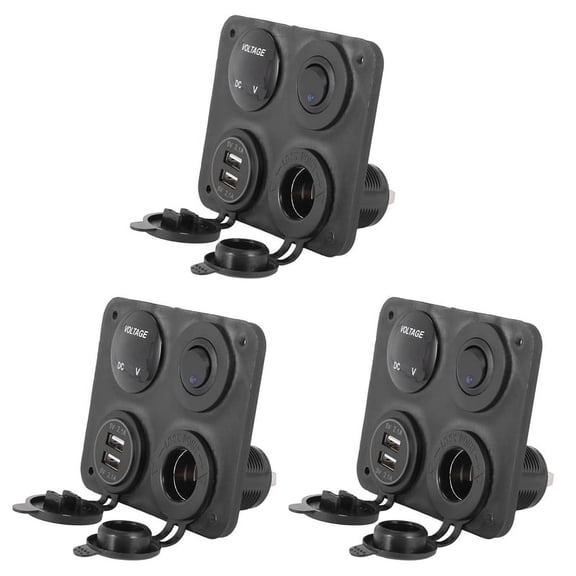
You’ll often compare 110V, 120V, and 12V options, because each one serves a different RV electrical task. You can use 110V and 120V household-style outlets for common plug-in devices, while 12V parts support low-voltage systems.
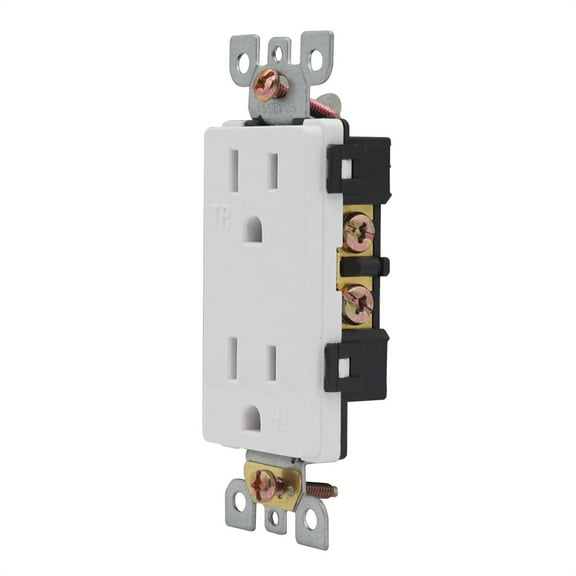
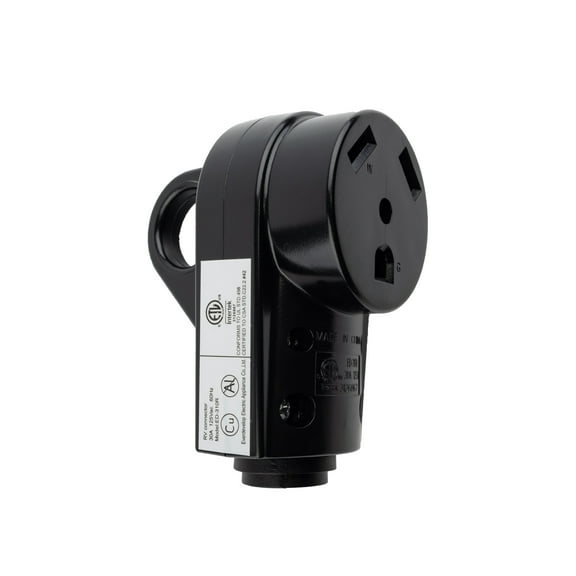
When you review an rv receptacle, you should check whether the rating matches your vehicle’s circuit and intended location. You can avoid guesswork when you compare the label, plug pattern, and terminal layout.
You may also need to compare 15A, 30A, and 50A configurations, especially if your trailer uses shore power hookups. You should match the existing service, because the blade pattern changes with higher amperage connections.
If you’re replacing an rv 120v outlet, you can look for clear wiring labels and familiar mounting hardware. You’ll appreciate simple terminal access when you’re working in a tight cabinet or wall panel.
What to look for in rv outlet cover and weatherproof designs
You should check location suitability next, because indoor and outdoor placements call for different protection levels. You can use a weatherproof housing or cover when your connection point sits on an exterior wall.
An rv outlet cover helps you shield the opening from road spray, rain exposure, and everyday campground conditions. You’ll want a hinged or gasketed design when you need easier access without leaving the outlet exposed.
If you’re updating an outside connection, you can look for NEMA information and weather-ready construction details. You should compare lid style, seal design, and mounting shape so your replacement fits cleanly.
You may also want a cover plate for indoor spaces where appearance and alignment matter. You can use matching plates to give your galley, sleeping area, or lounge wall a finished look.
Matching RV outlets to campers, trailers, and motorhomes
You can narrow choices by vehicle fitment, because camper outlets may sit in tighter walls than motorhome installations. You should measure the opening and depth first, especially when cabinetry or storage panels limit your working room.
In a travel trailer, you may need a compact receptacle for a kitchen wall, bunk area, or dinette charging spot. In a motorhome, you might need a power inlet box near the utility hookup panel.
If your RV has an exterior kitchenette or entertainment wall, you can prioritize a weatherproof rv outlet solution. You’ll get a cleaner setup when the cover closes securely and the mounting flange matches the cutout.
For older units, you may be replacing worn hardware rather than adding a new circuit location. You can focus on matching dimensions, voltage, and amperage so the part suits your existing system layout.
How installation details help you choose
You should review wiring access before you buy, because terminal placement affects how easily you can complete the job. You can look for labeled connections and a design that gives your hands room to work.
Mounting style matters too, since some parts fasten flush to the wall and others fit a box or inlet housing. You’ll want to compare screw positions and faceplate dimensions before you start your replacement.
If you’re handling a simple swap, you can often choose parts that mirror your current shape and rating. You’ll make selection easier when you check the old component for voltage, amperage, and plug configuration first.
With the right fit, rating, and weather protection, you can choose RV outlets that support cleaner installation and dependable campsite power access. You’ll feel more confident when your replacement matches your wall space, hookup style, and daily travel setup.