

Regular Planners in Shop By Size

















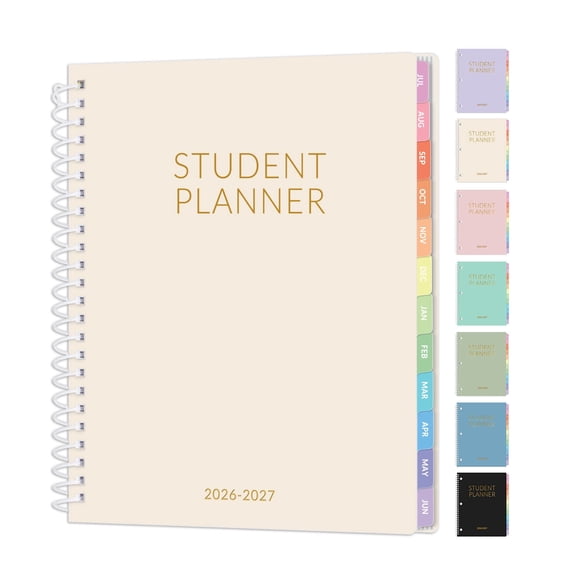


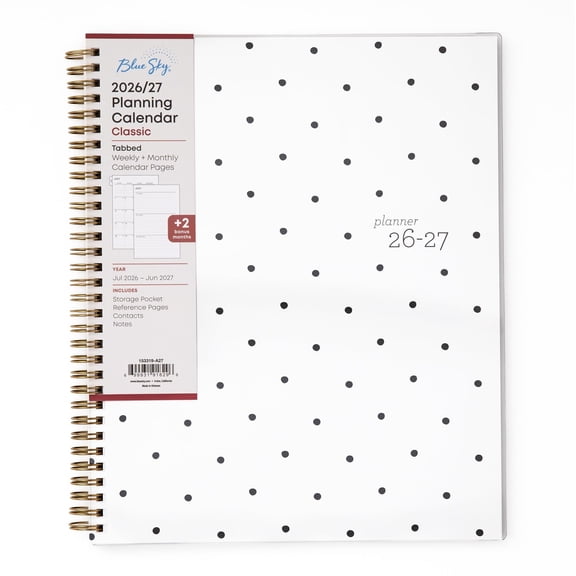


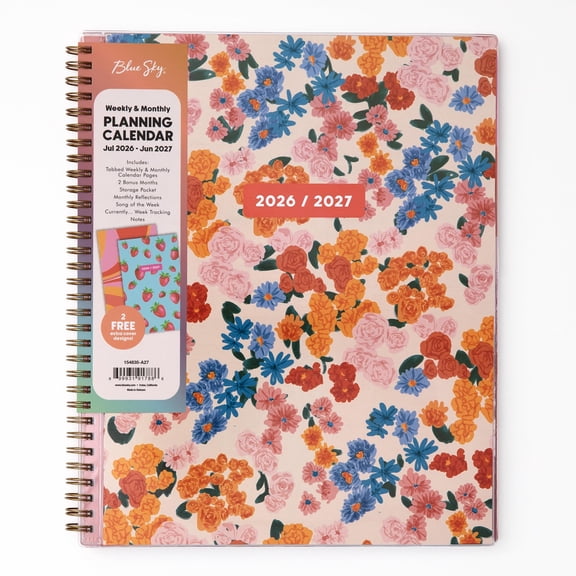


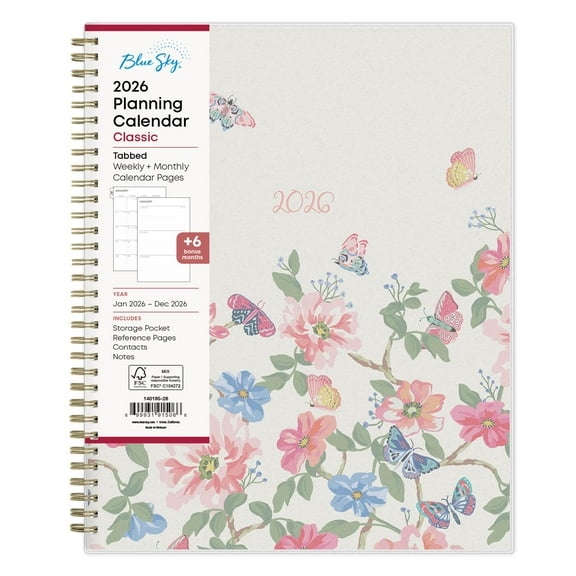
About Regular Planners in Shop By Size - Walmart.com
Regular planners give you writing space, clear layouts, and easy portability for school, work, and home routines. You can compare regular size planners by inches, layout, binding, cover, and date range before you choose.
You’ll usually see regular sizes around 8 x 10 or 8.5 x 11 inches, which gives you more room than pocket formats. You can fit class schedules, project notes, and appointments without cramped boxes or tiny margins.
How to choose regular planners by size
When you compare sizes, you should start with how your planner travels each day. You may prefer 7 x 9 or A5 for lighter carry, while 8 x 10 and 8.5 x 11 give you larger writing areas.
If you carry your planner in a backpack or tote, you should measure your usual bag first. You’ll often find regular size planners fit standard bags while still giving you full-page views.
You can use larger pages when your week includes meetings, assignments, meal plans, and family schedules. You’ll notice bigger pages make color coding, stickers, and margin notes easier to manage.
Choosing the right layout for your planning style
Your layout affects how clearly you can see tasks, events, and deadlines. You should match the page format to how detailed your days look.
- You may prefer weekly and monthly planners when you want a quick monthly snapshot and a fuller weekly breakdown.
- You may choose daily planners when your schedule needs room for lists, notes, and multiple appointments each day.
- You should consider hourly layouts when your day runs on time blocks, classes, or client meetings.
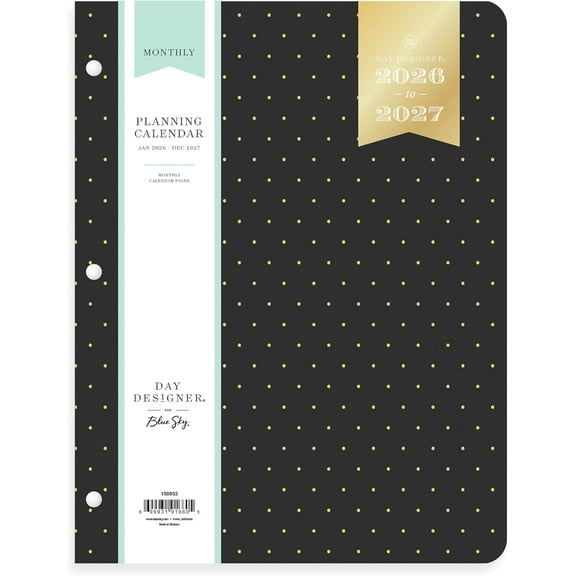
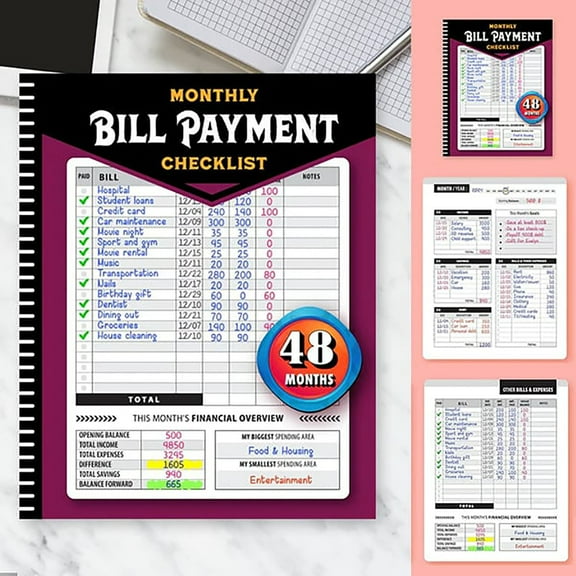
- You can pick monthly-only formats when you track due dates, bills, and events without detailed daily planning.
If your plans change often, you may want undated planners for flexible starts and skipped weeks. You can begin anytime without leaving several dated pages unused.
When you plan around semesters, you should check academic planners with school-year date ranges. If you follow January through December, you may prefer calendar year planners instead.
What to look for in paper and page quality
You should check paper quality if you write with gel pens, markers, or fountain pens. You’ll want pages that feel smooth and reduce show-through on the next side.
When you compare planner paper, you may see GSM listed in product details. You can treat higher GSM as a sign of thicker paper that often handles ink more cleanly.
If you write lightly with ballpoint pens, you may not need especially thick pages. If you layer colors or use bold inks, you should look for stronger paper support.
You can also check page design details like lined notes sections, goal pages, tabs, and reference calendars. You’ll often appreciate these extras when your planner doubles as a daily organizer.
Comparing binding and cover decisions
Your binding choice affects how your planner opens, stores, and carries through busy weeks. You should compare lay-flat use, page turning, and how the edges feel in your bag.
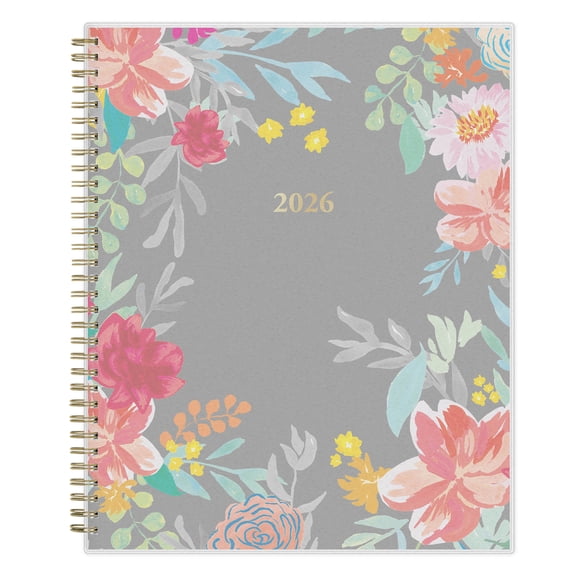
Spiral bound planners and wire-o formats usually open easily and rest flatter on your desk. You may like them if you write across a full spread and flip pages often.
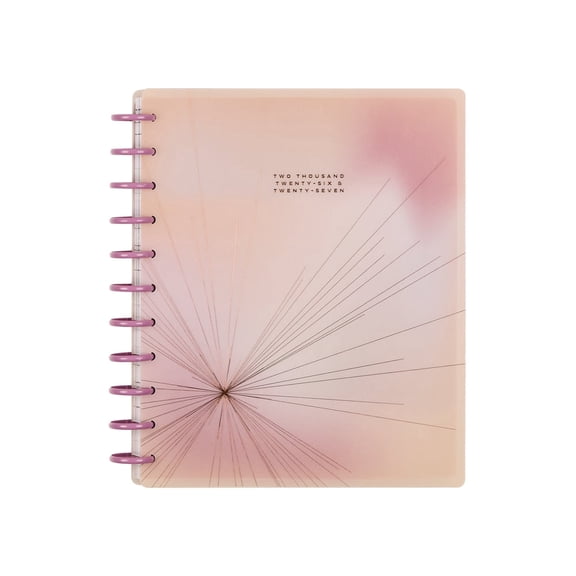
Discbound options let you move pages, which helps when your sections change through the year. Bookbound styles give you a cleaner edge if you want a tidier profile.
Your cover style matters too, especially if your planner travels every day. You may choose hardcover planners for structure, flexible plastic for lighter carry, or leatherette for a polished look.
Matching standard size planners to everyday routines
Standard size planners work well when your schedule needs more detail than compact formats allow. You can keep lesson plans, work tasks, and personal reminders together on larger pages.
If you’re balancing classes, clubs, and assignment deadlines, you may want academic planners with weekly and monthly views. You’ll get room for due dates, reading lists, and semester checkpoints.
When your workday includes appointments and follow-ups, you may prefer daily planners or hourly layouts. You can map each block of time and still leave space for notes.
If your household calendar includes activities, meals, bills, and events, you may want a monthly overview with weekly detail. You’ll see important dates quickly without losing day-by-day structure.
You can also choose spiral bound planners when you write at a desk and need pages to stay open. If you carry your planner in a tote, you may prefer bookbound covers with smoother edges.
For long planning cycles, you should compare academic year, calendar year, and 18-month formats carefully. You’ll avoid replacing your planner too early and keep your timeline aligned.
Why regular planners fit detailed scheduling
Regular planners make sense when you need clear writing space, practical layout choices, and everyday portability. You can narrow your pick faster when you compare size, paper, binding, cover, and date range together.
With the right format, you’ll keep appointments, projects, and personal plans in one place. You can stay organized with pages that suit how your schedule actually works.