


Find auto parts that fit
Let’s search for parts that fit your vehicle.Quick Time in Holley Brands
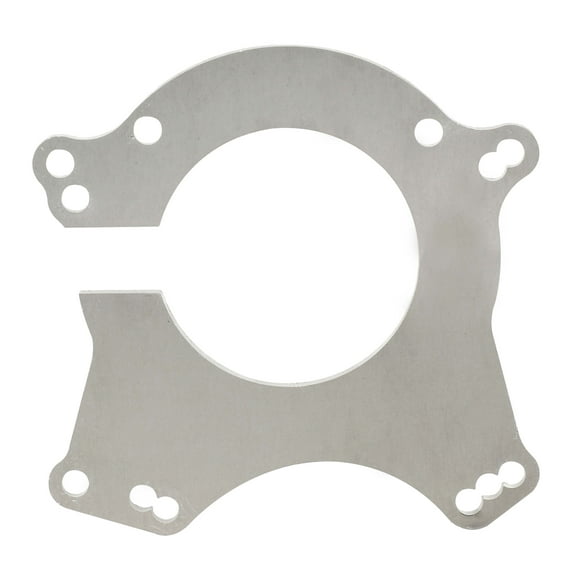

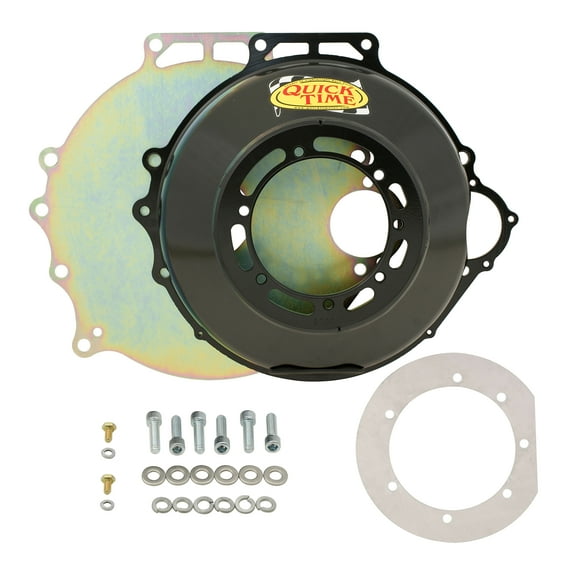
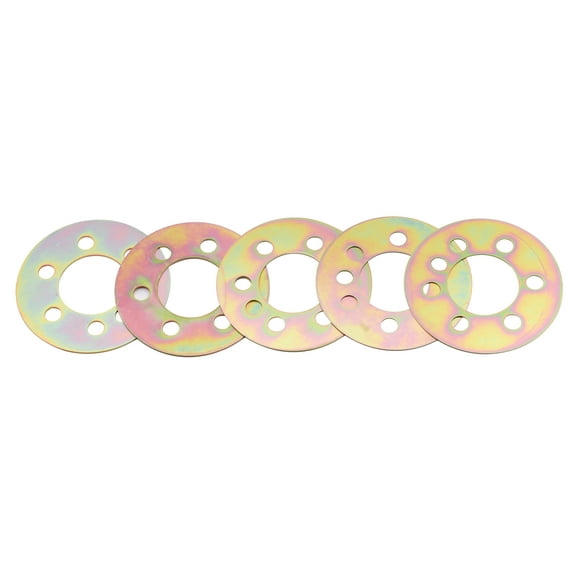
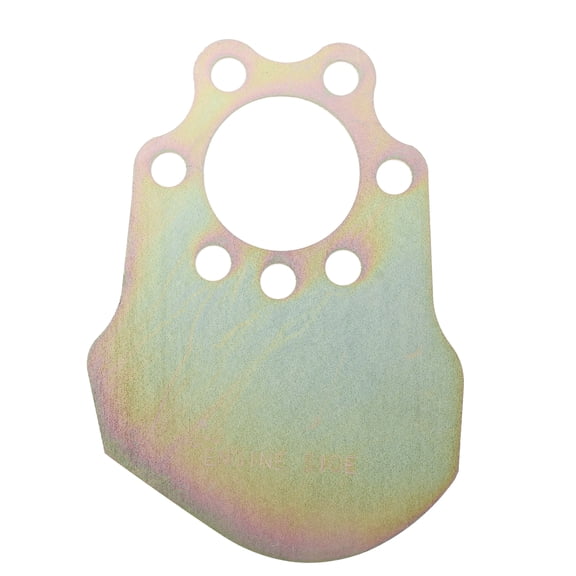









About Quick Time in Holley Brands - Walmart.com
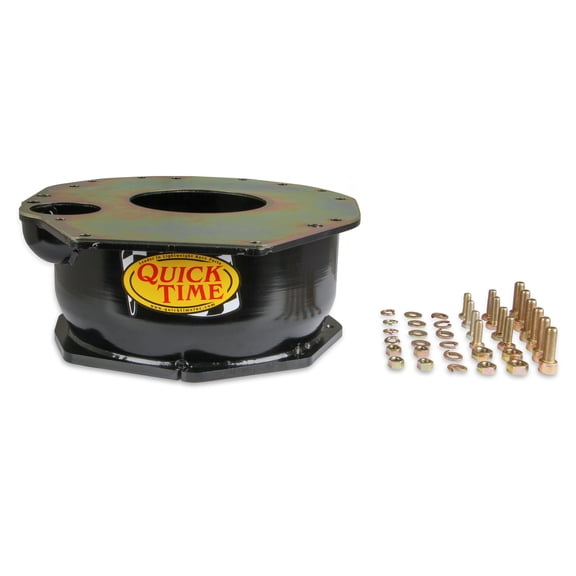
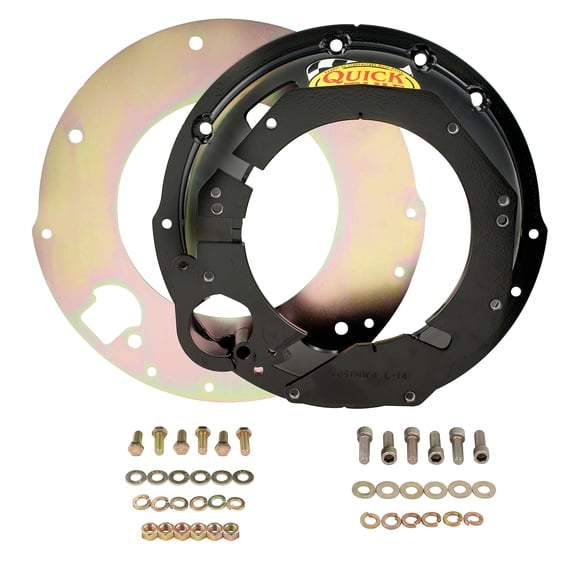
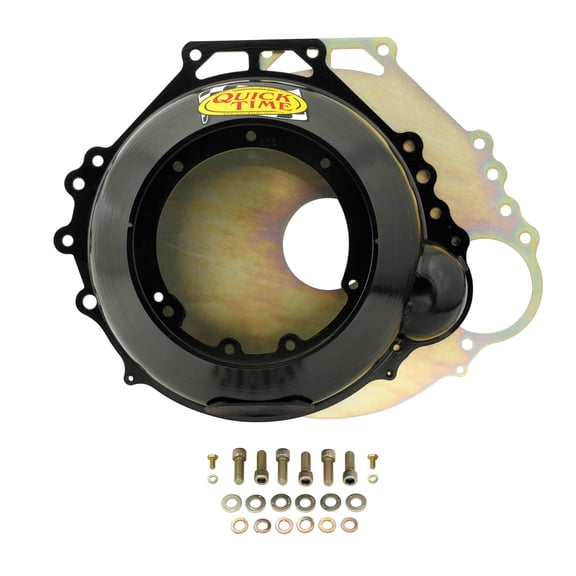
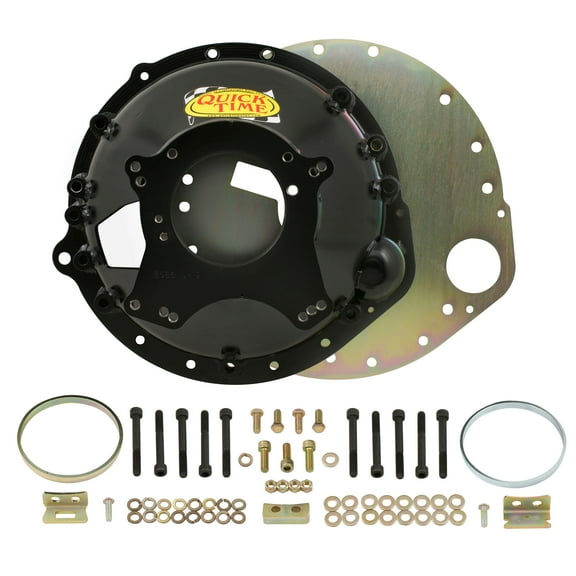
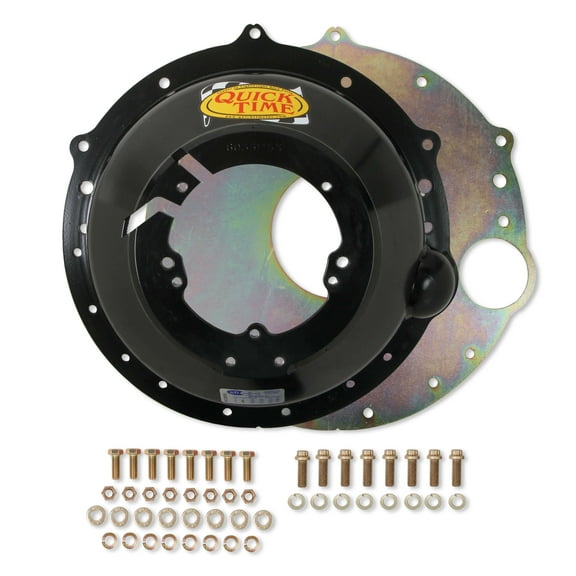
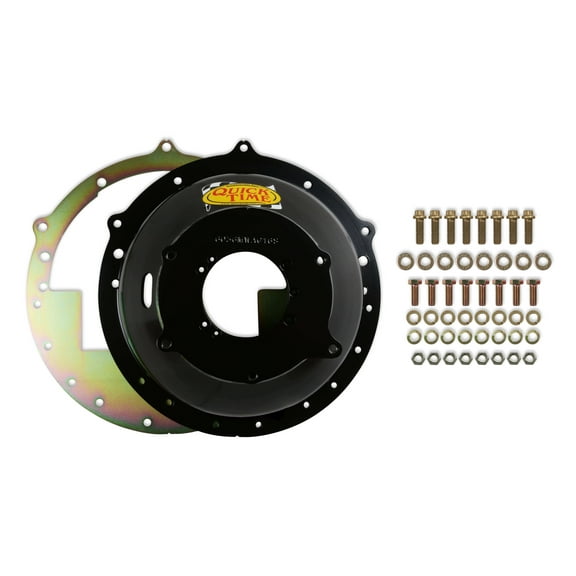
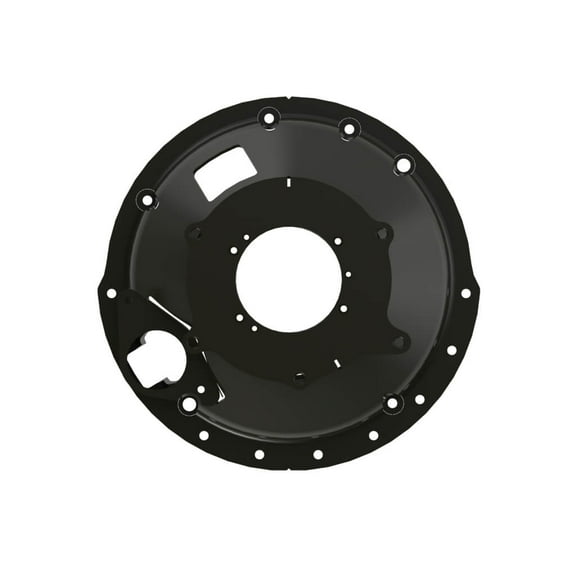
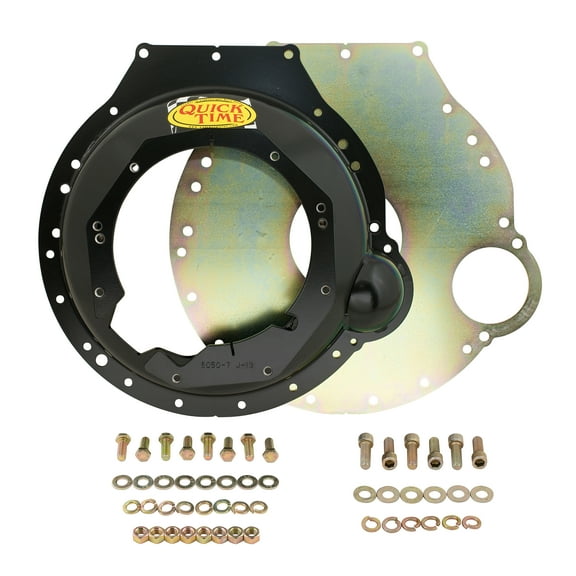
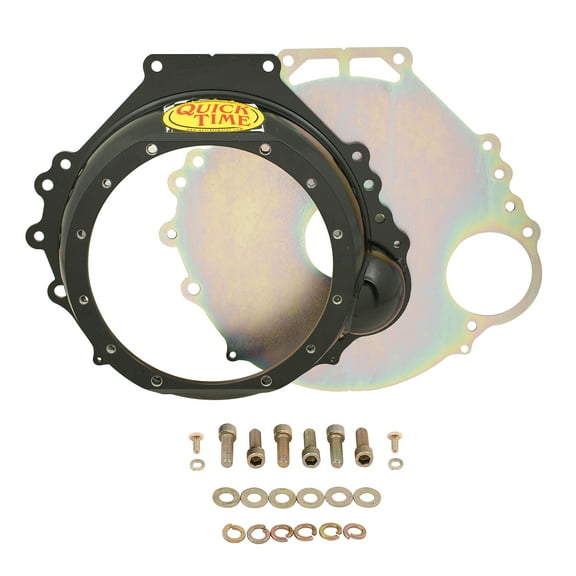
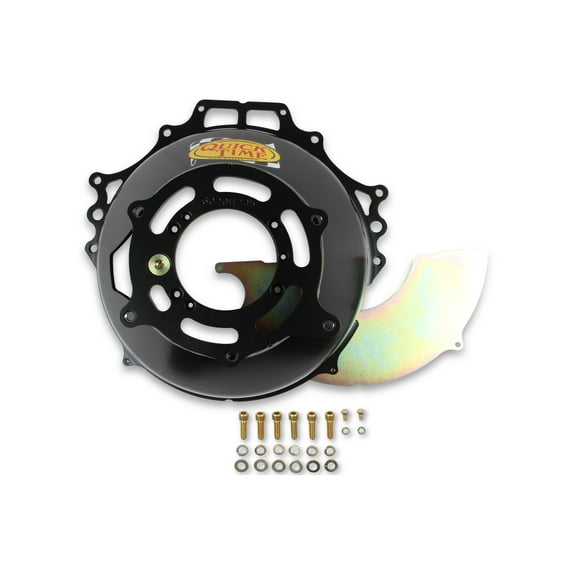
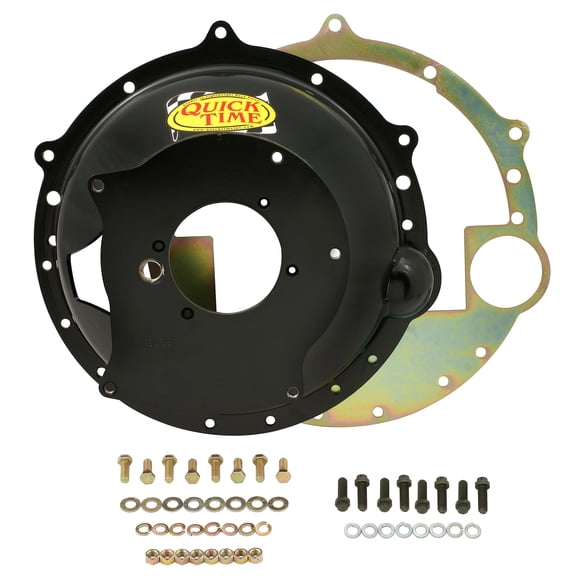
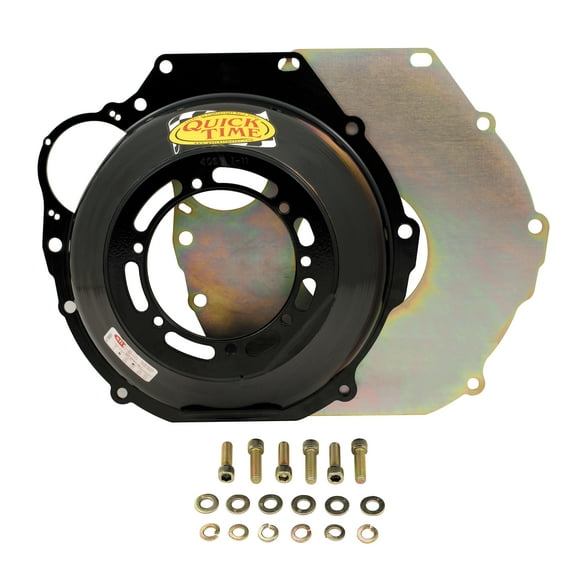
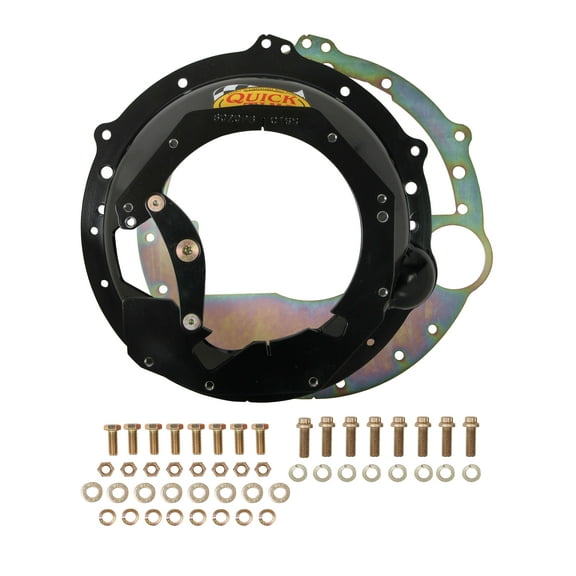
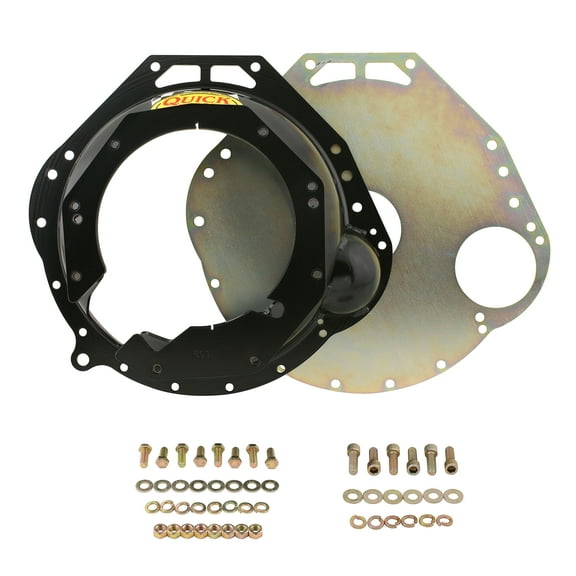
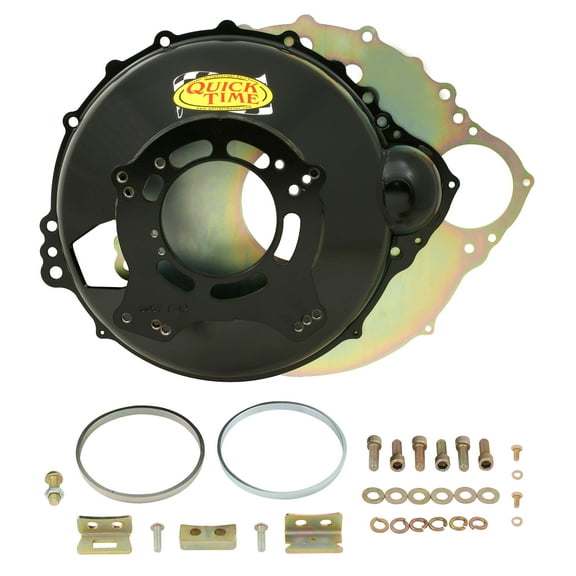
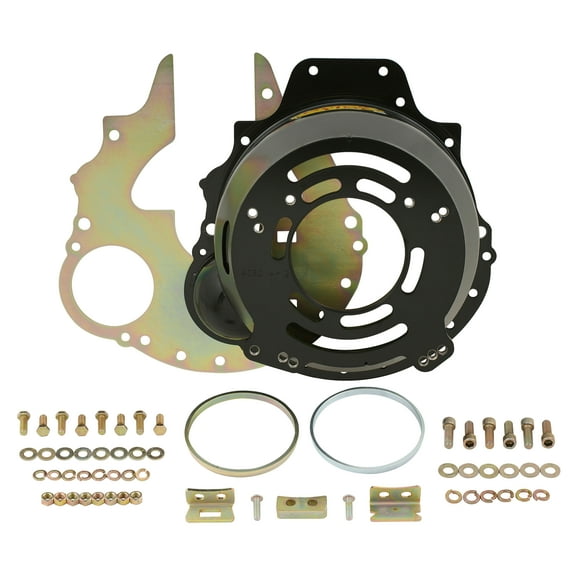
Quick time bellhousings help you match your engine and transmission with fitment details that matter on street and track builds. You can compare SFI ratings, engine families, and clutch setups here, so your project stays focused on the right parts.
How to choose quick time bellhousings
When you compare quick time bellhousings, you should start with your engine family and transmission type. You’ll want the right bolt pattern, input shaft length, and pilot bearing depth before you choose anything else.
Material also shapes how your setup feels and fits. You may prefer spin-formed steel for formed strength, cast aluminum for lighter builds, or billet steel for rigid drivetrain alignment.
SFI certification is another key decision for performance builds. You should check whether your class or track rules call for an SFI 6.1 or SFI 6.2 housing.
- You can narrow fitment by matching GM LS, Ford small block, or Mopar Hemi engine patterns.
- You should compare T56, Tremec, Muncie, and Powerglide compatibility before choosing an adapter or bellhousing.
- You may need hydraulic clutch or mechanical linkage support, depending on your pedal and fork setup.
- You can also check starter clearance and mounting style for block-mounted or bellhousing-mounted designs.
Choosing material and quick time sfi bellhousing options
Material affects clearance, rigidity, and build style, so you should compare it early. You’ll often see spin-formed steel on performance builds where precise shape and compact packaging matter.
If your project needs a lighter housing, you may look at cast aluminum options. If your drivetrain uses higher torque loads, you may consider billet steel for a more rigid connection.
A quick time sfi bellhousing gives you a clear way to match your part to racing requirements. You should check the listed SFI level because 6.1 and 6.2 ratings fit different rulebooks.
Non-SFI options can still fit many street-focused builds where certification isn’t required. You should compare your intended use before you choose between certified and non-certified configurations.
Matching engine family and transmission type
Your engine family drives the first fitment decision because each block uses a specific bolt pattern. You should verify whether your build uses GM LS, Ford small block, or Mopar Hemi mounting points.
Your transmission choice matters just as much because bellhousing depth affects clutch engagement and input shaft position. You’ll want to compare T56, Tremec, Muncie, and Powerglide compatibility before you finalize your setup.
A quick time transmission adapter can help you bridge combinations that need a specific mating pattern. You should also measure pilot bearing depth because small differences can affect how your transmission seats.
Input shaft length is another decision-critical detail for manual combinations. You can avoid guesswork when you compare shaft reach, bellhousing depth, and clutch stack height together.
Checking clutch setup and starter clearance
Your clutch linkage determines which bellhousing features you should prioritize first. You may need hydraulic clutch support for modern pedal feel, or mechanical linkage support for classic driveline layouts.
If your setup uses a fork, you should confirm clutch fork window design and pivot compatibility. You may also search for a quick time clutch fork match when you’re replacing several drivetrain parts together.
Starter clearance can affect header space, block access, and overall packaging in tight engine bays. You should check whether your build uses a block-mounted starter or a bellhousing-mounted starter position.
Mounting position matters when you’re fitting performance headers or a compact tunnel area. You can reduce fitment surprises when you compare starter location with engine block and transmission case dimensions.
Build combinations and drivetrain accessories
If you’re building an LS project with a T56, you’ll usually focus on bellhousing depth, fork clearance, and starter location first. You should also review quick time bellhousing ls fitment details before choosing related hardware.
For a classic muscle build with a Muncie, you may prioritize mechanical linkage support and period-correct transmission dimensions. You can compare housing style and adapter needs to keep pedal feel and alignment consistent.
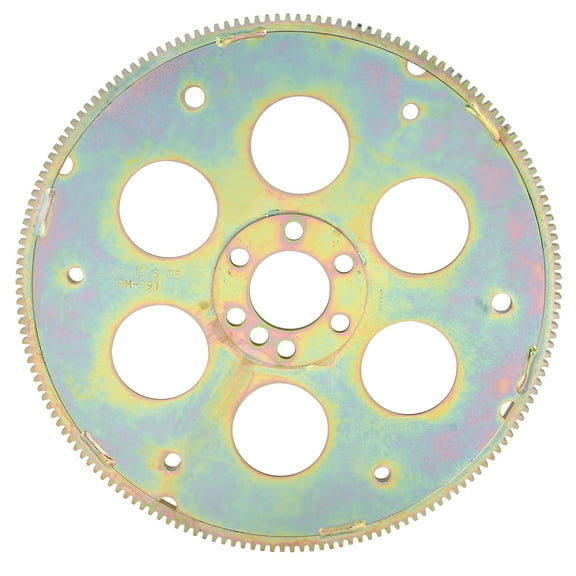
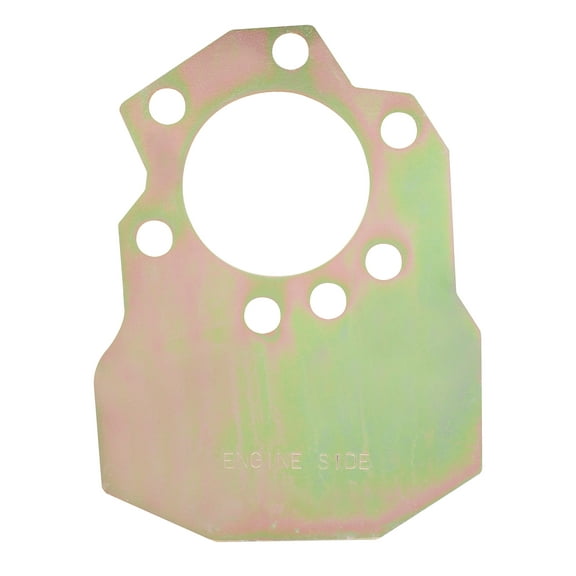
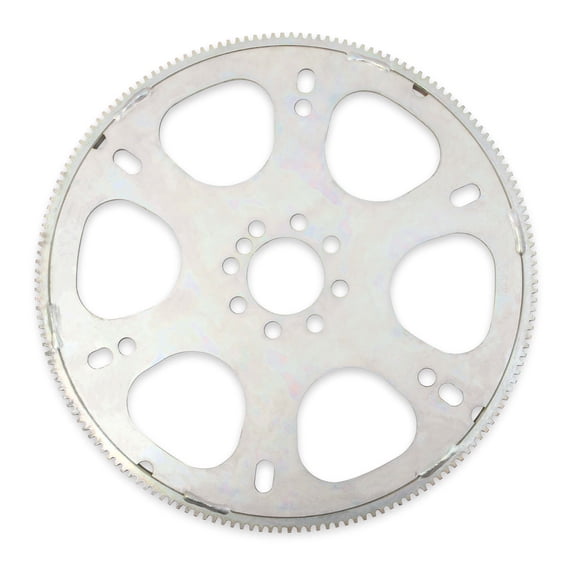
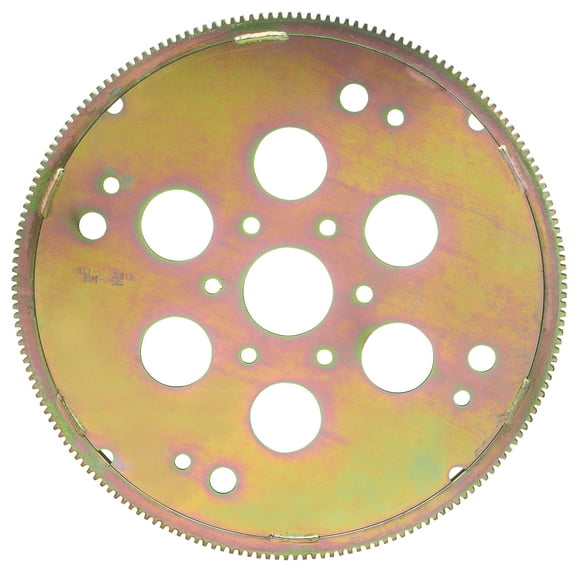
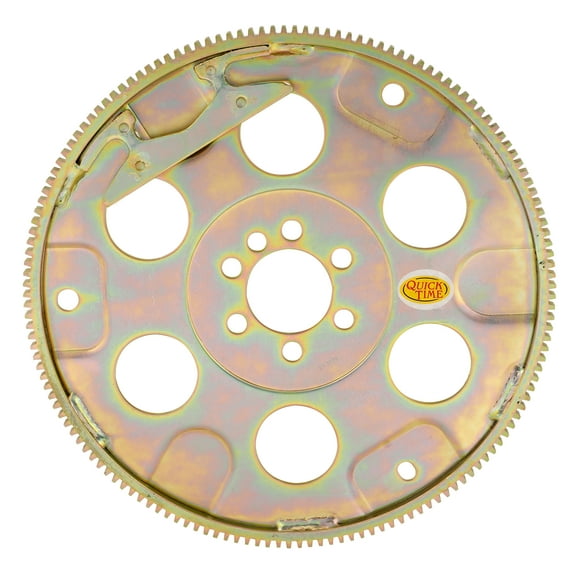
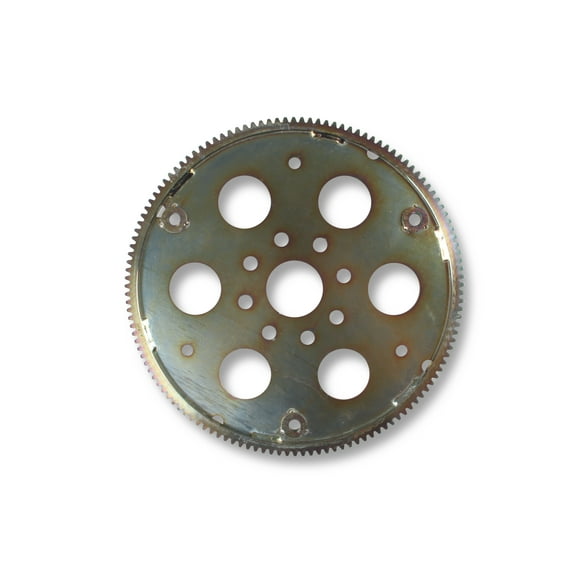
If your project uses an automatic transmission, you may look for adapter and flexplate compatibility together. You should confirm whether a quick time flexplate works with your converter pattern and engine flange setup.
You may also compare holley quick time listings when you’re building around a broader performance drivetrain plan. You can keep your combination tighter when your bellhousing, adapter, and clutch parts follow the same fitment path.
With quick time bellhousings, you can focus on fitment, certification, and drivetrain layout with fewer unknowns. You’ll move closer to a clean engine-to-transmission match that supports confident installation and consistent alignment.