












Puzzles in Games & Puzzles








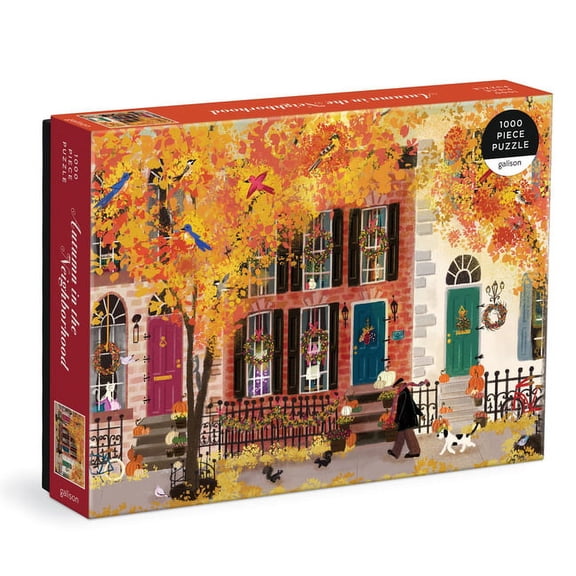
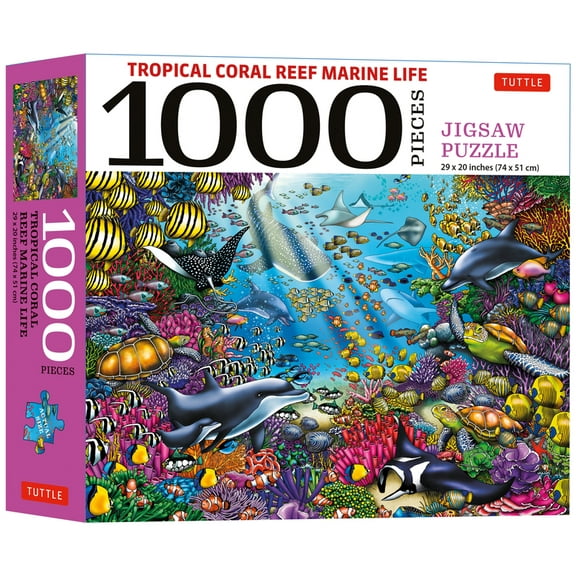
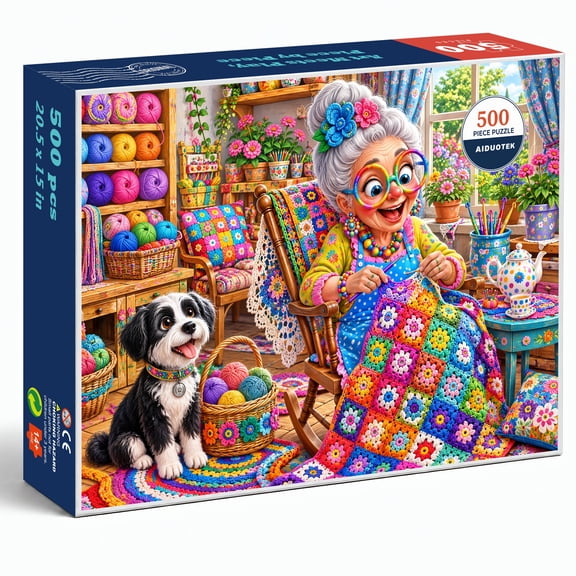


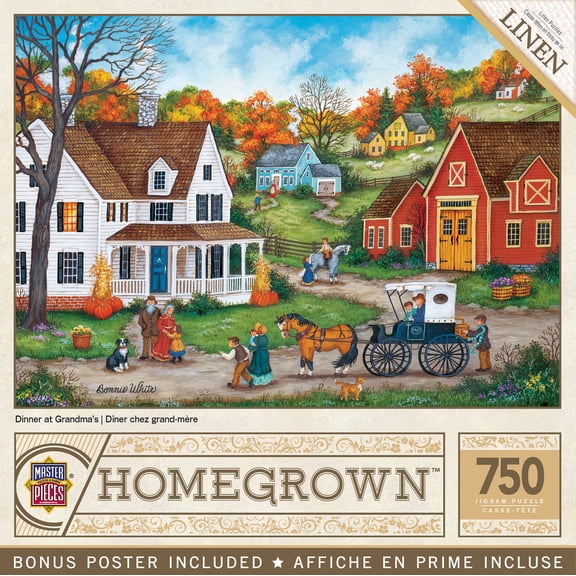
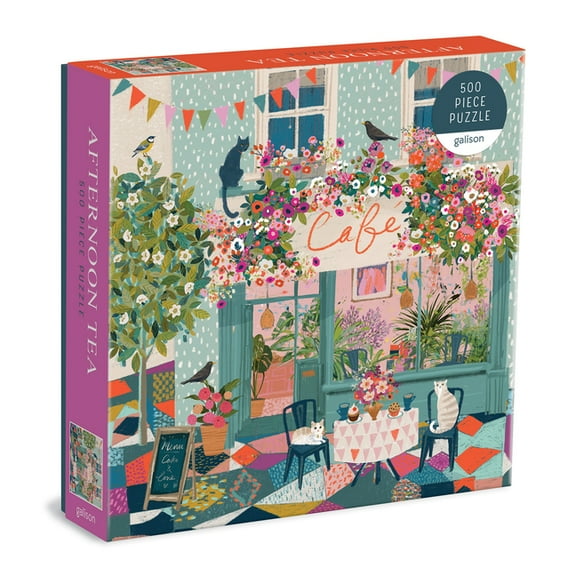
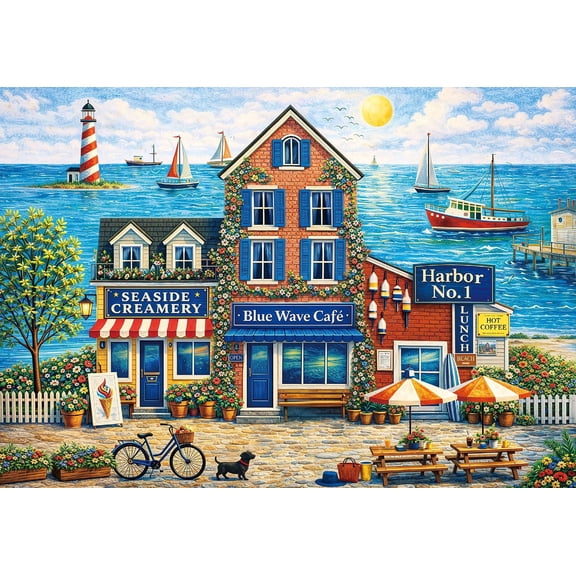

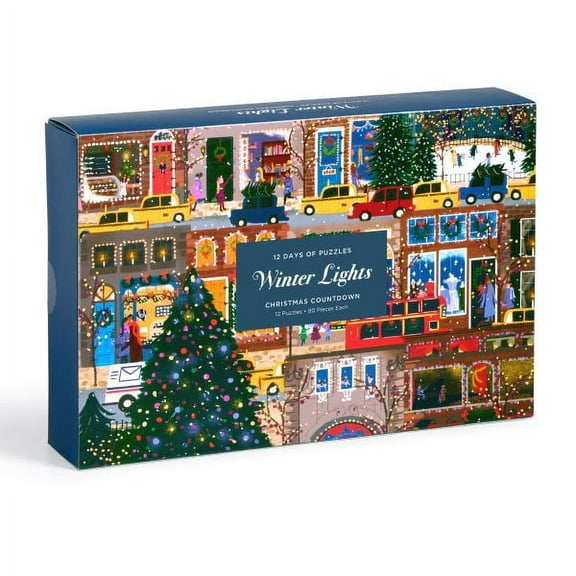
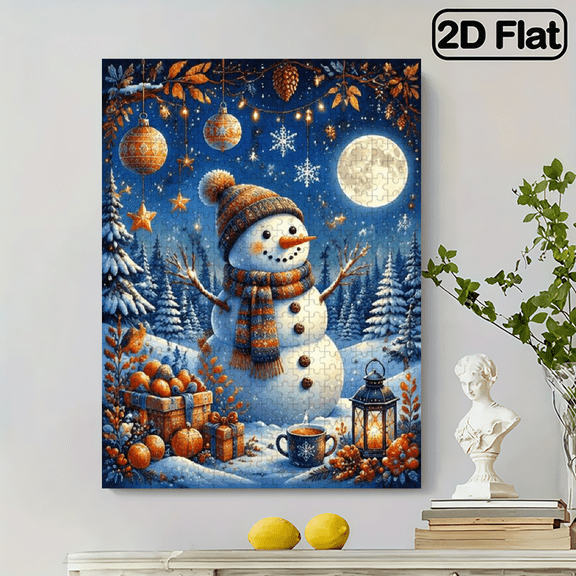






About Puzzles in Games & Puzzles - Walmart.com
Jigsaw puzzles help you turn free time into a focused activity with clear choices by piece count, age range, material, and puzzle type. You can compare finished dimensions, piece styles, and reference images, so your next puzzle fits your table and your skill level.
How to choose jigsaw puzzles by piece count
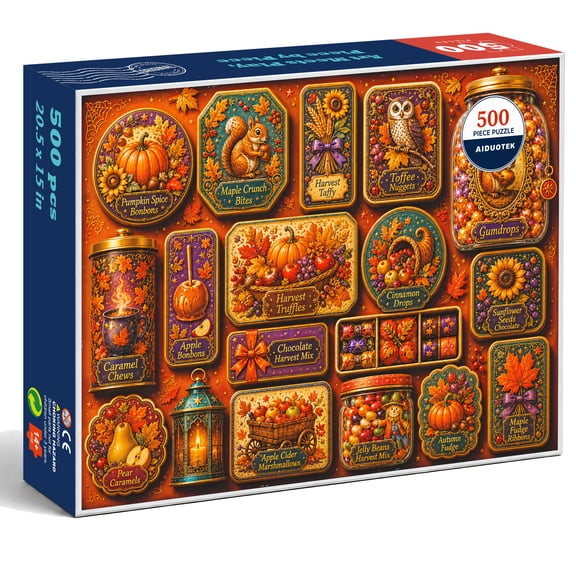
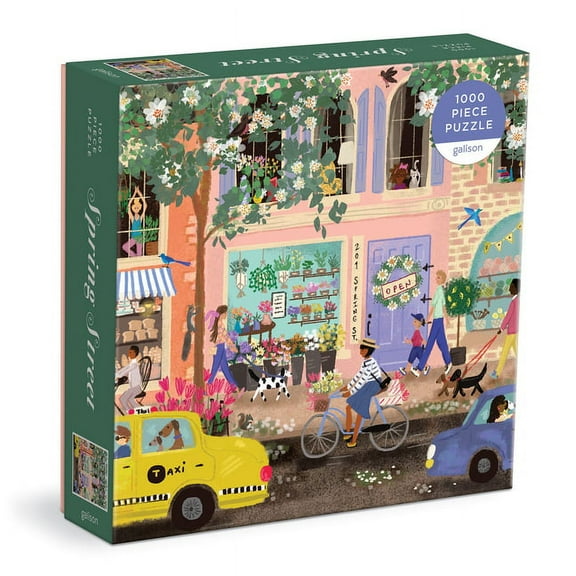
You should start with piece count because it shapes challenge, setup time, and finished size. You can often move from 100 pieces to 500 pieces, then to 1000 piece puzzles as your confidence grows.
When you compare 500 piece puzzles and 1000 piece puzzles, you should also check finished dimensions. You need enough table space for sorting trays, edge pieces, and the full picture once it comes together.
If you want a shorter project, you may prefer 100 pieces or 500 pieces for a weekend activity. If you want a longer challenge, you may lean toward 2000 pieces with more sorting and pattern matching.
- You can choose 100 pieces for quick sessions and simpler images.
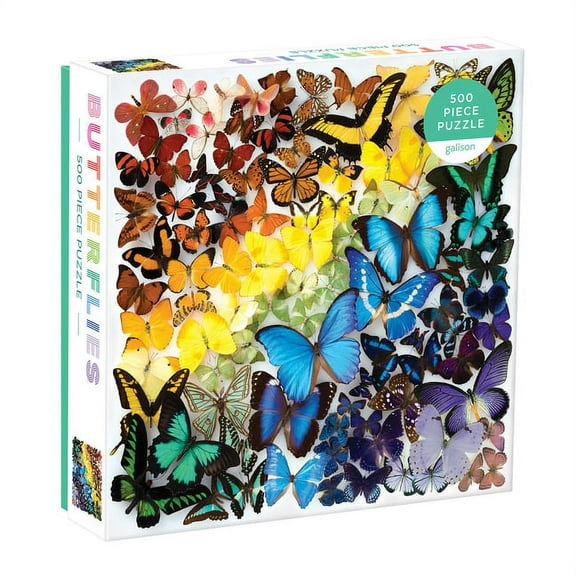
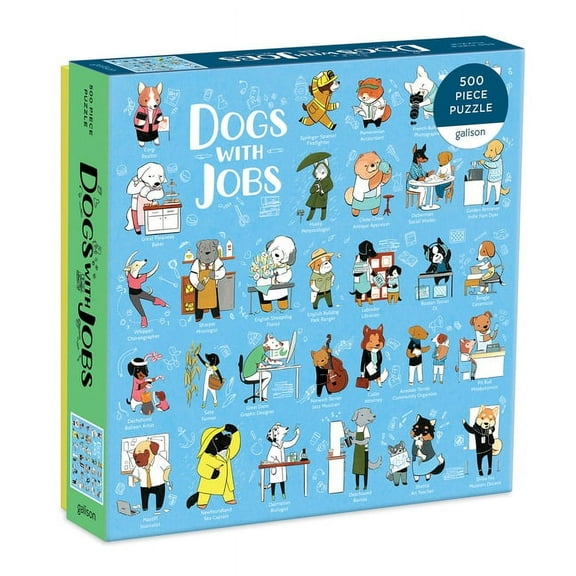
- You can pick 500 pieces when you want moderate challenge and manageable table space.
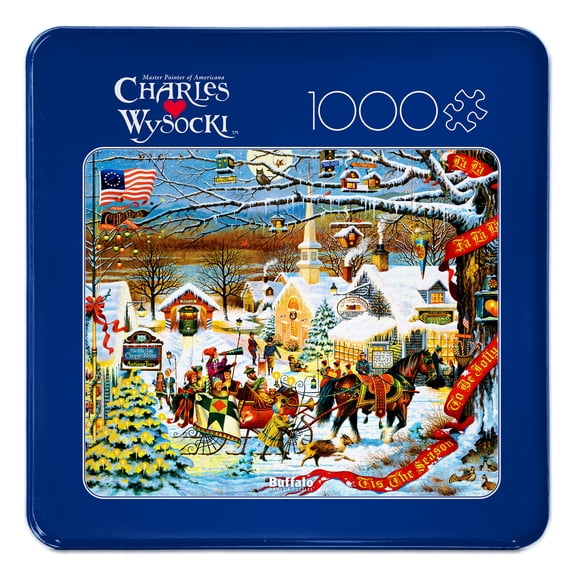
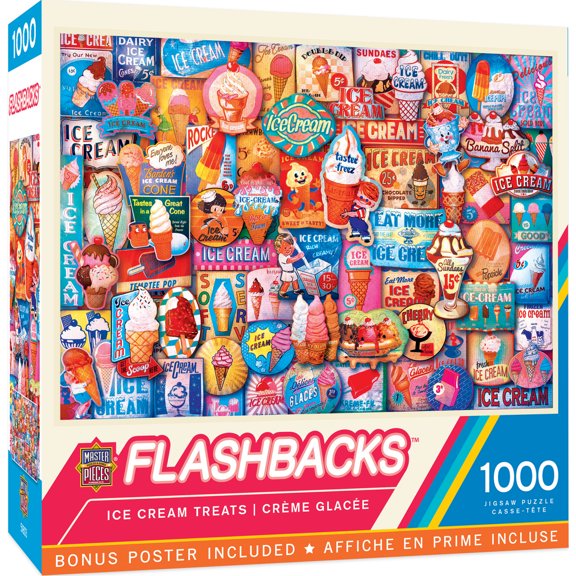
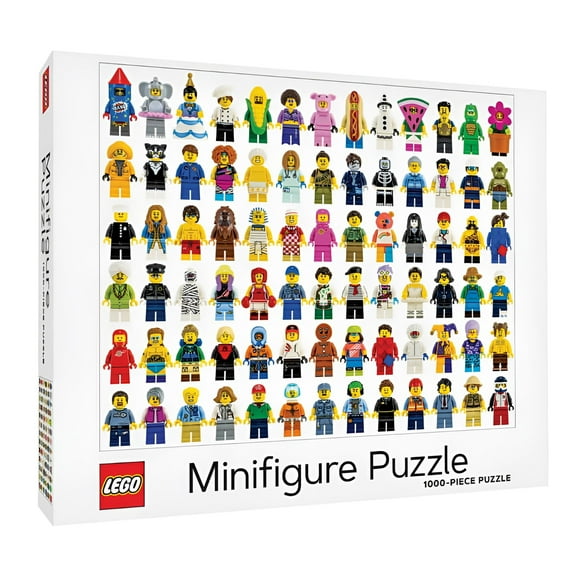
- You can try 1000 piece puzzles when you want more detail and longer build time.
- You can consider 2000 pieces when you want a multi-day project with larger finished dimensions.
Choosing jigsaw puzzles for adults and kids
You should match the puzzle to the age group, because the right difficulty keeps the experience engaging. You can compare toddlers, kids, teens, and adults by piece count, image complexity, and piece size.
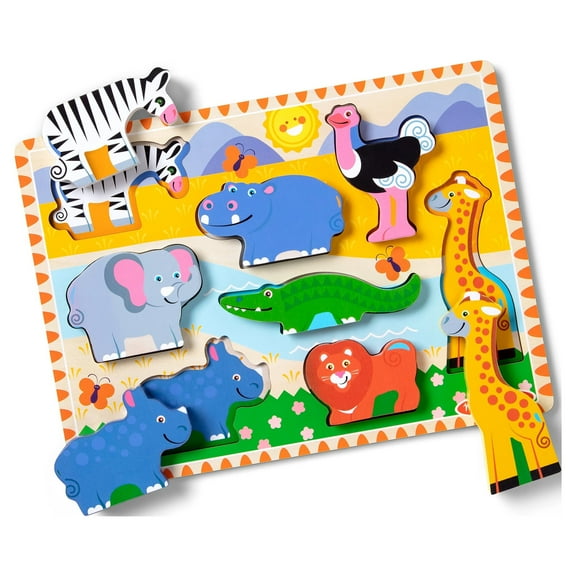
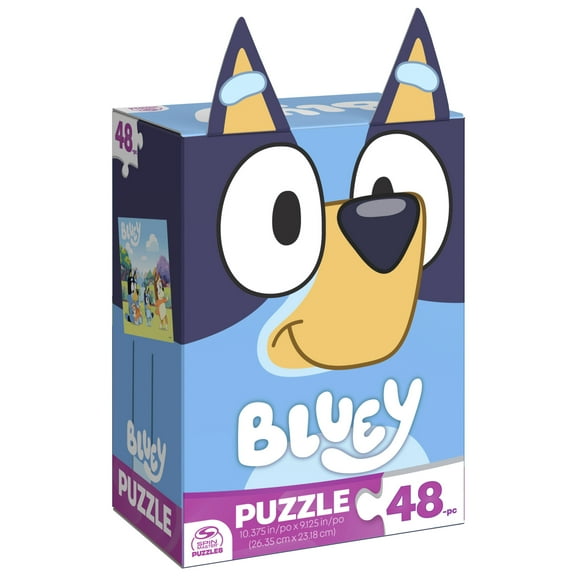
For toddlers, you should look for fewer pieces and larger shapes that are easy to place. For kids jigsaw puzzles, you may prefer bright scenes, familiar characters, and simple borders.
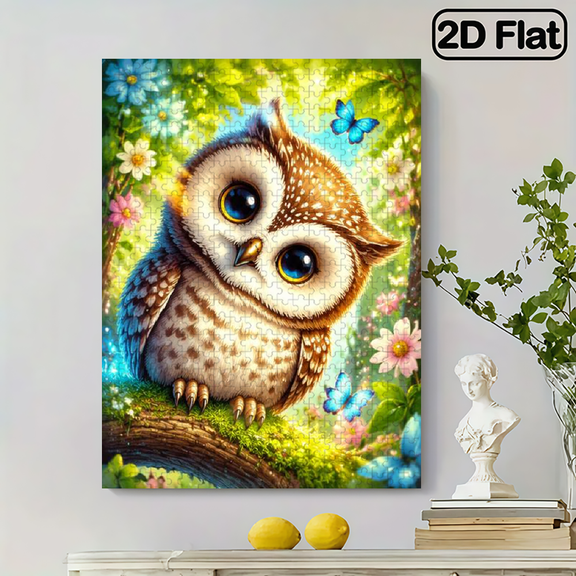
Teens and adults often want smaller pieces and more detailed artwork for longer sessions. When you shop jigsaw puzzles for adults, you may look for 500 or 1000 pieces with art, landscapes, animals, or holiday scenes.
You can also choose family puzzles when you want everyone to join the same table. In that case, you may prefer a balanced piece count and a clear box image that helps every player contribute.
What to look for in materials and piece fit
You should compare cardboard, wooden, plastic, and foam puzzles because each material changes handling and storage. You can use material choices to narrow down durability, piece feel, and how firmly pieces connect.
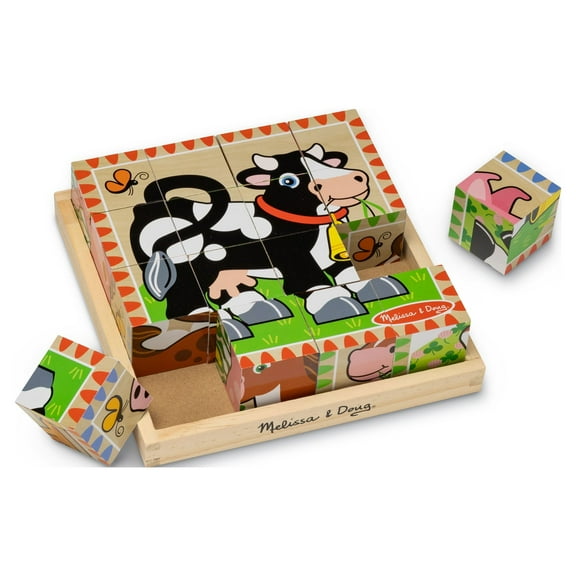
Cardboard puzzles often give you familiar piece shapes and a wide range of image themes. Wooden puzzles can feel sturdier in your hands, and you may notice shaped pieces that add a different kind of challenge.
Plastic puzzles can suit repeated assembly because you can expect a firmer snap between pieces. Foam styles can work well when you want lighter pieces and simple handling for younger puzzlers.
You should also check whether the cut looks clean and whether the image stays easy to read. You may want a reference poster or a clear box image when the artwork includes repeating colors.
Comparing puzzle types and themes
You can narrow your options faster when you compare 2D traditional, 3D puzzles, shaped puzzles, and mystery puzzles. Each type changes how you sort pieces, read the image, and pace your progress.
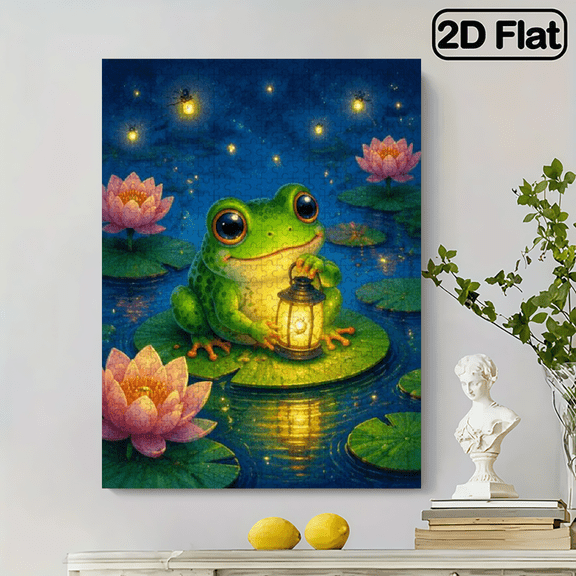
Traditional formats work well when you want a familiar edge-first approach and flat finished display. 3D puzzles can add building steps, so you may prefer them when you want structure as well as picture assembly.
Shaped puzzles can change the outer border, which gives you a different solving pattern from rectangular layouts. Mystery puzzles can reduce obvious visual clues, so you should choose them when you want a more advanced challenge.
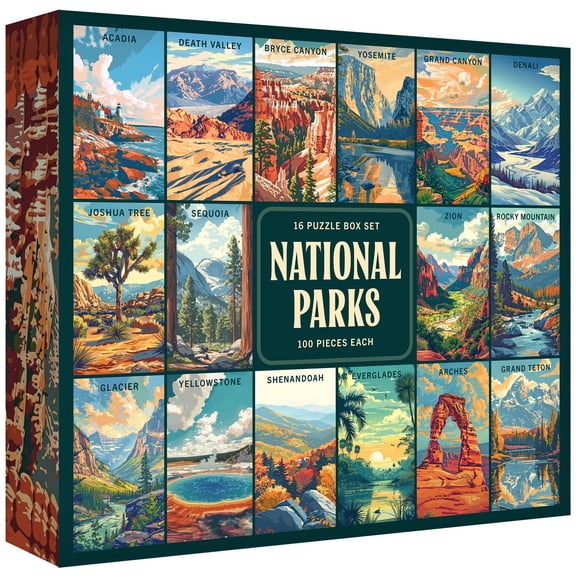
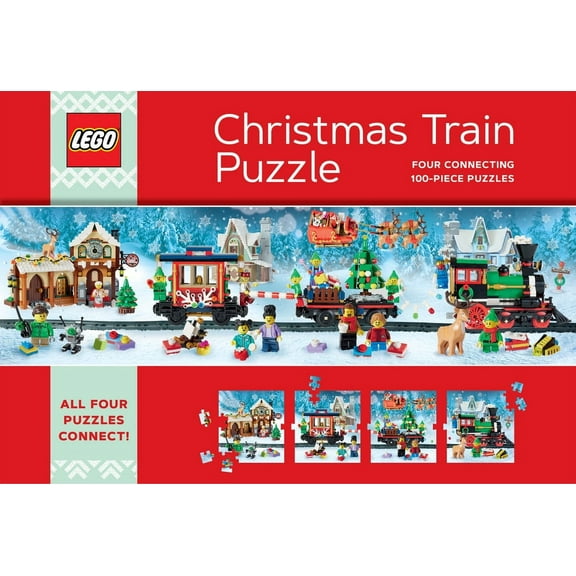
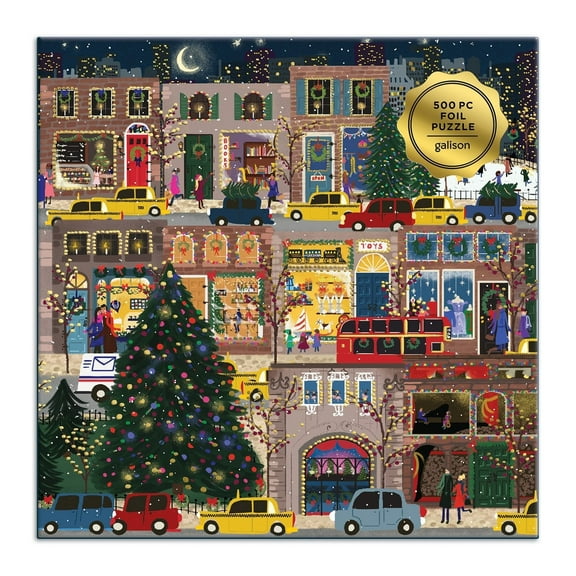
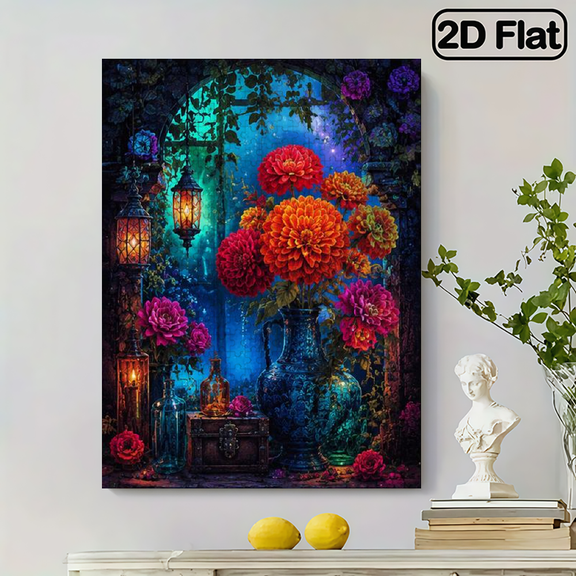
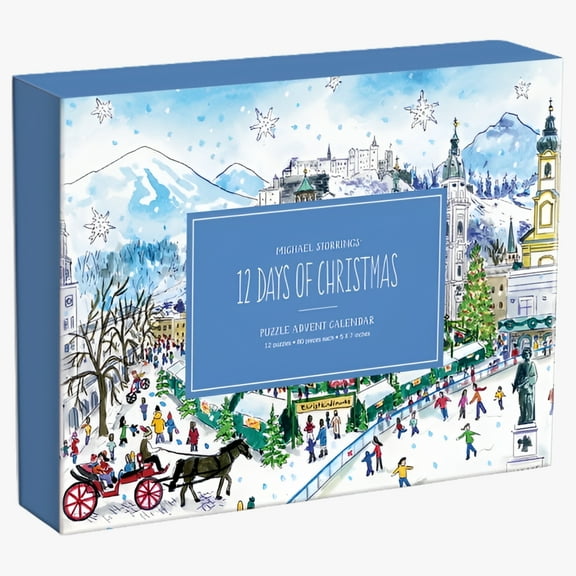
You can also compare themes to match the occasion and the people joining you. Holiday jigsaw puzzles and christmas puzzles can fit seasonal gatherings, while art, nature, and animal scenes can suit year-round puzzling.
Using size, age, and type for real puzzle occasions
You may want a quick after-school activity, a quiet solo project, or a group table activity. You can match each situation to piece count, finished dimensions, and image style before you choose.
For a family night, you may choose family puzzles with 500 pieces and a clear reference image. You can keep everyone involved when the finished size fits your dining table without crowding other activities.
For a focused solo project, you may prefer jigsaw puzzles for adults in 1000 pieces with detailed artwork. You can settle in for several sessions when you have enough table space and a sorting plan.
If you want younger puzzlers to join, you may look for kids jigsaw puzzles with larger pieces and simple scenes. You can make setup easier when the image uses bold colors and distinct sections.
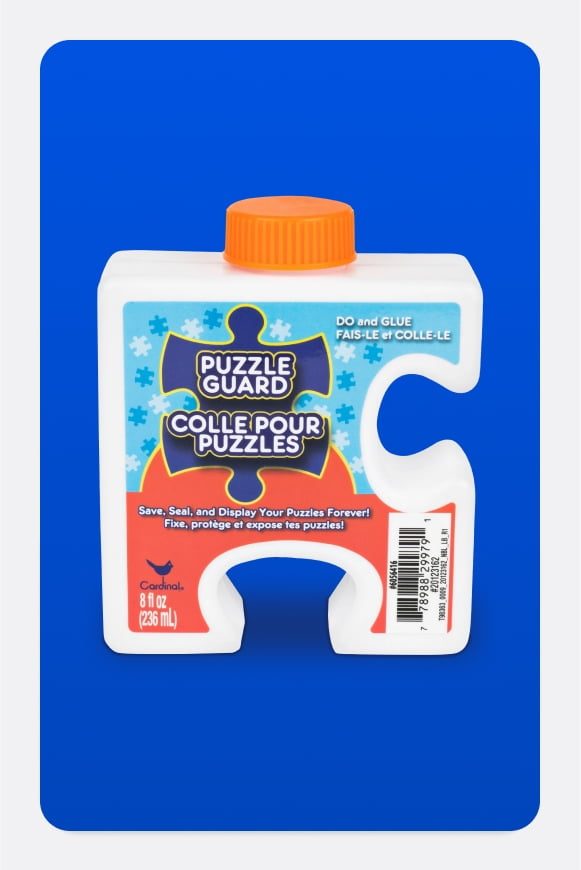
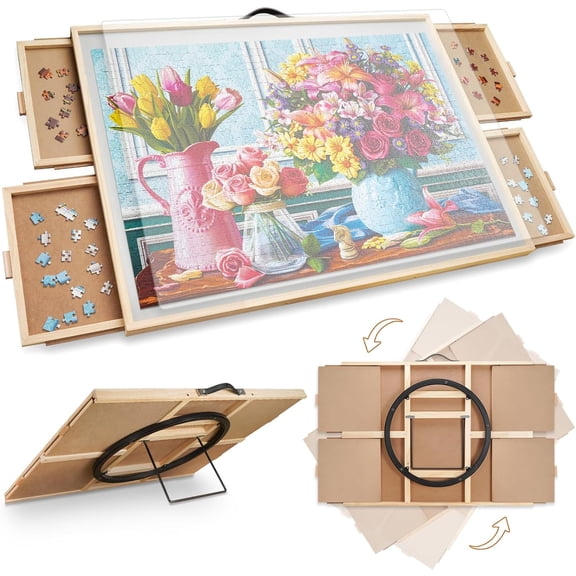
You may also branch into wooden puzzles or 3D puzzles when you want a different build experience. You can add puzzle accessories like mats, sorters, and glue when you plan to store or display a finished design.
Seasonal setups can call for holiday jigsaw puzzles with winter scenes, festive artwork, or family-friendly images. You can bring out christmas puzzles during gatherings when you want an activity that stays on the table.
Why these jigsaw puzzle details matter
You get a smoother puzzle experience when you compare piece count, finished dimensions, target age, material, and type before choosing. You can narrow the catalog with confidence and end up with a puzzle that fits your space, pace, and occasion.