








Presentation Folders in Folders
































About Presentation Folders in Folders - Walmart.com
Presentation folders help you organize handouts, proposals, and class packets with a polished look. You can compare pocket layouts, materials, fasteners, and sizes to match your project.
Choosing presentation folders for your project
When you choose pocket folders, you control how your pages stay sorted during meetings, open houses, and school events. You can use simple layouts for short packets or multi-section designs for larger presentations.
Material also shapes how your folders look and feel in your hands. You may prefer paper presentation folders for a classic finish, or you may choose plastic presentation folders for added durability.
Fasteners and size matter when your packet includes loose pages or inserts. You can pick presentation folders with prongs for punched sheets, and you can match letter size folders to standard documents.
- You can separate agendas, forms, and reference sheets with two-pocket or multi-pocket layouts.
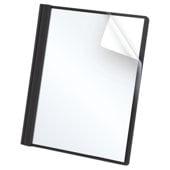
- You can keep a neater presentation when you choose prongs, brads, or clear front covers.
- You can match paper, plastic, poly, or leatherette finishes to your setting and audience.
- You can choose letter or legal dimensions based on the documents you need to carry.
How to compare pocket folders by material
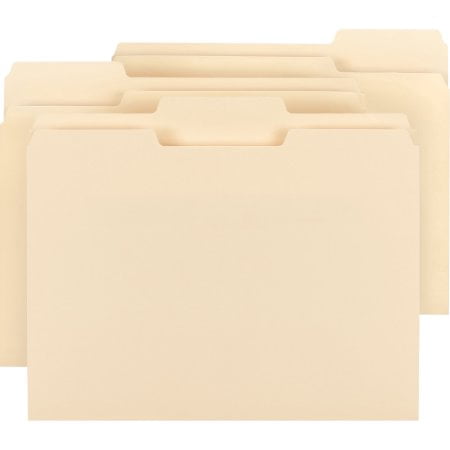
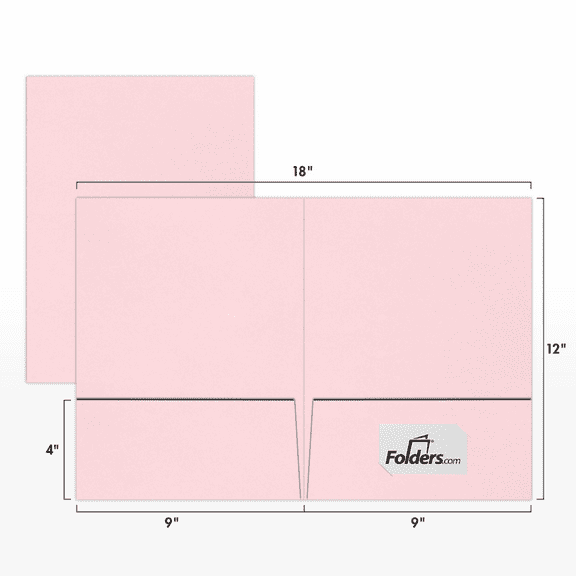
Paper presentation folders give you a traditional office and classroom look. You may choose them when you want a crisp surface for printed branding, labels, or event details.
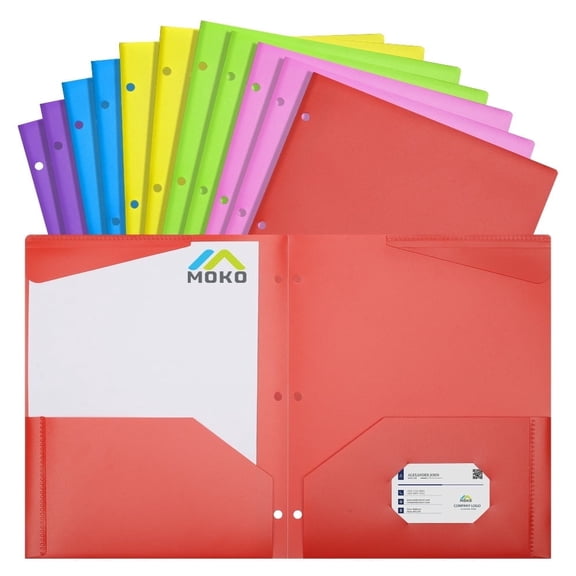
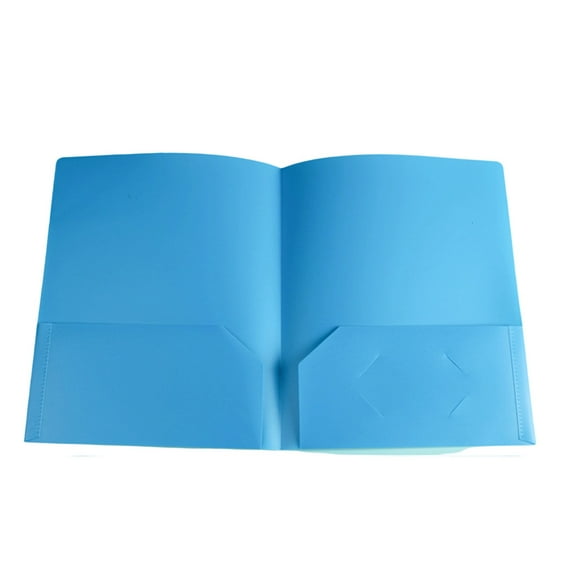
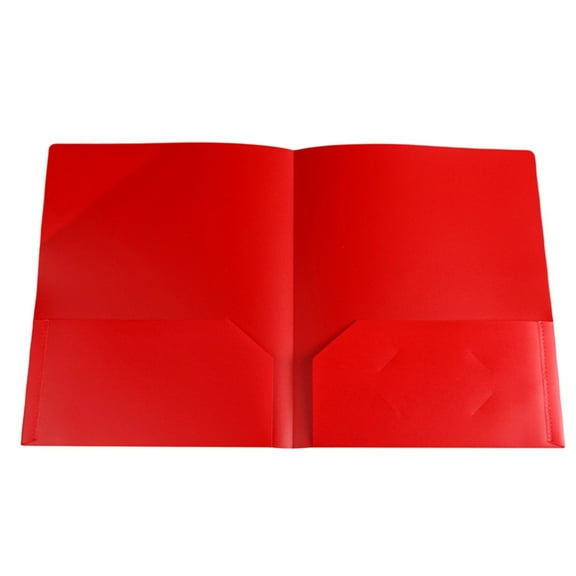
Plastic presentation folders work well when you expect frequent handling throughout the day. You'll notice smooth covers, easier wipe-offs, and stronger edges during repeated transport.
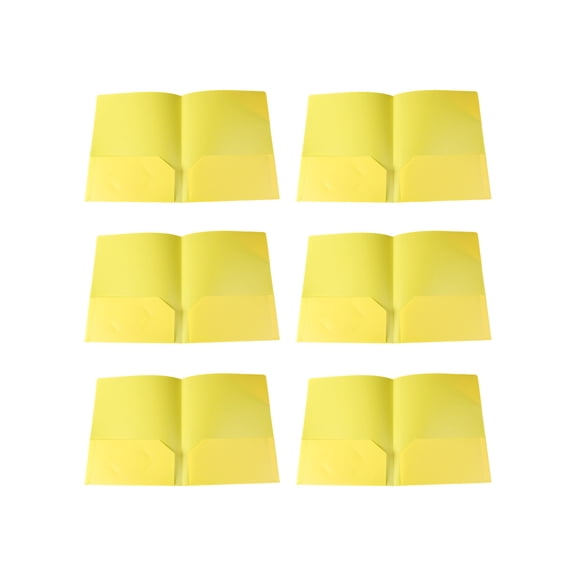
Poly folders offer a similar feel with flexible, sturdy construction for active use. You can compare poly options when you need a folder that bends without losing shape quickly.
Leatherette styles give you a more formal appearance for interviews, client packets, and welcome materials. You may prefer that finish when your presentation needs a refined cover texture.
Choosing pocket count and layout
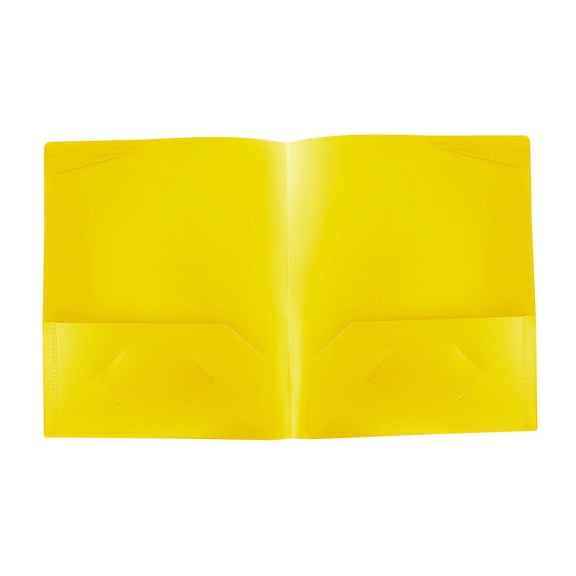
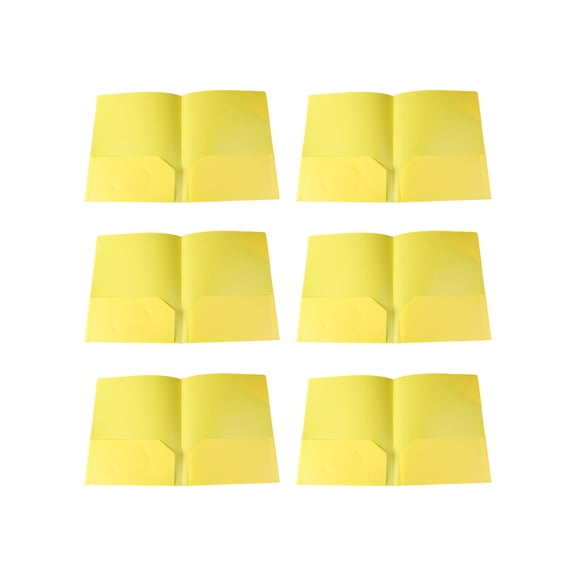
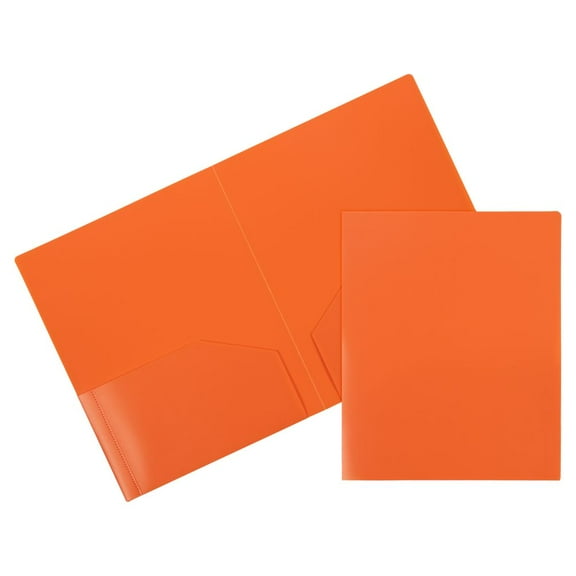
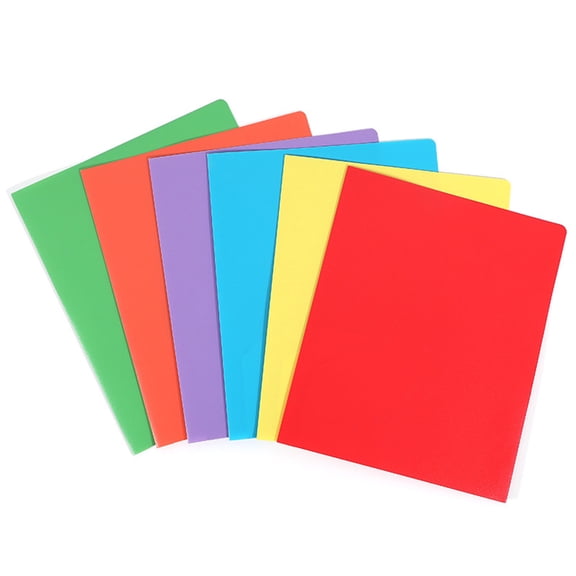
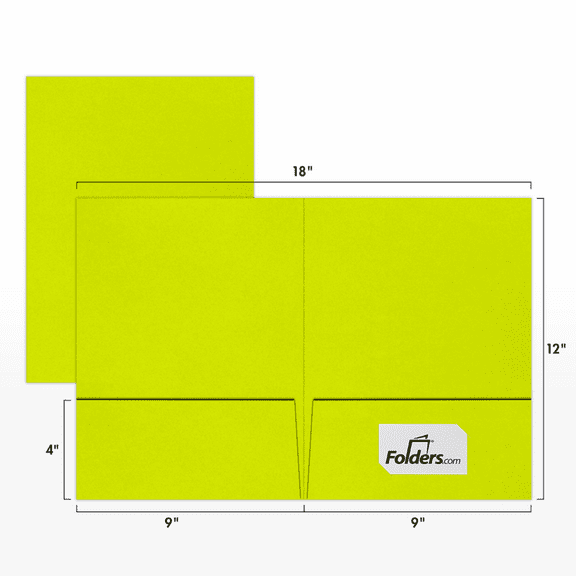
Two-pocket folders keep your setup simple and familiar for everyday packets. You can place incoming papers on one side and finished materials on the other.
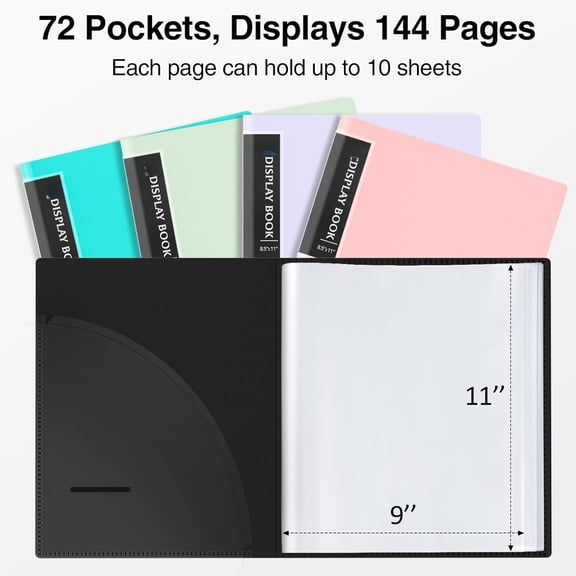
Four-pocket and multi-pocket designs help you divide documents by topic or audience. You can sort contracts, brochures, pricing sheets, and notes without mixing sections together.
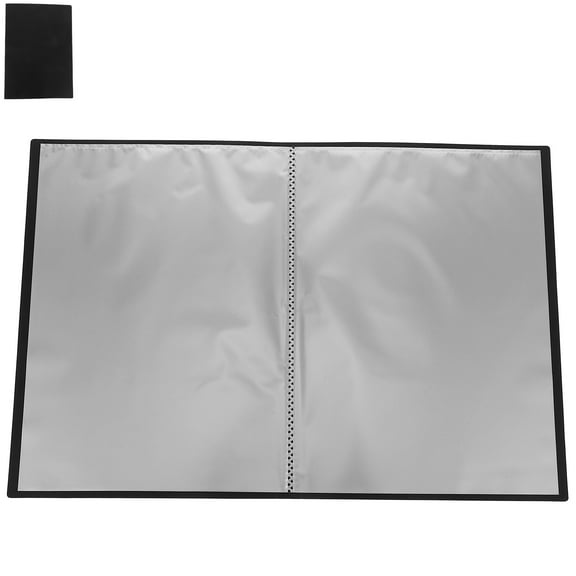
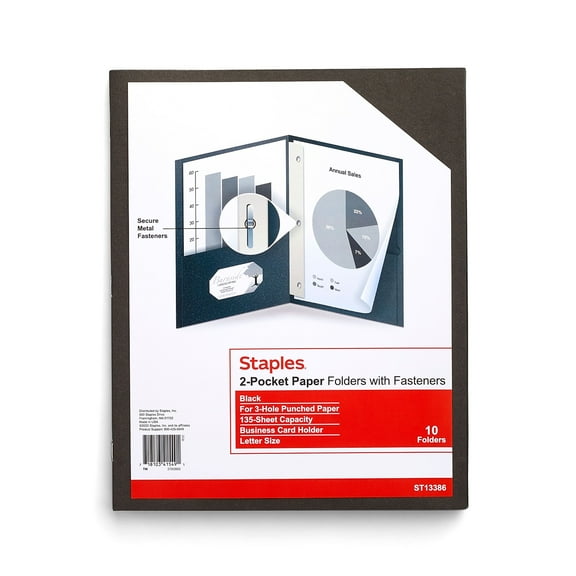
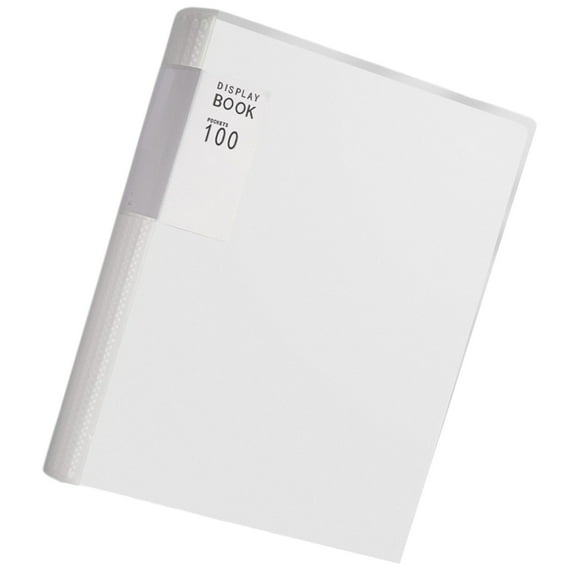
Some layouts include business card slots or clear front panels for cover pages. You can use those details when you want names, schedules, or title sheets visible at a glance.
When you compare pocket capacity, check how many sheets you plan to carry at once. You can avoid overstuffing by choosing a layout that fits thicker packets comfortably.
Understanding presentation folders with prongs
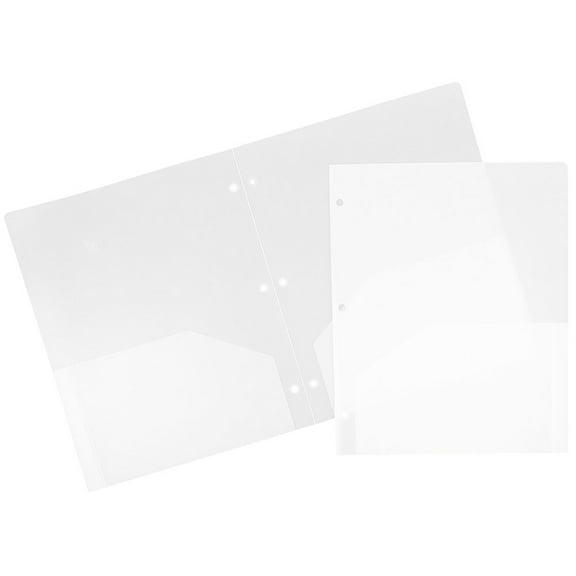
Presentation folders with prongs help you secure punched pages inside the folder. You can keep forms aligned in order, which makes page turning cleaner during meetings.
Brad fasteners give you another way to hold inserts in place. You can compare fastener styles based on how often you update pages or swap packet contents.
If your documents aren't hole punched, you may prefer folders without prongs. You can slide loose sheets into pockets quickly, which works well for take-home packets and event handouts.
Fastener compatibility matters when you print standard office documents or school forms. You should check whether your pages are letter or legal size before you choose the folder format.
Picking the right size and finish
Letter size folders fit standard 8.5 by 11 inch documents used in most offices and classrooms. You can choose them for resumes, reports, flyers, and presentation packets.
Legal size folders give you extra length for contracts, forms, and extended documents. You can compare sizes before ordering so your pages stay flat and organized.
Finish affects how your folder presents information to clients, teachers, or families. You may choose matte surfaces for a clean look, glossy covers for color pop, or clear front folders for visible title pages.
Those finish choices also change how you label and sort materials. You can identify departments, event sessions, or student packets faster when covers support quick visual recognition.
Where you might use presentation folders
You can use these folders for sales proposals, onboarding packets, conference materials, and client leave-behinds. You can also organize school reports, recital programs, and fundraiser documents.
At hiring events, you may pair clear front folders with resumes and reference sheets. In classrooms, you might choose paper or poly styles for homework packets and parent communications.
For office teams, multi-pocket layouts help you separate meeting agendas from supporting documents. For community groups, pronged folders keep forms, schedules, and sign-up sheets in one place.
When you buy for larger groups, you should compare material, pocket count, and fastener type together. You can create a cleaner handoff when each folder matches the exact packet purpose.
What to look for before you choose presentation folders
You should start with the document size, then compare pocket count, material, and fasteners. You can narrow your options quickly when you match those details to your daily use.
A well-matched folder keeps your papers orderly and your presentation polished from start to finish. You can move from prep to handoff with fewer loose pages and a more organized packet.