








Potty Training Kit
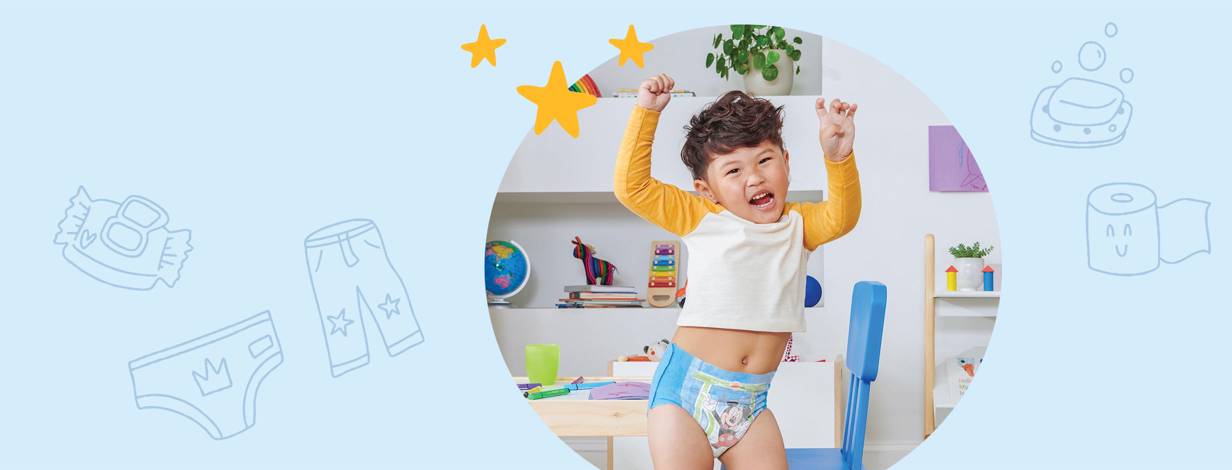
Start your journey
Get potty training off to a great start with Walmart.Sponsored by
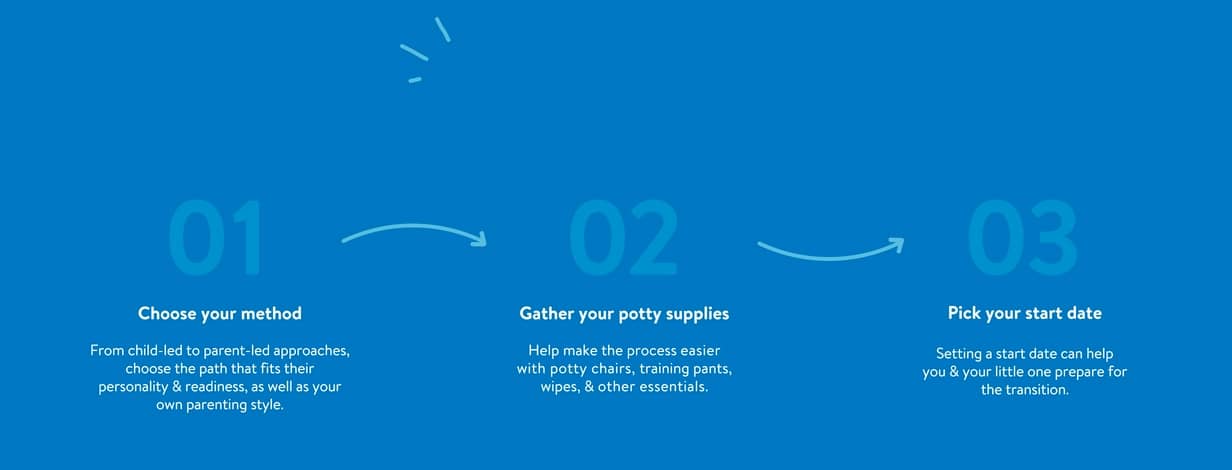
Say goodbye to diapers
Start your potty training journey with three simple steps.
Get training tips
Be prepared
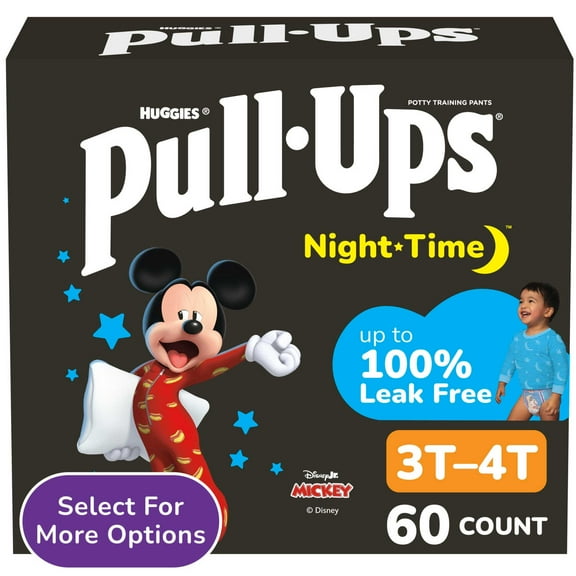
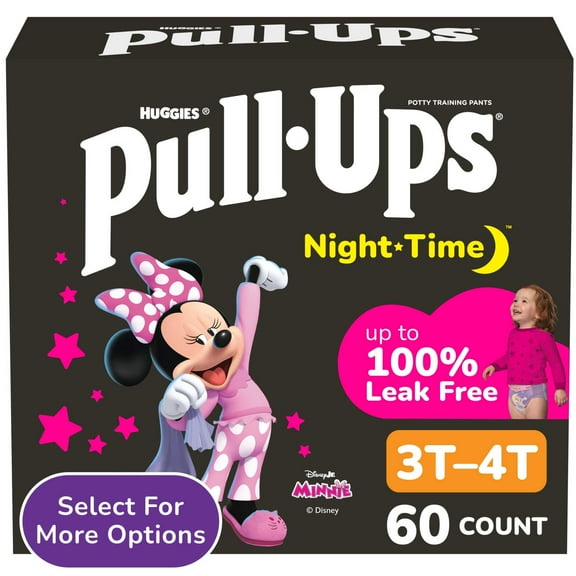
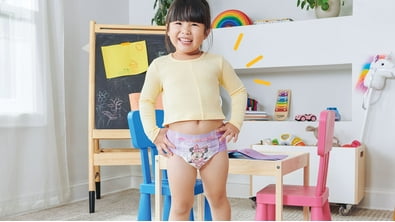
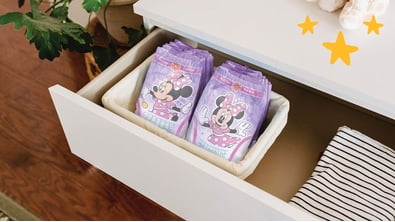
Training pants to match their needs.
Wipes that are gentle on their skin.

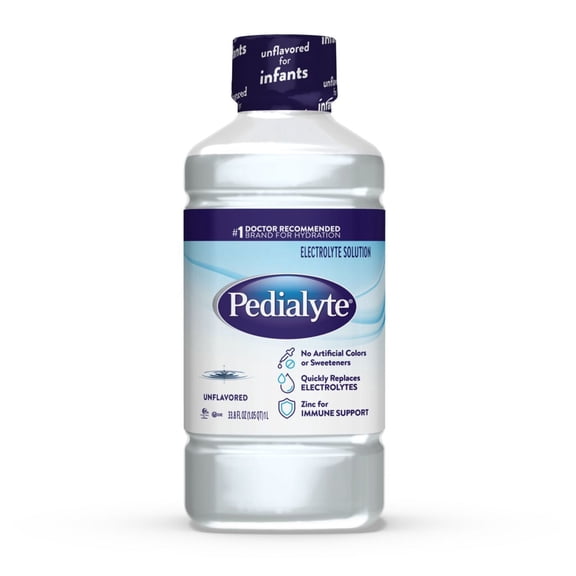
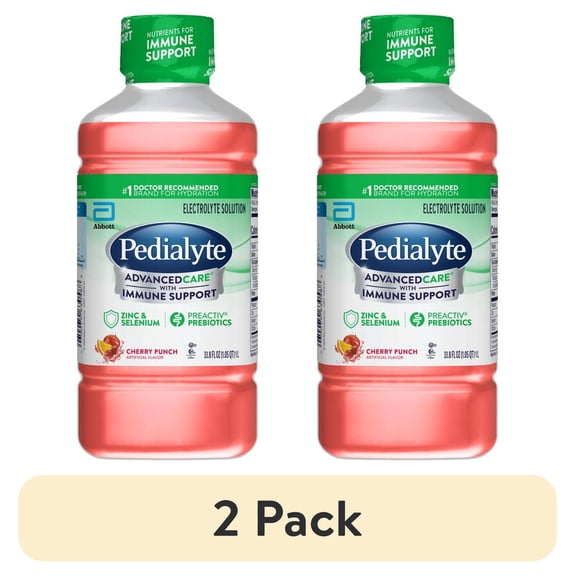
Hydrate & feel better fast.

Celebrate a job well done.

FAQ
About Potty Training Kit - Walmart.com
You can simplify early routines with a potty training kit that brings key pieces together for home, travel, and everyday bathroom practice. You’ll find category options that combine a potty seat, step stool, reward chart, and training pants guidance in one setup.
Choosing the right potty training kit
You’ll want to start with kit type, because each setup supports a different stage of toilet learning. You can compare all-in-one sets, seat with ladder designs, standalone potty chair options, and travel kit choices.
If your child prefers a lower, familiar seat, you may choose a standalone potty chair for easy access. If your bathroom space is tighter, you may prefer a potty training seat that fits your toilet.
You can also look at seat with ladder styles when your child likes climbing up independently. You’ll get a raised seat and built-in steps that help small feet reach comfortably.
For outings, you may want a travel kit that folds easily and wipes clean quickly. You’ll appreciate portable pieces when you’re moving between the car, daycare, and relatives’ homes.
How to compare toddler potty training set options
You should compare theme, fit, and included pieces before choosing a toddler potty training set. You’ll want a setup that matches your child’s comfort level and your bathroom routine.
- You can choose all-in-one kits when you want one purchase to cover several early training needs.
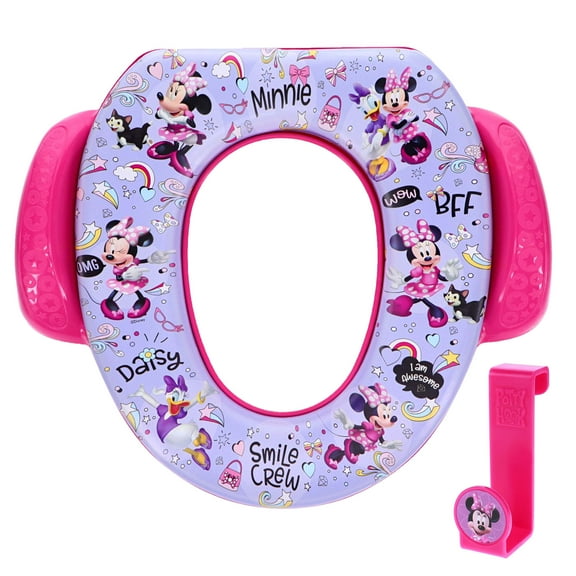
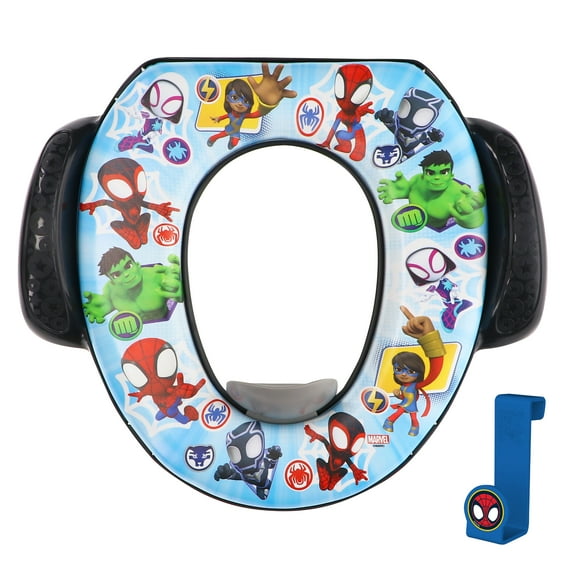
- You may pick character-themed sets when your child responds to familiar colors, prints, and playful details.
- You can select unisex styles when you want a simple look that works across shared households.
- You should check whether a seat includes a step stool, because steady footing supports more confident climbing.
- You can look for a reward chart if your child stays engaged with visual progress and stickers.
You may also compare boys and girls themes if your child enjoys personalized details. You’ll often find that familiar designs help bathroom routines feel more inviting and consistent.
When you’re deciding between a potty chair and an adapter seat, comfort should guide your first step. You can start low to the ground, then transition upward as confidence grows.
What to look for in potty training essentials
You should review the included components, because potty training essentials can shape how smoothly daily practice fits into your schedule. You’ll want pieces that support sitting, stepping, tracking progress, and handling quick changes.
A potty seat helps your child sit on a standard toilet with a smaller opening. You’ll want to measure your toilet shape so the seat fits securely and feels stable.
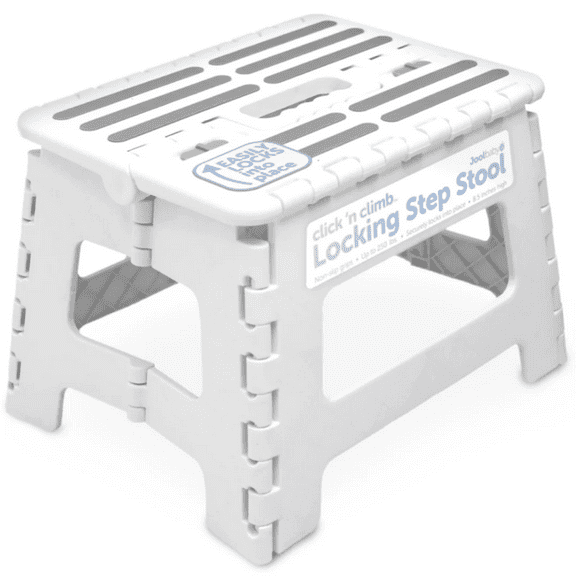
A step stool gives your child a place to plant both feet during practice. You’ll notice that a stool can also help with handwashing after each bathroom visit.
A potty training chart adds a visual routine that many families use during early practice. You can mark completed steps, celebrate consistency, and keep the process easy to follow.
Some kits also align with training pants needs, so you can build a more complete routine. You’ll benefit from having core accessories grouped together instead of piecing them together later.
Checking material and potty training seat details
You should compare materials closely, because bathroom products need to clean up easily and stay comfortable through repeated use. You can look for BPA-free plastic, cushioned foam, and non-slip silicone base details.
BPA-free plastic usually gives you a smooth surface that wipes down fast after busy routines. You’ll often prefer it when you want a lighter piece to move between bathrooms.
Cushioned foam can give your child a softer place to sit during longer practice moments. You should check whether the cushion removes easily, because cleanup matters during daily use.
A non-slip silicone base helps keep a seat or chair steadier on tile or laminate floors. You’ll want that extra grip if your child shifts often while getting comfortable.
If you’re shopping for boys, you should compare splash guard height and shape carefully. You can look for a higher front guard that helps direct use inside the bowl.
Splash guard dimensions are a practical detail, especially during the first weeks of standing or seated practice. You’ll want enough front coverage without making the seat feel cramped.
Matching use cases to your routine
You can match each kit style to where training happens most often in your day. You’ll make faster decisions when you compare bathroom space, portability, and your child’s learning style.
If you’re training mainly at home, an all-in-one setup can keep your routine in one place. You’ll have a stool, seat, and chart ready for morning, bedtime, and after-meal visits.
If your child feels unsure about the full toilet, a standalone potty chair may feel less intimidating. You can place it nearby first, then move toward the bathroom as habits build.
If you share one bathroom, a seat with ladder design may help you use vertical space well. You’ll get a setup that stores neatly and supports independent climbing.
For travel days, a folding travel kit can fit more easily into your car or diaper bag. You’ll want simple cleanup and compact parts when your schedule changes often.
If your child responds to goals, a reward chart may keep the process more structured. You can pair stickers, simple steps, and repeat routines to make expectations clearer.
Theme can matter too, especially when your child likes familiar characters or color palettes. You’ll often find that a preferred design encourages repeated use without extra prompting.
Potty training essentials that support steady progress
You should feel more prepared when your category choice reflects your space, your child’s comfort, and your preferred routine. You’ll get a clearer starting point by comparing kit type, included tools, and seat details carefully.
With the right potty training kit, you can create a more organized setup for practice at home and on the go. You’ll have the pieces that help each bathroom step feel simpler and more consistent.