

Pool Cleaning Tools in Pool Supplies























About Pool Cleaning Tools in Pool Supplies - Walmart.com
Pool cleaning tools help you keep water clear, walls tidy, and debris under control with equipment matched to your pool type. You can compare vacuums, skimmers, brushes, and test kits in one place, so your regular maintenance feels more straightforward.
If you maintain an above ground setup or a larger inground pool, you’ll want tools that match your surface and cleaning routine. You can narrow choices by operation type, power source, and debris pickup needs before you commit.
How to choose pool cleaning tools and accessories
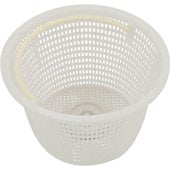
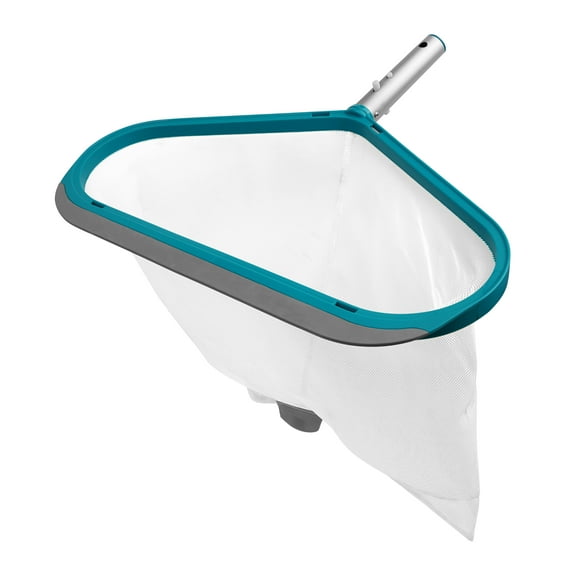
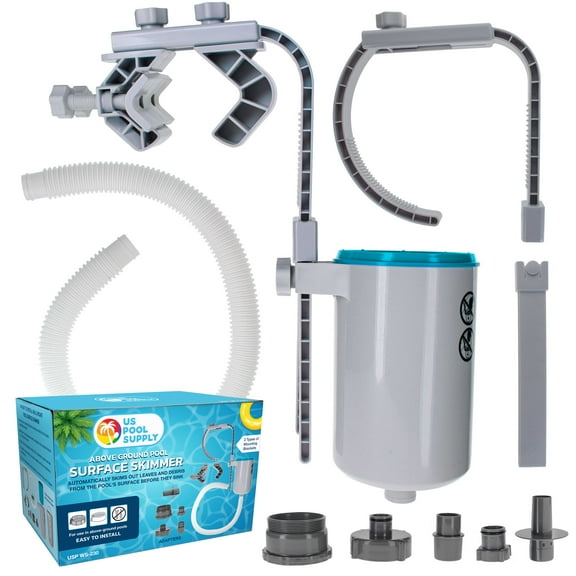
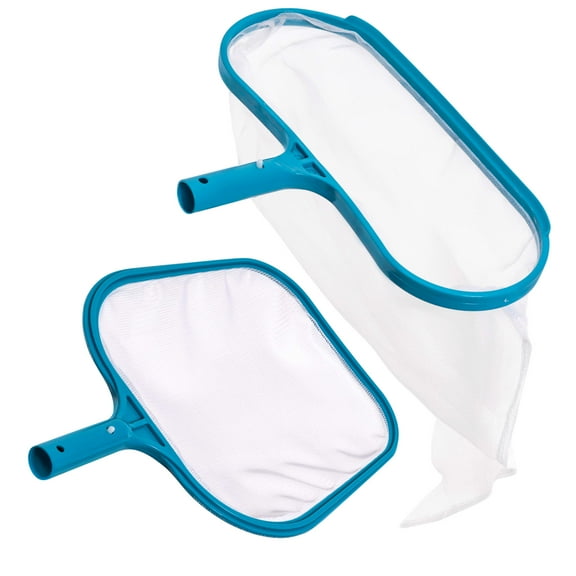
You’ll usually start with the debris you remove most often, because leaves, bugs, and fine silt call for different designs. You can use skimmers for floating debris, brushes for wall buildup, vacuums for floor cleanup, and test kits for routine water checks.
When you compare pool cleaning tools and accessories, you should think about shape, surface, and maintenance frequency. You’ll often need different heads, bristle types, or filtration options for concrete, vinyl liner, above ground, and inground pools.
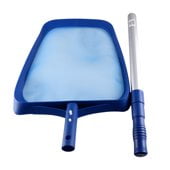
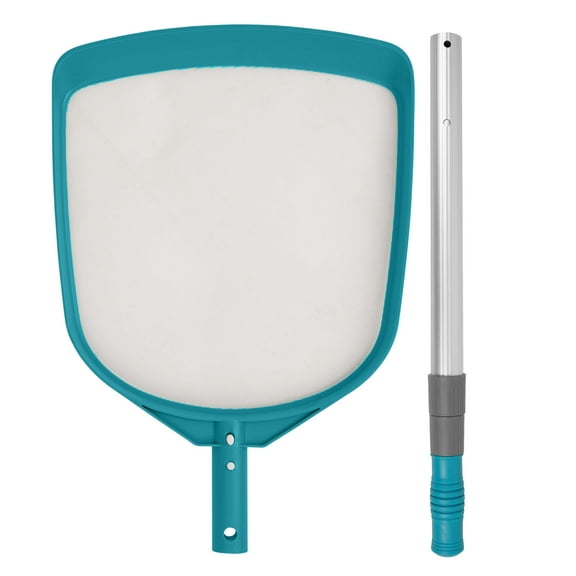
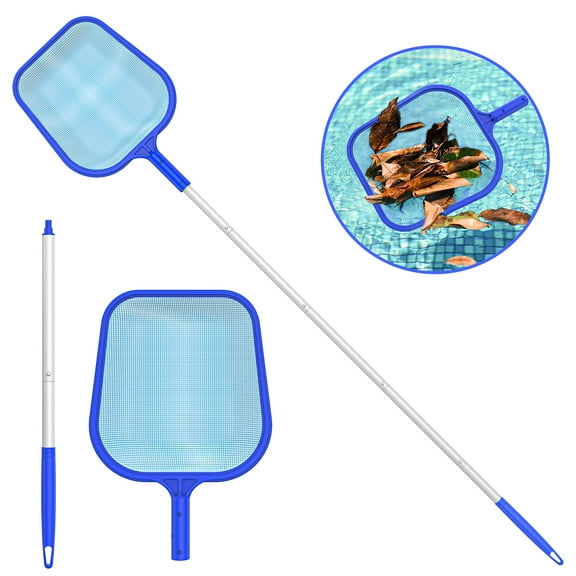
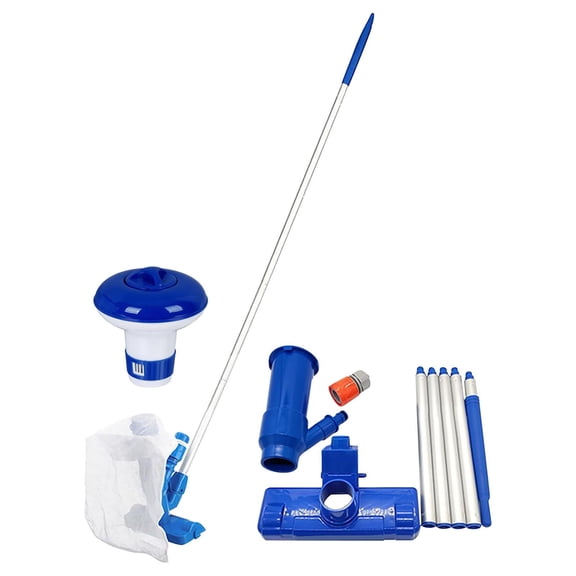
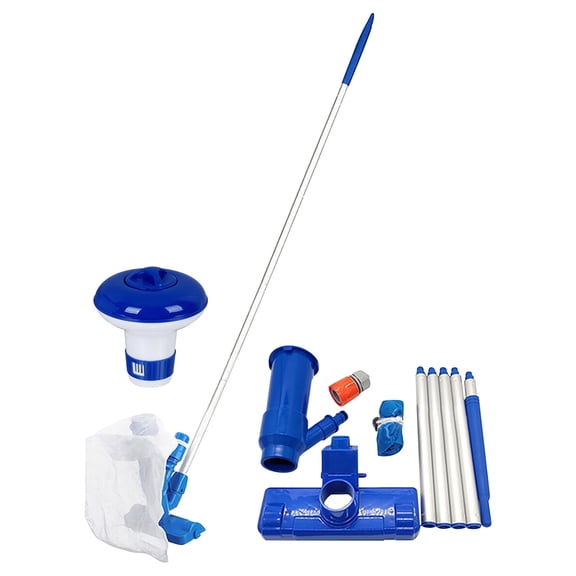
You can build a simple routine by combining a few core items instead of relying on one tool. Your setup may include a telescoping pole, a skimmer net, a brush, and a pool cleaning kit for regular upkeep.
- You can skim floating leaves and insects before they sink.
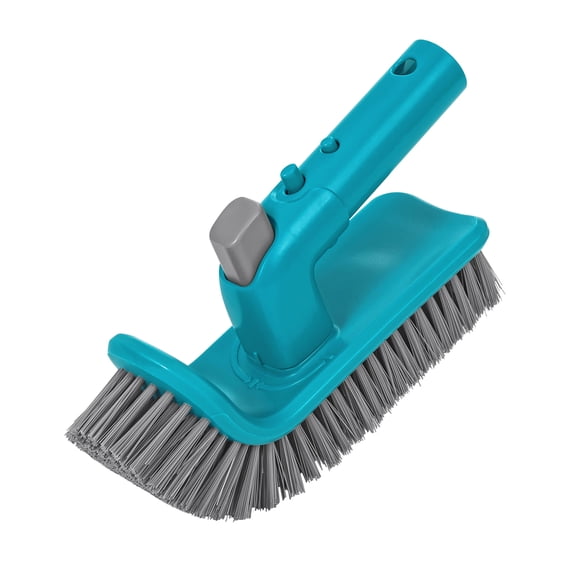
- You can brush walls, steps, and waterlines to loosen visible buildup.
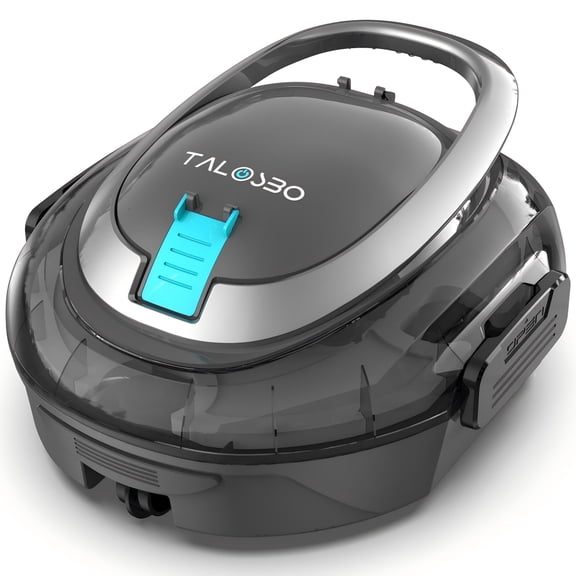
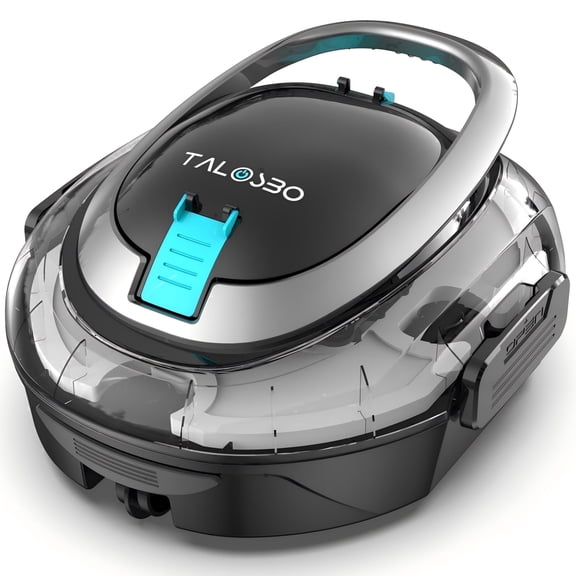
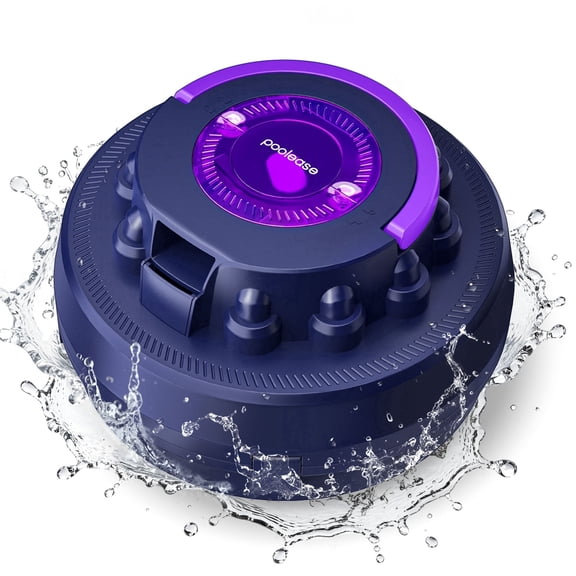
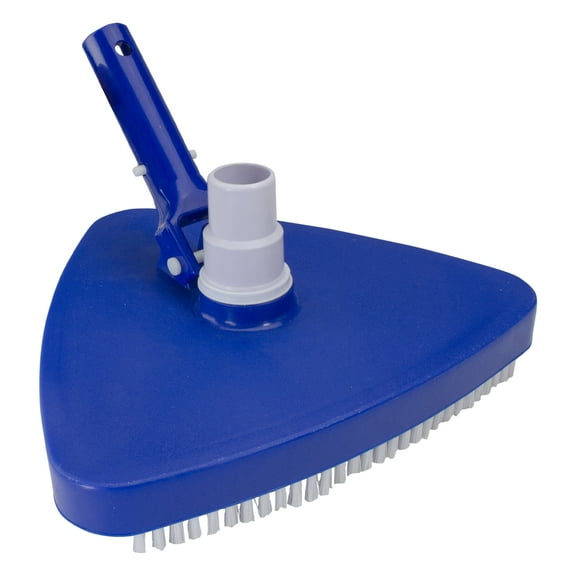
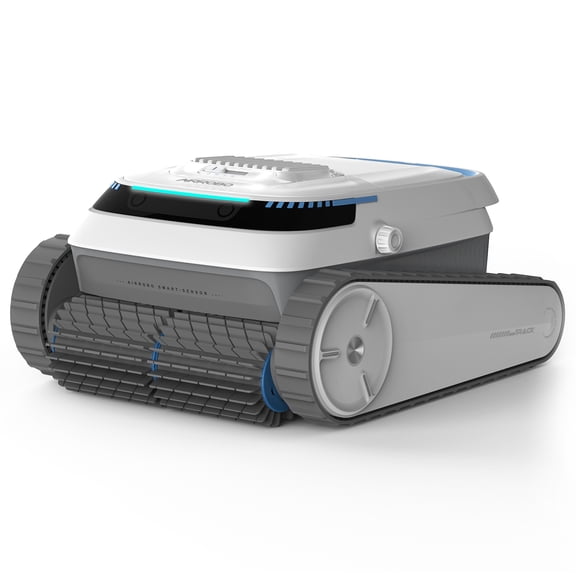
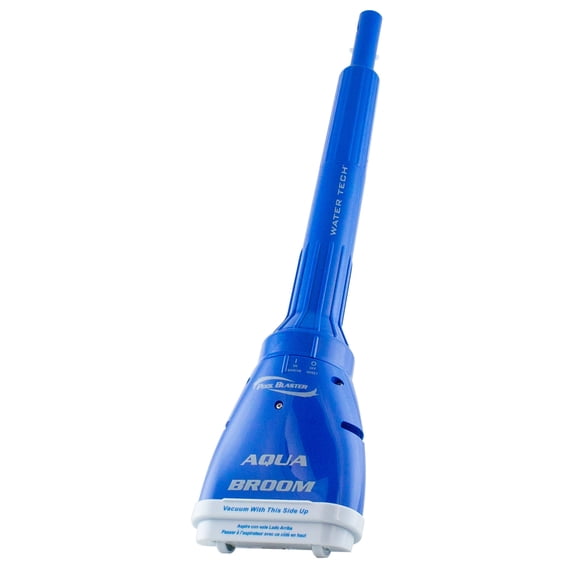
- You can vacuum settled debris from the floor with manual, automatic, or robotic options.
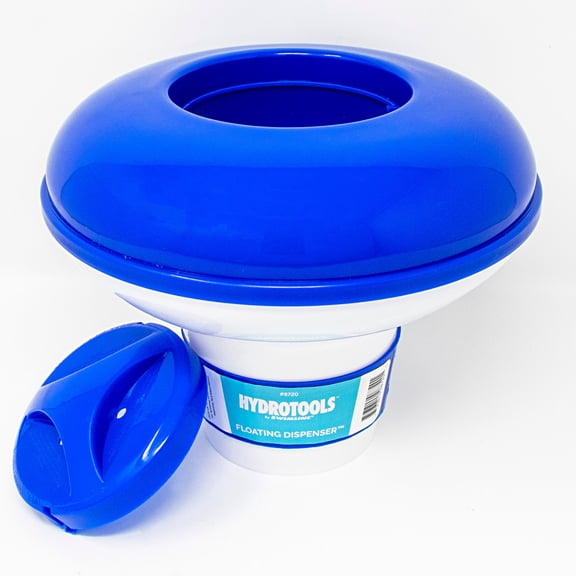
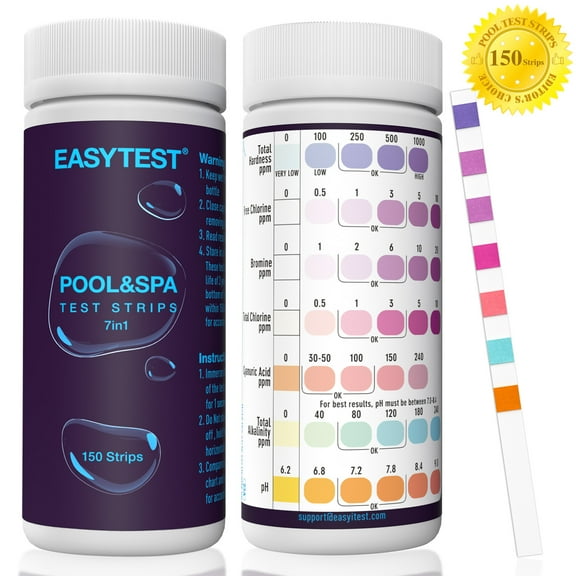
- You can check water balance with test kits as part of ongoing pool care.
Choosing the right tool type for your pool
You should match the tool type to the cleaning task instead of expecting one item to handle everything. Your skimmer works at the surface, while your brush and vacuum handle walls, steps, and floors.
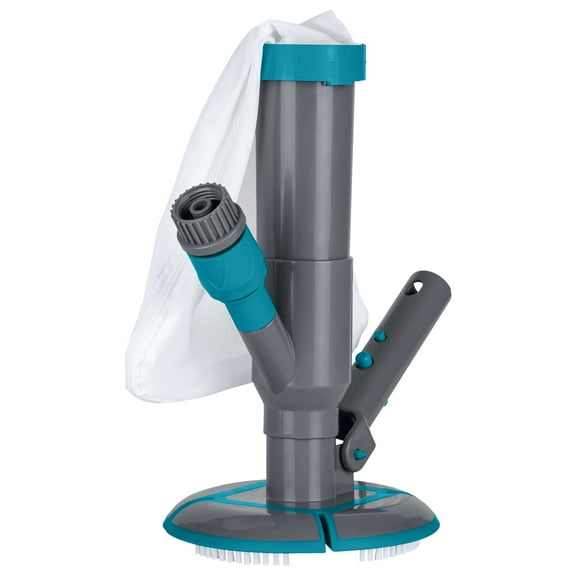
For routine touchups, you may prefer a lightweight pool cleaner tool that connects quickly to a pole or hose. You’ll notice that compact tools help when you clean tight corners, ladders, and entry steps.
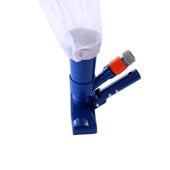
If you collect larger debris, you should look for vacuum heads and leaf catchers with roomier chambers or bags. You can also compare filtration levels when you want to capture sand, dirt, or fine silt.
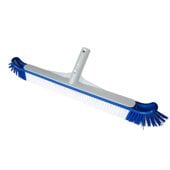
Brush choice matters when you clean different interiors, because surfaces respond differently to stiffness and shape. You should check whether curved heads, corner brushes, or softer bristles fit your pool walls and waterline.
Comparing manual, automatic, and robotic options
You should consider how often you clean before choosing manual, automatic, or robotic operation. If you handle quick weekly touchups, you may like manual tools that give your hands-on control.
When you want less hands-on work, you can compare automatic styles that move through the pool during a cleaning cycle. Your decision often depends on how much debris falls in and how often you need floor coverage.
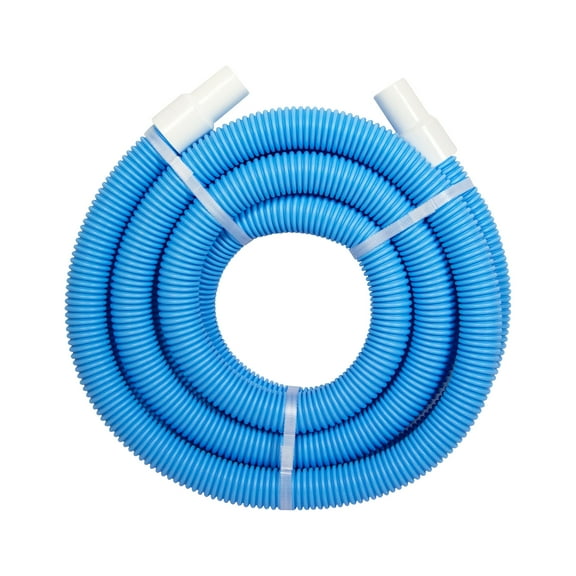
Suction-side options connect to your pool system, so you should check hose length and pool size before choosing. Pressure-side designs collect debris differently, and you’ll want to compare how they fit your existing equipment.
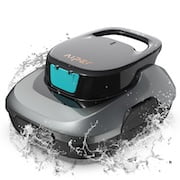
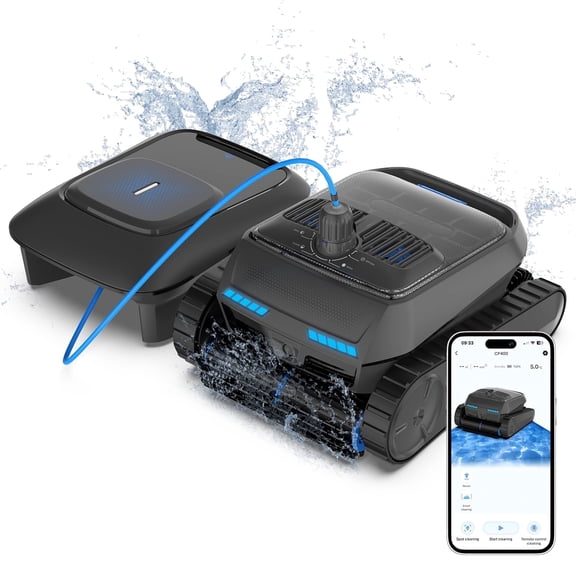
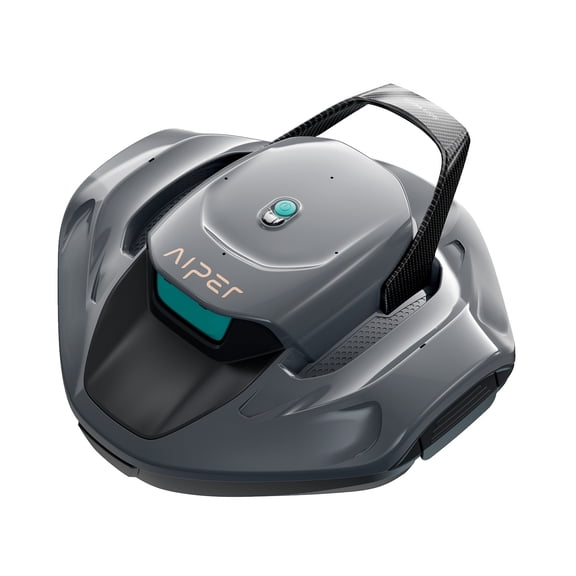
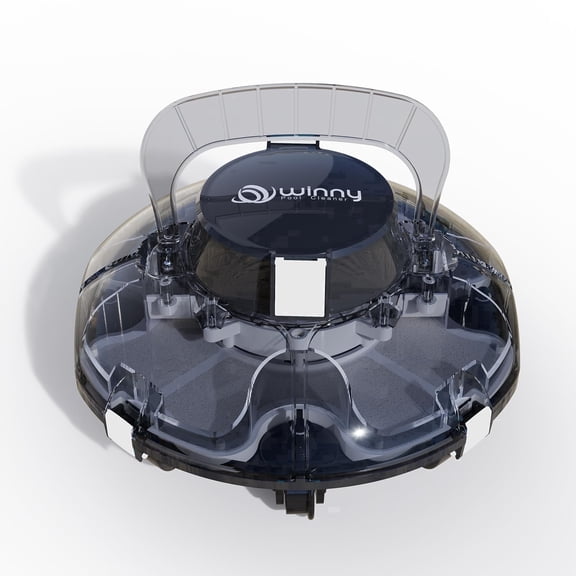
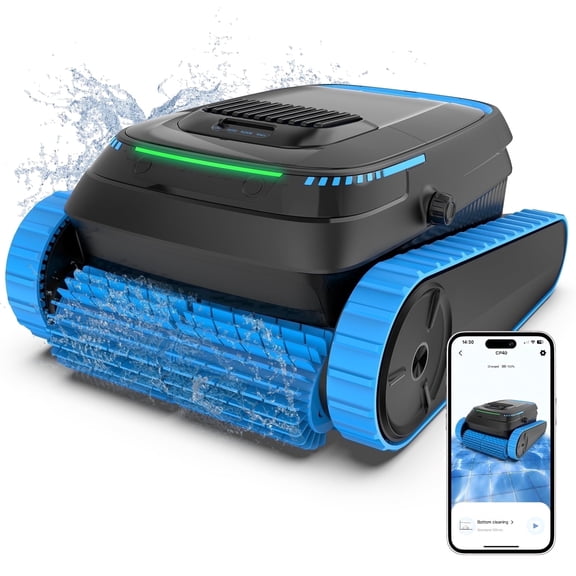
If you’re considering a robotic cleaner or a corded pool vacuum, you should measure the longest distance across the pool first. Your cord or hose needs enough reach to cover deep ends, steps, and corners without constant repositioning.
Checking pool type compatibility and surface needs
You should always confirm whether a tool fits above ground or inground construction before buying. Your pool’s shape, depth, and wall angle can change how easily a vacuum head or brush moves.
Surface compatibility matters because vinyl liner pools need gentler contact than rougher concrete finishes. You should look for designs made for vinyl when you want to protect liners during regular cleaning.
Concrete pools often need firmer brushing to handle textured surfaces and stubborn floor debris. You may prefer sturdier heads and stronger bristles when your cleaning routine focuses on plaster or concrete walls.
For above ground pools, you may want lighter tools that move easily around smaller footprints and softer walls. If you own an inground pool, you’ll often need longer poles, longer hoses, or wider vacuum paths.
Understanding power source, reach, and debris pickup
You should compare power source options based on convenience, pool size, and your current setup. Your choices may include corded, cordless rechargeable, suction-side, and pressure-side equipment.
A corded pool vacuum can give you continuous runtime, which helps when you clean larger pools in one session. You should still check cord length carefully, because short reach can slow your coverage.
Battery-powered options can feel easier to carry and position during quick spot cleaning. You may prefer cordless rechargeable designs when you clean stairs, tanning ledges, or smaller pools more often.
Debris capacity matters when your pool collects leaves after storms or during heavy shedding seasons. You should look for larger chambers for bulky debris, while finer filtration helps when your issue is dust or silt.
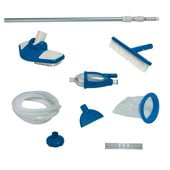
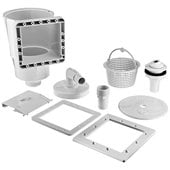
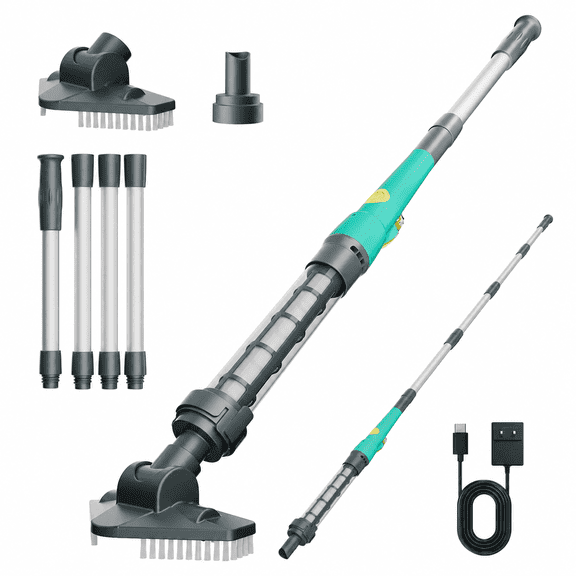
If you’re comparing a pool cleaning kit, you should check which pieces the kit includes and how they connect. Your kit may combine a net, brush, vacuum head, and pole to cover everyday maintenance tasks.
Use cases for everyday maintenance and seasonal cleanup
You can use a skimmer and test kit for quick daily checks when you want to stay ahead of surface debris. Your routine may take only a few minutes, yet it helps keep bigger cleanup jobs from building.
For weekly maintenance, you may combine brushing, vacuuming, and water testing into one session. You’ll usually get smoother results when your tools match your pool surface and debris level.
After windy weather, you may need stronger suction or larger debris collection for leaves and twigs. You can compare a manual vacuum, an automatic cleaner, or a riptide pool vacuum style for heavier cleanup needs.
If fine dirt settles on the floor, you should focus on filtration and pickup design instead of only brush width. Your pool cleaning products should match whether you remove visible leaves or lighter sediment.
When you maintain a compact above ground pool, you may want a simpler set of pool cleaning equipment. For larger inground layouts, you’ll often need more reach, wider coverage, and stronger debris handling.
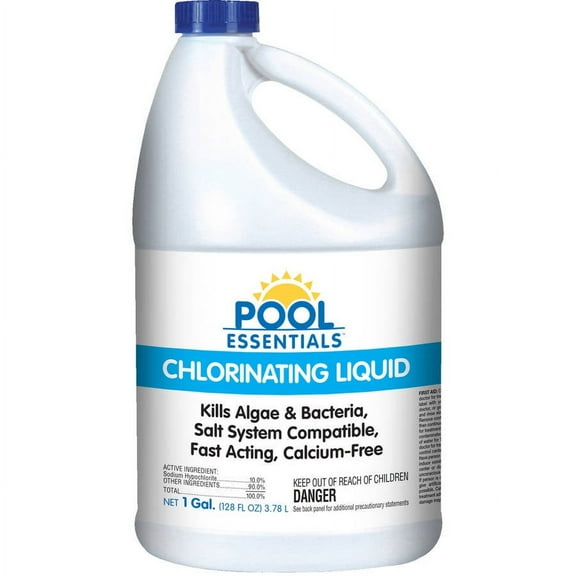
You can also coordinate your tools with related pool care categories for a more complete setup. Your maintenance plan works more smoothly when tools, filters, covers, and pool chemicals support the same routine.
With the right pool cleaning tools, you can match your maintenance routine to your pool’s size, surface, and debris patterns. You can clean more efficiently and keep your pool ready for the next swim with less guesswork.