



Pool Balls for Game Room and Recreation


















About Pool Balls for Game Room and Recreation - Walmart.com
Pool balls help you set up smoother games, cleaner breaks, and more consistent practice on your table. You can compare size, material, and set composition to match your room, table, and playing style.
If you're replacing worn pieces or building a full setup, you need details that affect roll and rack quality. You can use this guide to sort through billiard balls, cue balls, and regulation-ready options with confidence.
How to choose pool balls for your table
You should start with table compatibility because ball diameter changes how your game feels. You can look for regulation pool balls at 2-1/4 inches for standard American pool tables.
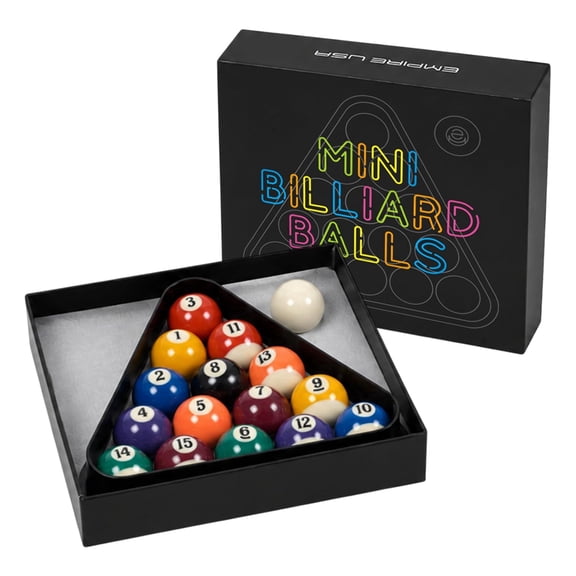
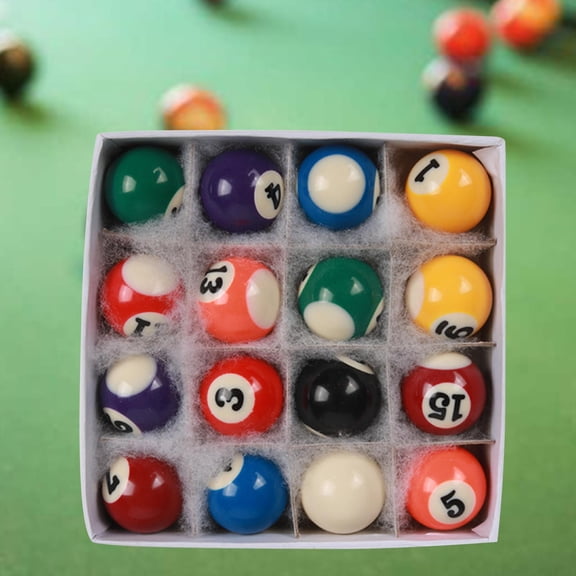
If your table is smaller, you may prefer 2-1/8 inch options or miniature pool balls. You can keep rebounds, pocket fit, and cue contact more natural when the ball size fits your table.
You should also check weight consistency before choosing a set. You want balls that stay close to the regulation range of 5.5 to 6 ounces for truer play.
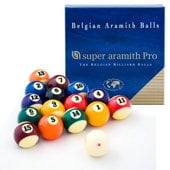
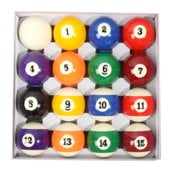
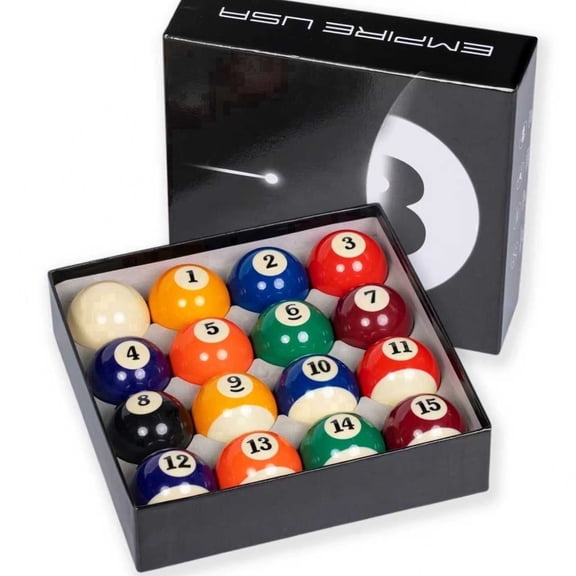
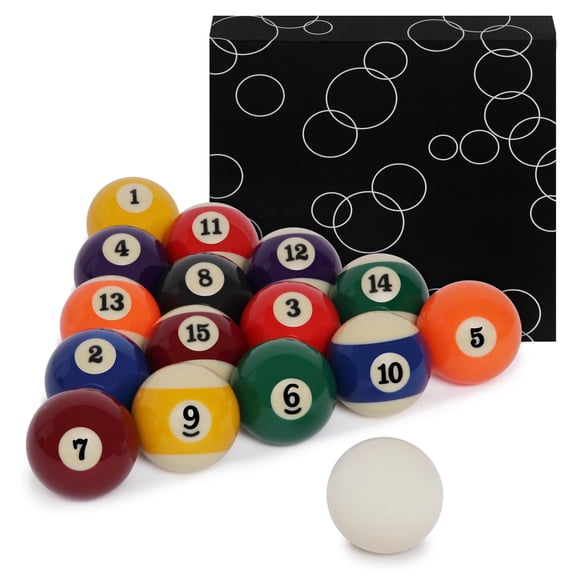
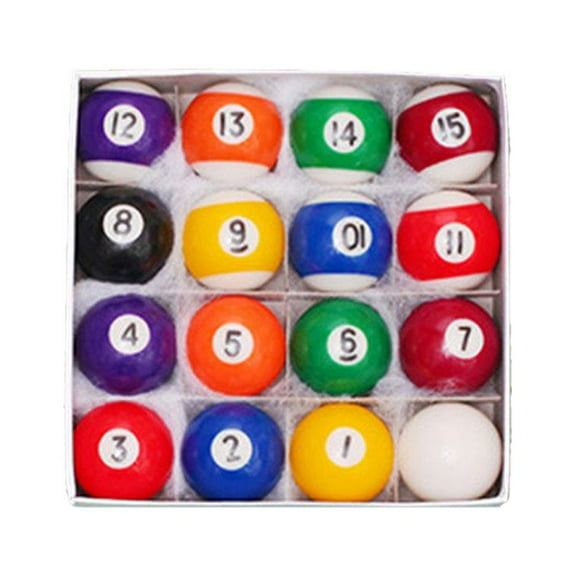
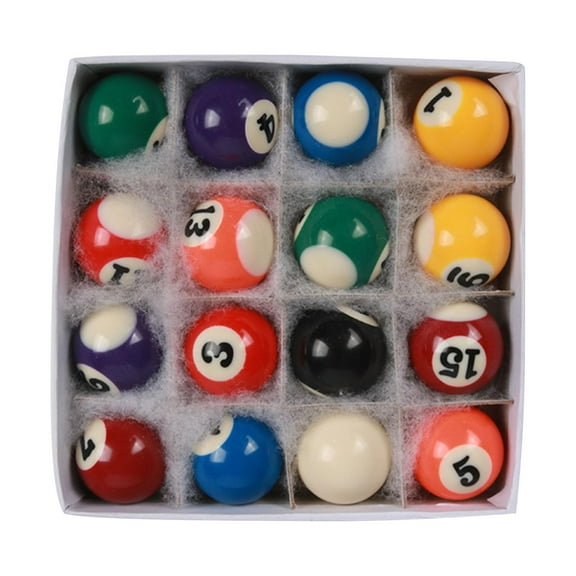
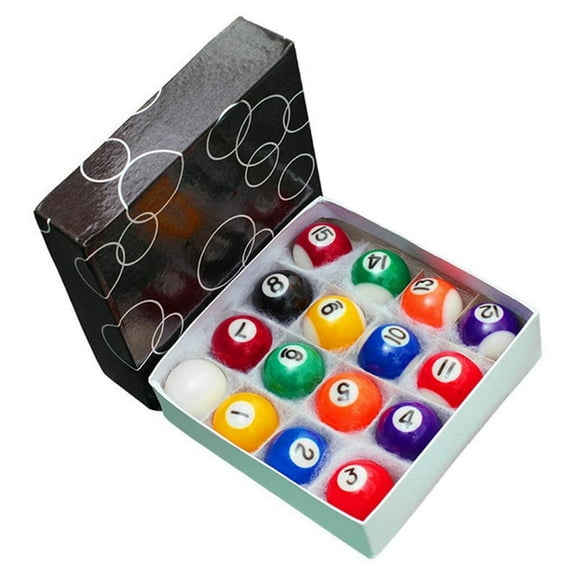
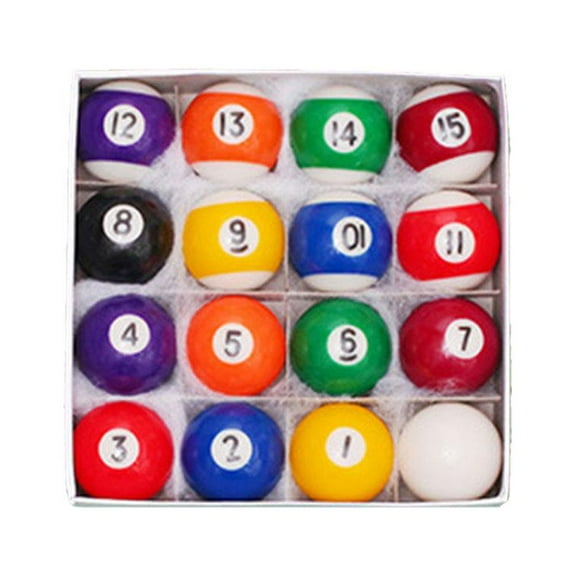
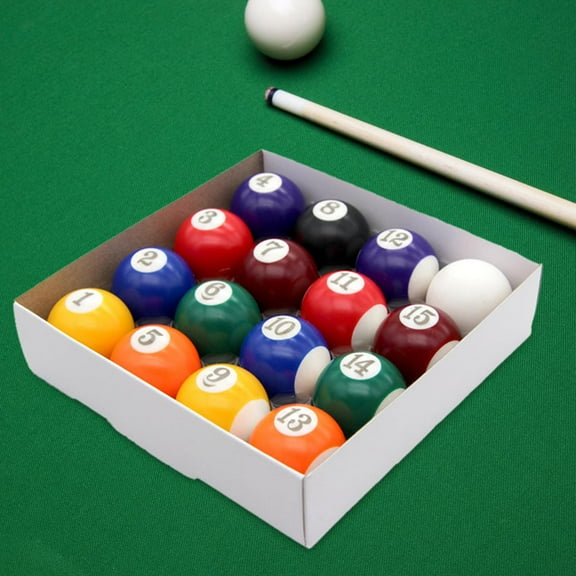
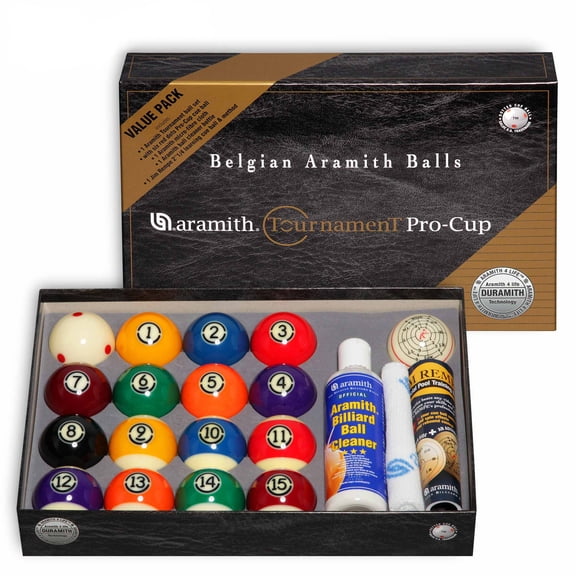
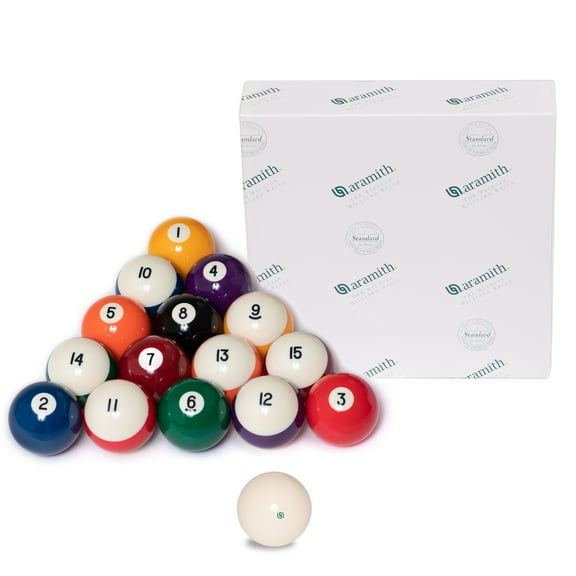
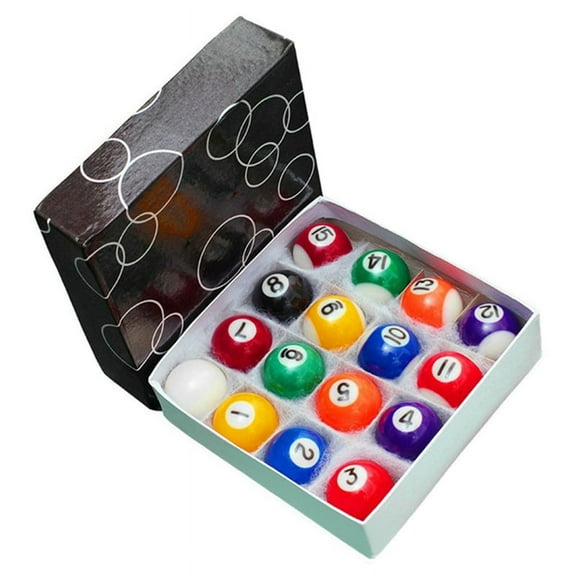
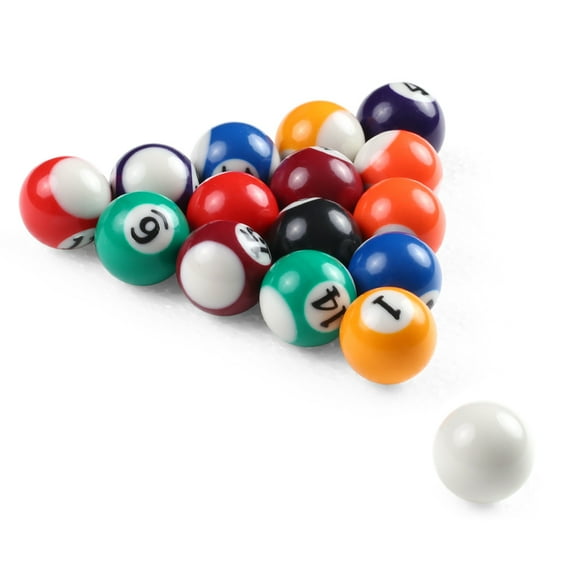
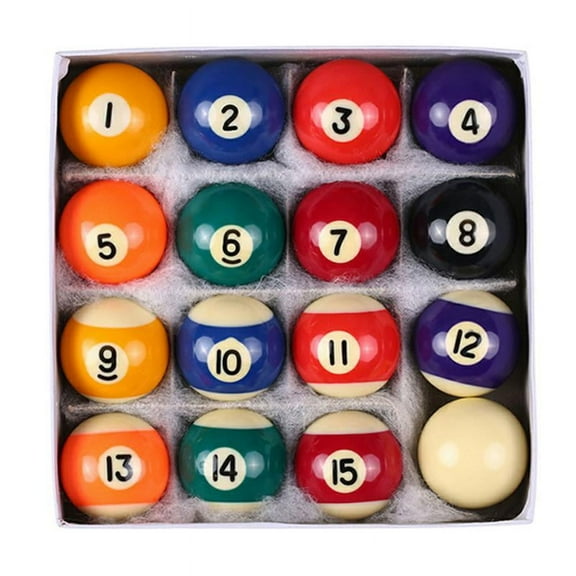
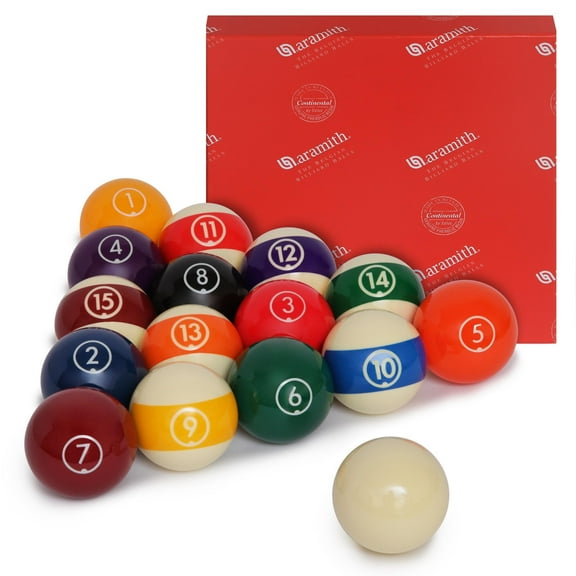
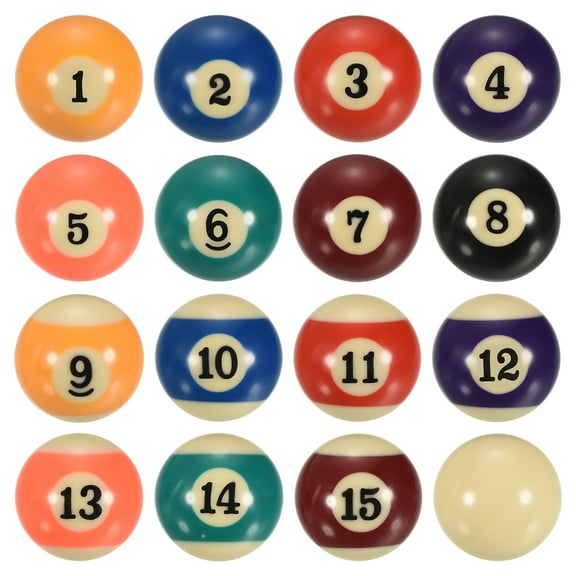
- You can choose a complete 16-ball set when you need solids, stripes, and a cue ball together.
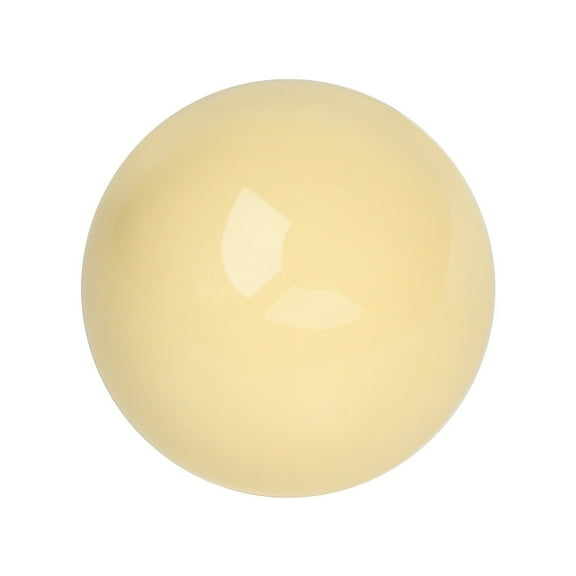
- You can pick a replacement cue ball when your current ball is missing or no longer matches your set.
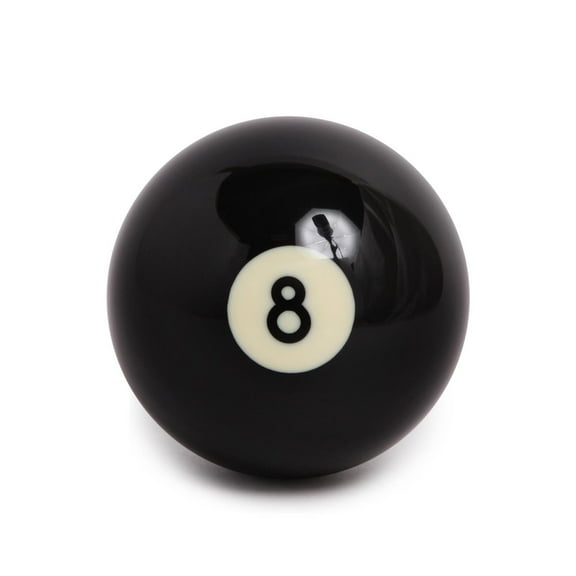
- You can select individual object balls when you need a single number replaced without changing the full rack.
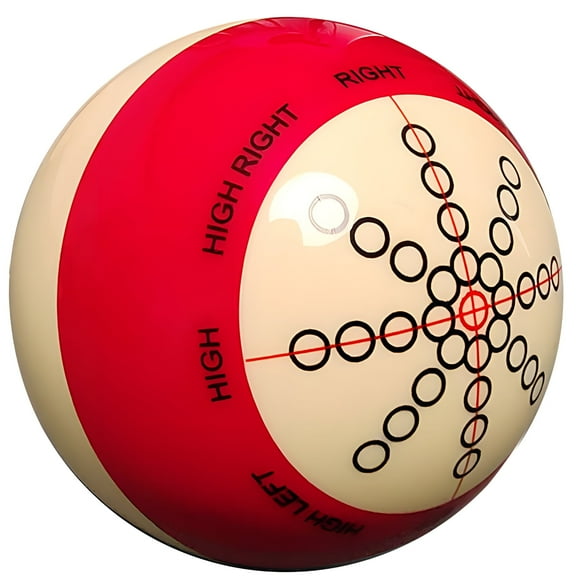
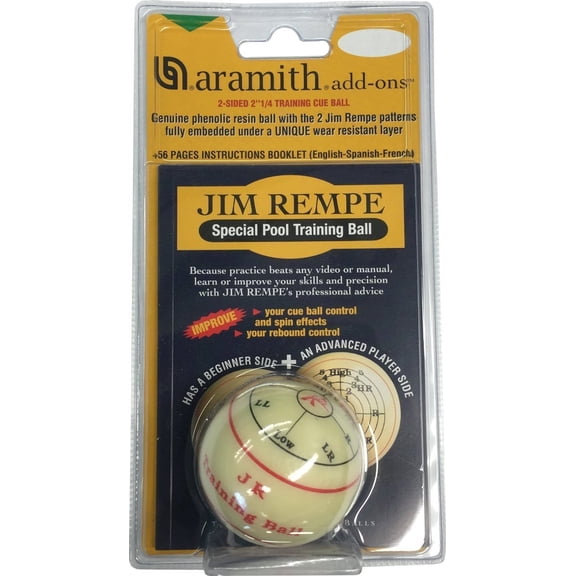
- You can try training balls when you want printed guides for spin, aiming, or practice drills.
Choosing the right billiard balls material
You should compare material early because it affects durability, shine, and roll accuracy. You can often choose among phenolic resin, polyester resin, and acrylic depending on your playing habits.
If you play often, you may prefer phenolic resin for a harder surface and more consistent rebound. You can also reduce visible wear over time when your set resists repeated impact.
If you want casual recreation, polyester resin can be a practical place to start. You can still get classic color coding and familiar play without needing tournament-focused construction.
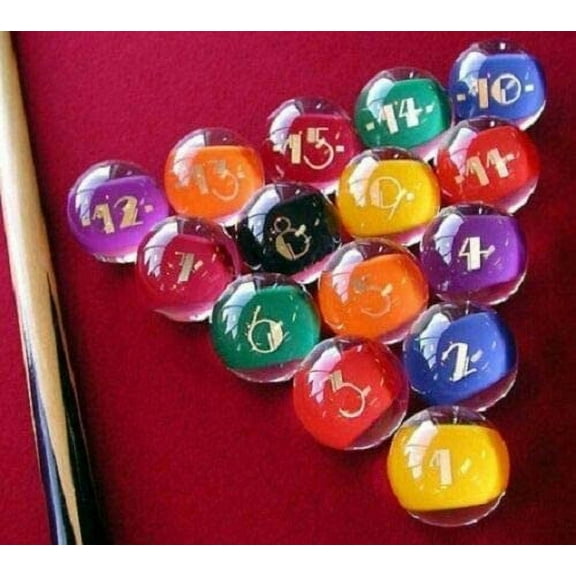
Acrylic options can work for novelty looks, lighter-duty setups, or decorative game rooms. You should compare finish and weight details closely so your table play stays predictable.
What to look for in a billiard ball set
You should confirm set completeness before you choose any billiard ball set. You want 15 object balls plus one cue ball if you're equipping a standard pool table.
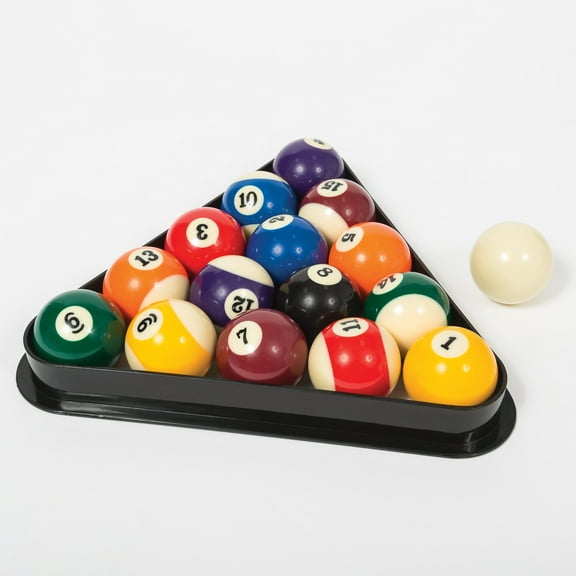
If you're buying for eight-ball or straight pool at home, a complete set keeps setup simple. You can avoid mismatched colors, uneven wear, and different roll behavior across older pieces.
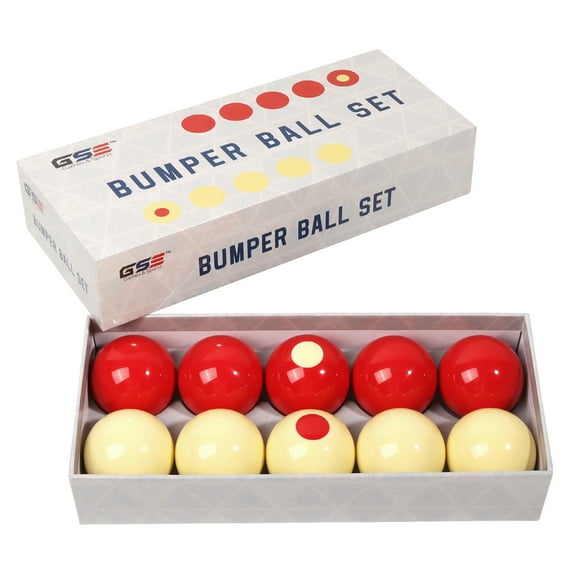
You may also want to compare training sets with marked lines or spots. You can use those visual guides to practice English, contact points, and cue alignment on repeat shots.
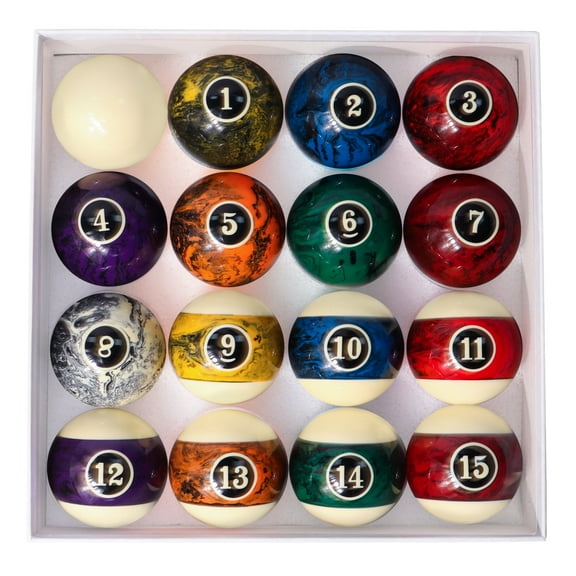
Style matters too when your game room has a specific look. You can choose classic solids and stripes, marbleized designs, neon colors, or matte finish pool table balls.
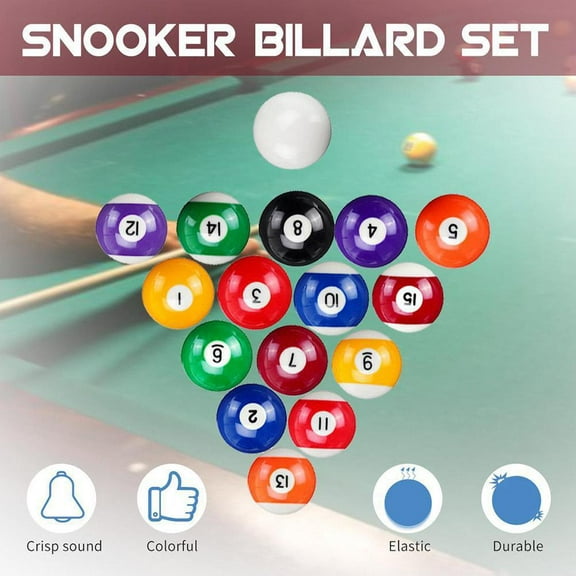
Classic sets give you the familiar numbered layout used for standard play. Marbleized and neon styles help you create a more customized table appearance in rec rooms.
Understanding regulation pool balls and key specs
You should check diameter and weight together because those specs shape speed, break action, and rack tightness. You can expect regulation pool balls to measure 2-1/4 inches across.
You should also look for even roundness and a balanced finish across the full set. You can get cleaner travel lines when each ball reacts similarly off cushions and rails.
If you care about accurate bank shots, material density also matters. You can notice more reliable contact when the cue ball and object balls carry similar weight balance.
You may see terms like scratch resistance, polished finish, or tournament size in listings. You should read those details as signs of how your set may hold gloss and play over time.
When different pool table balls make sense
You can use a full set for family game nights, basement tables, and regular practice sessions. You get everything needed for standard rack games without piecing items together.
If you've lost one ball, individual replacements can help you restore your set quickly. You can keep your preferred colors and numbering instead of replacing every piece.
A replacement cue ball works well when your original cue ball is chipped, missing, or unevenly worn. You can bring back a more balanced strike and smoother cue contact.
Training balls fit skill-building sessions where you want visible reference marks on each shot. You can practice spin paths, aiming lines, and contact angles with less guesswork.
If you're styling a rec room, decorative finishes can matter as much as gameplay. You can coordinate marbleized or matte sets with your table, lighting, and wall décor.
For standard home competition, you may want a set with regulation sizing and consistent weight. You can create a truer break, tighter rack, and more familiar rebound on every game.
You can choose pool balls more easily when you compare size, material, finish, and set composition together. Your table plays more smoothly when your selection matches your room, routine, and preferred game style.