



How Much is a Plate Compactor? Soil Compactor Machines



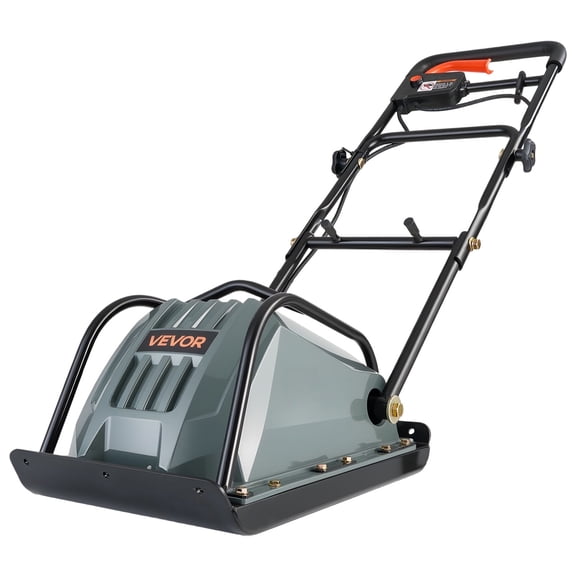

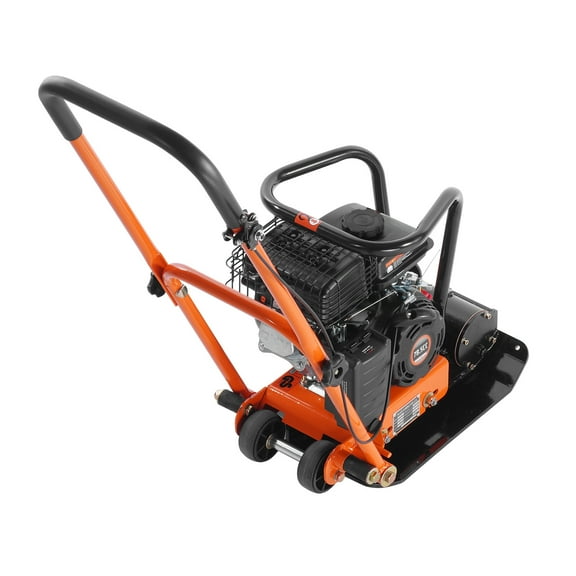

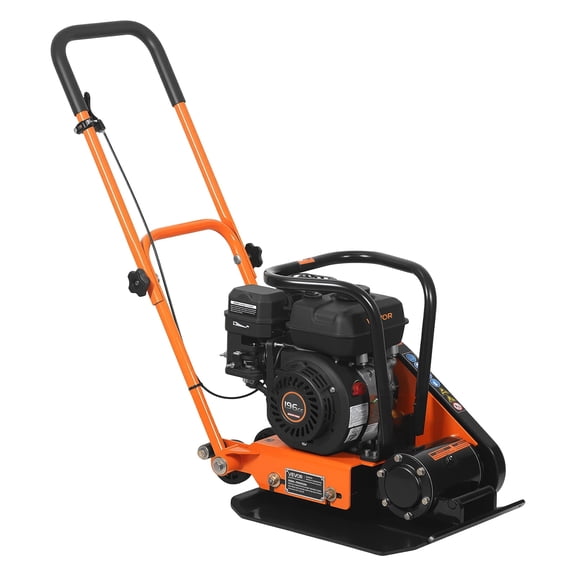
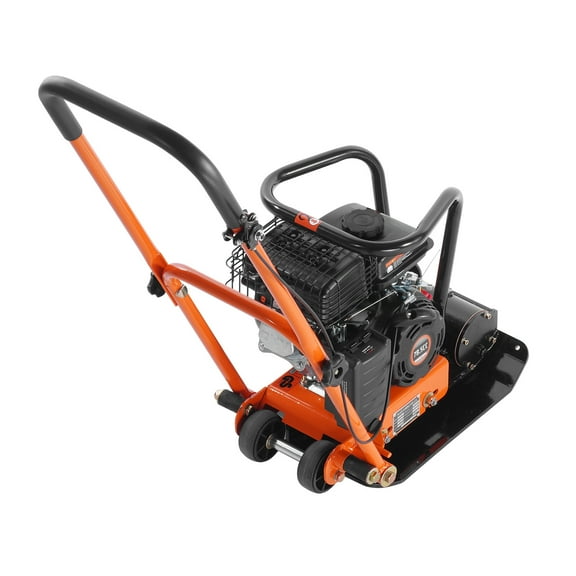











About How Much is a Plate Compactor? Soil Compactor Machines - Walmart.com
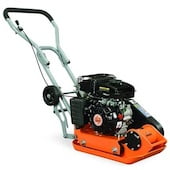
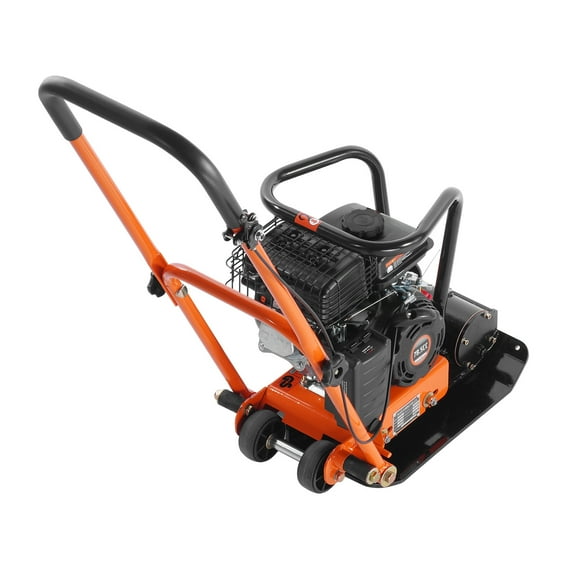
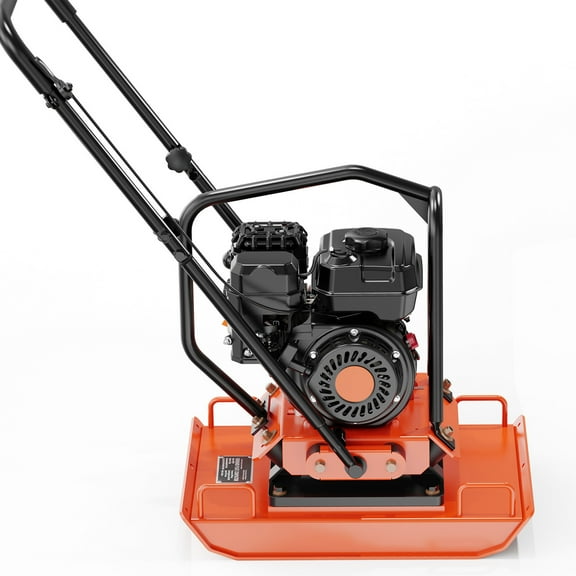
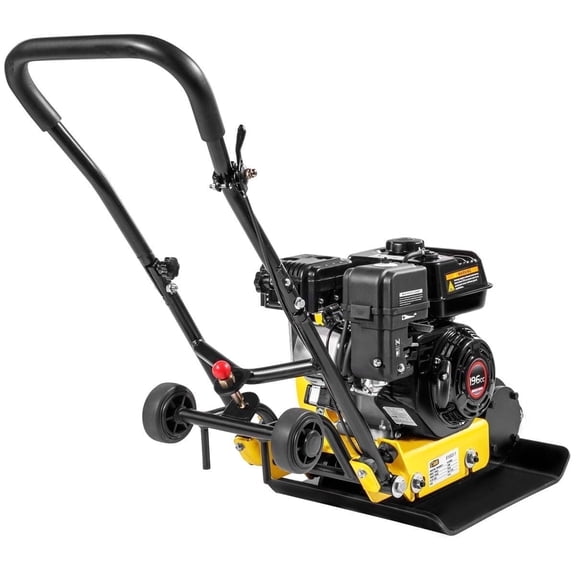
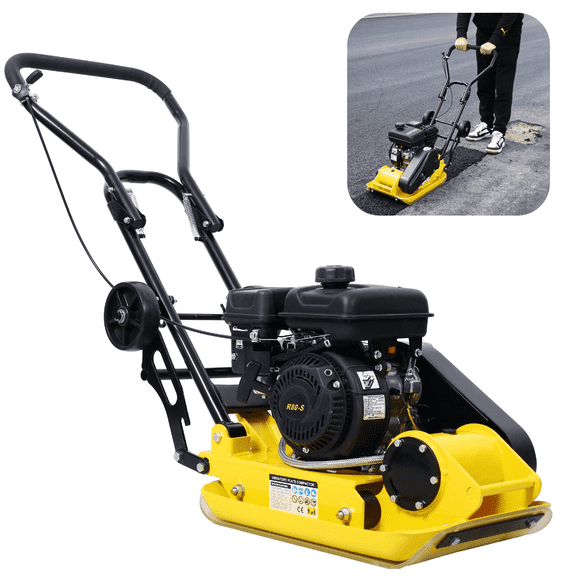
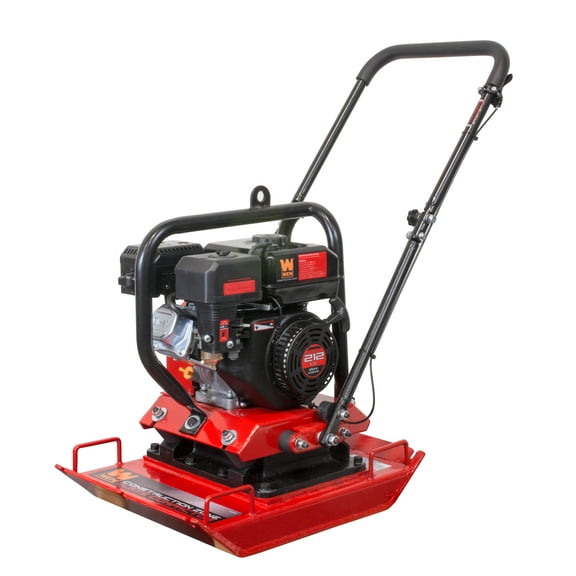
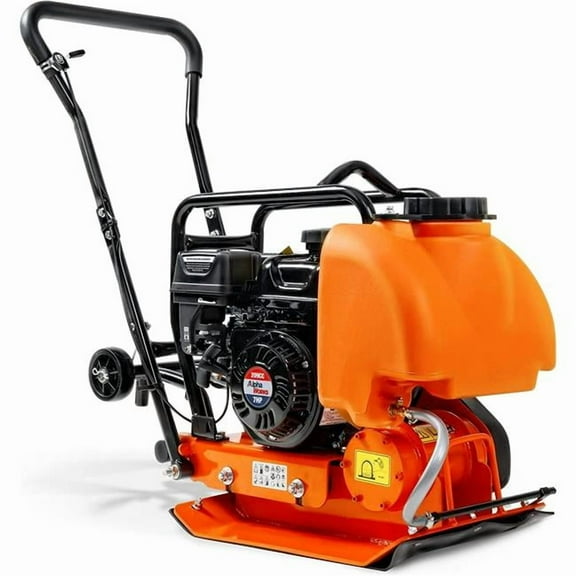
Plate compactors help you prepare firm base layers for pavers, gravel, soil, and asphalt work. You can compare force, engine type, plate width, and application needs to choose equipment that fits your project.
Choosing the right plate compactors for your project
When you compare plate compactors, you should start with the material underfoot and the area you need to cover. You may want a machine that matches loose soil, compacted gravel, pavers, or fresh asphalt.
Because this category spans several job types, you should treat each spec as a buying decision. You can narrow your options faster when you compare force, width, and power source together.
How to compare benefits before you choose
You can get more consistent ground preparation when you match the machine to your surface. Your patio base, walkway bed, or patch area can feel more even after repeated passes.
You can also compare machines by how easily you move them across your jobsite. Your setup may feel simpler when the engine type and plate width fit your space.
Another benefit comes from using the right plate on the right material. Your paver base, gravel path, or asphalt repair can come together with fewer extra passes.
- You can choose gas power for mobility and outdoor projects.
- You can choose electric power for straightforward startup and lighter maintenance routines.
- You can compare force ratings for soil, gravel, pavers, and patch work.
- You can check handle comfort if your project includes repeated passes.
Selecting a gas plate compactor by engine type
You should compare gas-powered, diesel, and electric options based on where and how often you work. Your choice affects refueling, startup routine, and the kind of projects you can tackle comfortably.
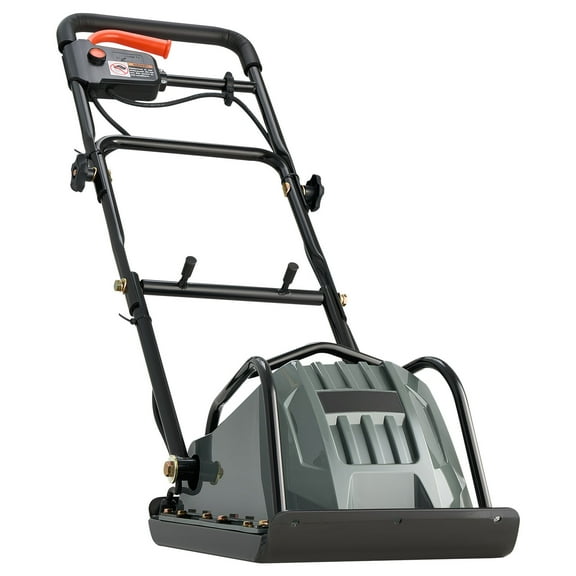
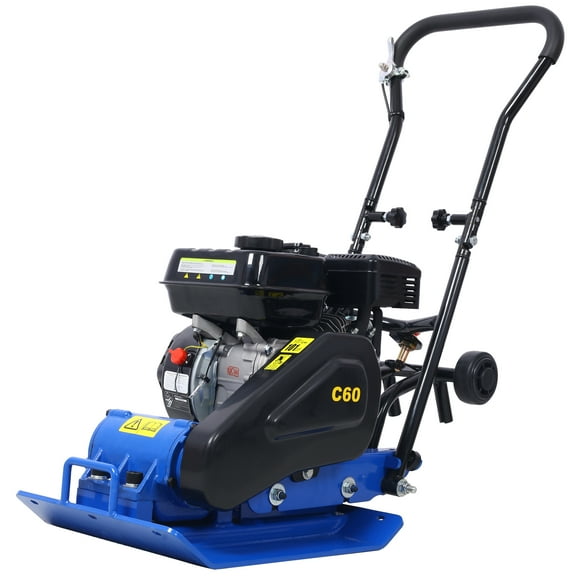
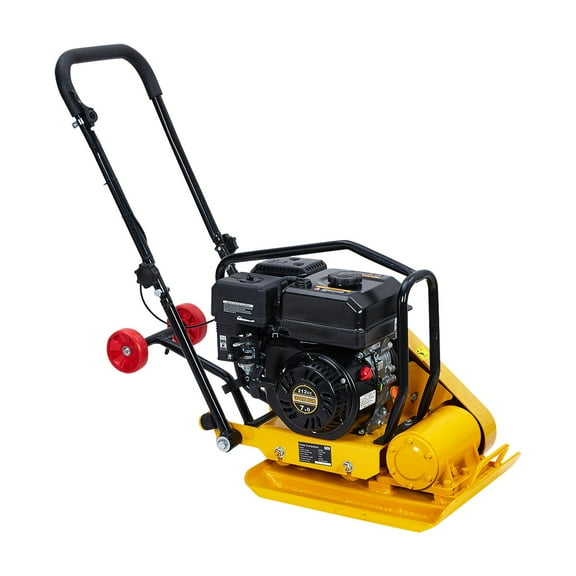
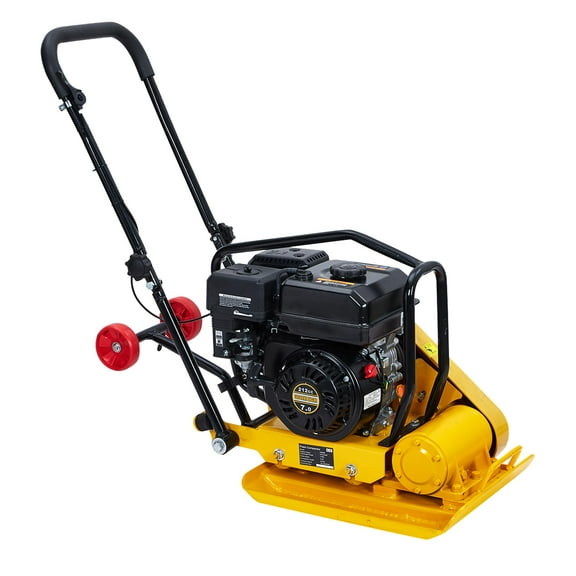
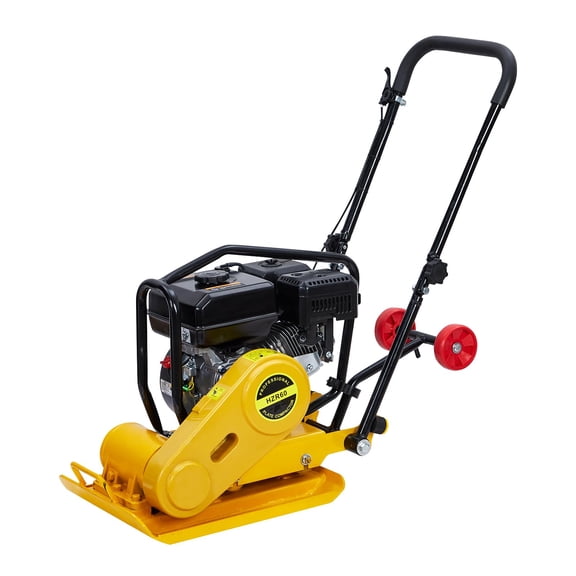
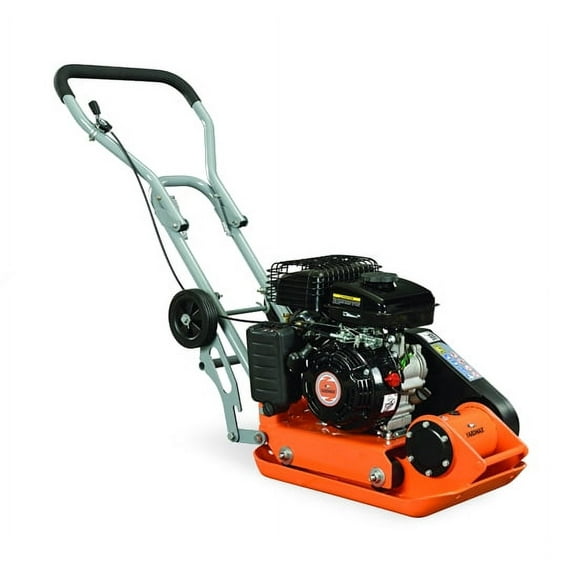
A gas plate compactor can suit remote jobs where you need mobility and longer run time. You won’t need a cord, and you can keep working in spots far from outlets.
A diesel model may suit you if you use other diesel equipment on larger job sites. You can streamline fuel handling when your tools share the same basic fuel plan.
An electric model can make sense when your work area favors easy starts and lower routine upkeep. You may appreciate fewer engine-related maintenance steps between smaller jobs.
You should also check whether the engine includes an oil sensor or low-oil shutdown feature. Your routine can feel easier when you understand fuel type, oil capacity, and startup steps early.
Understanding vibratory plate compactor force and plate size
You should look closely at compaction force because it shapes how firmly your surface packs down. You may see this rating in pounds or kN, and higher numbers fit tougher jobs.
If you’re refreshing a paver base or compacting lighter soil, about 2,000 pounds may cover basic residential work. You can step up to 3,000 pounds for thicker aggregate and broader prep tasks.
For demanding surfaces, 4,000 or more pounds can help you handle deeper base layers and larger spaces. You should match force to your material so you don’t overwork or underpower the job.
A vibratory plate compactor uses rapid vibration to settle material more evenly across the plate area. You can notice this matters when you want a smoother base under pavers or asphalt patches.
You should also measure your work area before choosing 12-inch, 14-inch, or 20-inch plate widths. Your plate size affects how quickly you cover open ground and how easily you guide tight turns.
A 12-inch plate can work well when you need control along edges, narrow runs, or confined spaces. A 20-inch plate can cover wider driveways faster, while a 14-inch size balances both needs.
Matching application to soil, asphalt, pavers, and gravel
You should choose your machine around the surface you plan to compact most often. Your application changes the force, plate size, and accessories that make the job feel manageable.
For soil and gravel, you may want enough compaction force to firm the base before you build on it. A soil compactor setup with the right plate width can help you create a more even starting layer.
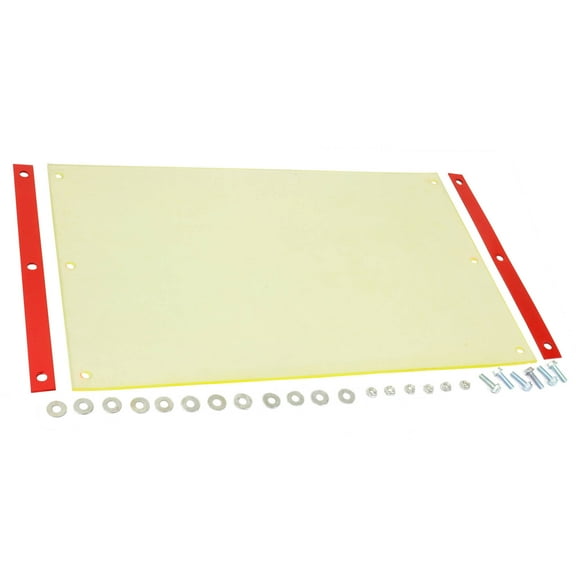
For paver projects, you may look for a paver compactor setup that supports a smoother finish over sand and base layers. You should also check for compatible pad options when working over finished pavers.
For asphalt patching, you may want a machine sized for the repair area and pass pattern. An asphalt plate compactor can help you press repair material into place for a neater finished surface.
If you’re comparing a dirt compactor machine for landscaping, walkway prep, or small slab bases, you should weigh force against handling comfort. You may prefer features that help you guide repeated passes with less strain.
What to look for in handles, maintenance, and everyday use
You should check handle design and vibration isolation if you expect longer sessions on tough material. Your hands can feel more comfortable when the machine features steadier control.
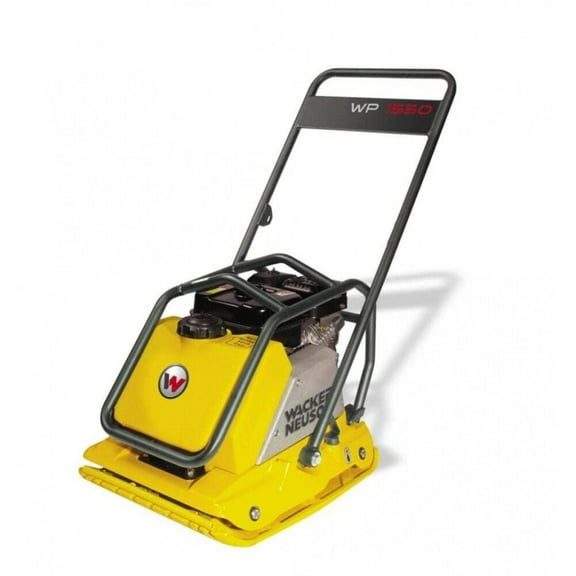
Fold-down handles can help you store and transport your equipment with less hassle. You may also want wheels or lift points if you move your machine between several work areas.
You should review oil capacity, fuel type, and startup method before you choose a model. Your maintenance routine gets easier when you understand basic service points from the start.
If you work across concrete and masonry projects, you may also need tools that support mixing, breaking, and trench compaction. You can pair your equipment planning with concrete mixers, demolition hammers, and trench rammers for smoother project prep.
With the right plate compactors, you can match force, width, and power source to the surface in front of you. This helps you establish a steadier base for pavers, gravel, soil, and asphalt work.